Translated with AI from the Russian original.
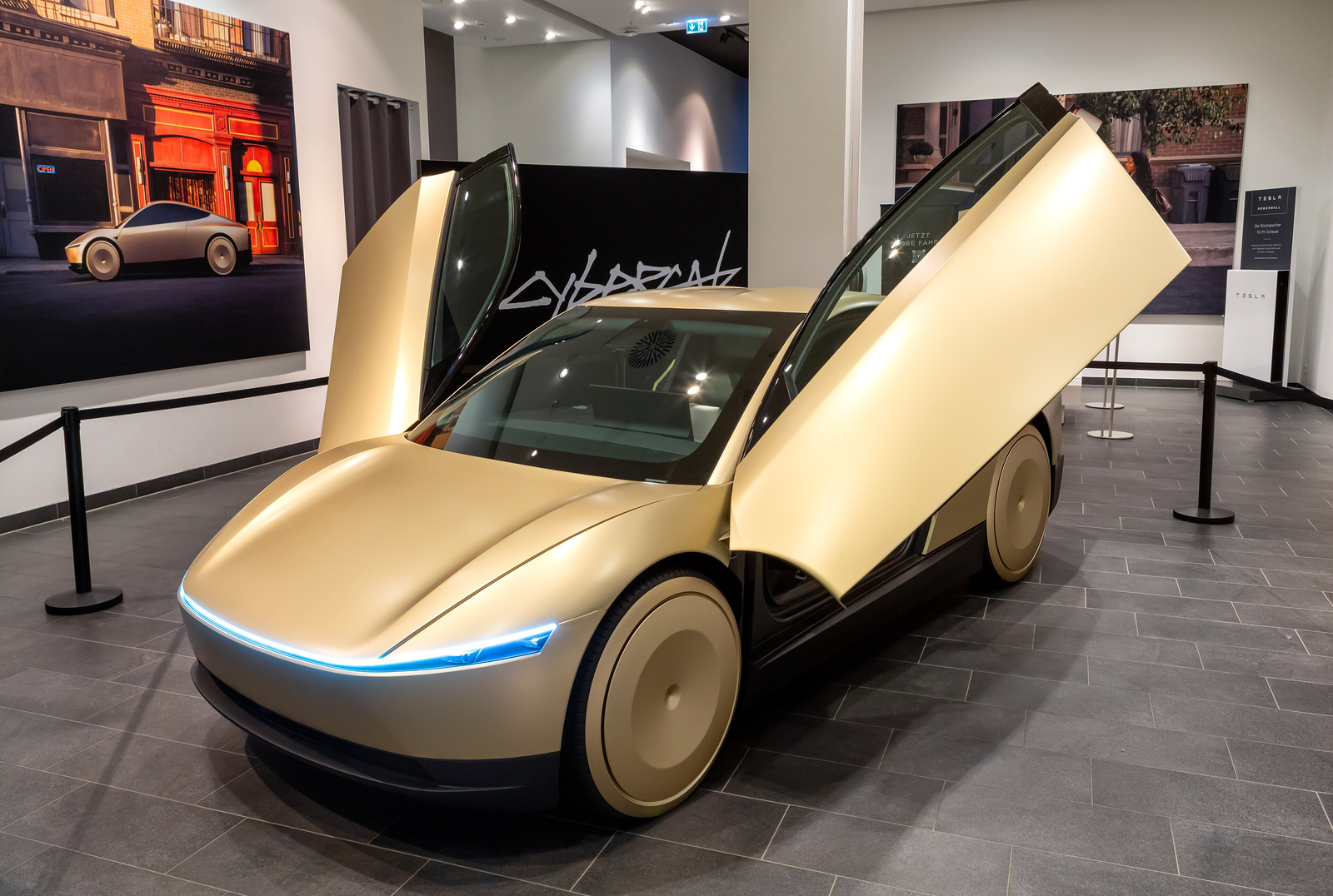
The Tesla Cybercab surprises not only with the absence of a steering wheel and pedals. The new robotaxi doesn't even have conventional brake lines and brake fluid. For the first time in its production model, Tesla used a fully electric brake-by-wire system, where the braking mechanisms are controlled by electronic signals.
In a traditional car, pressing the brake pedal creates pressure in the hydraulic system. Fluid flows through tubes to the braking mechanisms on the wheels and presses the pads against the discs. In the Cybercab, there is no such chain: electronic sensors and actuators directly control the brake calipers.
According to Elon Musk, abandoning hydraulics avoids complex routing of brake lines throughout the car. For a car that was originally designed as an autonomous robotaxi, this provides not only a technological but also a production effect.
The new system also allows the brake pads to automatically retract from the discs when braking is not required. Tesla expects this to reduce unnecessary losses and simplify car maintenance.
The solution fits well into the overall concept of the Cybercab. It has no traditional brake control, nor a steering wheel, accelerator pedal, or brake pedal. The two-seater car is designed exclusively for autonomous operation and should use a modified version of the Full Self-Driving system.