Translated with AI from the Russian original.
China remains the world's largest oil importer, but the growing fleet of electric vehicles is gradually changing the structure of fuel demand. According to the International Energy Agency, in 2025, electric vehicles in China have already reduced oil consumption by approximately 1 million barrels per day. By 2030, this figure could grow to 2.7 million barrels.
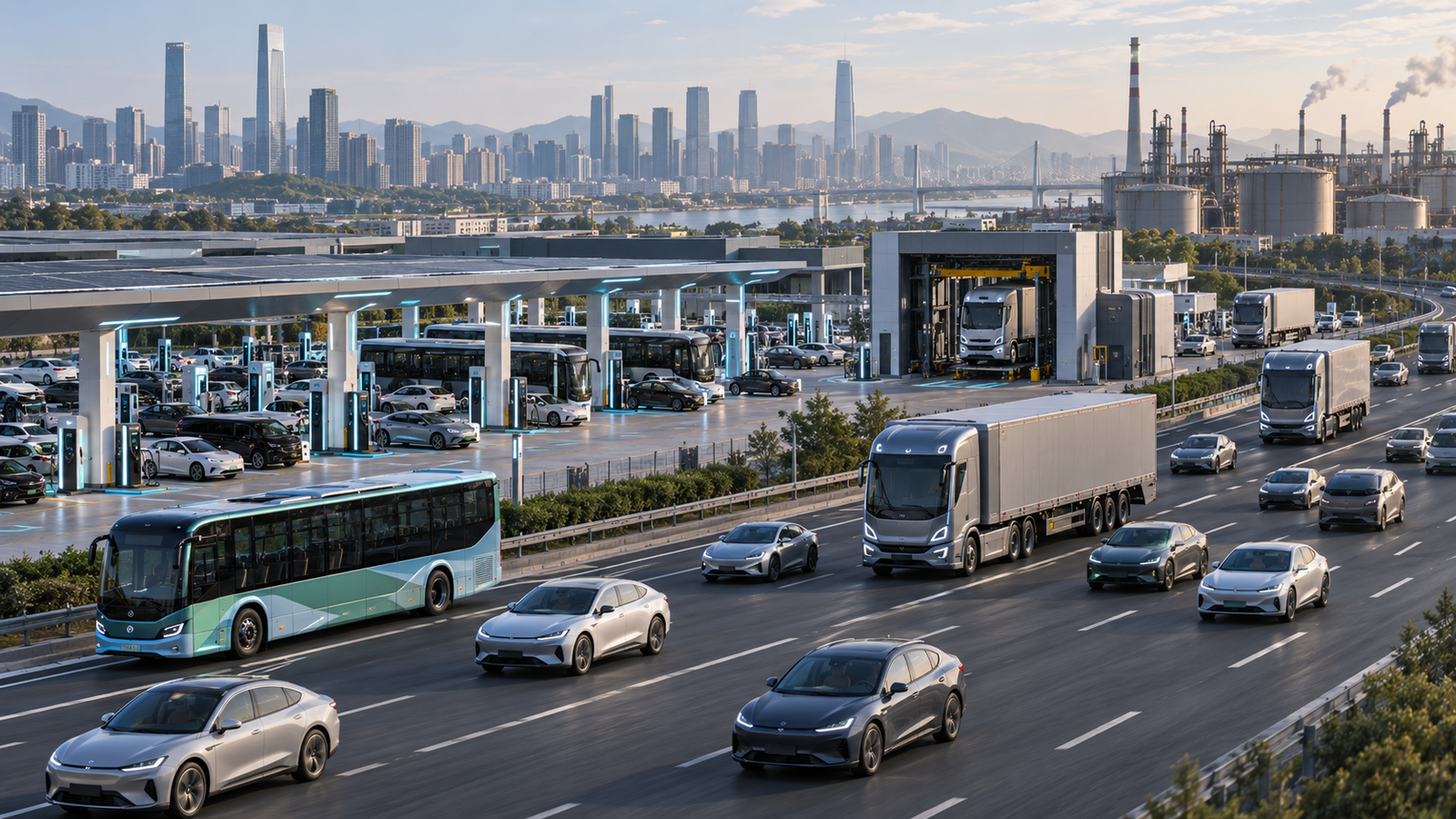
The effect is provided not only by passenger cars. China is actively converting buses and trucks to electric traction, and the development of fast charging and battery swap systems reduces the downtime of commercial vehicles.
The scale of the transition is well illustrated by sales statistics: in 2025, more than 13 million electric vehicles were sold in China, and their share reached almost 55% of all new passenger cars. By the end of the year, about 44 million such vehicles were on the country's roads.
At the same time, China mainly produces electricity for transport domestically. Therefore, electrification shifts dependence from imported fuel to its own energy system. This is especially important in case of sharp changes in oil prices and supplies.
There is also a downside: a significant part of Chinese electricity is still produced at coal-fired power plants. Therefore, electric vehicles do not completely eliminate dependence on fossil fuels, but primarily reduce the economy's need for imported oil.
That is why for China, the electrification of transport is important far beyond the automotive market: every new car without an internal combustion engine reduces the amount of fuel the country needs to buy abroad.
Read more articles:
- New car sales in Russia grew by 6%: the car market started September with an unexpected acceleration
- Mercedes-Benz wants to reduce production costs in Germany: workers are offered more hours for the same money
- Foton View received a 5+1 cargo-passenger version: price starts from 4.23 million rubles