Translated with AI from the Russian original.
In January–September 2026, Chinese battery manufacturers captured 56.4% of the traction battery market for electrified vehicles outside of China. According to South Korean research firm SNE Research, the installed capacity of Chinese-made batteries in these markets reached 426.7 GWh, up 24.7% year-on-year. This covers batteries for electric vehicles, plug-in hybrids, and conventional hybrids sold outside China.
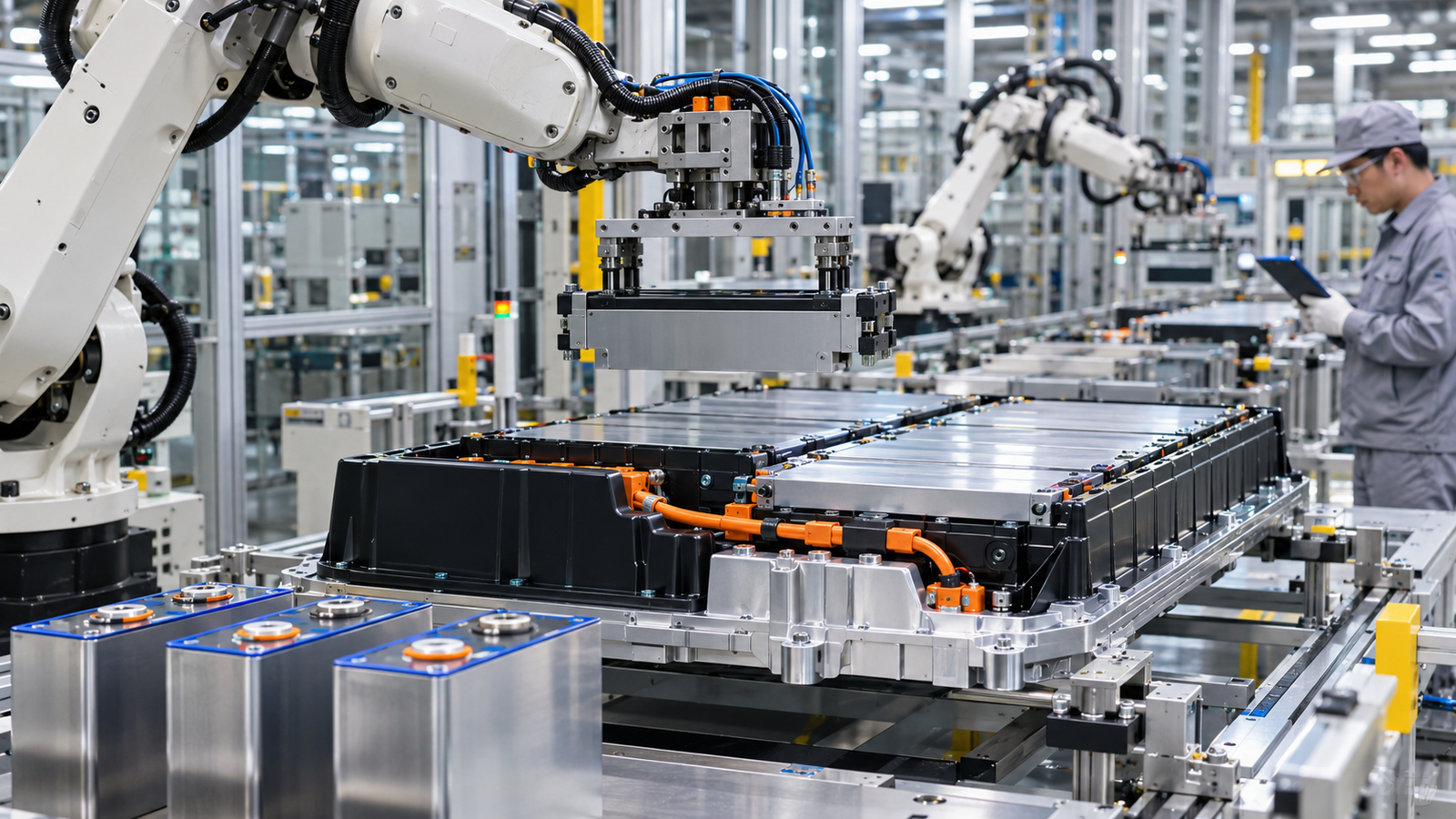
The main contribution came from six Chinese companies — CATL, BYD, Gotion High-Tech, Svolt, CALB, and Eve Energy. The combined share of these manufacturers grew from 43.1% a year earlier to 56.4%. CATL remains the leader: the company installed batteries outside of China with a total capacity of 143.7 GWh, up 46.7% year-on-year, increasing its market share to 33.7%. BYD took third place with 45.9 GWh and a 10.8% share, while its shipments surged by 66.8%.
Shipment volumes from second-tier manufacturers grew especially fast. Gotion High-Tech saw its figure rise by 153.8% to 17.6 GWh, Svolt climbed by 102.3% to 13.1 GWh, and CALB grew by 88.5% to 10.6 GWh. Eve Energy recorded the highest growth rate among the top ten suppliers at 214.6%, reaching 9.5 GWh. At the same time, the market share of the three largest South Korean companies — LG Energy Solution, SK On, and Samsung SDI — shrank from 38.2% to 26.5%, with their combined shipments declining by 13.5% to 113 GWh.
The shift in market structure is accompanied by the growing popularity of lithium iron phosphate (LFP) batteries. Their share outside of China increased from 15.8% to 27.7%, driven in part by the adoption of such batteries in more affordable models in Europe. Meanwhile, Chinese manufacturers are expanding production directly outside the PRC: CATL has already begun pilot production on the first two lines of its plant in Debrecen, Hungary. According to SNE Research, manufacturers’ future standing in the market will be determined by production localization, battery costs, and the ability to comply with supply chain traceability requirements, including the Battery Passport regulations scheduled to come into force in February 2027.
Read more:
- VinFast has registered 465 electric vehicles in the Netherlands — all intended for taxis
- Ayrton Senna’s Williams FW16 put up for public auction for the first time for half a billion rubles
- Chery Tiggo 2 received zero stars in the Latin NCAP crash test due to fire risk