Translated with AI from the Russian original.
Nissan is using generative artificial intelligence and digital tools to accelerate vehicle design development. According to the company's new global design head, Matthew Weaver, the journey from the first sketch to the final design sign-off now takes about five months—half the previous timeframe. AI allows designers to rapidly generate realistic images of a future car in various environments and present a near-finished visual concept to leadership well before a prototype is manufactured.
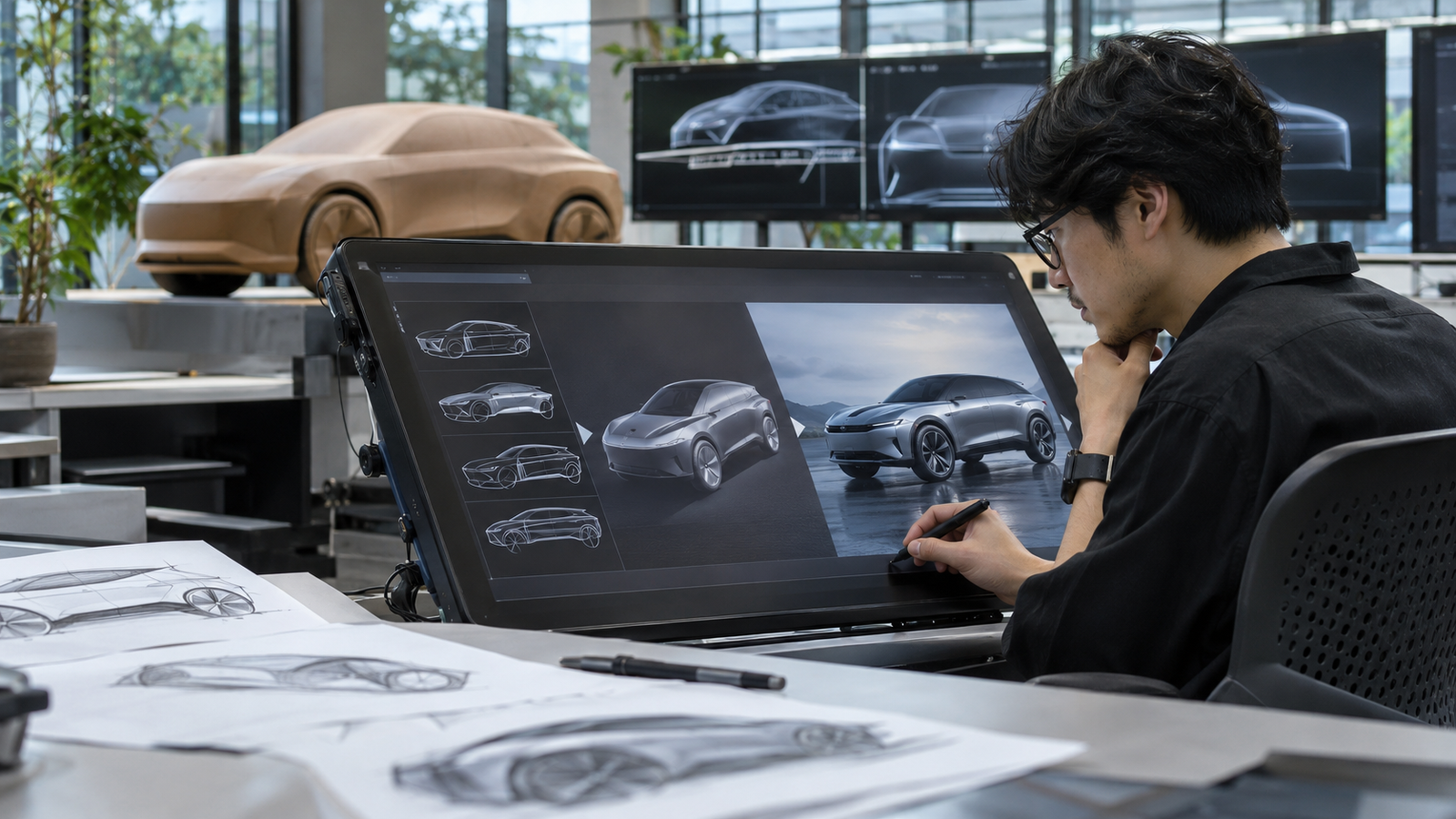
At the same time, Nissan is not fully handing design development over to AI. Weaver views the algorithms as a tool that enables a single designer to independently create more alternatives and validate ideas faster. In particular, digital tools can depict a future vehicle in various operating scenarios—such as off-road or in a desert. Concurrently, the company modified its approval procedure: instead of about a dozen executives, the final decision is now made by a group of four.
Speeding up development is part of a broader plan for Nissan. The company aims to trim the overall vehicle creation cycle from around 50 to 30 months, drawing on the experience of Chinese manufacturers. When developing the Nissan N7 together with Dongfeng, this metric was already reduced from 55 to 26 months through the broader use of digital tools, AI, and component standardization. In addition, Nissan utilizes machine learning to reduce physical testing: earlier collaboration with Monolith helped cut the volume of such tests by 17%.
The first vehicles created using the new approach will appear in the coming years. Nissan associates it with the new Skyline sedan, expected to premiere in December 2026, as well as the next generation of the electric Juke and the Xterra SUV, scheduled for around 2028. Here, AI accelerates specific design phases rather than replacing engineers and designers: final decisions regarding vehicle structure and styling remain in the hands of the company's specialists.
Read more stories:
- Toyota and Waymo will create an autonomous taxi based on the bZ4X electric crossover
- A study of over 50,000 real-world accidents showed that the risk of injury for female drivers behind the wheel of a Volvo decreased by 88%
- BMW hired fragrance specialists to eliminate the distinctive new car smell