Turbo engines have long become the norm for European cars, but most of them have a reputation as capricious units that require constant attention. Increased oil consumption, overheating, rapid wear of piston rings and valves - all this is familiar to many owners. However, there are several successful exceptions: two-liter engines that are not afraid of mileage in the hundreds of thousands of kilometers and are famous for their endurance. Here are five such units that have earned the respect of both mechanics and car owners.
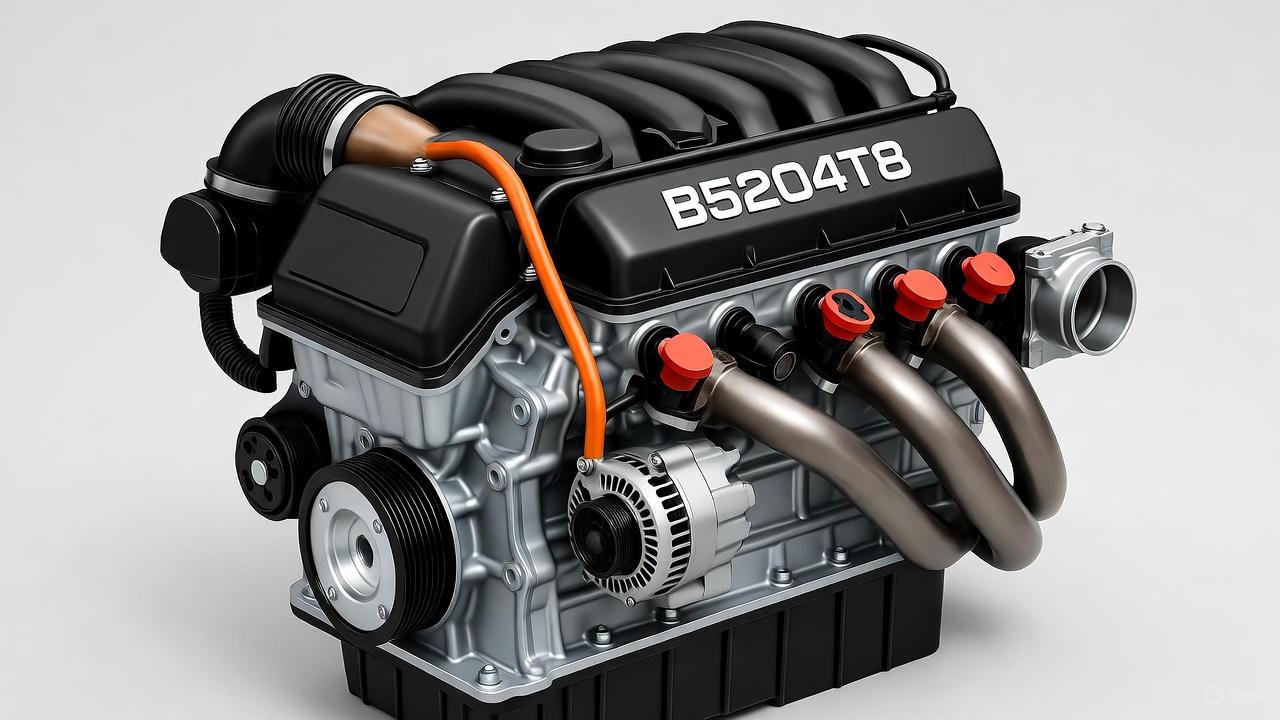
Volvo B5204T8
The Swedish company has long been able to make durable engines, and the two-liter B5204T8 is a clear confirmation of this. This engine, used on Volvo V40, S60 and V60 models, is an aluminum in-line "five" with a BorgWarner K03 turbocharger and phase regulators on both shafts. Power - 180 hp, torque - 300 N·m. The average resource of the unit is about 270,000 km, and with careful operation - even more. The main feature is sensitivity to overheating due to the dense package of radiators, which quickly becomes contaminated. After 150-180 thousand, moderate oil consumption may appear, but in general the engine is famous for its reliability and smooth traction at any speed.
BMW B48
The Germans learned from the mistakes of the previous N20 series, which suffered from a weak timing chain and overheating. The B48 engine has become much more reliable and technologically advanced. It received an aluminum block with a closed cooling jacket, a reliable chain drive and a Twin Scroll turbine with liquid cooling. This engine is used in almost all modern BMW models - from the "one" to the X7, as well as in the MINI Cooper and Countryman. With regular oil changes and the use of high-quality fuel, the B48 easily passes more than 250,000 km. Problems such as oil consumption or leaks rarely occur and usually after 100,000 km.
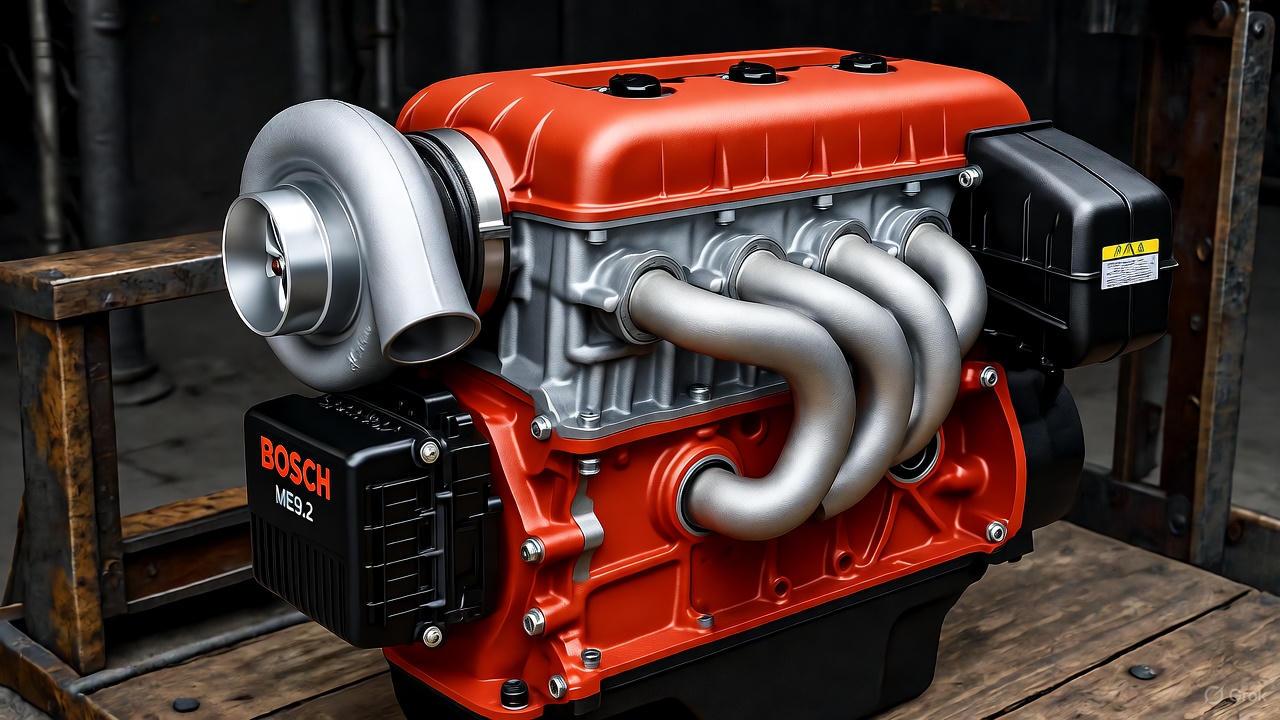
EA888 Gen3b (Volkswagen Group)
The EA888 family has been known for more than ten years, and its early versions were famous for their capricious nature: oil consumption, stretching chain and overheating. But starting with the Gen3b generation, most of these problems are a thing of the past. The engine has a redesigned piston group, chain tensioner and cooling system. Now the chain resource is about 150,000 km, and the engine can travel up to 300,000 km before the first major repair. The 2.0-liter turbo four (up to 230 hp) is used in the Volkswagen Passat, Tiguan, Arteon, Audi A4-A6, as well as in the Skoda Octavia and Kodiaq. Complaints usually come down to the pump or thermostat, but in general the Gen3b is one of the most reliable turbo engines of the VAG concern.
Mercedes-Benz M260/M264
Two almost identical engines, differing only in layout: the M260 is installed transversely, the M264 is longitudinal. These units are used in most modern Mercedes-Benz models - from the A-class to the E-class and GLC. The main advantage is a reliable chain drive and a load-resistant turbine. With proper care, the engine can easily withstand 250-300,000 km. The key requirement is refueling only with 98th gasoline: detonation and piston damage are possible on lower quality fuel. Minor problems with injectors and wiring were noted on early versions, but they were quickly fixed.
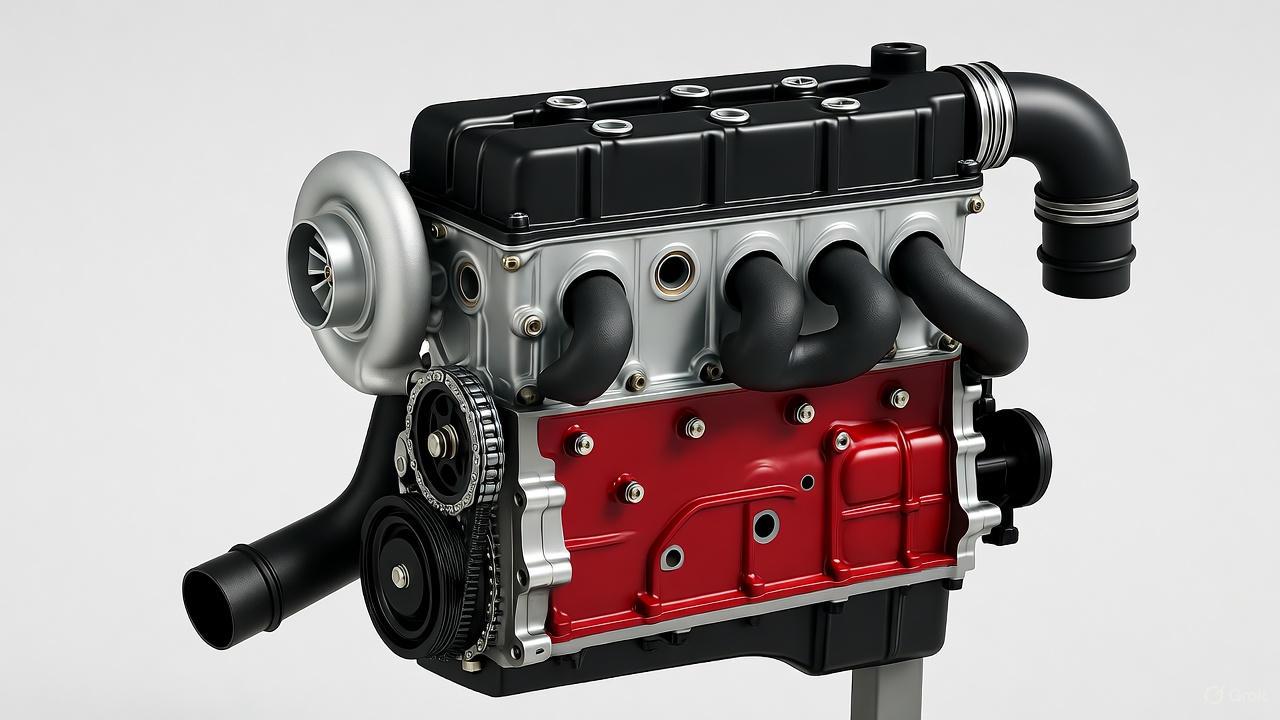
Renault F4Rt
The French turbo engine, which appeared in the early 2000s, has become a real long-liver. It was installed on Renault Megane, Laguna, Espace and sports versions of Megane RS. The design is simple and durable: cast iron block, aluminum cylinder head, belt drive timing and Mitsubishi TD04 turbine. On runs up to 200,000 km, the engine is limited only to scheduled maintenance, and the turbine easily withstands this period. With proper care, the F4Rt is able to travel 350,000 km before overhaul. The only areas of attention are electrical and tightness of the lubrication system.
Read more materials:
- 2004 in the Russian auto industry: production growth, foreign car boom and Lada Kalina
- What will the new generation of BMW 3-Series be like
- The most affordable Chinese crossovers in Russia are named
Комментарии