The urban environment plays against the driver: traffic jams, traffic lights, short accelerations, and sudden braking. And it seems that fuel literally goes into thin air. With each month, gasoline costs are growing, and many believe that it is impossible to influence this. But the experience of motorists and data from specialists confirm: even in an ordinary car, you can reduce consumption by up to 30% if you change a few habits.
Why the City Is the Main Fuel "Eater"
The average speed in city traffic rarely exceeds 25-30 km/h. The engine operates in a "jerky" mode: warm-up, idling, short accelerations, constant stops. The transmission and brakes receive increased load, and more fuel is consumed than on the highway at a steady 90 km/h.
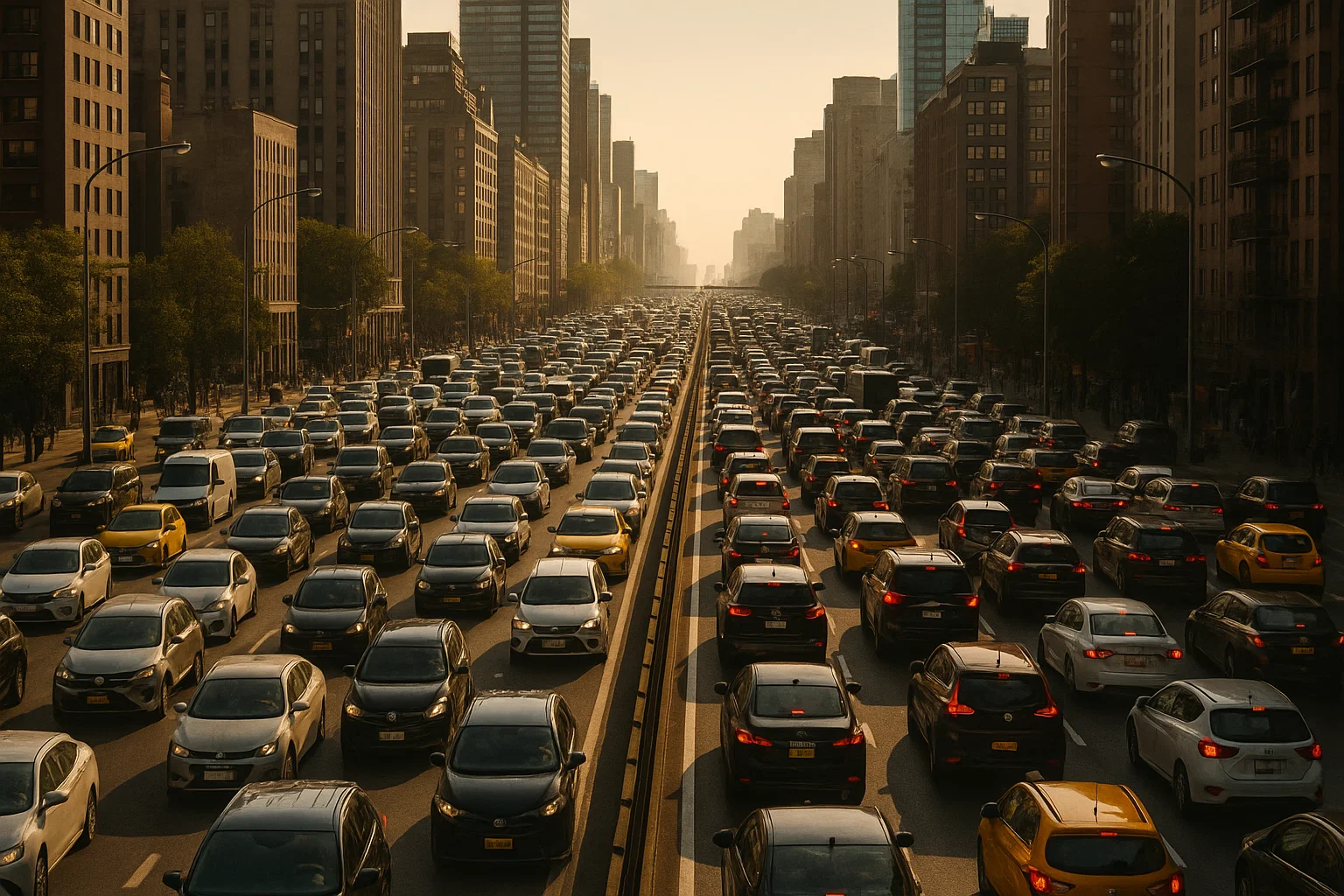
Studies show that urban consumption can be 30-50% higher than stated. But it is enough to revise a few habits, and the situation changes noticeably.
Top 7 Ways to Save Fuel in the City
1. Smooth Acceleration and Careful Braking
Each sharp press on the gas pedal increases instantaneous consumption by up to 40% over a short distance. The optimal acceleration is smooth, approximately 2-3 seconds to reach 30 km/h.
Stops should also be made in advance, using inertia - the less you work the brakes, the less fuel you burn.
2. Use Cruise Control Where Possible
Even in the city, there are sections with uniform movement - embankments, ring roads, long avenues. Cruise control keeps the speed stable, and electronics meter fuel more accurately than the driver. Savings - 5-8%.
If there is no cruise control, try to keep the revs even without "swings."
3. Turn Off the Engine During Long Stops
Modern engines are not afraid of frequent starts - the myth of severe wear has long been debunked.
If the downtime is longer than a minute - in a traffic jam, at a store, in front of a closed railway crossing - it is better to turn off the engine.
Three to five minutes of idling "eats" as much fuel as an extra 1.5 kilometers of travel.
4. Monitor Tire Pressure
Underinflated tires create increased resistance and can increase consumption by 2-3 liters per "hundred."
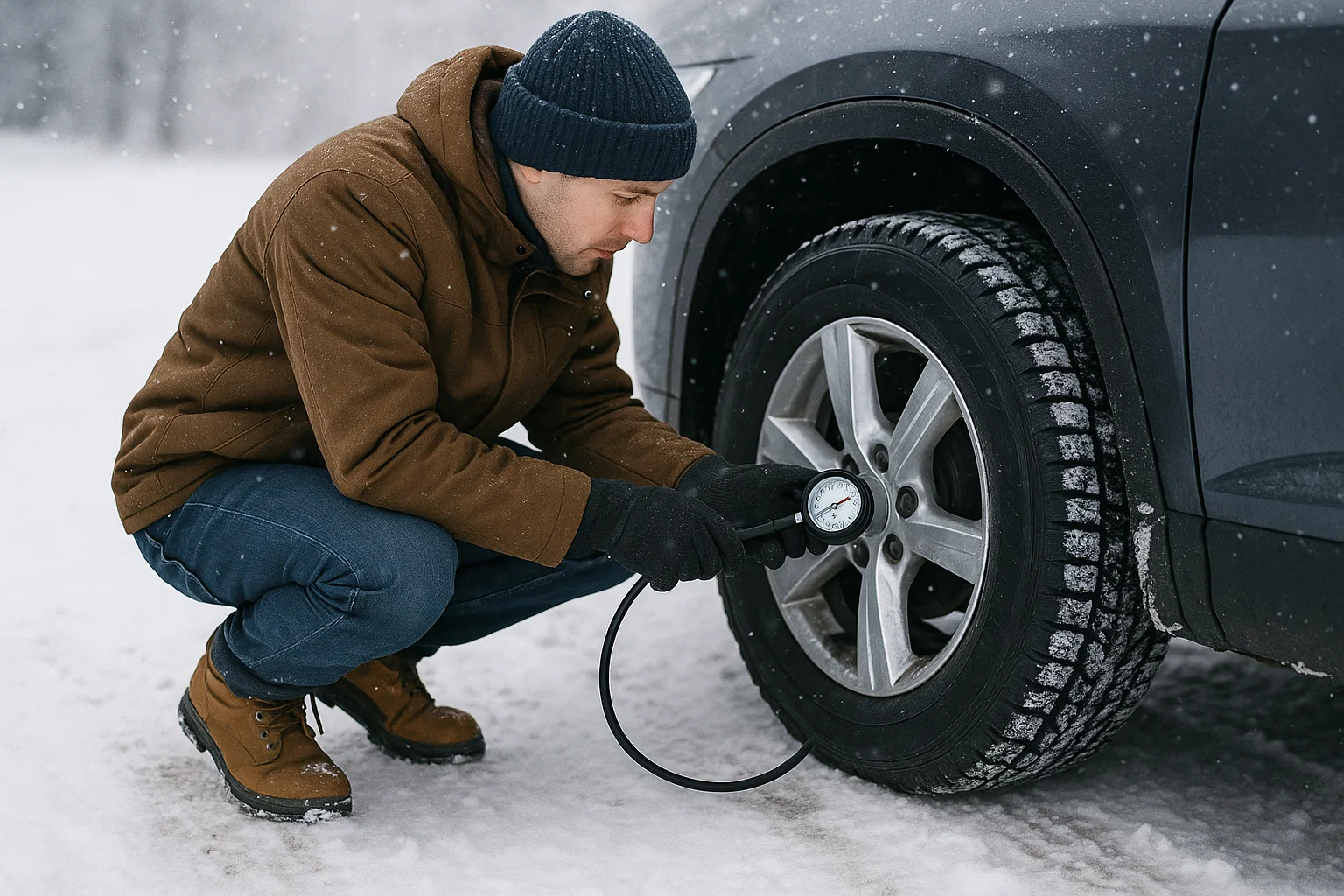
Check the pressure once a week in the morning. When fully loaded, it is permissible to slightly raise the pressure relative to the norm.
5. Get Rid of Excess Weight
Every extra 50 kg in the trunk increases consumption by approximately 2%.
Only the necessary things should remain in the car: a first-aid kit, a minimal set of tools, a tow rope, windshield washer fluid. Everything else is unnecessary ballast.
6. Plan Trips in Advance
A navigator is not only tips on traffic jams. A correctly selected route helps to reduce downtime and the number of "acceleration - braking" cycles.
Sometimes a small detour turns out to be more economical than crawling in a dense traffic jam for 40 minutes.
Use services with online traffic: "Yandex Navigator", Google Maps, Citymapper, etc.
7. Turn Off Unnecessary Energy "Eaters"
Air conditioning, seat heating, powerful halogen headlights - all this creates a load on the generator and increases consumption.
In warm weather, you can do without air conditioning or use milder climate modes.
The savings are small - about 5%, but significant in total.
How Much Can You Save in Practice?
Let's take the average city consumption - 12 l/100 km.
By implementing all the recommendations, you can achieve 8-9 l/100 km.
If you drive 1000 km per month in the city:
(12 - 9) × 10 = 30 liters of savings, which is approximately 1,800-2,100 rubles (at the average price of AI-95).
Per year, this is an amount comparable to a full maintenance or a mini-trip for the weekend.
Economical driving is not a boring style, but a competent approach to the operation of the car and expenses. Small changes in habits give a noticeable result in just a few days.
Read more materials on the topic:
- Updated UAZ "Patriot" 2026 with a diesel engine: first test drive
- Cars with two engines: madness or genius?
- SKYACTIV-X: how Mazda made a gasoline engine think it was a diesel
Комментарии