Imagine that your car's engine is a living organism that needs proper nutrition. Now imagine two chefs. One is an old master, cooking "by eye", the other is a high-precision machine, working according to a digital recipe. Can you guess which one is a carburetor and which one is an injector? It was the mechanical cook of the past that gave way to the electronic chef. And here's why.
How the classic carburetor worked
The carburetor is a completely mechanical system built on the Venturi effect. Air, entering a narrow section of the diffuser, accelerates, the pressure drops - and gasoline is sucked from the float chamber, mixing with air. No electronics, just physics and a set of simple parts: a float, jets, dampers.
Why the carburetor was good:
- simplest device - can be repaired literally in the field;
- dirt-cheap spare parts;
- tolerates gasoline of any quality.
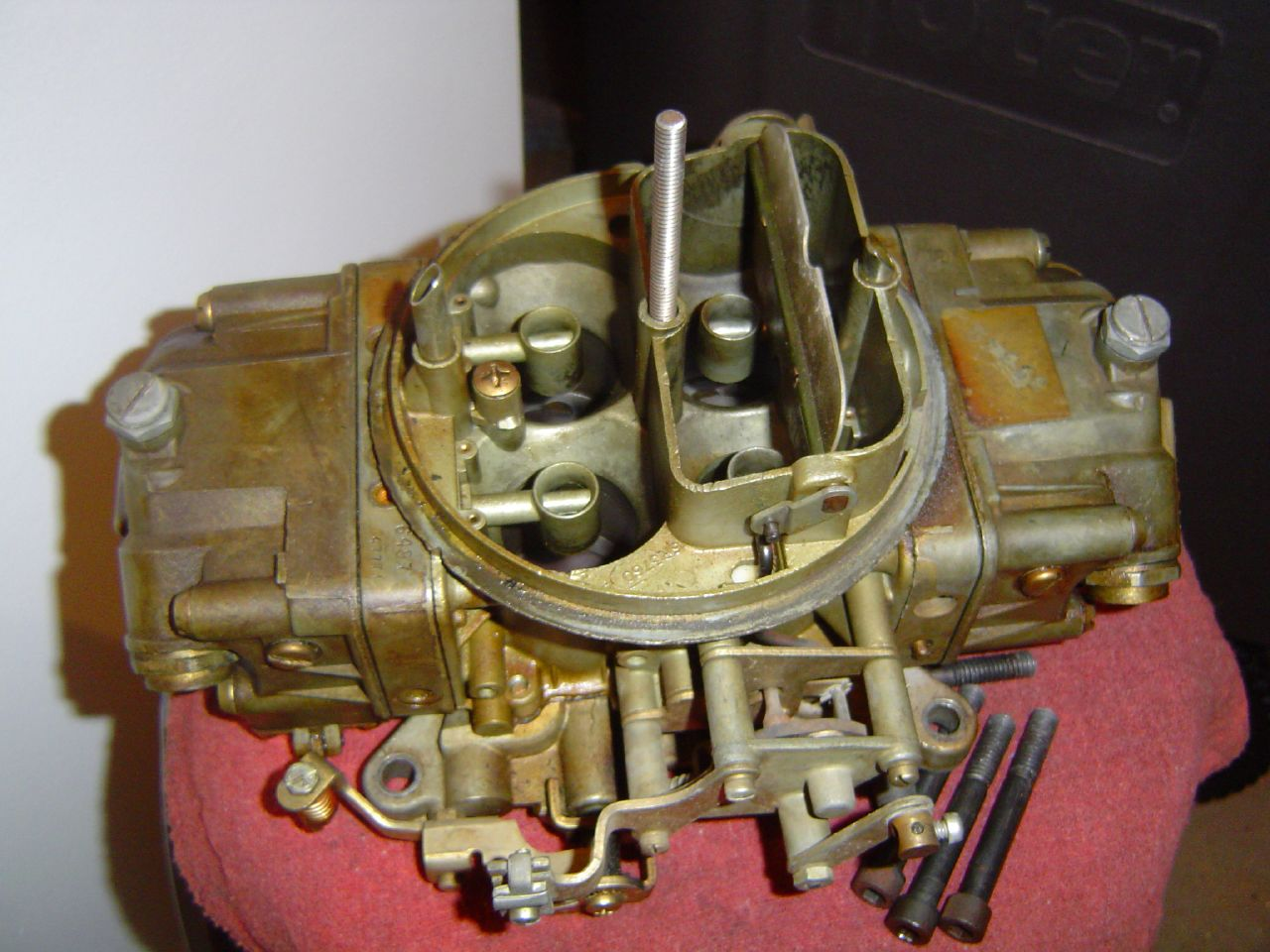
But the weaknesses were inherent in the idea itself. Accurate fuel metering is impossible: during acceleration, when cold, at idle, the mixture is always far from ideal. The engine consumes more gasoline, loses traction, and unburned fuel flies directly into the atmosphere. In winter, the "choke" turned starting into a morning ritual.
How the injector works - a modern way to feed the engine
The injector is already a whole digital ecosystem. At the head is the ECU, the electronic brain, which receives data from sensors: air flow, temperature, speed, throttle position. Based on these signals, it commands the injectors - mini-valves that inject a precisely calculated portion of fuel.
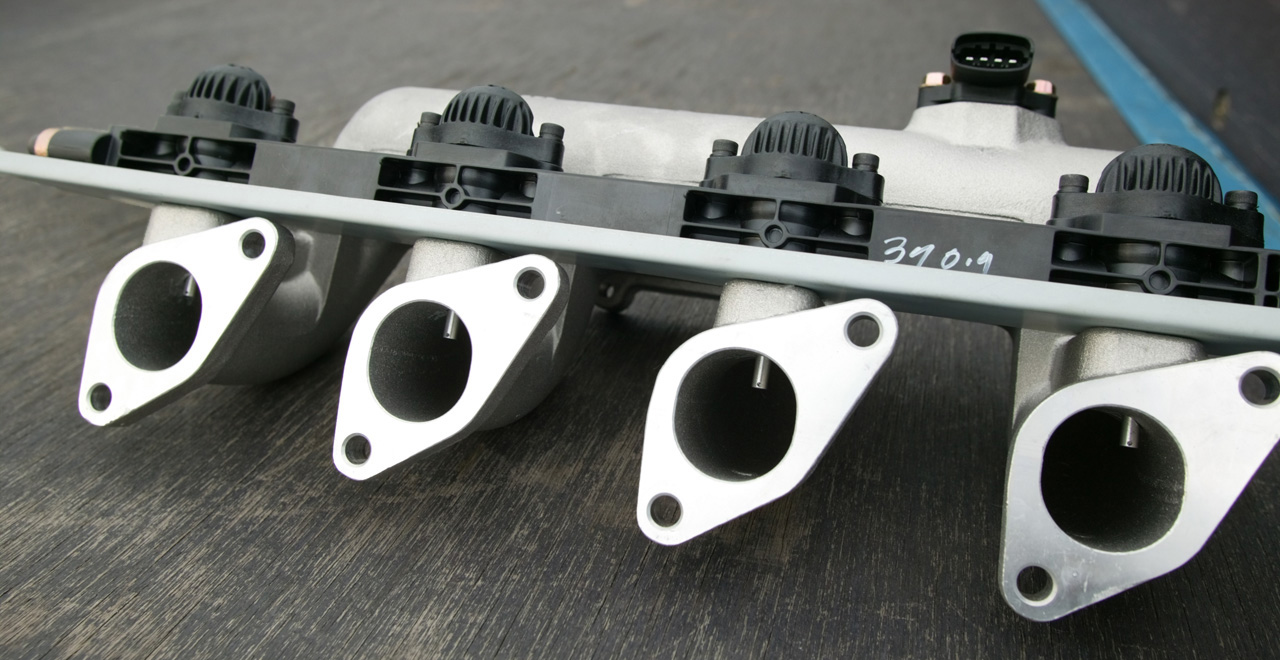
The injection comes in the form of a fine aerosol, and the opening time of the injector is calculated to milliseconds. Therefore, the mixture is perfect in any situation - acceleration, warm-up, frost, heat.
The result is a stable start, smooth engine operation and a noticeably cleaner exhaust.
Why the injector won completely
This revolution happened for three key reasons:
- Ecology. Increasingly stringent toxicity standards (Euro-2, Euro-3 and above) became a death sentence for the carburetor. It is physically unable to provide such exhaust cleanliness.
- Efficiency. The injector consumes less fuel because it does not pour gasoline "with a margin", like a carburetor.
- Comfort and reliability. No chokes, adjustments or whims. Just turn the key - and drive.
Carburetors survived only in niche equipment - on motorcycles, lawn mowers, old cars - where simplicity and price are more important than ecology and efficiency.
The carburetor is a brilliant but outdated solution of the era of pure mechanics. It gave the cars of the XX century character, but progress offered a more accurate, cleaner and more convenient way to supply fuel. The injector did not "kill" it - it just turned out to be more efficient. And the world chose the best.
Read more materials on the topic:
- Cars with two engines: madness or genius?
- SKYACTIV-X: how Mazda made a gasoline engine think it was a diesel
- Why do cars have fuel tank hatches on different sides?
Комментарии