The history of the Volkswagen Beetle is not just the journey of one model, but a true automotive epic spanning almost a century. For post-war Germany, it became a symbol of revival and hope, and in the 60s, it transformed into a car of freedom and protest, beloved by hippies. When the New Beetle appeared in 1998, the public greeted it with enthusiasm: in a world of increasingly faceless cars, people longed for emotions and nostalgia.
But the third, and final, generation of the Beetle, which debuted in 2011, found itself in a difficult role. It was no longer a cute designer souvenir, but an attempt to create a fully-fledged modern car with a legendary name. It was made stricter, sportier, and more serious. However, it was this "adult" Beetle (2011-2019) that was destined not to continue the triumph, but to end the model's history. Why did this happen?
Between Nostalgia and Reality: The Path to Adulthood
By the end of the 2000s, it became obvious that the image of the New Beetle from the 90s was outdated. The buyer was no longer satisfied with just a cute design - comfort, handling, technology, and at least minimal practicality were required. The design team, led by Walter de Silva, faced a daunting task: to preserve the spirit of the original Beetle, but to get rid of the "toyishness."
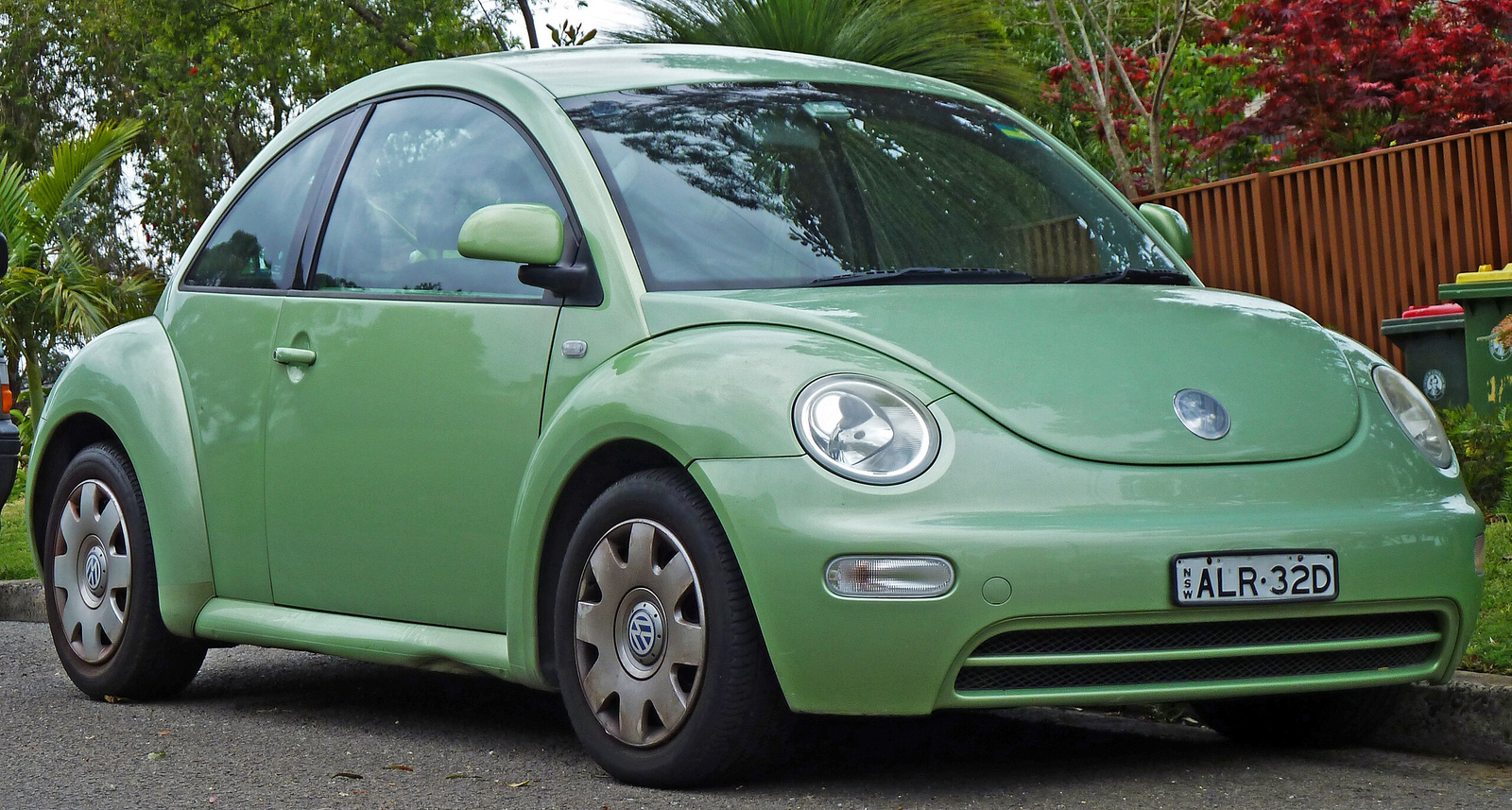
Inspiration was sought not in the 1998 version, but in the very first "Beetle" of 1938, created by Ferdinand Porsche. As de Silva later said, the goal was to return to the roots: the car had to become more dynamic and masculine, without losing its historical identity.
The result was surprisingly accurate. The new Beetle noticeably approached its ancestor: the roof became longer and lower, the hood became almost horizontal, and the wheels, placed at the corners of the body, gave the silhouette stability and visual dynamics. The famous flower vase, a symbol of the kitsch era, disappeared from the interior. In its place, a compact additional glove compartment appeared, referring to the classic Beetle. The trim materials became stricter and of higher quality. The car clearly "matured" and began to flirt not only with fans of cute design, but also with men who appreciate character and history.
The World Changed Faster Than Expected
However, by 2011, the automotive market was already living by different laws. The retro wave had subsided, and crossovers were rapidly coming to the fore. Volkswagen itself was increasingly associated with rational, restrained models like the Golf. In this context, the new Beetle found itself between two worlds: too emotional for a pragmatic brand and not unique enough to become a cultural phenomenon.
The presentation went well, but without the previous hype. The public perceived the model more as an interesting product than as an event.
What Was Under the Hood: An Adult Character
To match the new image, the Beetle also received the appropriate technical equipment. It was based on the proven PQ35 platform from the Golf VI. Simply put, in terms of road behavior, it was almost a Golf, but in an unusual body.
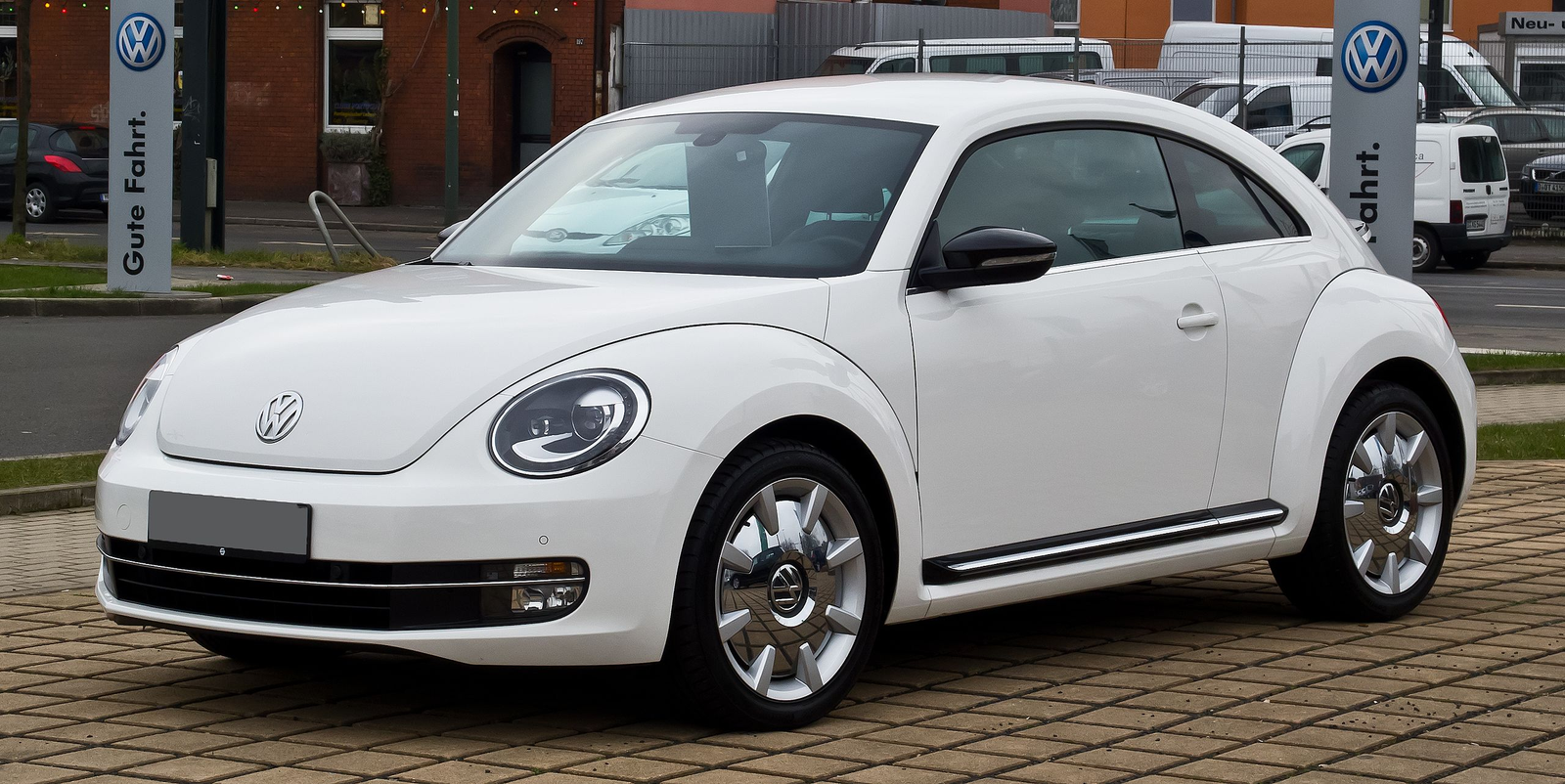
The car acquired an independent suspension at the front and rear, a precise electric power steering and a high level of safety. It ceased to be a "toy": the Beetle became assembled, stable and confident in corners.
The engine range included familiar VAG group units:
- basic 1.2 TSI (105 hp),
- more cheerful 1.4 TSI (150 hp),
- 2.0 TSI with a capacity of 200 hp.
For enthusiasts, in 2013, an R-Line version with 210 hp and all-wheel drive appeared - a direct claim to compete with hot hatches like the Ford Focus ST. There were also diesel versions. Gearboxes - manual or robotic DSG.
Technically, it was a modern, and in some places even exciting, car. But this is where the key problem lay.
The Trap of the "Golden Mean"
A buyer looking for a practical and logical hatchback chose the Golf - spacious, comfortable and versatile. The same person who wanted emotions and bright individuality more often looked towards the MINI Cooper with its kart-like handling and holistic image.
The last Beetle got stuck in the middle. It became much better to drive than its predecessor, but it was inferior to the MINI in terms of sharpness of sensations and the Golf in terms of rationality. As auto experts rightly noted, it lacked that very "spark" for which buyers are willing to turn a blind eye to shortcomings.
The Finale of the Legend: Time Has Passed
The first years of sales looked promising, especially in the USA and Europe. However, the nostalgia effect quickly dried up. If the New Beetle in its best years was sold in the USA in circulations of about 90 thousand cars a year, then the third generation barely reached 30 thousand.
By the mid-2010s, the situation became obvious: the era of crossovers, the tightening of environmental standards and the consequences of dieselgate left no chance for a three-door hatchback with gasoline engines. Against the background of Tiguan, T-Roc and future electric vehicles, the Beetle looked like a guest from the past.
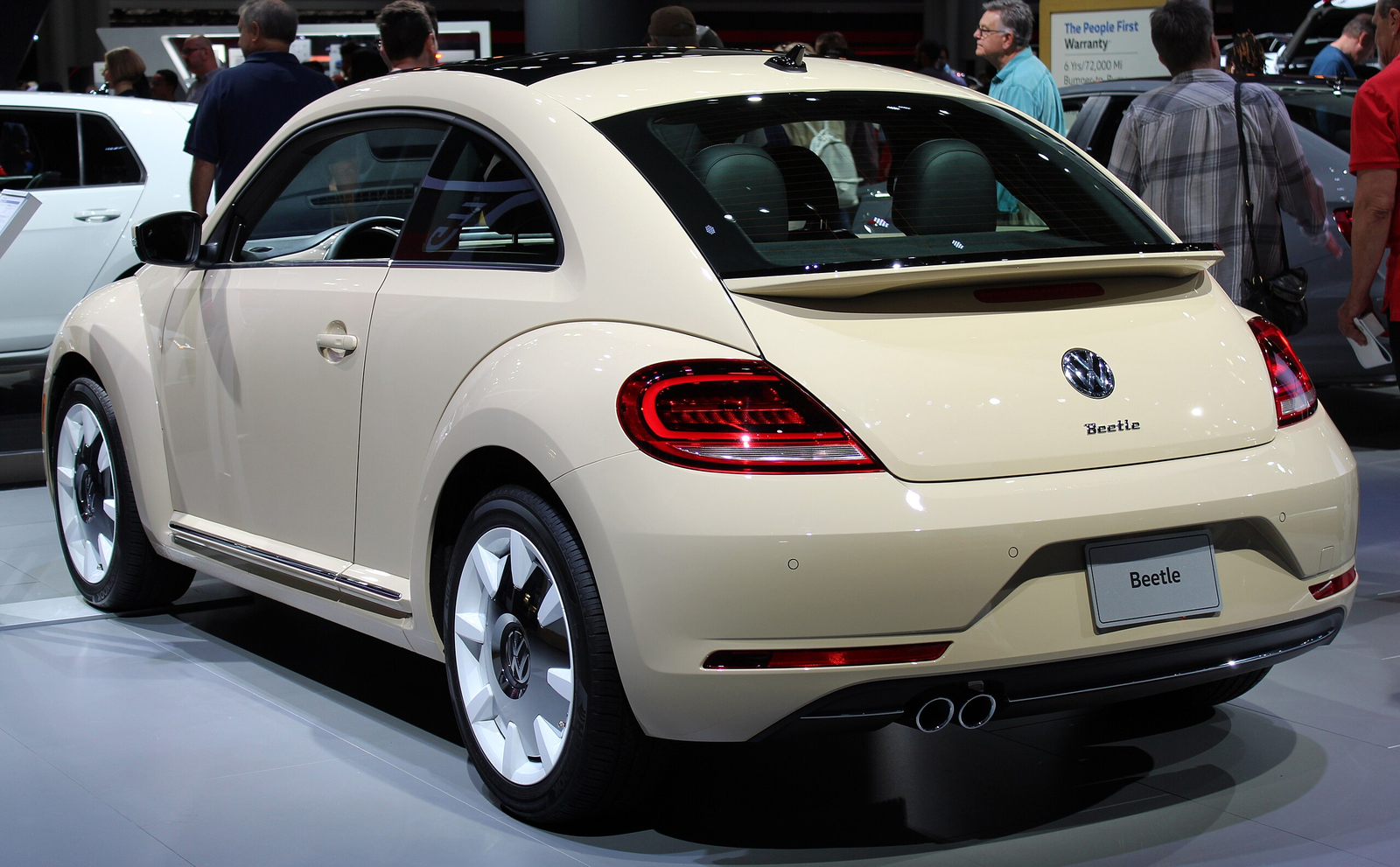
In 2018, Volkswagen officially announced that the A5 generation would be the last. Production ended in July 2019 at the plant in Puebla, Mexico. The farewell versions were the Final Edition in coupe and convertible bodies. The management of the concern honestly admitted: resources are needed for electric vehicles and SUVs, and not for nostalgic projects.
A Beautiful But Belated Attempt
The last Volkswagen Beetle was a good car - stylish, high-quality and pleasant to drive. But it did not appear in its time. The world has changed, and buyers' tastes have shifted towards practicality and versatility.
He could not become "popular" again, because the people chose crossovers. It did not become a cultural phenomenon, because magic cannot be repeated twice. His departure turned out to be quiet, a little sad, but honest.
Beetle left with dignity, putting an end to his own legend and remaining in memory exactly as a symbol should be - unique, recognizable and inimitable.
Read more materials on the topic:
- Italy Showed Peralta S with a Design in the Spirit of Maserati Boomerang
- A Dream Come to Life: An Eight-Year Path to the Ideal GAZ-24
- Updated UAZ "Patriot" 2026 with a Diesel Engine: First Test Drive
Комментарии