From January 1, 2026, the European Union will fully implement the Carbon Border Adjustment Mechanism (CBAM), aimed at aligning the cost of carbon emissions from imported goods with domestic carbon prices. The Chinese Ministry of Commerce promptly responded to the EU initiative, expressing concern about the potential increase in export costs and the discrepancy with the actual emission intensity of Chinese enterprises.
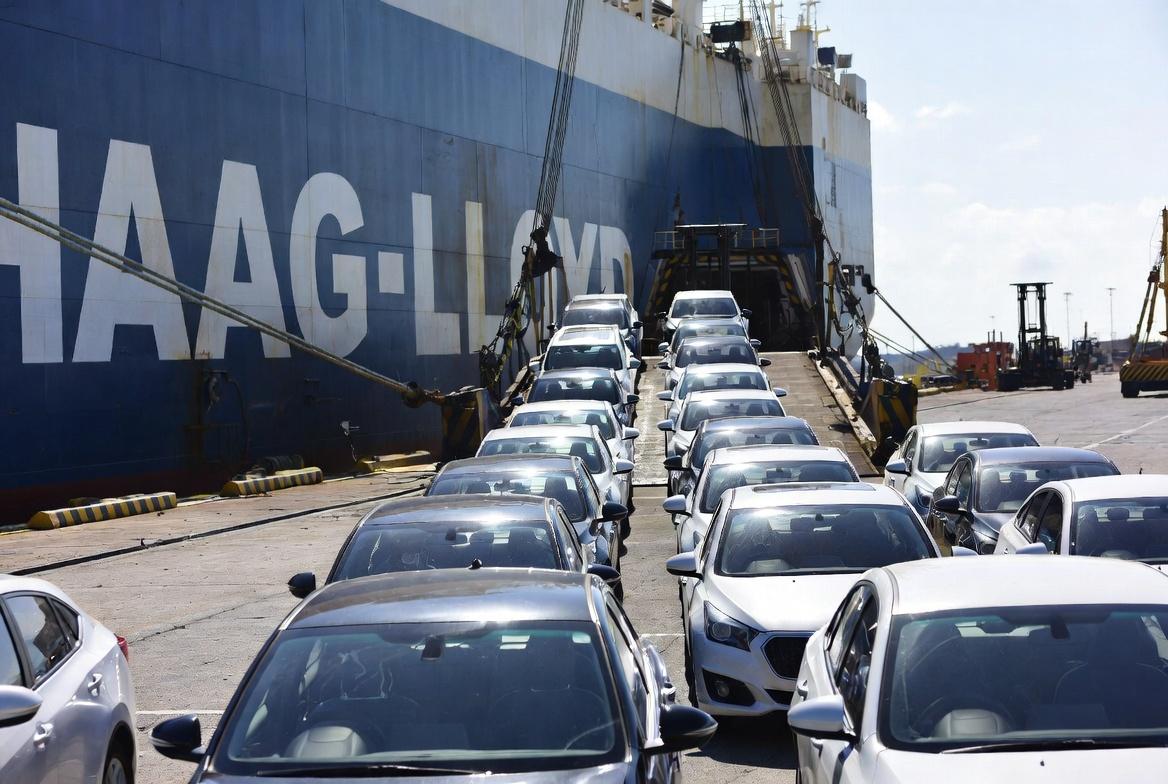
CBAM initially covered primary materials such as steel and aluminum, but by 2028, the EU plans to extend it to finished cars, auto components, and household appliances. For Chinese automakers, this means stricter requirements for accounting for emissions throughout the product lifecycle, data disclosure, and independent verification. In the absence of confirmed information, default emission values are applied, which can significantly increase export costs to the EU.
The Chinese Ministry of Commerce emphasized that the current default carbon intensity values significantly exceed the average emission level in Chinese industry and do not take into account the actual emission reduction trajectory. The ministry noted that this approach could put disproportionate pressure on developing countries participating in global production chains.
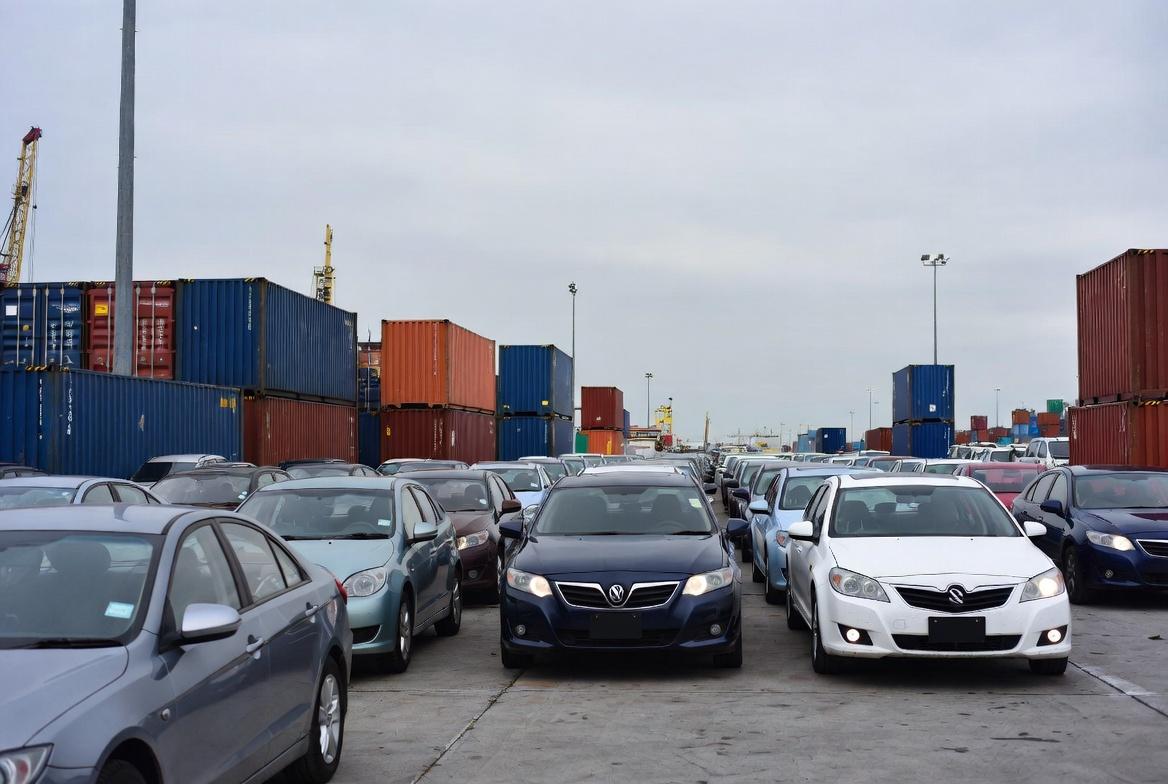
China also expressed concerns about the consistency of the EU's climate and trade policies. The new CBAM requirements coincide with the EU's phased plan to decommission internal combustion engine (ICE) vehicles by 2035, which, according to Beijing, creates potential conflicts between the EU's domestic climate initiatives and cross-border trade practices.
At the same time, China reaffirmed its readiness to cooperate with the EU in the field of low-carbon development and climate change, but also declared its intention to protect the interests of domestic enterprises. This includes measures to ensure the stability of industrial and logistics chains and to counter trade measures that the country deems unfair.
For Chinese automakers and component suppliers, CBAM is becoming a key factor in strategic planning. The increasing importance of disclosure and independent verification of the carbon footprint increases the role of transparency and accuracy of data when exporting products to Europe. Companies are forced to adapt production processes and documentation to meet the new requirements.
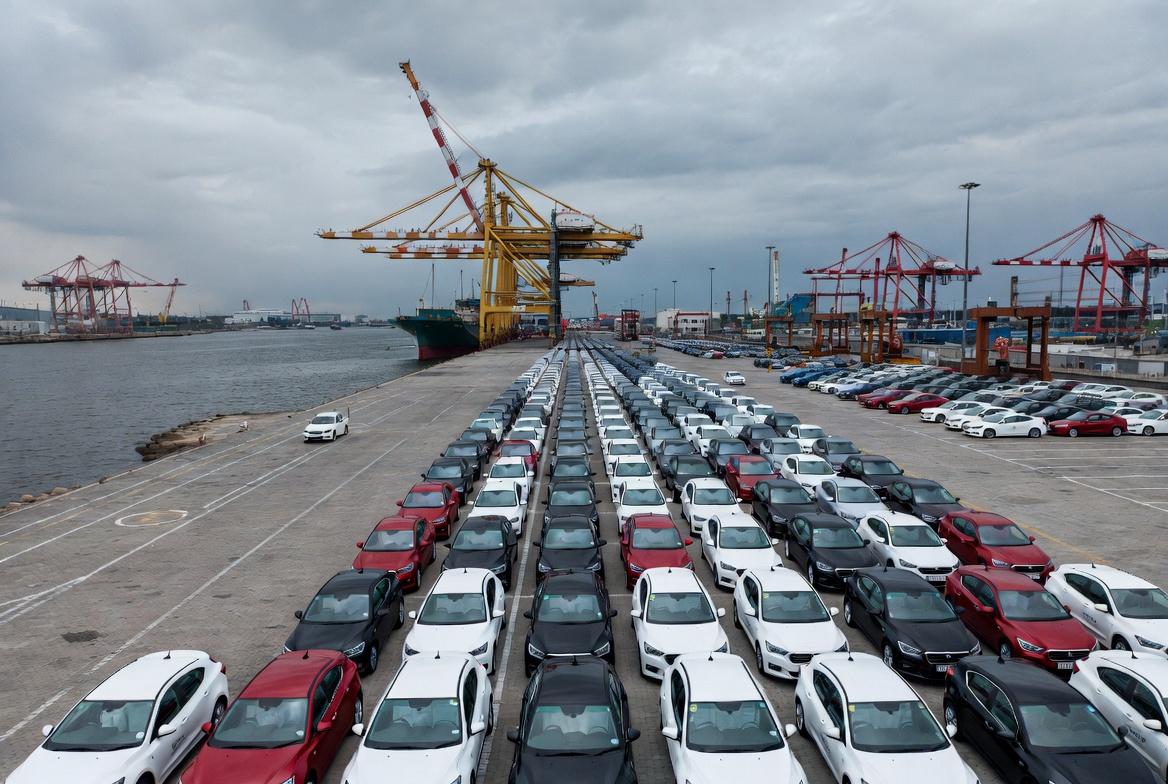
The introduction of CBAM from 2026 and its extension to cars from 2028 creates a new climate for international trade in the automotive industry. It remains only to observe how this will affect end users.
Read also:
- AvtoVAZ Officially Explains Which Gasoline to Use in Lada
- Moskvich Announces Prices for the Moskvich 6 Sedan of the 2026 Model Year
- Tank Raises Prices for the Entire Model Range in Russia: Tank 500, 700, and 400 Become More Expensive