For motorists, the new year is increasingly beginning not only with updated calendars, but also with revised price tags for MTPL and comprehensive insurance. And while tariff increases used to be explained by a variety of factors, today insurers in different countries are increasingly converging on one wording for the reason — "parts." They have become the key element in the chain that directly affects the cost of policies.
The European perspective: the experience of "prosperous" markets
The situation Russian drivers are facing is not unique at all. Switzerland is a revealing example. The country’s largest insurance companies, including Generali, Zurich, and Allianz, are already openly stating that rates will be increased in 2026. The main explanation is stated with utmost directness: the cost of vehicle repairs has risen too sharply to maintain the previous level of insurance premiums.
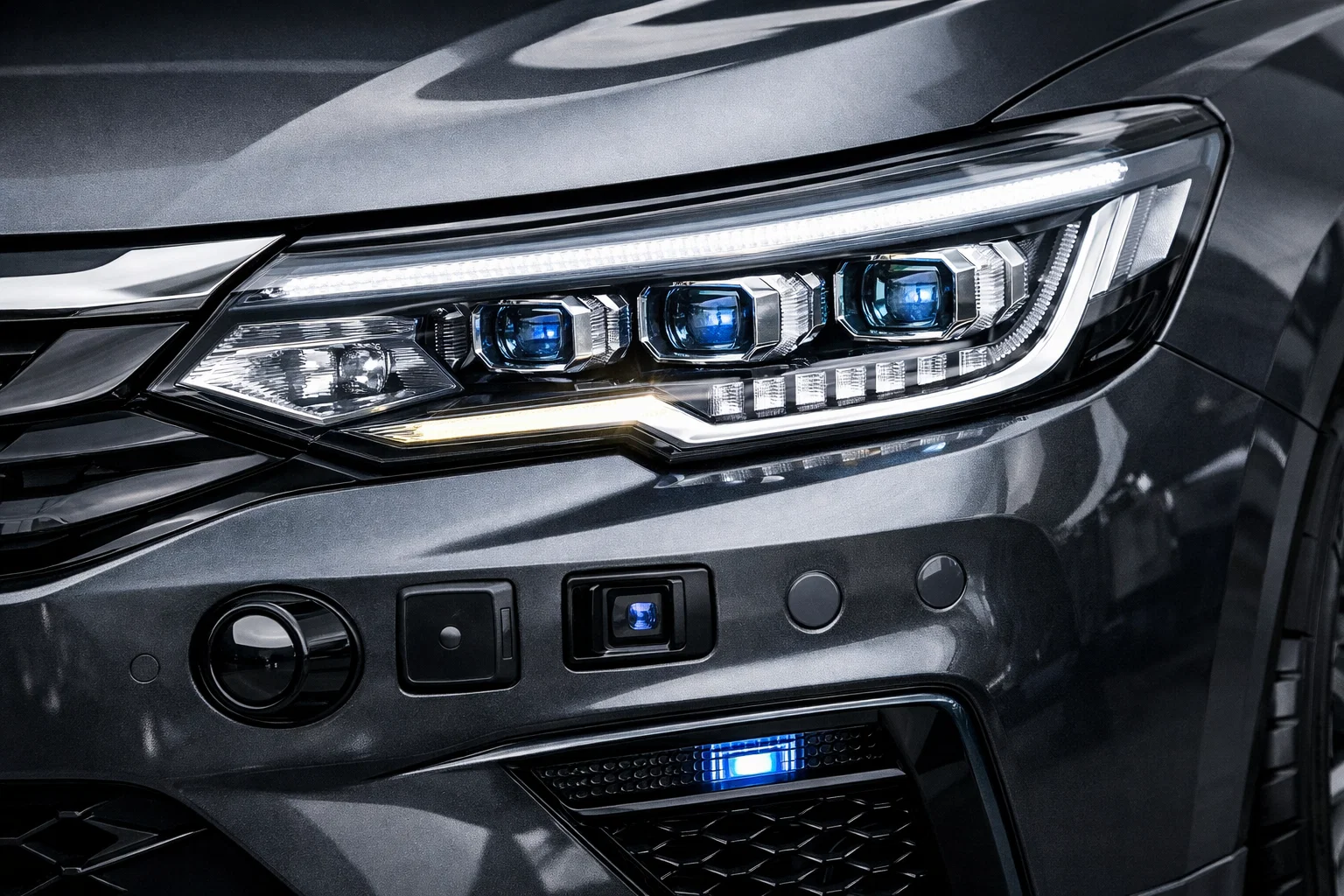
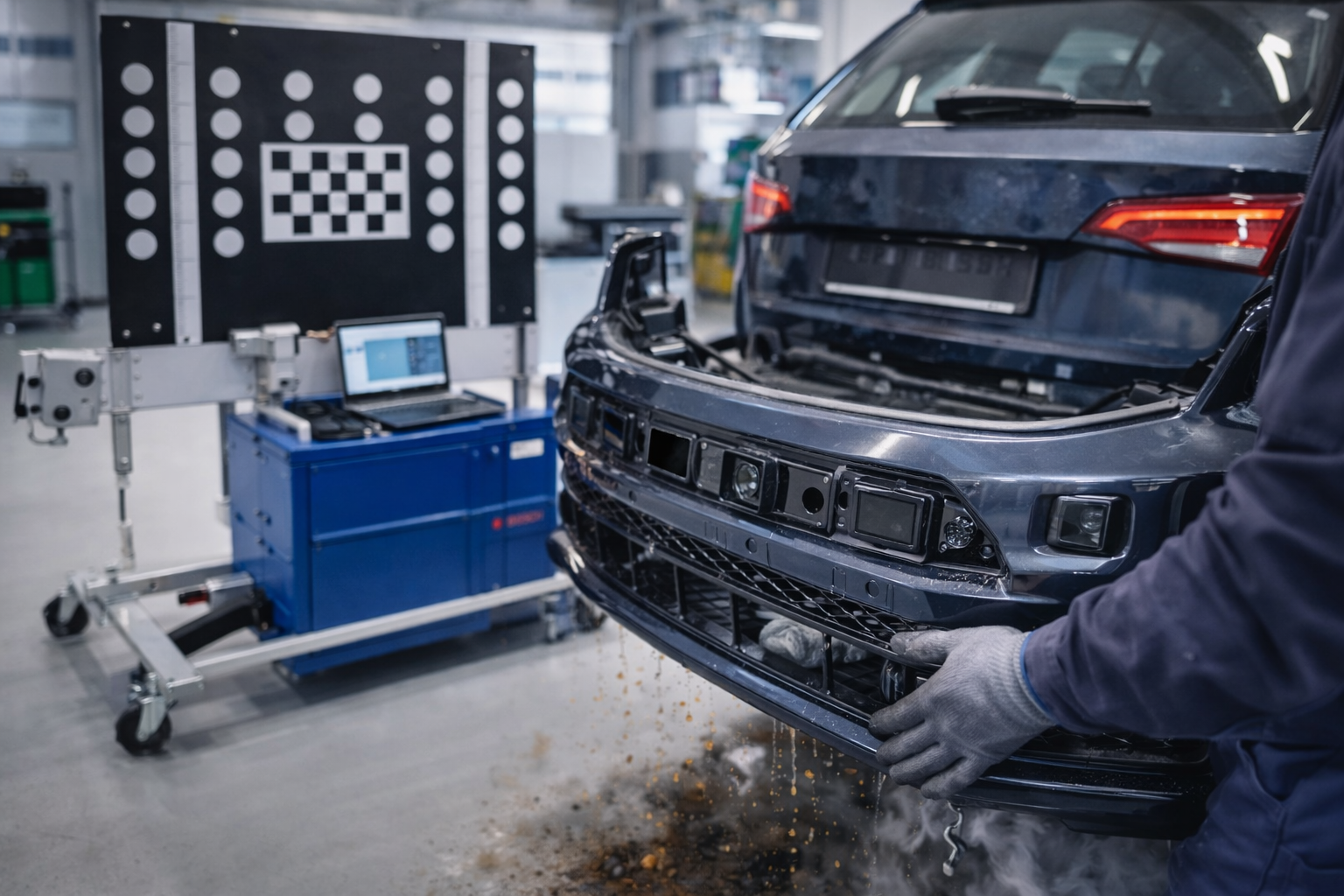
The reason for this increase lies in the cars themselves. Modern models are less and less limited to simple mechanical units. Replacing an LED headlight or a windshield today means not only buying an expensive part, but also mandatory calibration of driver assistance systems. Cameras, sensors, and radars require precise adjustment, without which the car simply will not be able to function properly.
Insurers describe this process with the term claims inflation — "claims inflation." It means that each individual insured event is becoming more expensive. To avoid falling into the red, companies are forced to offset this growth by increasing insurance premiums.
Russian reality: the same causes, with local nuances
In Russia, the logic is the same, but with local specifics. According to the Russian Union of Motor Insurers, in 2026 the average cost of an MTPL policy will increase by 5–8%. And here as well, parts remain the key factor.
In the structure of MTPL payouts, the share of spending on parts reaches about 80%. This means that any increase in the cost of components automatically becomes the main driver of tariff growth. An additional factor is the increasingly individualized approach to calculating policy costs. Insurers take into account not only the history of a specific driver, but also the potential repair price of the very model they drive.
The comprehensive insurance segment is under even stronger pressure. On average across the market, an increase of 10–20% is forecast, while for premium cars and electric vehicles the rise may reach 25–30%. A characteristic example is popular crossovers, whose repair costs have increased by 30–50% in just two years. These figures are directly built into the cost of insurance.
Why parts have become the key problem
The main transformation of recent years is the departure from simplicity. A modern car increasingly resembles a computer on wheels. Sensors, cameras, and radars are integrated into bumpers, mirrors, and lighting units. Even minor body damage may mean replacing an entire set of electronic systems rather than a single plastic element.
The second factor is import dependence and logistics. Localization of parts production is progressing slowly, while prices for imported components and their delivery remain high. This applies not only to European models, but also to cars from Chinese brands, which are formally considered more affordable.
Finally, the policies of automakers themselves also play a role. Experts increasingly note that the parts market has become a high-margin business. This is a global practice that directly affects repair costs and, consequently, insurance rates.
What this means for car owners in practice
The increase in policy prices is only the most visible part of the changes. Insurers are increasingly insisting on restorative repair instead of cash compensation, seeking to control expenses and the final cost of work. The claims settlement process is becoming longer and more complicated.
At the same time, even owners of older cars do not come out ahead. Repairs for older vehicles are also becoming more expensive — driven by growing demand for major work and the possible tightening of requirements for the technical condition of such cars.
How to adapt to the new reality
It is impossible to influence global trends, but it is possible to adapt to them. First of all, it makes sense to compare offers from different insurance companies. The difference in comprehensive insurance prices among different market players can reach 40–60%, so automatic policy renewal is increasingly turning out to be unprofitable.
Another option is to pay attention to so-called "boxed" products. For careful drivers, there are reduced comprehensive insurance programs, for example with coverage only for theft or total loss of the vehicle, as well as "50/50" format schemes. They are noticeably cheaper than classic policies.
Finally, the conscious choice of vehicle is playing an increasingly important role. When buying, it is worth assessing in advance not only the price of the car itself, but also the future cost of insurance, as well as the availability and prevalence of parts for a specific model.
The rising cost of insurance is not a whim of companies and not a local peculiarity of individual markets. It is a reflection of a new reality in which cars have become technologically complex and expensive to repair. Europe, Russia, and other countries are moving in the same direction, and MTPL and comprehensive insurance are becoming part of a global trend. Under these conditions, the driver’s main task is to understand the reasons for what is happening and choose a strategy that will minimize costs without losing a reasonable level of protection.
Read more materials on the topic:
- The holiday is coming to us? What changed for drivers starting January 1, 2026
- Three thousand questions and rising prices: what driving school students should expect in 2026
- VAT rose to 22%: cars in Russia will become more expensive as early as January
Комментарии