Translated with AI from the Russian original.
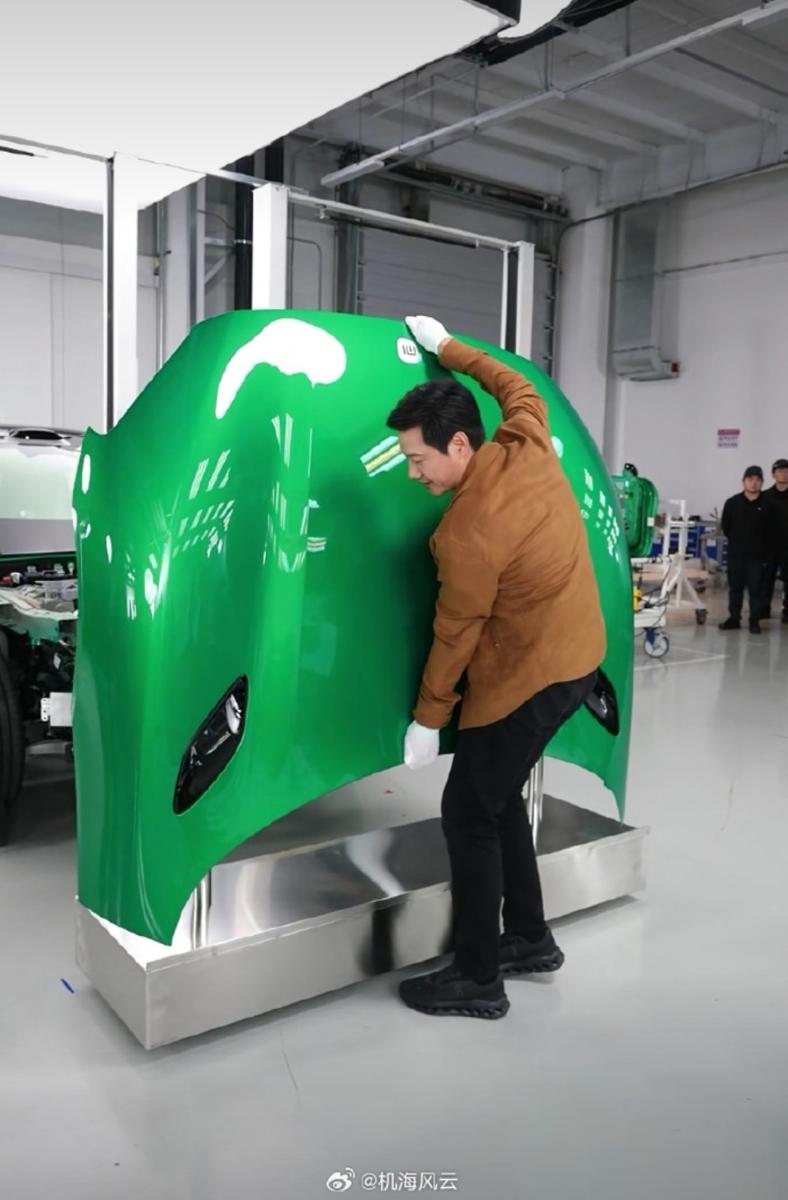
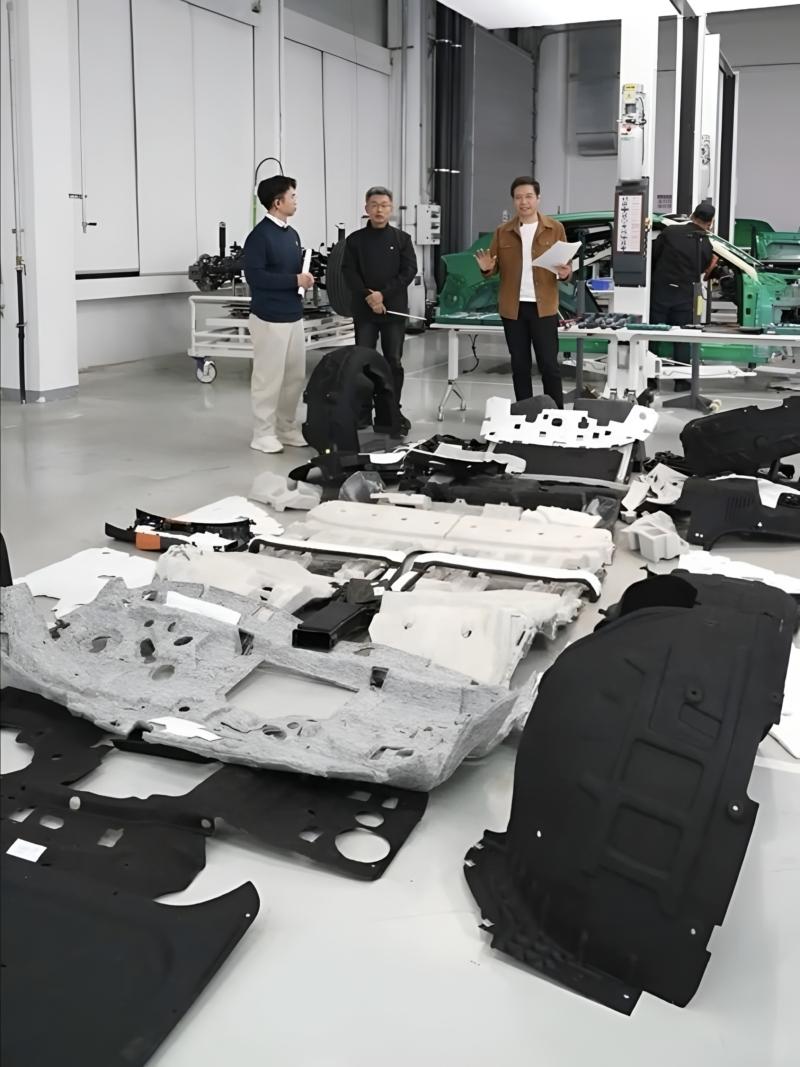
Xiaomi founder and CEO Lei Jun conducted a large-scale live broadcast, during which the company's engineers disassembled the new YU7 electric crossover directly on camera. The stream lasted about four to five hours and was a response to viral videos and discussions online regarding the characteristics and build quality of Xiaomi's second mass-produced electric vehicle. Lei Jun noted that the purpose of the broadcast was to showcase the engineering design and materials of the car, not just a PR stunt.
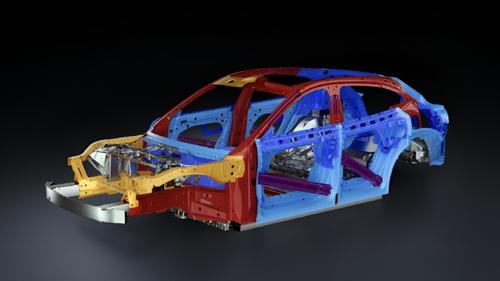
During the broadcast, he systematically dispelled several widespread myths and misunderstandings. These included misinterpreted statements about the YU7's range, videos of "instant braking at 200 km/h," videos of allegedly detaching wheels, small print in advertising materials, and manipulations on social media. Lei Jun also elaborated on the build quality of the YU7.
One of the central points was clarifying the disputes about the range. Lei Jun clarified that his statement about "1300 kilometers" meant the range with one intermediate charge, not entirely on a single charge. Similarly, he explained the videos of "braking at 200 km/h" as the result of SU7 Ultra factory tests, incorrectly edited and taken out of context. He emphasized the importance of accurately understanding the tests and avoiding hasty conclusions.
Another controversial point concerned the detaching wheels. Lei Jun explained that this is part of the passive safety system designed to reduce pressure on the cabin and properly redistribute impact forces, not a defect in materials.
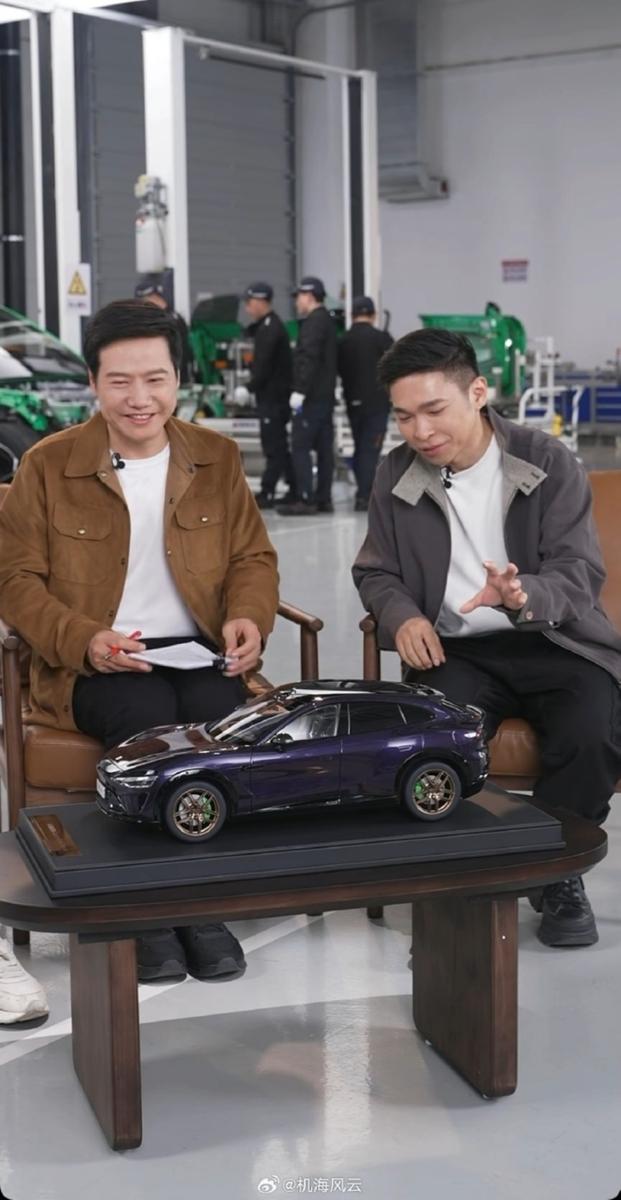
During the stream, engineers showed in detail the YU7's power structure, which uses high-strength 2200 MPa steel developed in collaboration with Wang Guodong's team. Lei Jun pointed out that comparing the YU7 with premium models costing 1–2 million yuan is incorrect and called for a fair assessment of the car in the mid-size crossover segment. He also responded to past disputes about small print in advertising, promising to correct the materials to avoid misunderstandings.
The stream started with comments turned off to avoid mass trolling, but the chat was later opened to viewers. Lei Jun repeatedly urged viewers to ask questions and assured that the company was ready to provide clarifications on any technical and organizational aspects of the YU7. This allowed users to directly interact with engineers and receive detailed answers to their doubts.
After the broadcast, Lei Jun clarified that the disassembled YU7 would be fully reassembled and undergo strict quality checks. However, this particular car will not be sold and may be used for tests or research. Lei Jun noted that the reassembly would not be broadcast, as the audience found it difficult to follow the disassembly in real-time.
The YU7 became Xiaomi's second mass-produced electric vehicle after the SU7 and immediately attracted attention with both its engineering solutions and videos online. The live disassembly was the company's first public step in providing a detailed explanation of materials, construction, and safety. Lei Jun also shared delivery statistics: in 2025, Xiaomi Automobile sold 410,000 cars, and the target for 2026 is 550,000, which, according to him, is an ambitious but achievable goal.
During the broadcast, the head of Xiaomi stated that the company will continue to work on marketing transparency to eliminate misunderstandings and misinterpretations of information about its electric vehicles.
Read more:
- AvtoVAZ Officially Explains Which Gasoline to Use in Lada
- Moskvich Announces Prices for the Moskvich 6 Sedan of the 2026 Model Year
- Tank Raises Prices for the Entire Model Range in Russia: Tank 500, 700, and 400 Become More Expensive