The logic of engineers in the matter of drive type is as simple as possible — the choice of a belt in the gas distribution mechanism drive is most often dictated by economic and structural considerations. Such a drive is cheaper to manufacture, and engines with it run smoother and quieter, creating less vibration. In addition, the use of a belt allows you to reduce the size of the engine and make it lighter. If you look at domestic cars or inexpensive models of Korean brands, you can see that belt drive is used there quite often.
The chain mechanism is chosen by manufacturers who focus on durability and the engine's ability to work in difficult conditions. The metal chain is located inside the engine and is constantly washed with engine oil. It is more difficult to damage, it tolerates high revs and temperature changes better. For a long time, it was believed that such a drive could serve the entire life of the engine. However, modern designs have significantly changed this picture.
Timing Belt: Affordable, but Not Without Risk
The main advantage of belt drive is its low maintenance cost. A set of high-quality belts with rollers can be purchased today for approximately 6–8 thousand rubles. Replacement in a regular service costs about another 5 thousand. Thus, for about 13 thousand rubles, the owner gains confidence for the next 60–90 thousand kilometers of mileage.
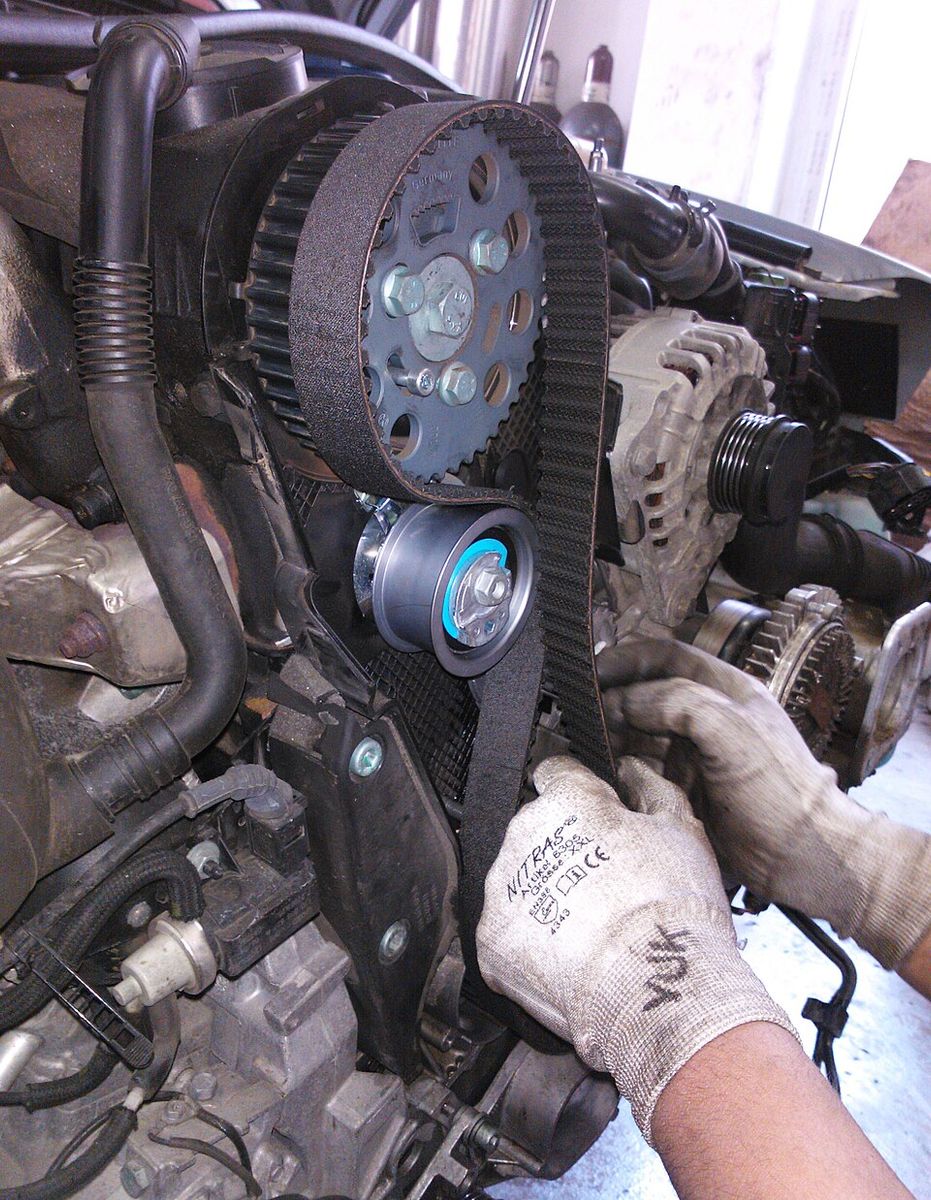
The main problem with the belt is its vulnerability and unpredictability. If engine oil gets on it, for example, from under the oil seal, or coolant from a faulty pump, the belt can break at almost any moment. For most modern engines, the consequences of such a break are serious: the pistons collide with the valves, after which the owner has to pay for expensive cylinder head repairs. That is why experts advise regularly checking the condition of the belt, at least every 15 thousand kilometers of mileage, looking under the protective cover.
Timing Chain: The Illusion of Eternal Resource
Previously, as a rule, a buyer of a car with a timing chain expected that this unit would only have to be addressed after 200 thousand kilometers of mileage. However, modern chains are significantly different from those that were installed before. They have become thinner, which is why many mechanics even compare them to bicycle chains. Over time, such a chain can stretch.
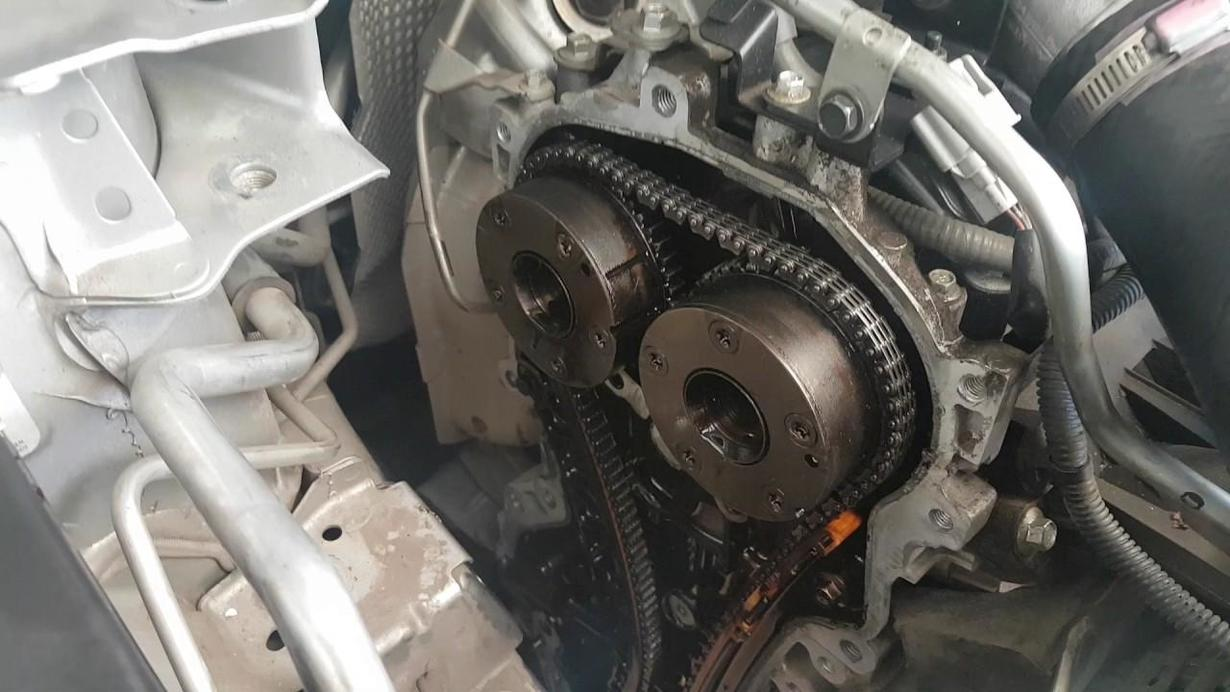
When stretching occurs, the gas distribution phases are disrupted. The driver notices that the car is losing dynamics, fuel consumption is increasing, and a characteristic metallic ringing appears on a cold start. At the same time, replacing the chain drive is much more expensive than the belt drive. For example, a set of original parts in Chery, which put the chain drive in the Chery Tiggo 7 Pro — including tensioners and dampers — is estimated at approximately 30 thousand rubles. Replacement work is also more difficult, as a significant part of the engine has to be disassembled and the attachments dismantled. As a result, the total repair amount often exceeds 60–70 thousand rubles.
What is More Reliable in Practice
If we assess the situation without illusions, there is no universal solution. Belt drive requires disciplined adherence to the maintenance schedule. A missed replacement period or an attempt to save money on rollers can lead to serious breakdowns and major expenses.
The chain mechanism inspires more confidence that it will not break suddenly, but it has its own vulnerability — sensitivity to the quality of engine oil. If you change the oil too rarely, for example, once every 15 thousand kilometers, or use cheap fluid, the hydraulic tensioner may become clogged, after which the chain begins to stretch already at about 100 thousand kilometers of mileage.
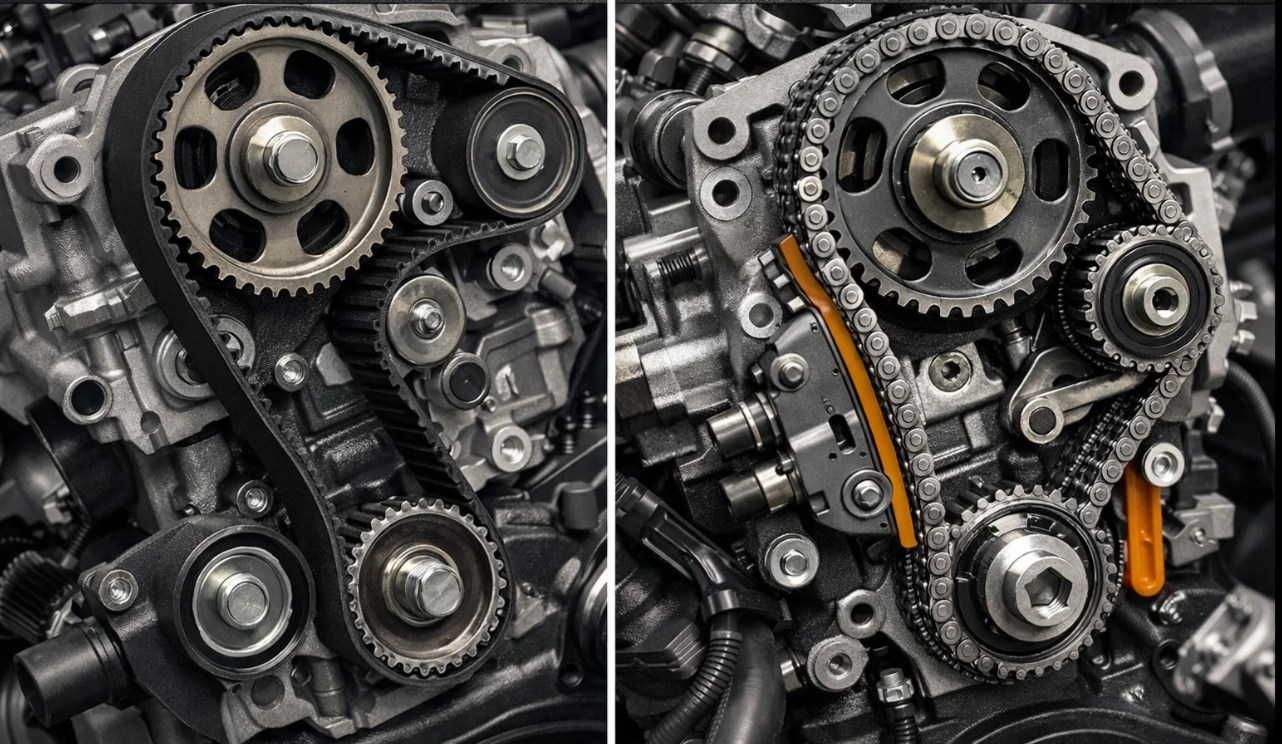
Today, many manufacturers are again actively using chain drive, hoping to attract buyers with promises of high reliability. But often such reliability turns out to be more of a marketing argument. For example, the Chinese company Great Wall installs chains on powerful Tank SUVs, but even in these cars, the gas distribution mechanism drive may require attention already at medium mileages.
When choosing a car, you need to consider not only the type of timing drive. It is much more important to understand whether the engine bends the valves in the event of a break and how much the original spare parts cost from official dealers. In modern conditions, when the cost of components is constantly growing, it is the maintenance costs that are increasingly becoming a decisive factor. Belt drive allows you to distribute maintenance costs in small amounts every few years, while the chain mechanism may require a rare but very large investment.
Read more materials:
- 7 reasons for the smell of exhaust gases in the car
- Drops from the exhaust pipe: normal or breakdown
- Selling a credit car: legal ways
Комментарии