When it comes to life on wheels, almost always the same question arises first: what to choose — a motorhome or a caravan? It quickly becomes clear that the deciding factor here is not so much the technology itself, but the format of future trips and the usage scenario.
It is easier to understand the differences if you first fix the basic definitions. A motorhome is a single structure where the chassis and living area are combined into one vehicle. A caravan, on the other hand, is a living trailer that is used in conjunction with a towing vehicle.
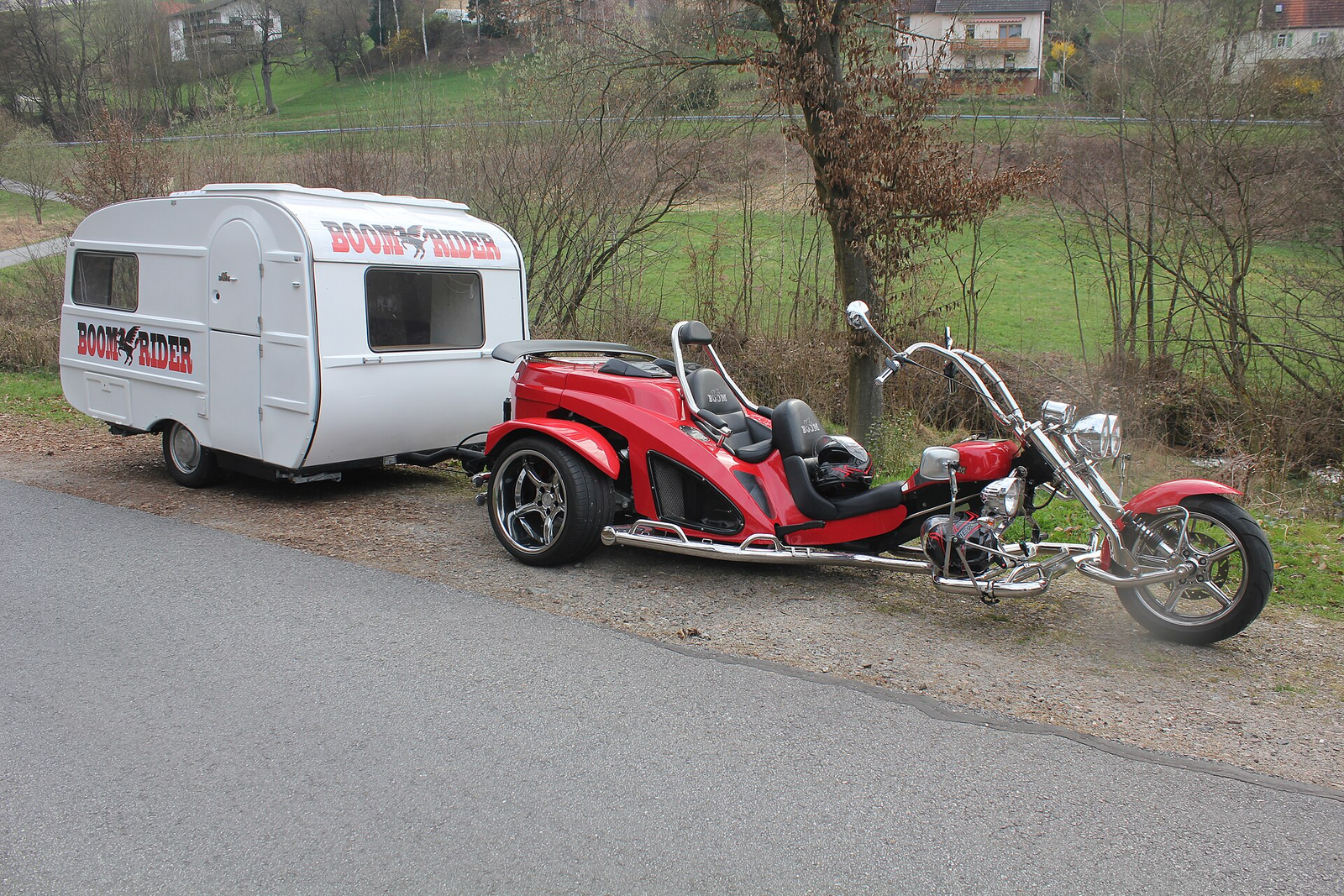
The key difference between these formats boils down to three parameters: autonomy, mobility and flexibility.
Motorhome: focus on autonomy and speed of movement
The main advantage of a motorhome is efficiency. All basic actions — stopping, organizing an overnight stay, assembling and further departure — require minimal time. This is especially important on routes where locations often change.
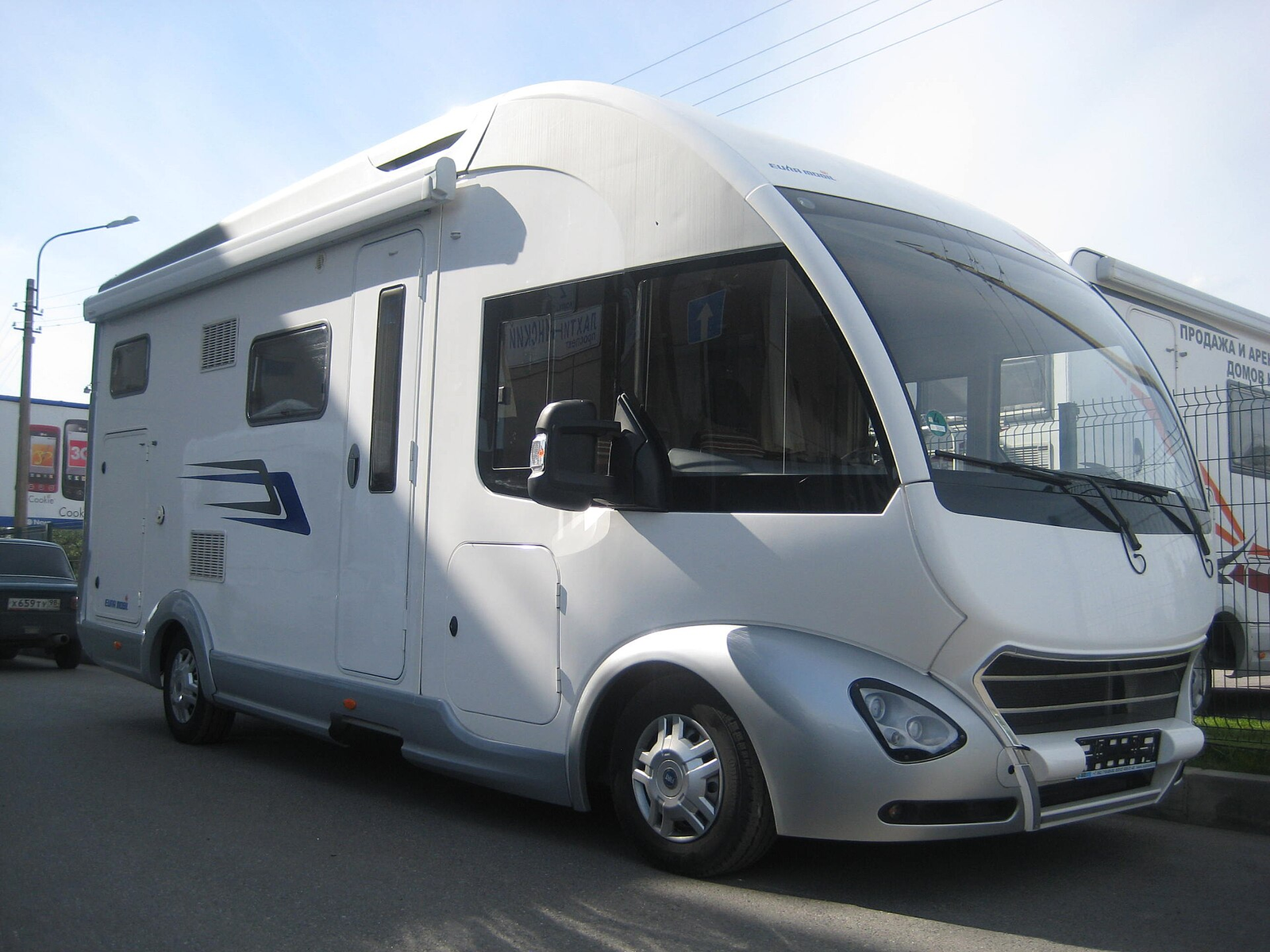
From an engineering point of view, such machines are usually equipped with more capacious and well-thought-out systems. The design often includes:
- increased water tanks
- stationary gas installations
- built-in heating systems (for example, Truma or Webasto level solutions)
- solar panels
This configuration allows you to stay outside campsites longer and increases the level of autonomy. An additional advantage is aerodynamics: compared to the "vehicle + trailer" combination, the motorhome behaves more stably on the highway and is less sensitive to crosswinds.
However, there are also limitations:
- no second vehicle: any trip requires dismantling the camp
- higher cost of ownership — engine maintenance, insurance and storage
- reduced maneuverability in urban environments and on narrow roads
Caravan: flexibility and functional separation
The caravan offers a different approach — separation of tasks. After arriving at the parking lot, the trailer can be left and the car used separately. This is convenient for short trips, shopping or exploring places that are more difficult to reach with a trailer.
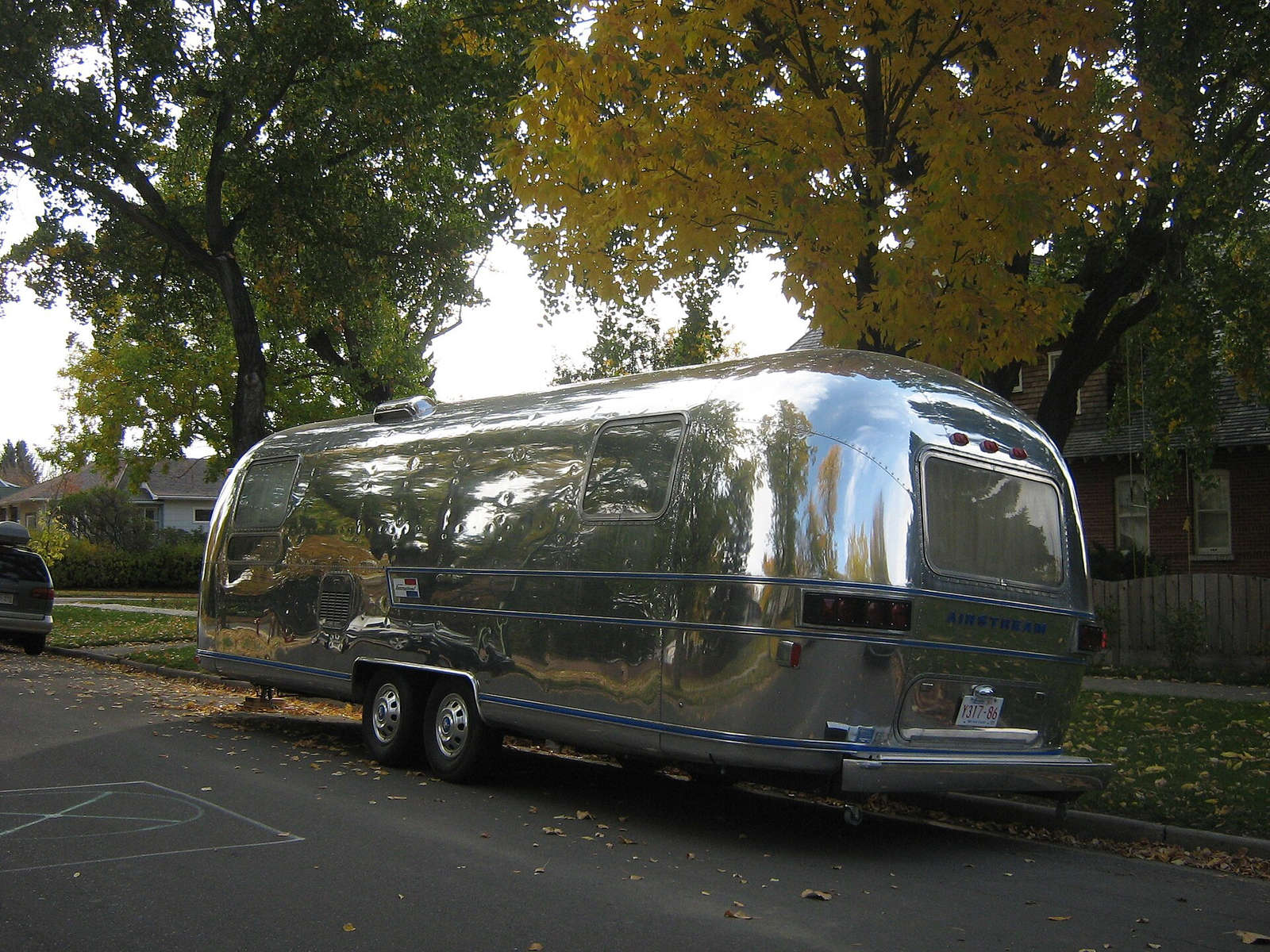
From the point of view of living space, caravans are often more rational. With a comparable budget, they can offer:
- more storage space
- full-size kitchen areas
- in some cases — separate shower compartments
An additional advantage is economic flexibility. If necessary, you can change the towing vehicle without investing in a new living module.
At the same time, the format has its own characteristics:
- driving a road train requires skills and consideration of weight, weight distribution and permissible load on the towbar
- fuel consumption increases, especially on climbs
- maneuverability is complicated when parking and reversing.
Nuances that often remain behind the scenes
When choosing between two formats, it is important to consider the details that are often remembered too late:
- driver's license category: a category higher than the standard B may be required for some motorhomes and caravan couplings
- parking rules: in European countries, a motorhome is more often considered as transport, while a caravan is considered as an element of camping, which affects the permissible places for overnight stays
- seasonality: in winter, motorhomes with good thermal insulation and heating usually demonstrate more stable operation
- storage: out of season, a caravan is easier to place in a parking lot than a large motorhome.
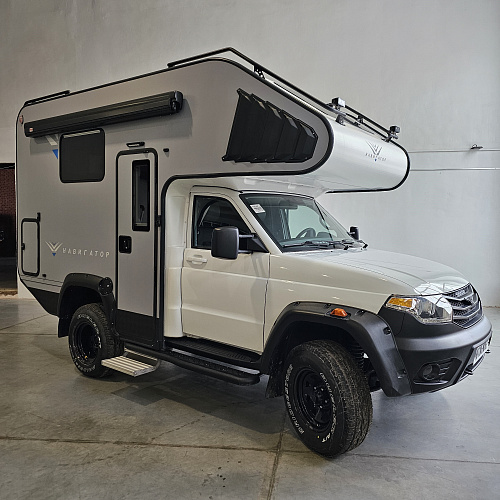
Choice through scenario
A comparison of these formats shows that there is no universal answer. It all comes down to travel style.
A motorhome is logical for those who build a route around movement, regularly changing stopping points and minimizing the time spent on organizing everyday life. A caravan, in turn, is suitable for those who prefer the "base camp" format with subsequent exploration of the surrounding area.
As a result, the question is not "what is better", but "how exactly are trips planned". In practice, the final decision most often comes only through personal experience — and often it is testing both options in real conditions that helps to put everything in its place.
Read more materials:
- Peel P50: the smallest car in the world
- Why the ZIL-MMZ-555 had a round body
- Ceramic engine: a myth that almost became reality