There are cars that simply do the expected job. And then there's Tatra — a vehicle whose behavior goes beyond the usual. It keeps moving where others are already helplessly spinning their wheels, lasts longer than its calculated lifespan, and gradually earns the trust of even those who were initially wary of it.
The history of this brand began long before the advent of modern diesel units and electronics. In 1850, in the Moravian town of Kopřivnice, a small carriage-making workshop decided to expand its scope. Over time, this decision turned into a journey nearly two centuries long.
From Carriages to Cars
The future Tatra started as Schustala & Company, which made horse-drawn carriages. Gradually, the company mastered new directions: first railway cars, then automobiles.
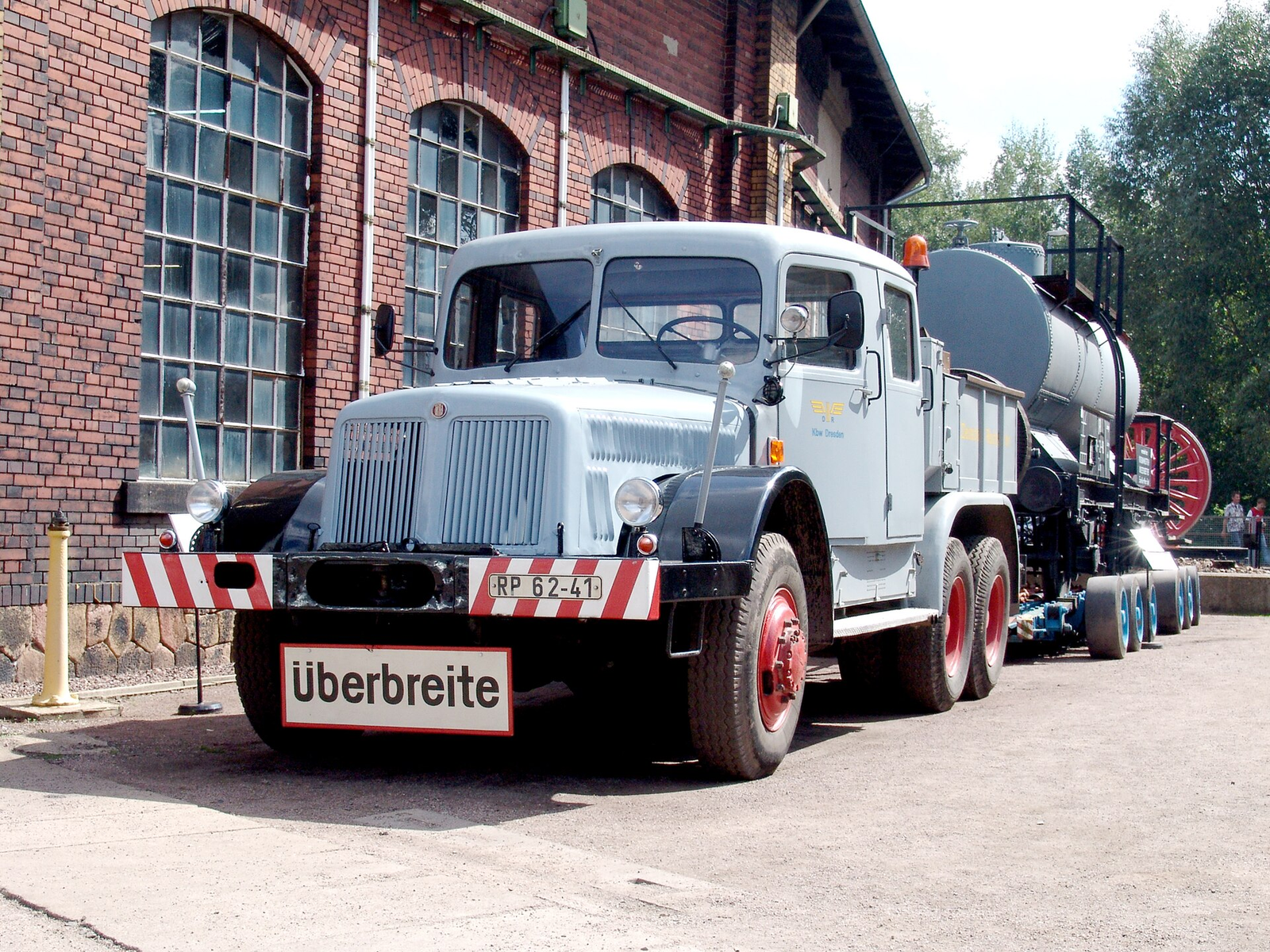
Key stages of development looked like this:
- in 1882, the first railway car was built
- in 1897, the first car appeared — one of the first in Central Europe
- in the early 20th century, the cargo direction was formed
From the very beginning, the company's engineers sought not to copy existing solutions, but to look for their own approaches. A defining role in this was played by Hans Ledwinka, who joined the company in 1921. He formulated the principle that became the basis of all further development: the car must adapt to the road, not vice versa.
Backbone Frame: The Basis of the Design
The main difference between Tatra and most trucks lies in the chassis design. Instead of the usual spar frame, a central load-bearing tube is used, running through the entire length of the machine. Inside it is a cardan shaft, and all other components are attached to the outside.
This scheme determines the behavior of the car:
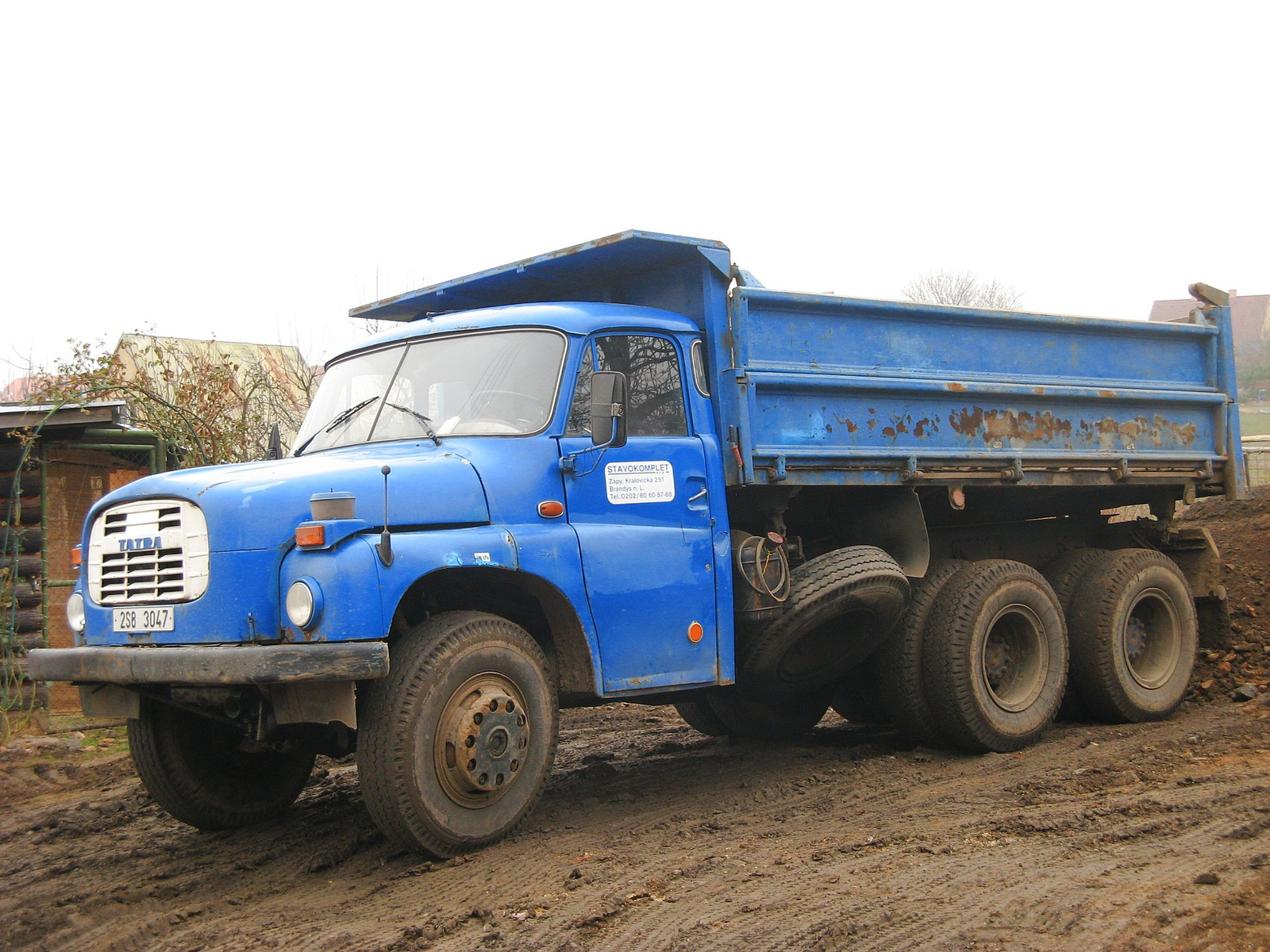
- each axle works independently and reacts to bumps separately
- the body remains stable even on difficult terrain
- the load is distributed differently than in frame structures
- the risk of damage from twisting is reduced
As a result, the truck overcomes obstacles not "head-on", but as if adapting to them. The wheels work out the terrain, and the main structure maintains stability.
This approach proved to be in demand in military conditions as well. During the Second World War, Tatra equipment was used by the German army on the Eastern Front. There is a story that unprepared drivers, not taking into account the features of the car, got into accidents, while experienced drivers revealed its potential completely.
T148 and T815: Iconic Models
In the history of the brand, there are models that have become symbols of their time. Among them, Tatra T148 and Tatra T815 stand out in particular.
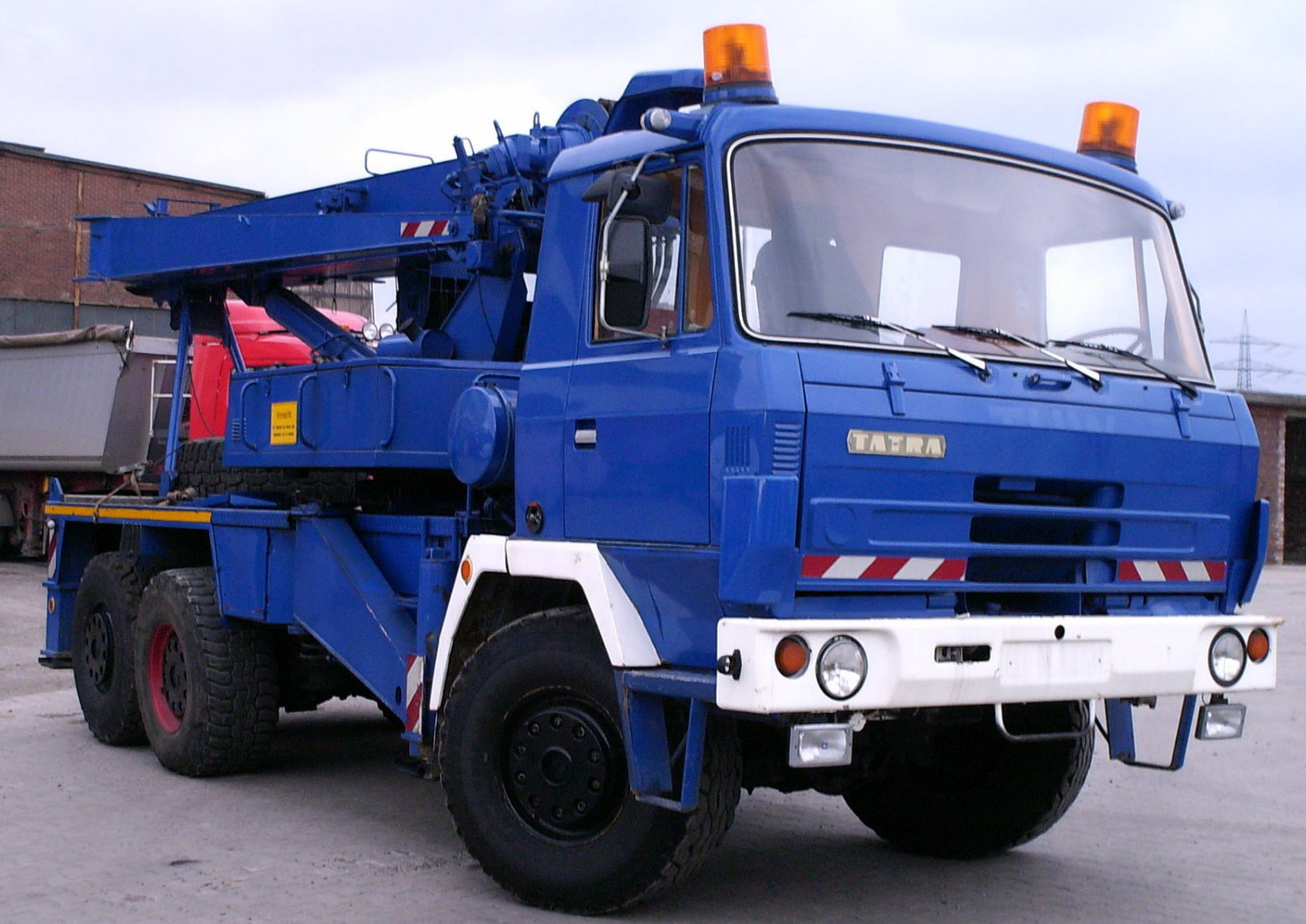
The T148, produced from 1969 to 1982, was a three-axle all-wheel drive truck with air-cooled engine. This solution had an important practical significance: the absence of a liquid cooling system eliminated the risk of freezing or overheating. The car was used in a variety of conditions — from Soviet construction sites to hot regions.
The T815 became a development of this concept and has been in production since 1983. It has proven itself not only in work, but also in sports, winning a number of victories at the Dakar Rally:
- first victory in 1988 (Karel Loprais)
- subsequent ones — in 1994, 1995, 1998, 1999 and 2001
- a total of six victories in the truck category
At the same time, the T815 remains primarily a utilitarian machine, equally appropriate both on the race and in the quarry or off-road.
Comparison with Other Trucks
Attempts to directly compare Tatra with other manufacturers often turn out to be incorrect. Despite the external similarity, the equipment works in different conditions and solves different tasks.
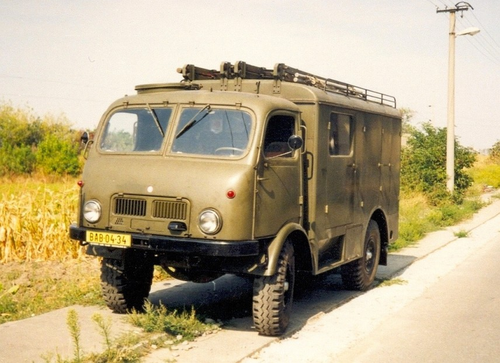
KamAZ uses a classic frame structure, which simplifies production and repair. European brands like Volvo and Scania are focused on road comfort and economy. MAN and Mercedes-Benz offer off-road versions, but their design solutions differ.
Tatra occupies its own niche:
- operation in harsh and inaccessible conditions
- high cross-country ability due to the chassis design
- use in the mining industry, construction and the army
Design Features
A number of technical solutions make these trucks unusual for an unprepared driver. However, it is they who form their unique properties.
- the engine can be located in the middle or rear
- air cooling has long remained the standard
- high ground clearance is combined with independent suspension
- the level of comfort is inferior to long-haul tractors, but this is not a priority
These features ensure stability and efficiency where conventional trucks lose their cross-country ability.
The Factory Today
The company in Kopřivnice is working, despite the crises and change of owners. This distinguishes it from many other factories in the region that have ceased to exist.
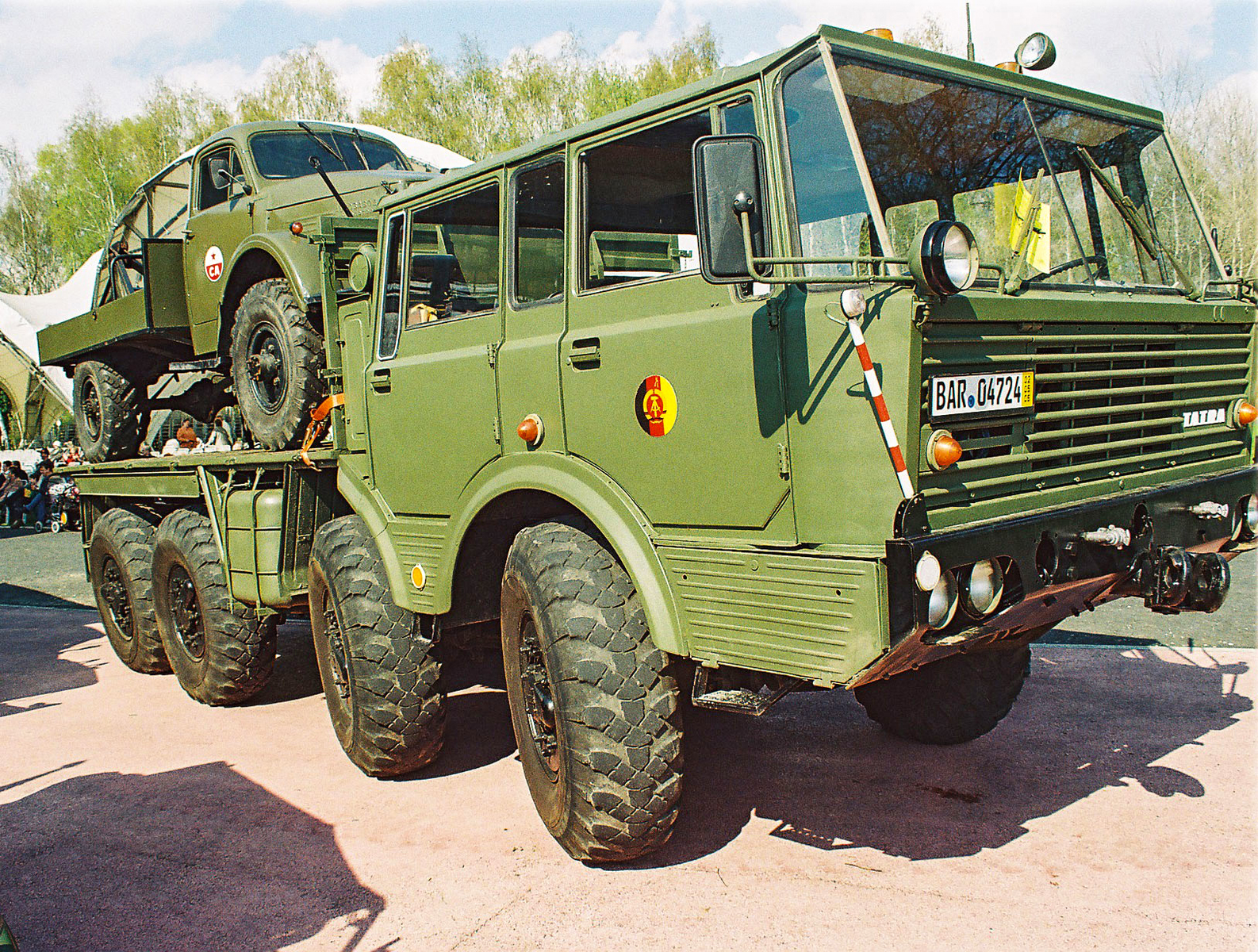
Modern production includes:
- T815-7 and Phoenix models
- equipment for military customers
- specialized machines for industry and construction
Volumes remain relatively small, but the company retains its specialization and approach.
Why Tatra Remains Unique
Against the background of the global unification of the automotive industry, Tatra continues to adhere to its own engineering philosophy. The basic principles, formed in the first half of the XX century, remain relevant.
The car still adapts to the terrain, and does not resist it. The backbone frame, developed about a hundred years ago, continues to be used today without fundamental changes.
The name of the brand is associated with the Tatra mountain range on the border of the Czech Republic and Slovakia. These mountains are harsh and devoid of ostentatious effect — like the trucks themselves. The design lacks everything superfluous, there is only functionality, tested by time.
Read more materials:
- Datsun 620 4×4: The pickup that became an off-roader against all odds
- OAF 745 in the USSR: A rare truck from Austria
- Scooter for every day: How not to make a mistake
Комментарии