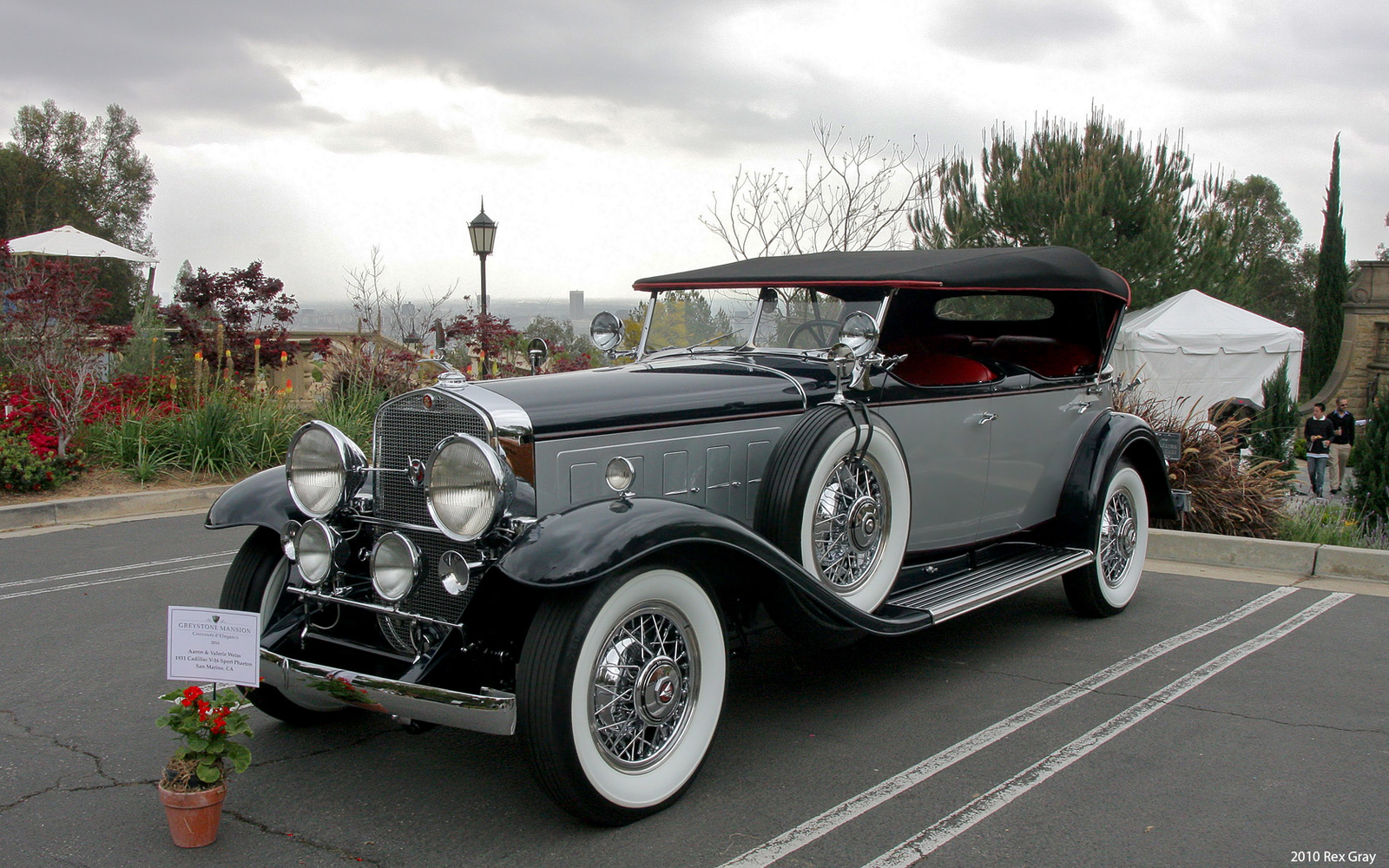
Cars of the past differ significantly from modern ones not only technically but also visually. One of the most characteristic details was the windshield, divided into two parts. Today, such a solution has practically disappeared, and the reason for this lies not in fashion, but in a combination of engineering and technological factors.
Limitations of Glass Production
In the first half of the 20th century, glass manufacturing technologies were at a different level. Obtaining a large, complexly shaped part with high quality was not easy: the larger the glass and the more complex its geometry, the higher the costs and the probability of defects.
Laminated glass already existed, but its use in mass production was limited due to high cost. Therefore, manufacturers preferred to use simpler solutions — flat panels, which were easier to manufacture.
Dividing the windshield into two parts offered several practical advantages:
- simplified production and reduced cost
- easier transportation and storage
- only one half needed replacement if damaged
For owners of inexpensive cars, this meant more affordable maintenance.
Body Structure and Practical Benefits
Double glass proved beneficial not only due to manufacturing limitations. The design of the cars themselves also played an important role. Body rigidity in those years was significantly lower than that of modern cars.
When driving on uneven roads, the body experienced deformations — it twisted, compressed, and stretched. In such conditions, a large, single piece of glass was subjected to serious loads and could crack even with relatively minor impacts.
Divided glass solved this problem:
- the central pillar acted as an additional stiffening element
- each half experienced less stress
- the risk of breakage was reduced
Moreover, repairs became simpler and cheaper. For drivers, especially those who actively used their cars, this was of great importance.
Features of Military Equipment
In military operations, equipment requirements are even stricter. Damage to glazing in combat conditions is common, and having two separate panes allowed for at least partial protection of the cabin.
The practical benefit here is obvious:
- if one part was damaged, the second remained usable
- replacement in the field was easier
- flat glass is easier to transport and install
Additional solutions were used on light off-road vehicles. The glass was often mounted in a hinged frame, allowing it to be lowered onto the hood. This made it possible to quickly get rid of cracks or dirt obstructing the view.
Such a design better withstood body deformations when driving on severe off-road terrain. Unlike single glass panels, it was less prone to breakage.
Transition to Single-Piece Glass
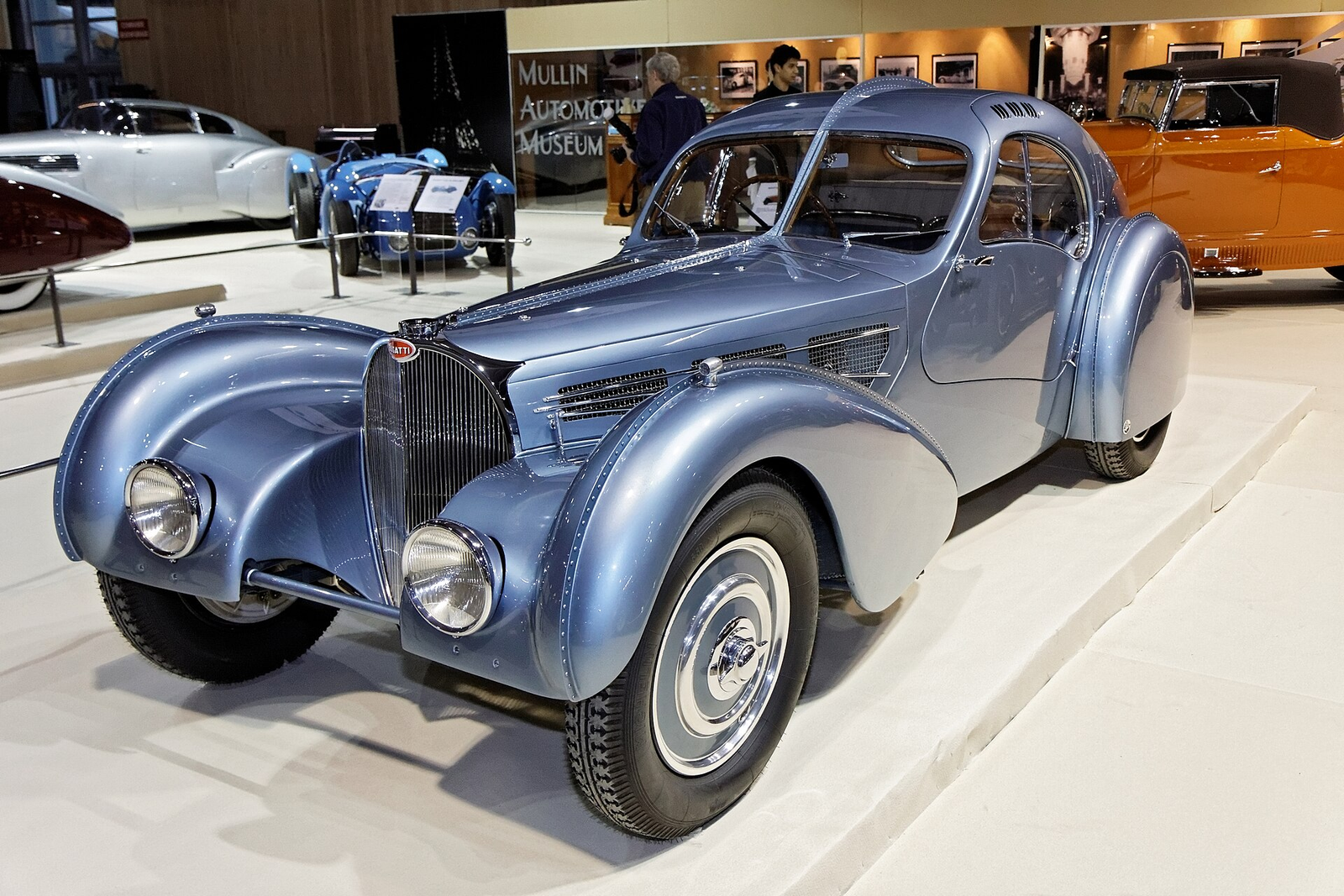
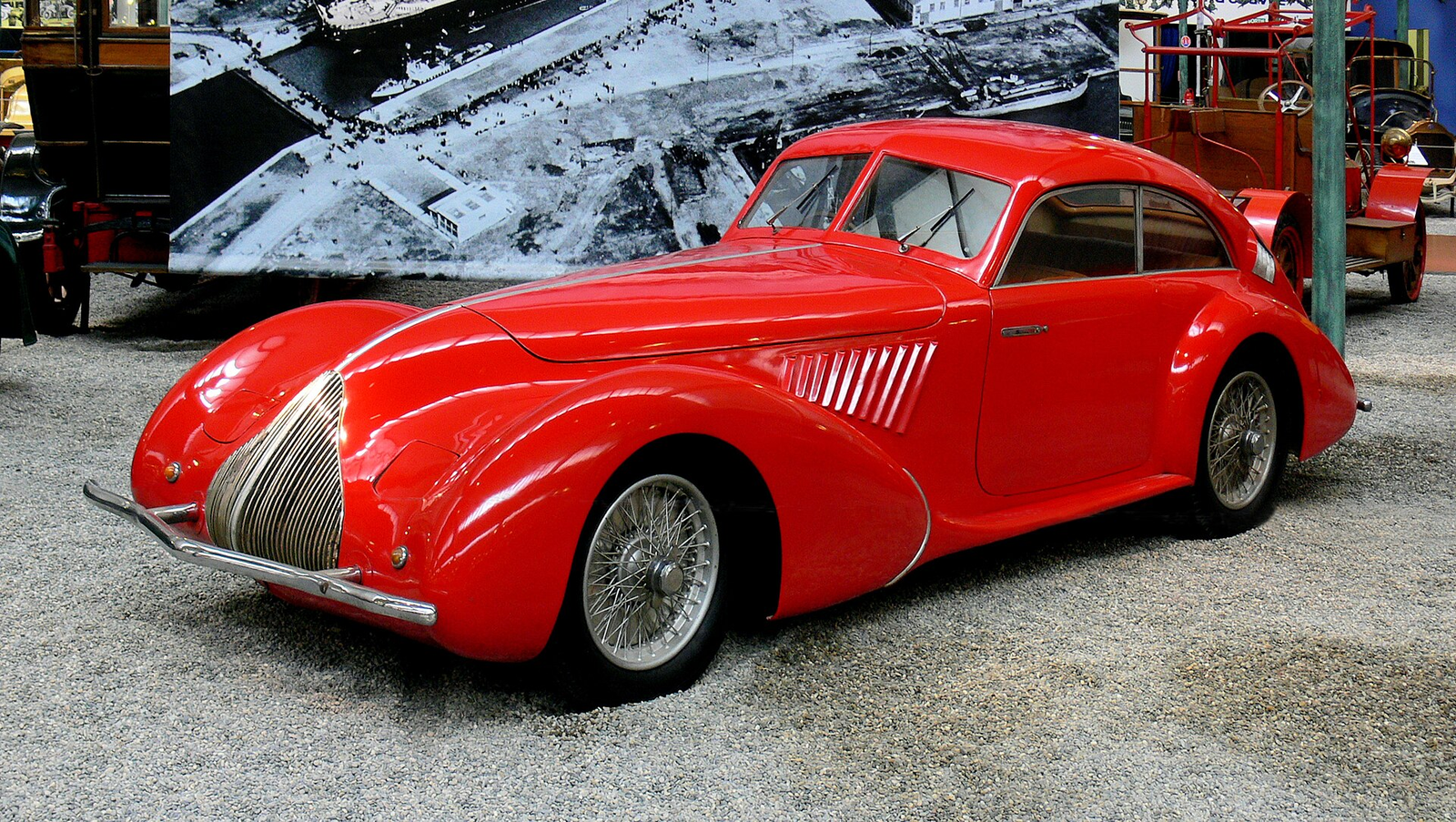
In the second half of the 20th century, the situation changed. Glass manufacturing technologies advanced significantly: the defect rate decreased, quality improved, and costs became lower. This allowed for the mass use of large glass panels.
In parallel, car design also evolved. Car bodies became more rigid, and the need for an additional crossbar disappeared. As a result, manufacturers began to switch to single-piece windshields.
New solutions opened up additional possibilities:
- improved visibility due to the absence of a central pillar
- easier to implement glass heating and defogging
- car exteriors became more modern
Over time, double glazing almost completely disappeared from civilian transport.
What Remains Today
Modern passenger and commercial vehicles use single triplex glass, combining strength and safety. Separate options have been retained only in specific areas where practicality, rather than comfort or aesthetics, is paramount.
Such cases include:
- military equipment
- specialized vehicles
- certain off-road designs
Even with armored glazing, the principle sometimes remains the same: divided elements are easier to maintain and replace.
Two windshields in old cars were not a design feature, but a forced engineering solution. Technological limitations, body design features, and operational requirements made it optimal for its time.
With the development of materials and technologies, the need for such an approach disappeared. It was replaced by single-piece glass, which provided better visibility, convenience, and new opportunities for the development of automotive design.
Read more articles:
- Why Toyota engines last 500,000 km
- Car theft: what to do if you don't find your car where you left it
- Renault Duster: serious drawbacks exist, but there are also advantages
Комментарии