In the early 1970s, Japanese automakers set themselves a goal that seemed almost unattainable at the time: not just to enter the US market, where strong local players already dominated, but eventually to take a leading position in it. Starting with affordable and simple cars, by the end of the 1980s, they managed to establish themselves even in the premium segment – an area traditionally belonging to European brands like Mercedes-Benz and BMW. As part of this strategy, Toyota created a separate brand – Lexus, designed to compete specifically in the high-end class.
From Sedans to SUVs
The first major success was the LS sedan, which proved to be one of the most successful debuts in the American market. After that, expanding the lineup seemed logical.
Gradually, the model range expanded to include:
- the luxury SC coupe, introduced in 1991
- the GS business sedan, which appeared in 1993
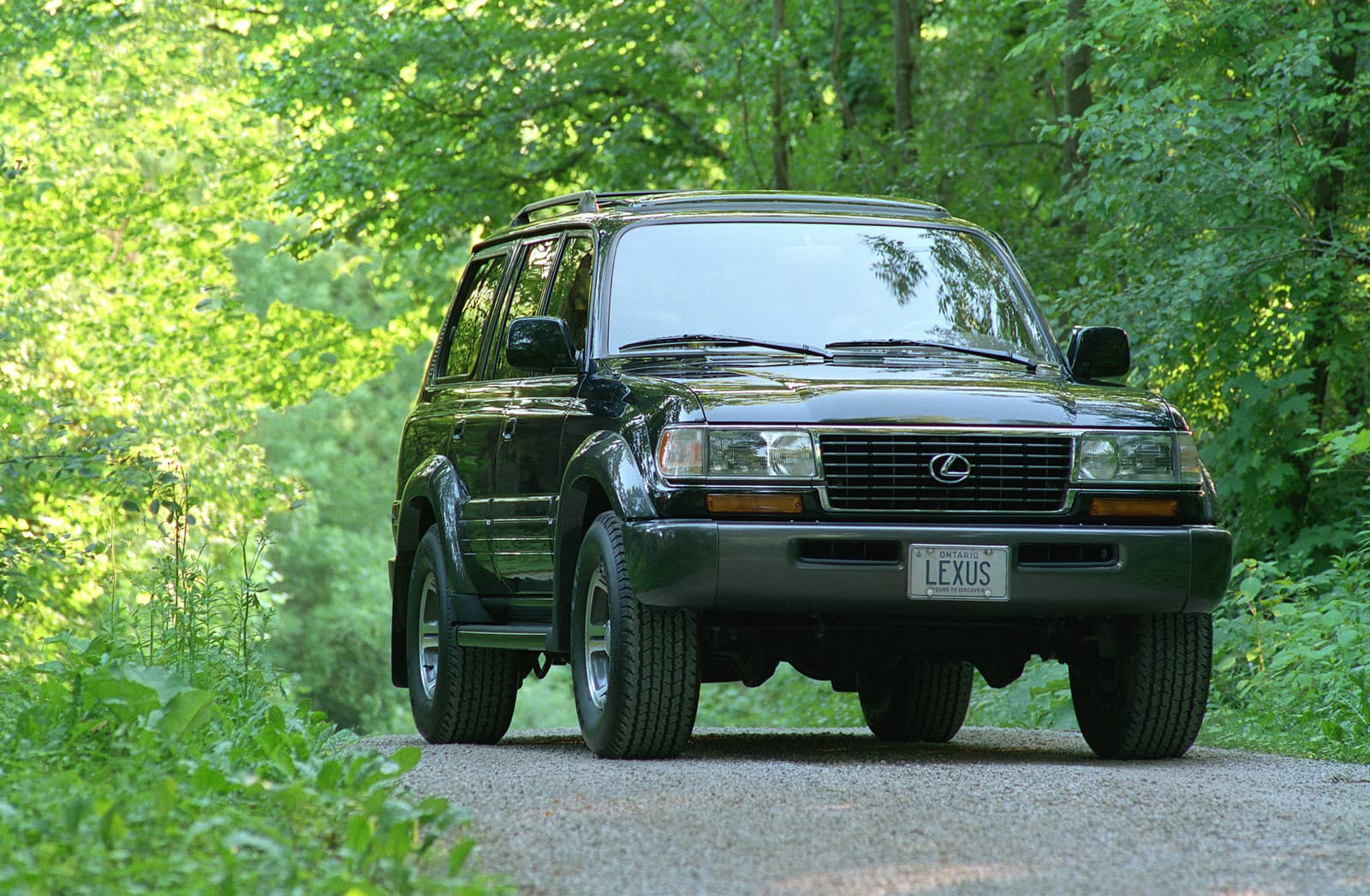
- the LX SUV, which debuted in 1996
The brand began to cover more and more segments, including the then-emerging class of luxury SUVs.
The Foundation of Proven Reliability
The creation of the first Lexus LX proved to be a rational step. Unlike the LS400, which was developed from scratch, the SUV was based on the existing Toyota Land Cruiser 80 platform.
This decision offered several advantages at once:
- time-tested ladder frame construction
- high reliability, confirmed by operation
- a ready base for entering the conservative segment
Under the hood of the LX 450 was an inline six-cylinder 1FZ-FE engine with a cast-iron block and a timing chain drive. This engine was considered one of the most durable in the industry and could run up to 700 thousand kilometers without major overhaul.
Positioning Features
Interestingly, the first generations of the LX were not intended for the Japanese domestic market. The main arena was the USA and Canada, where the car quickly attracted attention.
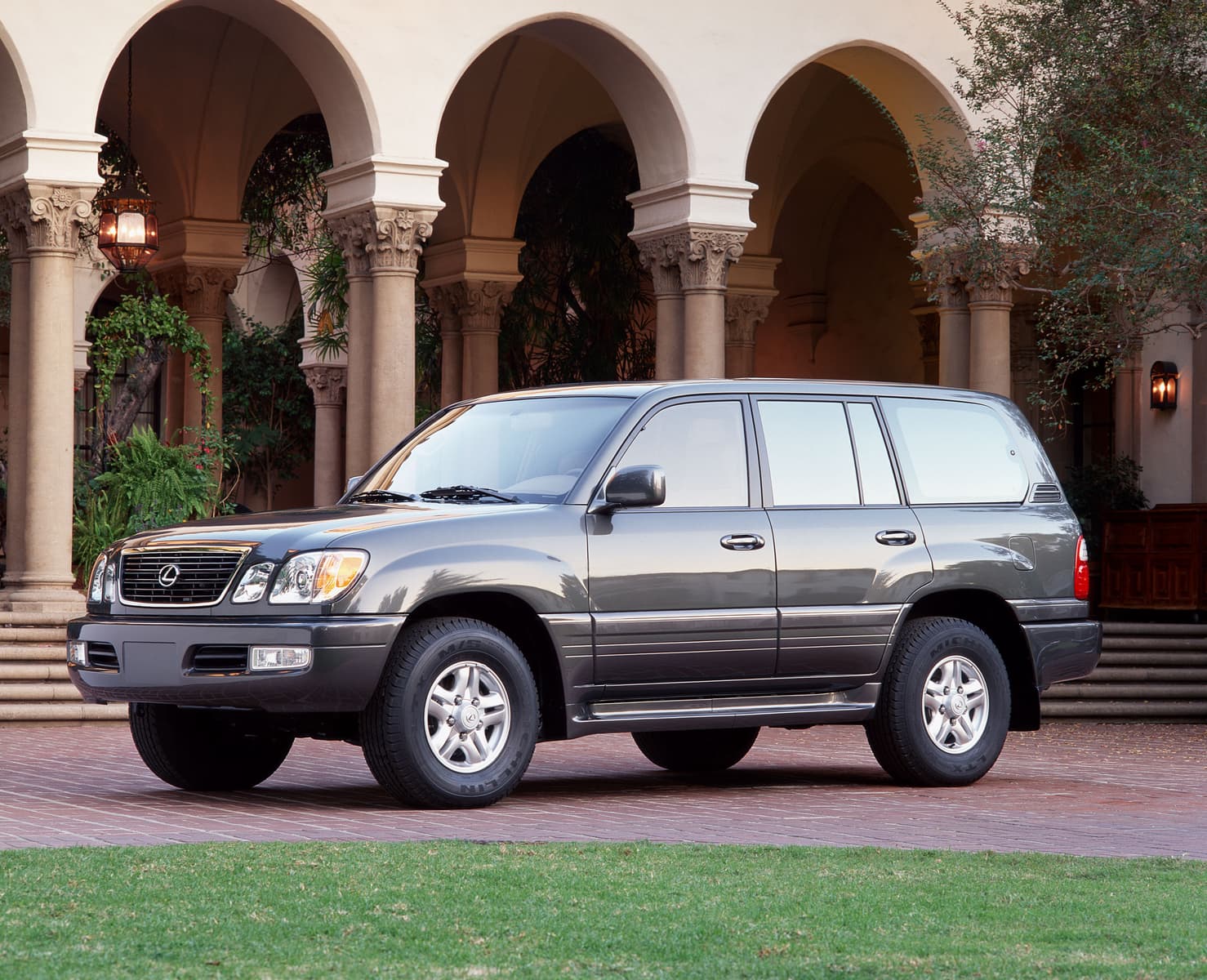
Outwardly, the LX 450 differed from the Land Cruiser subtly:
- modified radiator grille
- more expressive moldings
- original alloy wheels
However, behind the minimal external changes lay a different level of perception. By that time, Lexus was already perceived by the American audience as a prestigious brand, which significantly influenced the model's success.
Comfort and Equipment
The interior of the SUV met the expectations of the premium segment. The car offered a seven-seater cabin with expensive trim and a wide range of equipment.
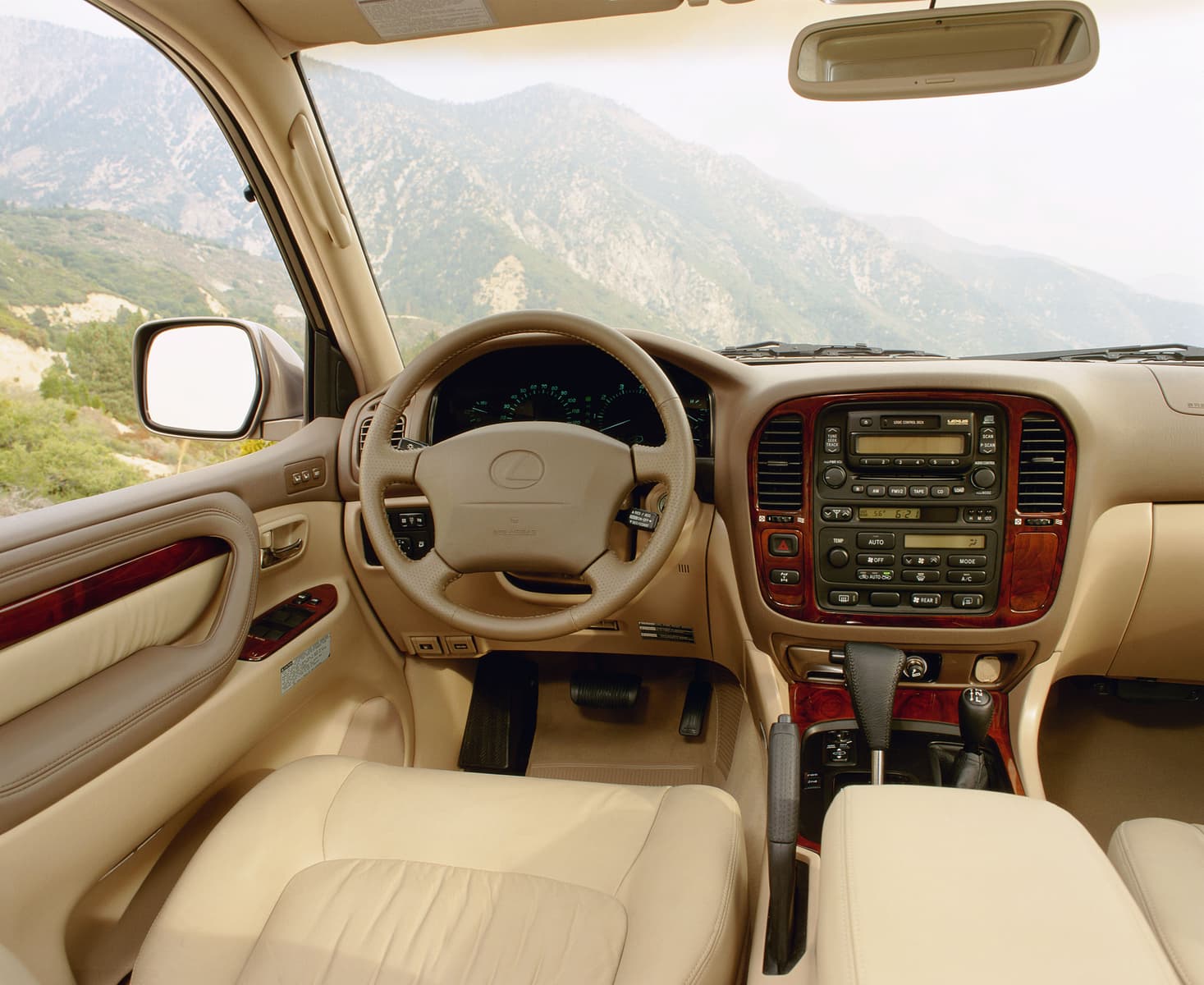
Among the available solutions were:
- leather upholstery and quality materials
- built-in phone and keyless entry system
- Nakamichi or Pioneer audio systems
- six-disc CD changer
- power sunroof
- electronic differential locks.
Many options that were considered additional for the Land Cruiser were standard equipment here.
Engineering and Off-Road Capabilities
Despite its premium status, the LX 450 retained key off-road capabilities. This was facilitated by:
- permanent all-wheel drive
- center and axle differential locks
- transfer case with low range
- high ground clearance
The 215 hp engine with 373 N·m of torque was paired with a four-speed automatic transmission. The suspension with solid axles received softer settings, which improved comfort without significant detriment to off-road capability.
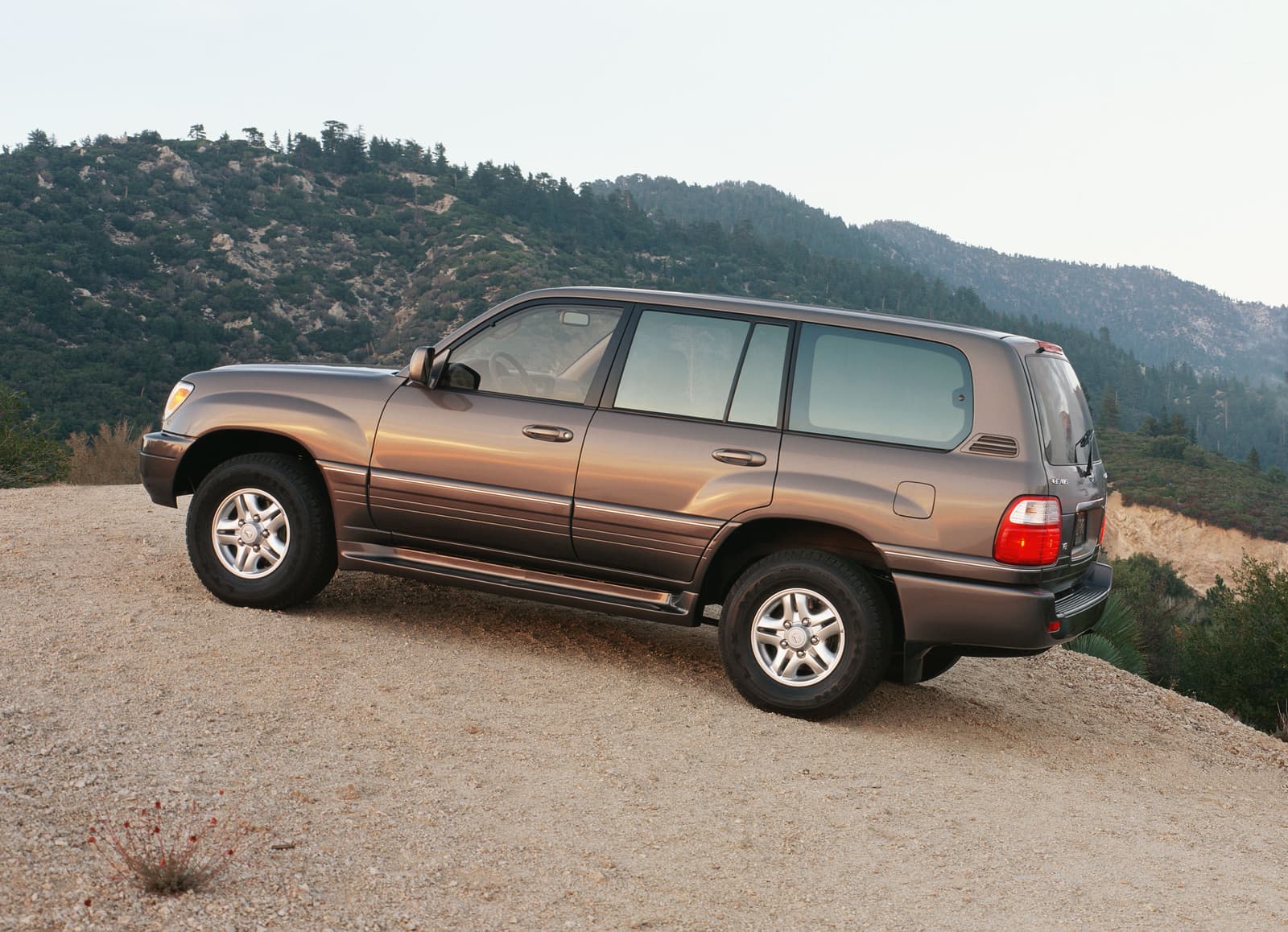
As a result, the model proved to be more balanced compared to typical American SUVs of that time, which were often perceived as utilitarian vehicles. The main benchmark for competition was the Range Rover, not products from Ford or Chevrolet.
Commercial Success
Production of the LX 450 began in late 1995. In the American market, it was priced at $48,000 – $8,000 more than a fully equipped Land Cruiser.
Despite the price difference, the strategy proved successful:
- about 5,000 vehicles were sold in 1996
- by 1997, sales exceeded 9,000 units
The bet on a premium image and a re-engineered base fully justified itself.
Recognition and Development
The model quickly gained popularity among buyers. In addition to a high level of comfort, it demonstrated outstanding reliability. The LX 450 ranked high in the J.D. Power ratings, showing the fewest service calls in its first year of operation.
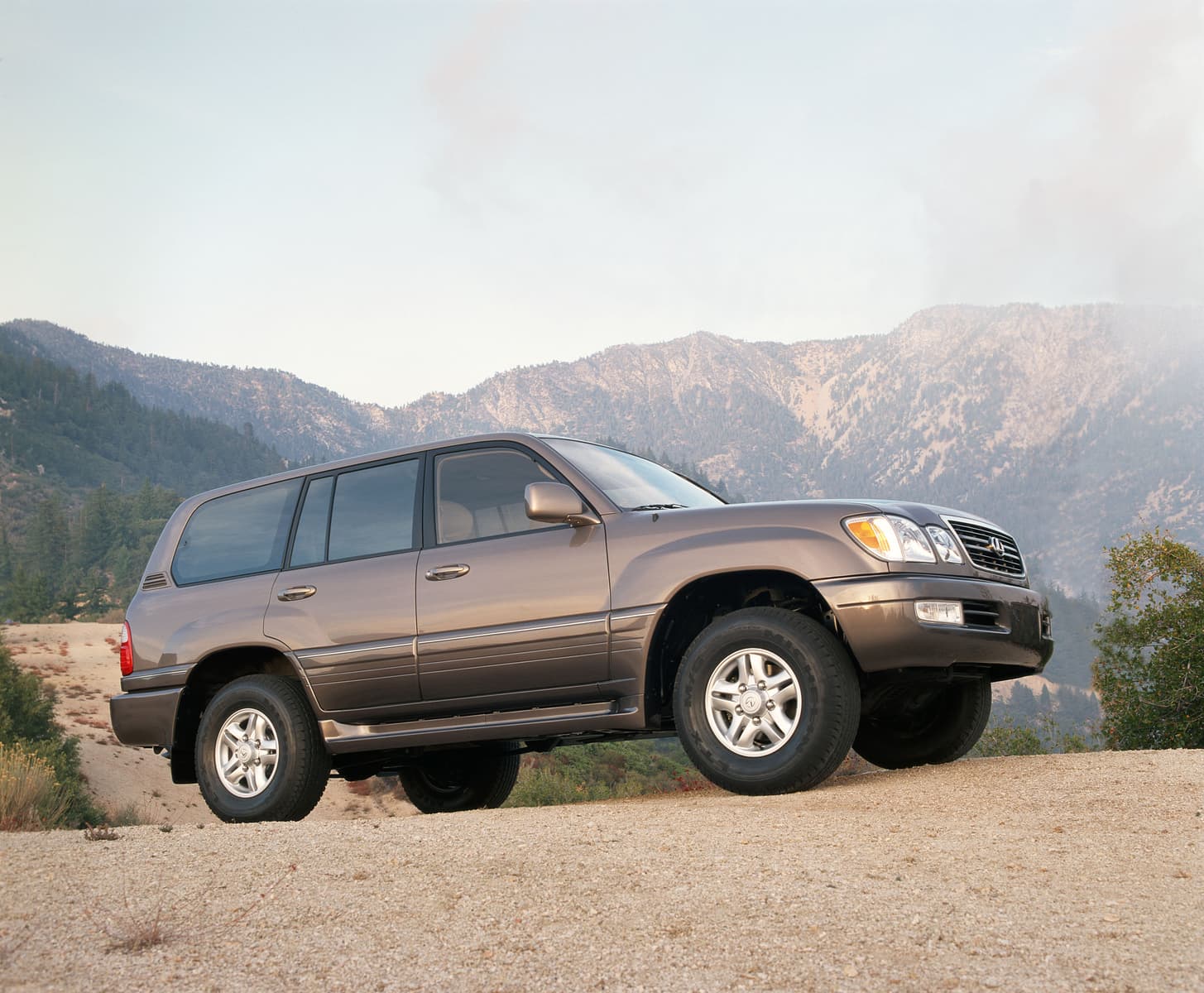
The story did not end there. Just a few years after its successful launch, a new generation – the LX 470, based on the Land Cruiser 100 – entered the market. This allowed the success to be consolidated and the concept of a luxury SUV to be developed further.
The appearance of the Lexus LX was a logical step in Toyota's strategy to conquer the American market. The use of a proven platform, a combination of comfort and off-road capabilities, and clever positioning allowed the model to carve out its niche in the premium segment.
The success of the LX 450 showed that even in a conservative category, recognition can be achieved by combining reliability, thoughtful design, and a precise understanding of audience expectations.
Read more materials:
- Why windshields used to be split in half
- How the USSR created an "invisible" command post
- Why a car "thinks" before accelerating
Комментарии