In the memory of people who lived in the Soviet Union, a recognizable image has been preserved – the RAF-2203 "Latvia" minibus. It firmly entered the daily life of both cities and small settlements, becoming not just an element of the transport system, but a part of the cultural code of the era. For many, it was not just a car, but a sign of the times, associated with the life of an entire country.
From early developments to a mass symbol
The history of the model began long before its heyday. In 1960, the Riga Automobile Plant produced the RAF-977 "Latvia" – the first Soviet minibus, designed to meet the need for versatile and affordable transport. However, this version was more of a trial than a final solution.
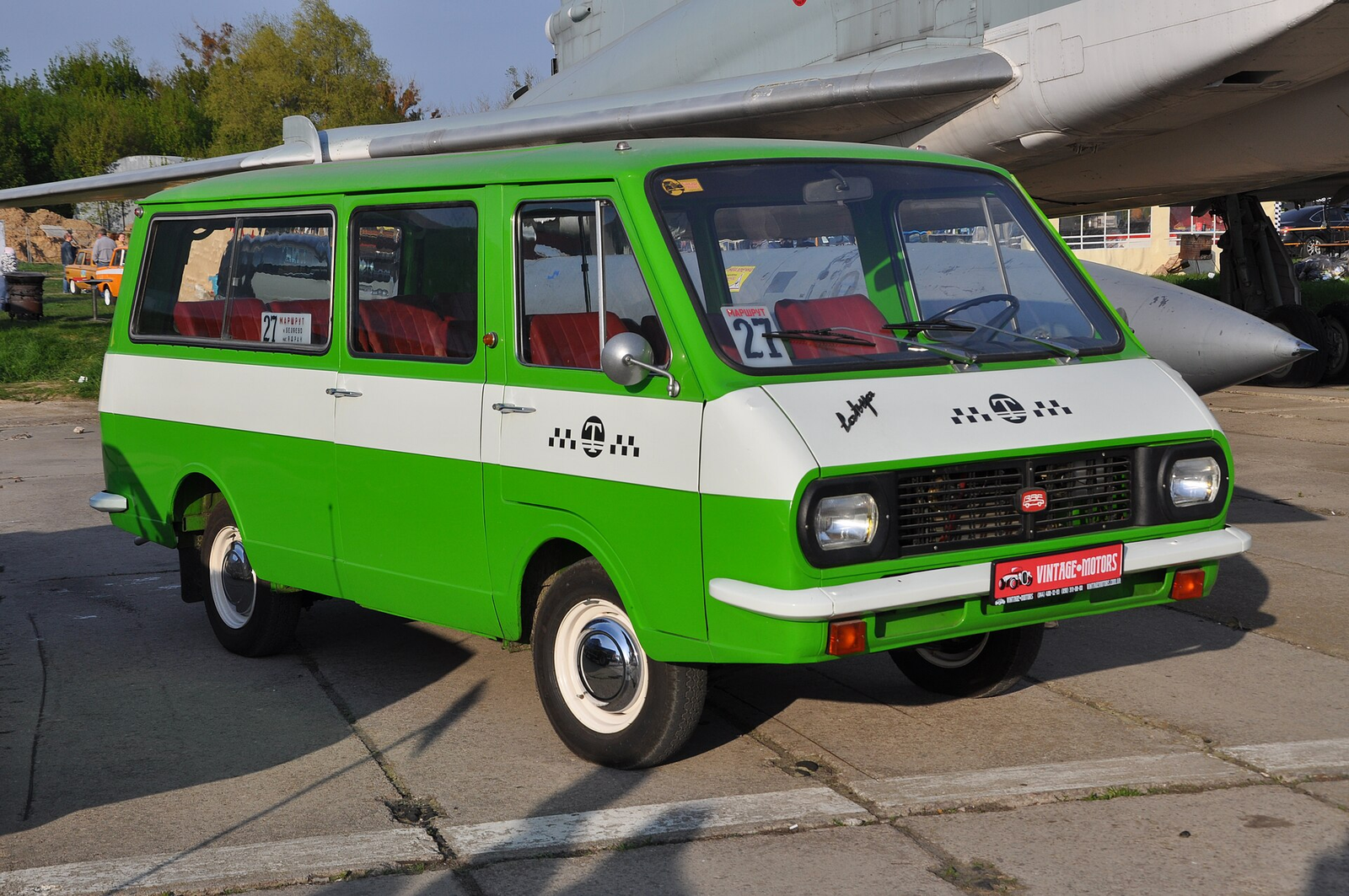
True success came later, when the RAF-2203 was introduced in 1976. It was this model that became the very "Latvia" that millions remembered.
Key design solutions played a crucial role:
- use of GAZ-24 "Volga" units, including a 2.4-liter engine, transmission, and axles;
- original body with increased volume;
- capacity for 10–11 people
This combination allowed for the creation of versatile transport suitable for a wide range of tasks.
Design and practicality
The RAF-2203 was distinguished by its thoughtful simplicity. It did not require complex maintenance and relied on already mastered components, which corresponded to the logic of the planned economy. Unification allowed for cost reduction and ensured maintainability in any conditions.
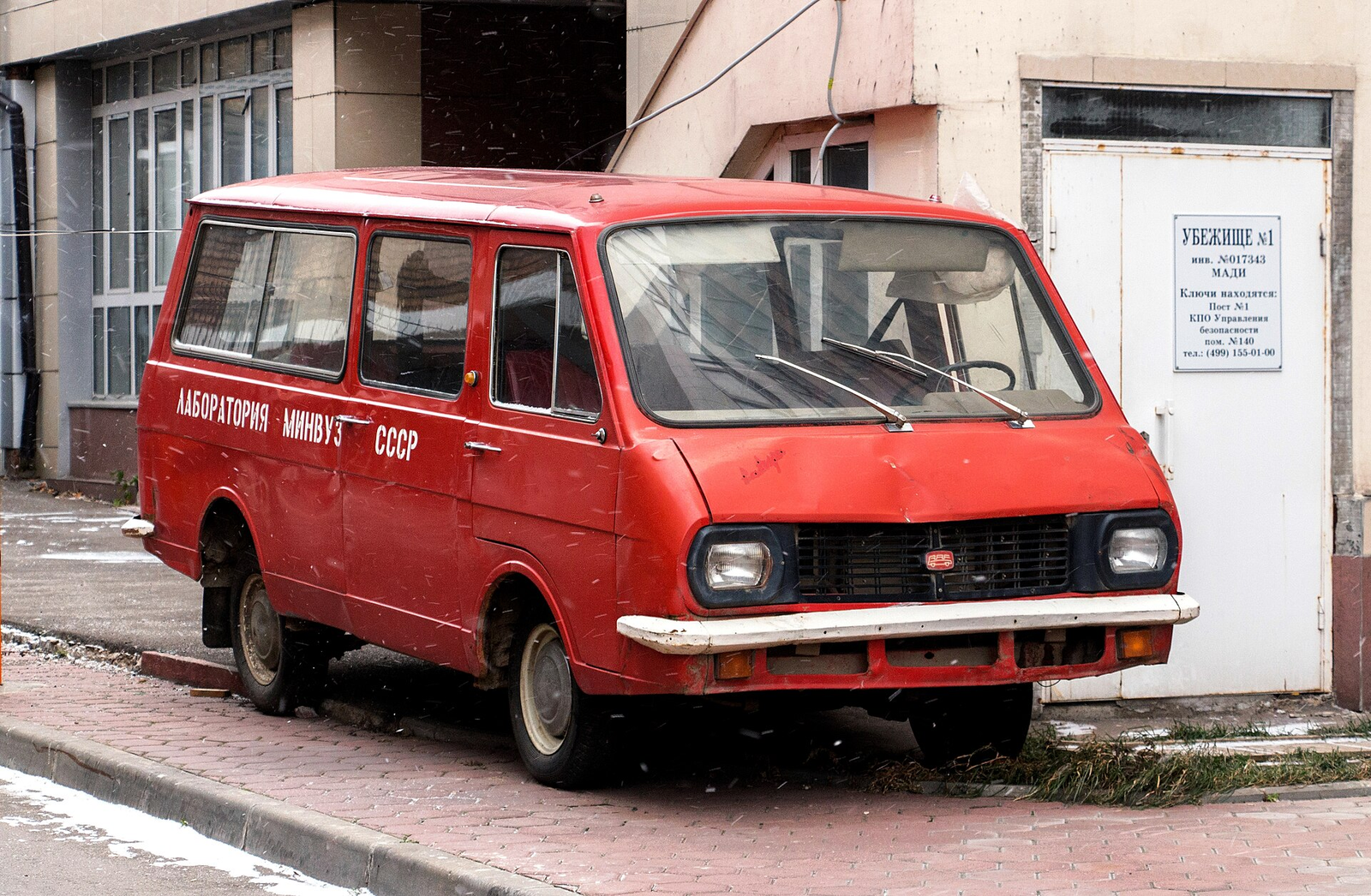
At the same time, the price of the car in the 1980s was approximately 45–50 thousand rubles. For a private buyer, this was a significant sum, but for enterprises and state organizations, the minibus remained an affordable solution.
Versatility in operation
One of the main advantages of the model was its multifunctionality. The RAF-2203 was used in a variety of roles:
- route taxi
- ambulance
- service transport
- equipment for filming and other tasks
In large cities, including Moscow and Leningrad, such minibuses went on routes daily, forming a characteristic urban rhythm. Thanks to their simple design and relative economy, they gradually took an important place in the transport system.
A total of about 240 thousand units were produced, and this model became one of the most recognizable faces of Soviet urban transport.
Social significance
A special place in the history of the RAF-2203 is occupied by its role in the healthcare system. Ambulance modifications were used for decades throughout the country. In every district, one could find such vehicles, which became part of everyday life and performed a vital function in critical moments.
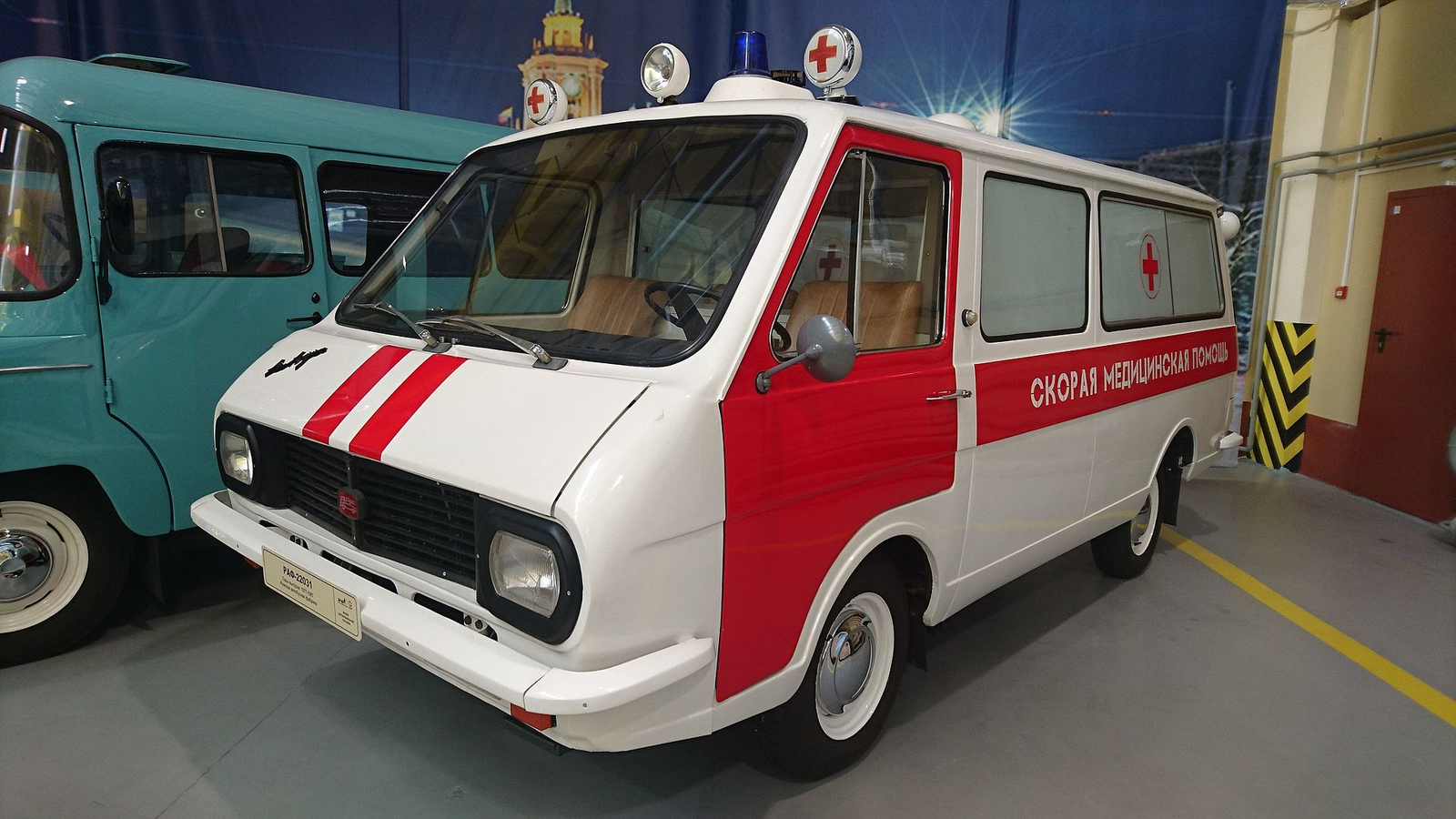
The minibus accompanied people in various situations – from ordinary trips to emergencies. Thanks to this, it was remembered not only as transport, but also as an important element of social infrastructure.
Image in culture
The RAF-2203 also found wide reflection in cinematography. It can be seen in many Soviet films, including "Mimino", "Moscow Does Not Believe in Tears", and "The Diamond Arm".
Appearing on screen, it became part of a recognizable atmosphere – be it scenes of everyday life or dramatic moments. For viewers, this car became a visual symbol of the time.
End of an era
After the collapse of the USSR, the fate of the model changed. Latvia became an independent state, and production ties were broken. Supplies of units from GAZ-24 ceased, which complicated the further existence of the project.
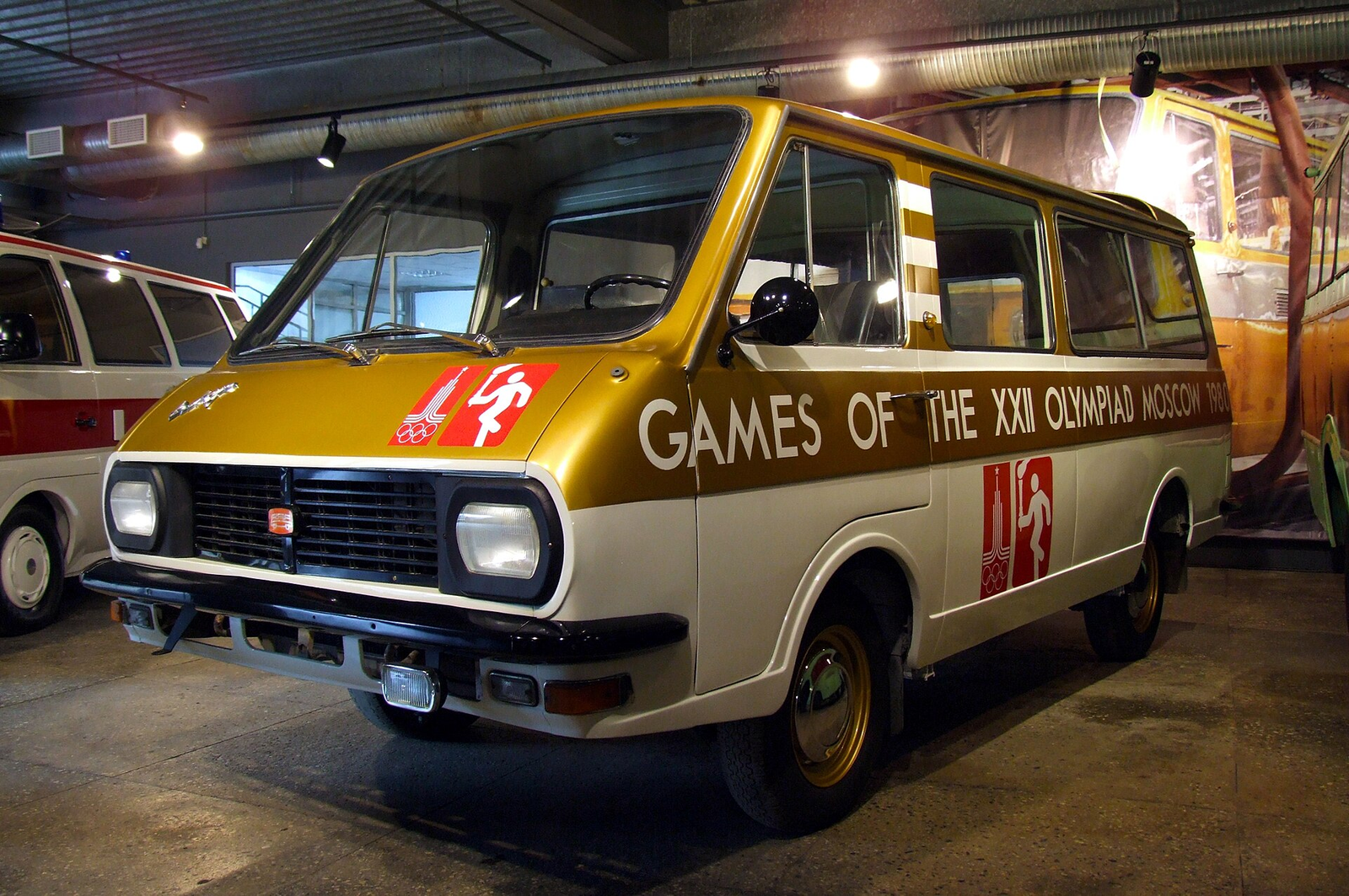
As a result, production of the RAF-2203 was stopped in 1997. Despite attempts to modernize and create new versions, the era of "Latvia" came to an end.
Significance today
Today, this minibus is perceived as a kind of monument to time. It reminds us of a period when, with limited resources, solutions were created that could cover a huge country and meet diverse needs.
The RAF-2203 became a symbol of:
- transport accessibility
- engineering practicality
- the pursuit of unification and mass production
The RAF-2203 "Latvia" went beyond the ordinary car. It became part of the collective memory, uniting generations.
The history of this model shows that even a simple and pragmatic technical solution can eventually acquire cultural significance and become a symbol of an entire era.
Read more materials:
- Engine noise: when it's dangerous
- Headlight glare: how to protect your vision
- Why Toyota engines last 500,000 km
Комментарии