Not long ago, the Chinese auto industry was considered the main symbol of global growth. Sales broke records, new brands appeared almost every month, and electric vehicles rapidly captured the market. But now even the industry leaders themselves are beginning to talk about the end of the “golden age.”
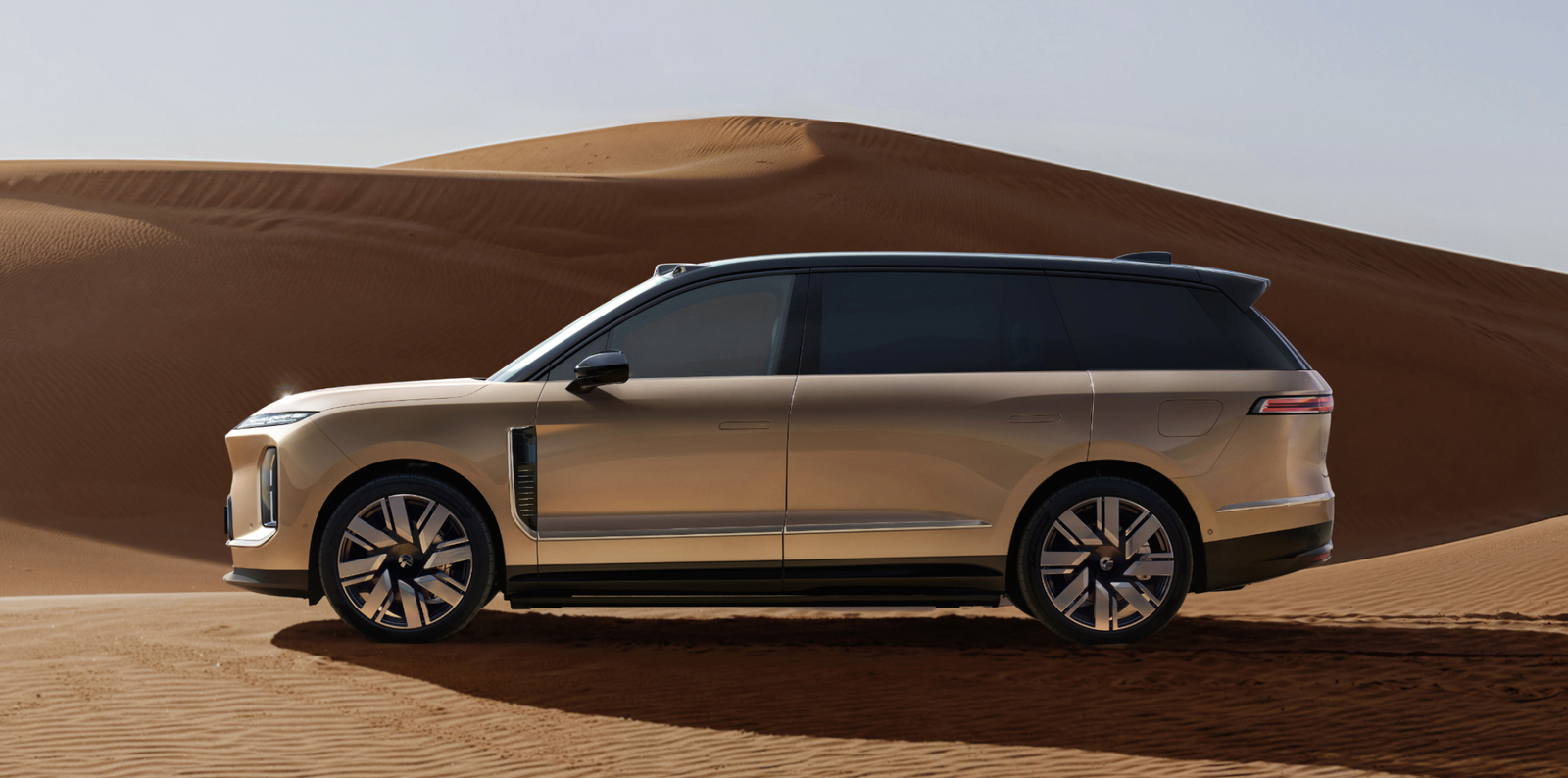
The reason for this was the statements made by Nio CEO William Li. According to him, the Chinese automotive market can no longer be considered a growth market. There are already about 370 million cars in the country, and domestic sales have been declining for several months in a row. In fact, the market is gradually moving from an expansion phase to a struggle for market share among existing players.
This dramatically changes the rules of the game. Previously, many companies could grow simply due to an overall increase in demand. Now manufacturers have to win customers from each other. That is why the market has been drawn into endless price wars, which are already hurting the profits of almost all brands.
At the same time, China remains the most technologically aggressive automotive market in the world. Manufacturers continue to invest billions in AI systems, autonomous driving, new batteries, and digital platforms. For example, Nio has already announced a multiple increase in investments in computing power for intelligent driving.
But now this is no longer enough. Previously, new technologies automatically brought sales growth. Today, they are becoming a mandatory minimum for survival. That is why Chinese companies are increasingly looking for buyers outside the country. Exports are turning from an additional direction into one of the main sources of future growth.
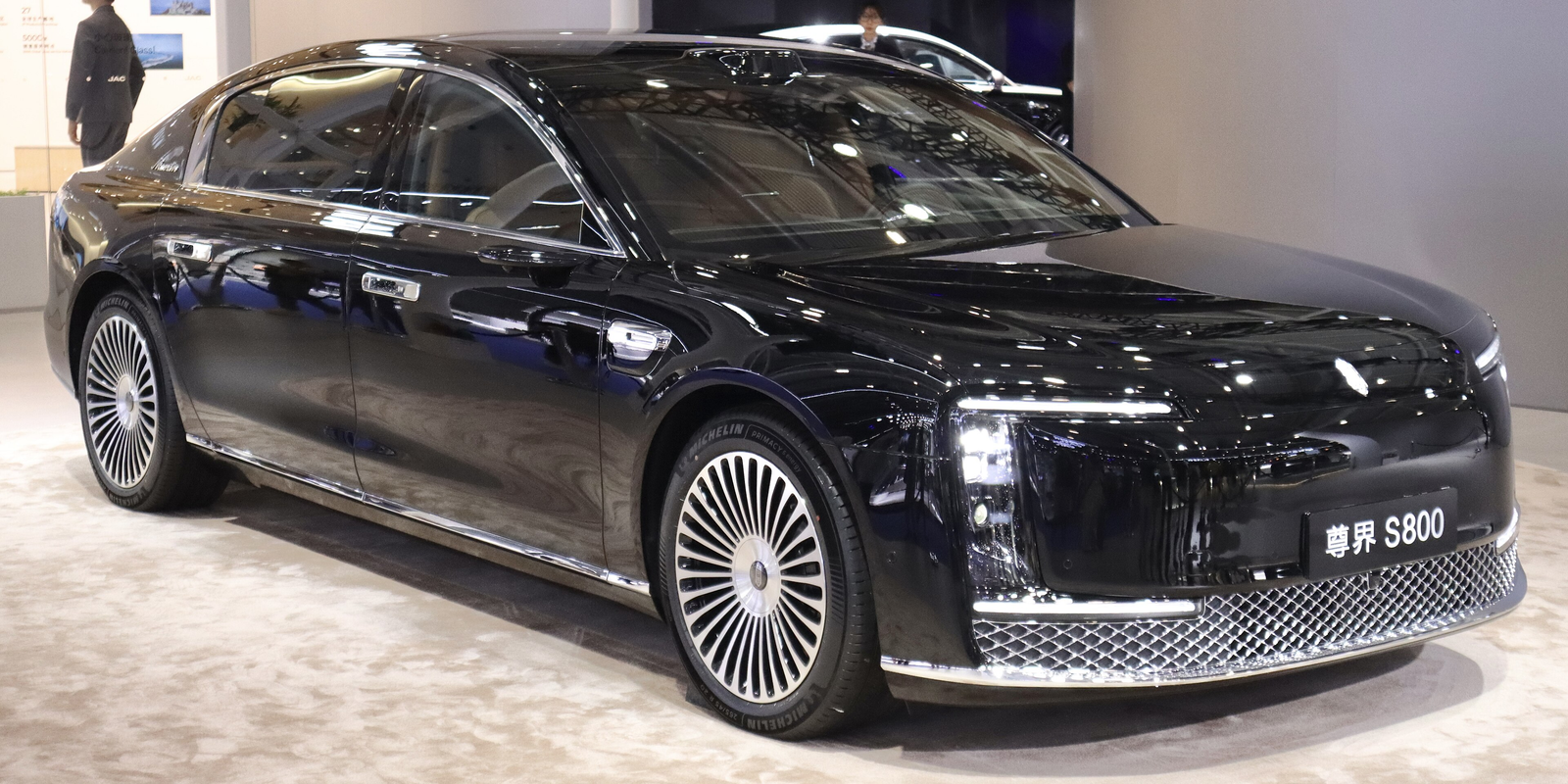
Against this background, it is particularly indicative that Chinese brands are beginning to change their strategy. Instead of simply increasing volumes, they are increasingly trying to create their own market segments — from premium Huawei AI sedans to electric coupes and compact kei-cars for Japan. The market is becoming not wider, but more complex.
The end of the “golden age” could make the Chinese auto industry even stronger. The weakest players will gradually disappear, and the surviving brands will be forced to compete not only on price, but also on technology, design, software, and global presence.
That is why the current crisis looks not like the end of the Chinese automotive boom, but as a transition to the next stage. If earlier the industry fought for growth, now a much tougher struggle for a place among world leaders begins.
Read more materials:
- The most unusual car of the early XX century
- The only victory of the socialist auto industry: the Dacia phenomenon
- Why bird droppings are more dangerous than winter reagents