There is a special category of cars that seem to defy time, high mileage, and pessimistic owner forecasts. We are not talking about just reliable models, but about true endurance record-holders — cars for which the mark of several hundred thousand kilometers is not the end of their career, but another stage of operation.
Overcoming the 250,000-mile, or 400,000-kilometer, mark has long been considered a symbol of automotive longevity. The analytical company iSeeCars studied data on 174 million cars and found out which manufacturers most often end up in the peculiar "400,000-kilometer club," and which brands rarely reach such impressive figures.
Japanese Brands Once Again Came Out on Top
The main conclusion of the study turned out to be quite expected, but no less indicative. Japanese manufacturers once again took the leading positions, leaving many competitors far behind, including famous European brands.
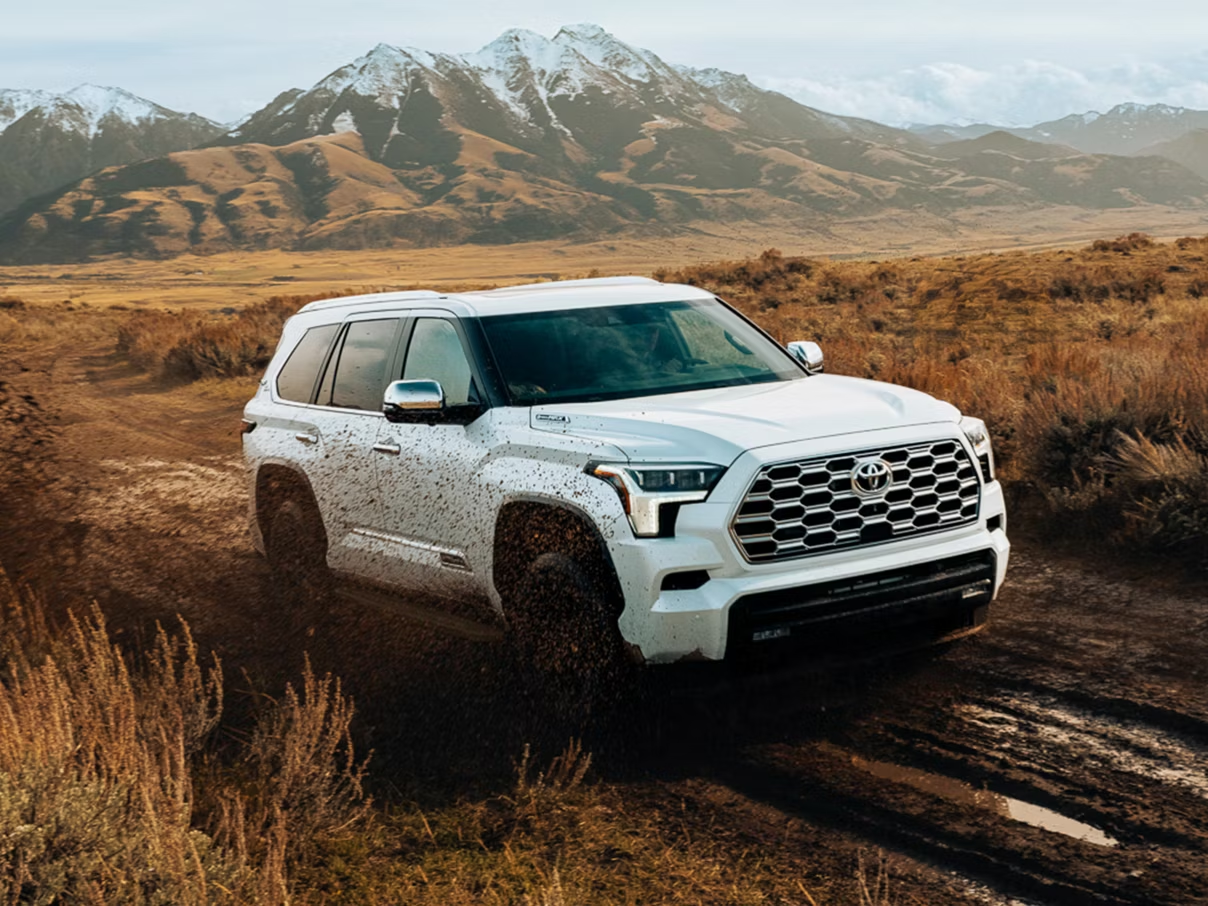
For the average car, the probability of exceeding the 400,000-kilometer mark is only 4.8%. Against this background, Toyota's results look impressive: the brand's indicator reached 17.8%.
In fact, this means that almost one in five Toyota cars has a chance to cover such an impressive mileage. Such a result significantly distinguishes the company from the rest of the market.
The leaders also included:
- Lexus — 12.8%
- Honda — 10.8%
- Acura — 7.2%
Acura's result looks particularly interesting. Honda's premium division took fourth place in the ranking, demonstrating that a high level of comfort does not necessarily have to be accompanied by low durability.
Tesla Became an Exception Among Electric Vehicles
Tesla deserves special attention. Despite constant discussions around the lifespan of traction batteries and the cost of repairing electric vehicles, the statistics showed a very decent result.
With an indicator of 4.6%, the American company surpassed many traditional car manufacturers. In the premium car segment, Tesla was second only to Lexus and Acura, taking third place.
This result is largely explained by the design features of electric vehicles. They lack many components characteristic of cars with internal combustion engines:
- engine oil
- spark plugs
- turbochargers
- a large number of mechanical components of the power unit
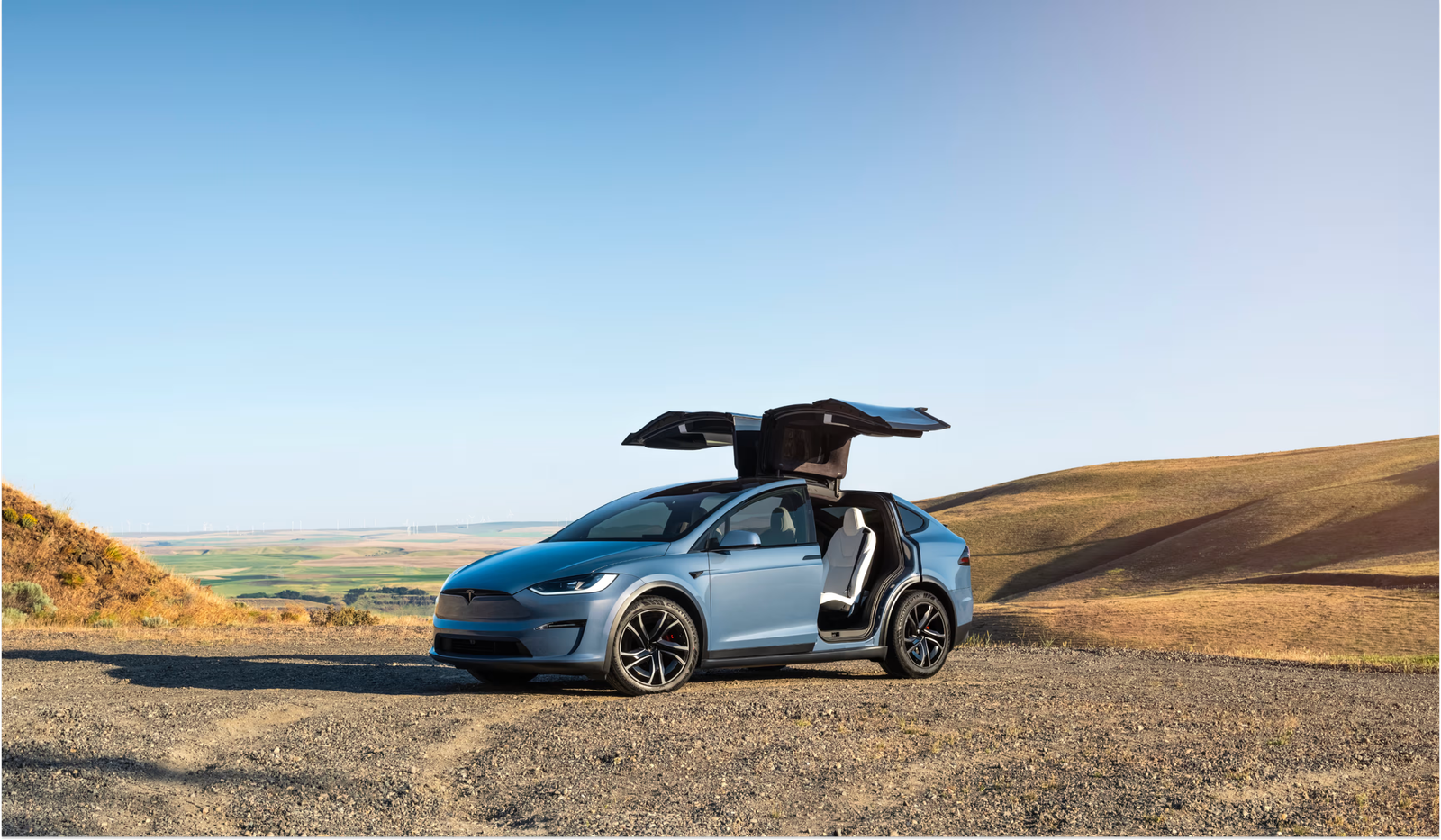
To date, Tesla remains virtually the only mass manufacturer of electric vehicles whose cars regularly approach the 400,000-kilometer mileage mark.
Who Else Shows Decent Results
In addition to Japanese brands, some American manufacturers also demonstrated comparatively good results.
Among them are:
- GMC — 4.6%
- Chevrolet — 4.5%
Although their results are noticeably inferior to the leaders of the rating, they still exceed the indicators of many well-known global brands.
Outsiders of the Study
At the opposite end of the list were brands for which overcoming the 400,000-kilometer mark is extremely rare.
According to the study, the probability of encountering cars of the following brands with such mileage is practically zero:
- Jaguar — 0%
- MINI — 0%
- Maserati — 0%
The results of other well-known manufacturers look slightly better:
- Land Rover — 0.1%
- Audi — 0.3%
- BMW — 0.4%
- Porsche — 0.5%
- Mercedes-Benz — 1.7%
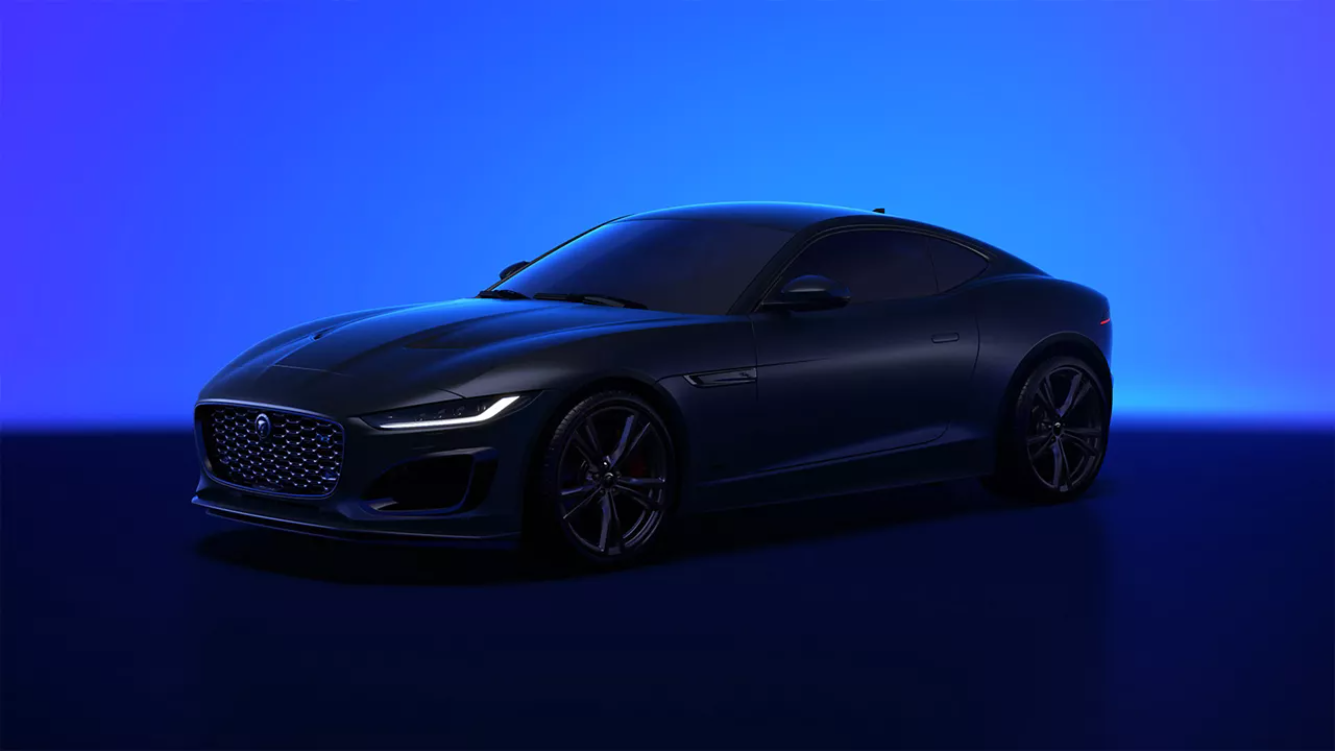
At the same time, analysts note an important nuance: some owners of such cars operate them significantly less than average cars, which also affects the final statistics.
Why Some Cars Last for Decades
Experts, including iSeeCars analyst Karl Brauer, attribute the success of Japanese manufacturers primarily to their conservative approach to engineering.
While many companies rely on complex technical solutions and constant power increases, Toyota and Honda traditionally prefer time-tested designs.
That is why many models of these brands have used for many years:
- naturally aspirated V6 and V8 engines
- classic coil spring suspensions
- units with a large margin of safety
Even Toyota's hybrid cars, including the Prius, have repeatedly demonstrated high durability and the ability to cover huge distances without serious problems.
Among the most durable models, the following are especially often mentioned:
- Toyota Sequoia
- Toyota 4Runner
- Toyota Tacoma
These cars have long earned a reputation as machines that continue to work even when many competitors have already changed owners multiple times or gone to the junkyard.
What This Means for Buyers
For those who view a car as a long-term investment and expect to drive the same car for many years, the study's results provide a clear enough guideline.
Practice shows that maximum durability is most often demonstrated by cars with a relatively simple design and a minimum number of complex technical solutions. That is why recommendations regularly include models such as the Toyota Avalon, Honda Accord, and various body-on-frame Toyota SUVs.
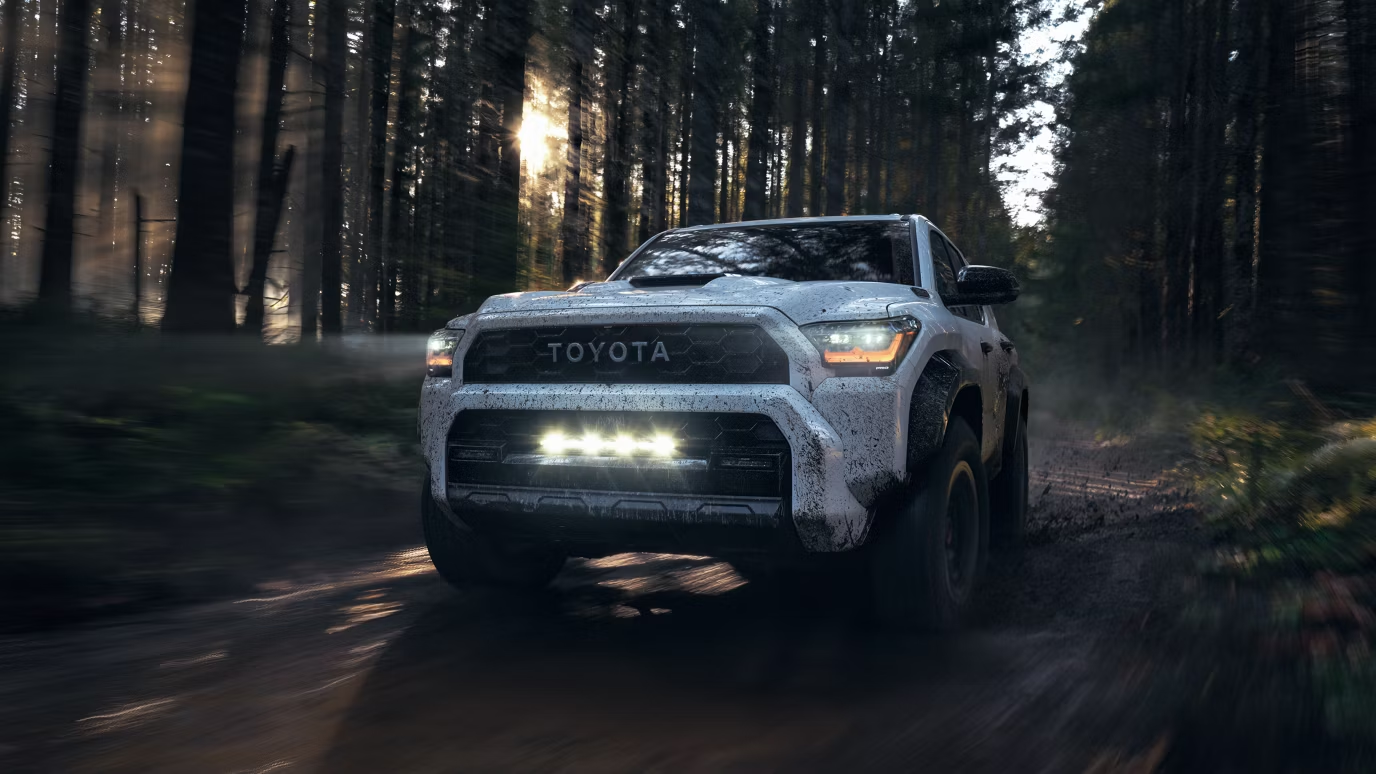
Korean brands Hyundai and Kia are separately mentioned in the study. Despite significant progress in recent years and long warranty programs, the probability of cars of these brands reaching the 400,000-kilometer mark was only 0.6%.
Study Results
The results of the analysis of 174 million cars clearly demonstrate that durability remains one of the strongest sides of the Japanese automotive industry. Toyota, with a result of 17.8%, significantly outperforms most competitors, and Lexus, Honda, and Acura are confidently among the leaders.
The study also shows that a high price tag, prestigious status, and complex technical solutions do not always guarantee outstanding durability. In many cases, it is the simplicity of design and conservative engineering that are the key to truly high mileage.
For those who dream of seeing 400,000 kilometers or more on the odometer, analysts actually give quite simple advice: pay attention not to spectacular marketing promises, but to cars that have proven their reliability in practice for years. Ultimately, the choice comes down to a simple question: do you need a car for long-term use or equipment that will more often remind you of itself with visits to the service center?
Read more materials:
- Honda Element: a car that was not understood immediately
- Intercooler: a small radiator that saves the engine
- GAZ-53S: the forgotten conqueror of the Far North
Комментарии