Among car enthusiasts, there's a long-standing unwritten rule: at least once in your life, you must want to buy an Alfa Romeo. For decades, the Italian brand captivated with its striking design, exhilarating handling, and a special atmosphere hard to find in other manufacturers. But a perfectly legitimate question arises: if Alfa Romeo is so beloved by car fans, why did it never transform into a global premium giant comparable to BMW or Mercedes-Benz?
Attributing this solely to reliability issues would be too simplistic. The brand's fate was influenced by a complex set of factors – its development peculiarities, state management, strategic errors, limited resources, and the specifics of the global automotive market. It is their combination that determined Alfa Romeo's current position.
Sporty Character Proved More Important Than Mass Sales
Almost from its earliest years, Alfa Romeo focused on sports cars and advanced engineering solutions. The company actively participated in motorsports, and many technical developments were significantly ahead of their time.
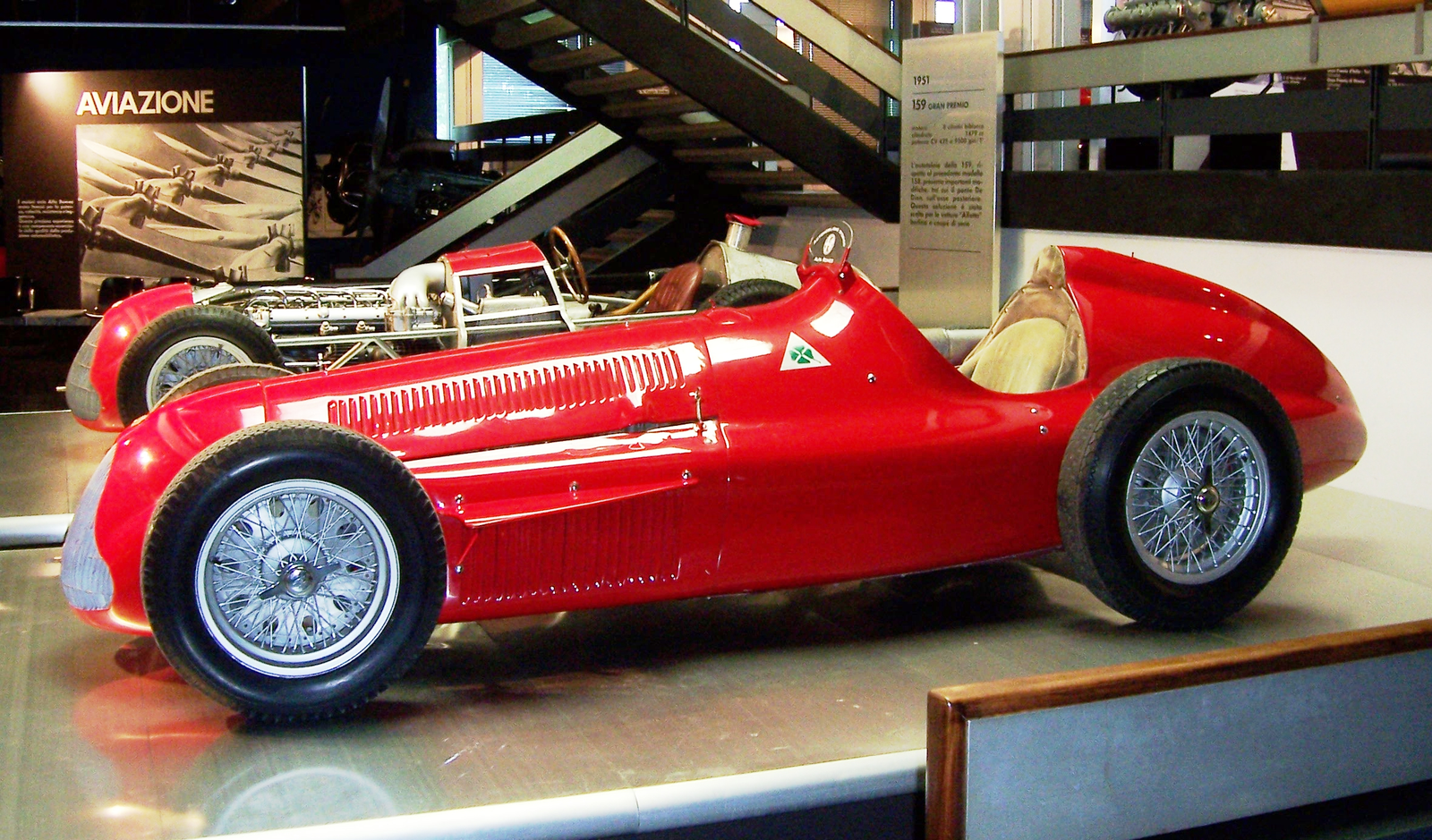
However, the mass market operates under different rules. Most family car buyers primarily look at practicality, maintenance costs, reliability, and service levels.
Alfa Romeo, on the other hand, traditionally offered entirely different values:
- expressive design;
- engaging handling;
- dynamic character;
- engineering originality.
This approach cultivated a very loyal audience but simultaneously limited sales volumes. Unlike Alfa Romeo, BMW and Mercedes-Benz managed to strike a balance between emotional appeal and versatility, making their cars attractive to both enthusiasts and ordinary buyers.
State Management Played an Ambiguous Role
For a significant part of its history, Alfa Romeo developed under state control.
After financial difficulties, the company became part of Italy's state industrial sector. This decision allowed production to continue but did not always contribute to rapid business development.
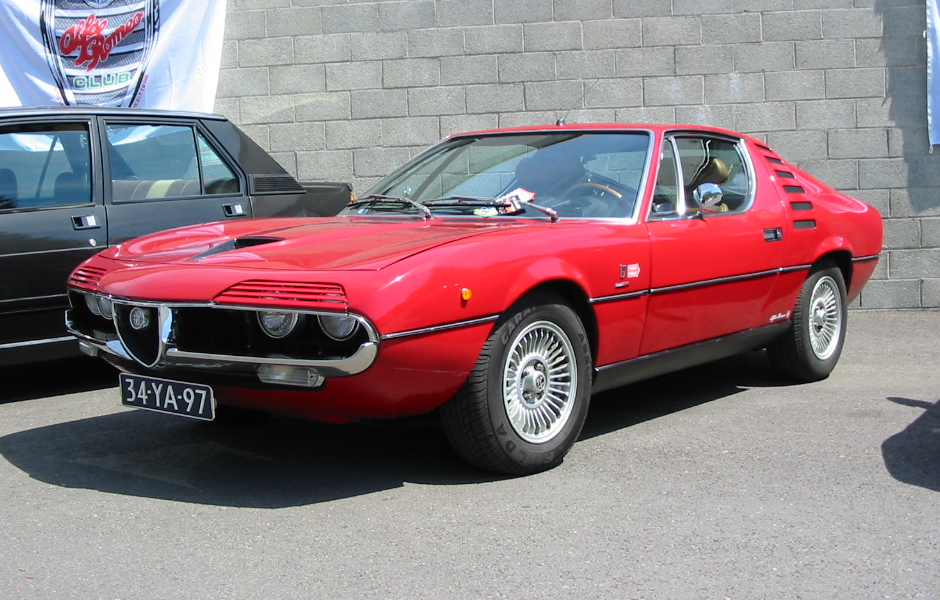
As a result, the company regularly faced several problems:
- slow management decision-making;
- limited investments;
- delays in model range updates.
While German manufacturers actively expanded their presence in new segments, Alfa Romeo often lacked the resources to implement equally ambitious projects.
Reputation Proved Harder to Restore Than Car Quality
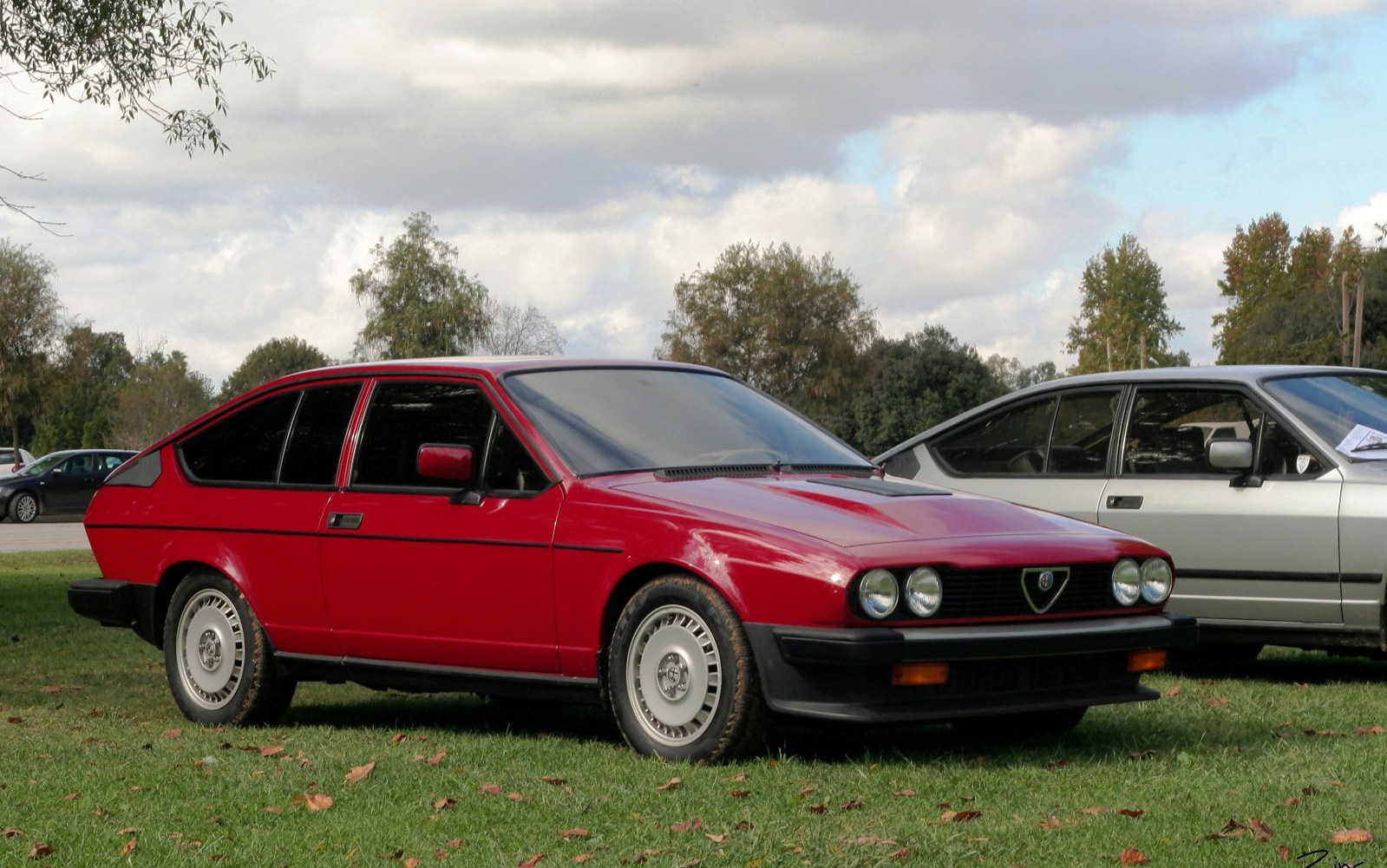
One of the most severe blows to the brand was the quality issues of cars produced in the 1970s and 1980s.
It was the models of that period that were most often criticized for:
- accelerated body corrosion;
- electrical system malfunctions;
- difficulty of maintenance.
Later, car quality significantly improved, but the negative reputation continued to influence buyer perception.
The automotive market is extremely sensitive to such things. Lost trust returns much slower than technical shortcomings are rectified. BMW and Mercedes-Benz also went through difficult periods, but their image proved significantly more resilient.
Without a Developed Dealer Network, Becoming a Global Leader is Impossible
High car quality is only one component of success.
Equally important are:
- a wide dealer network;
- availability of service;
- a developed spare parts supply system.
It was in these areas that Alfa Romeo lagged behind its German competitors for a long time.
This was especially noticeable in North America – one of the world's largest automotive markets. BMW and Mercedes-Benz invested decades in developing international infrastructure, allowing owners in almost any country to count on full service.
Alfa Romeo did not have such a network, which significantly limited its market prospects.
Buyers Often Simply Had No Choice
The model range also played a significant role.
German manufacturers gradually created full families of cars in almost all market segments.
Buyers had access to:
- compact models;
- business sedans;
- executive cars;
- coupes;
- crossovers;
- electric vehicles.
This allowed them to stay within one brand regardless of changing life circumstances.
Alfa Romeo, on the contrary, repeatedly reduced the number of models and even temporarily left certain car classes. As a result, many owners were forced to switch to competitors simply because the brand's lineup lacked a suitable car.
Constant Changes in Direction Hindered Development
Over the past decades, Alfa Romeo's management has revised the brand's development strategy several times.
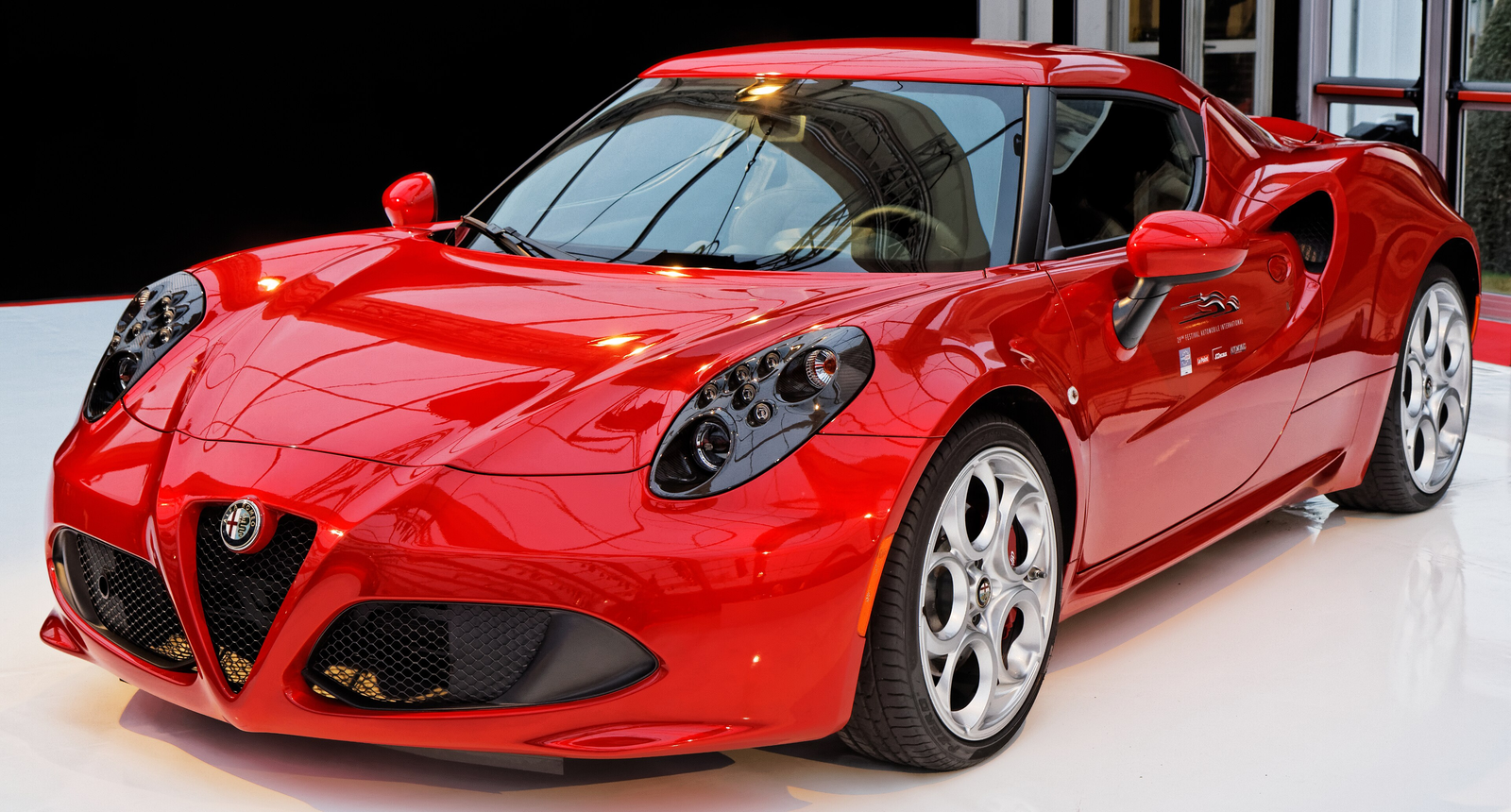
In different years, the company tried to:
- compete with mass manufacturers;
- rival premium brands;
- focus exclusively on a sporty image.
Such inconsistency complicated the formation of a clear brand identity.
BMW and Mercedes-Benz maintained a clear positioning for many years, allowing buyers to understand what to expect from each new model.
Alfa Romeo was much more often in search of its own direction of development.
Italian Approach Versus German Systematics
There is another factor that is difficult to quantify.
German manufacturers historically built their work around strict standardization, production scaling, and continuous quality control.
The Italian automotive school has always adhered to a different philosophy.
Here, much more attention was paid to:
- design;
- engineering audacity;
- emotional perception of the car;
- driving pleasure.
It is thanks to this that Alfa Romeo created many models that are still considered some of the most charismatic cars of their time.
However, when producing millions of cars annually, process stability often becomes more important than striking individuality.
Why Alfa Romeo Still Remains a Special Brand
The history of Alfa Romeo cannot be called a history of defeat.
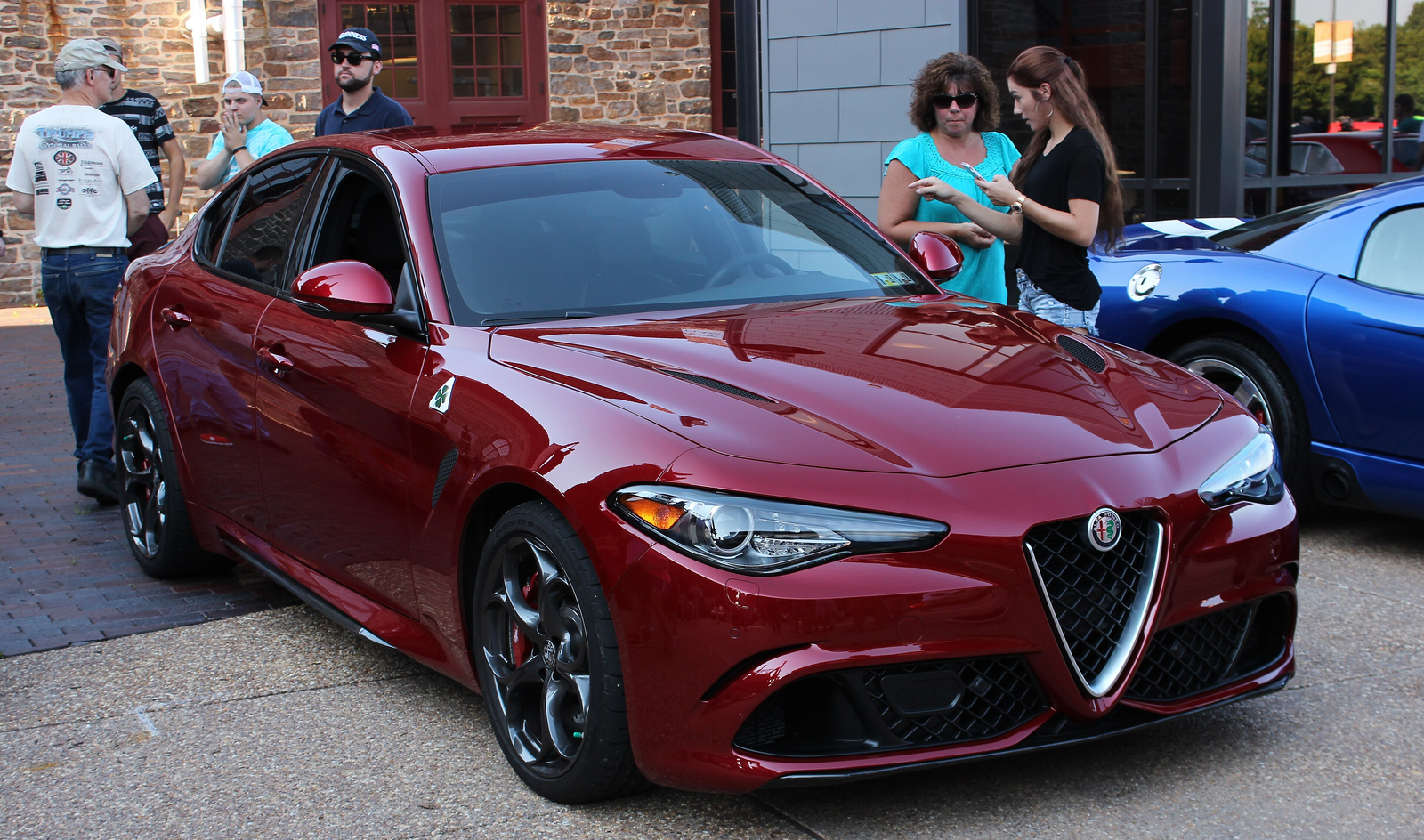
The brand failed to become a global giant like BMW or Mercedes-Benz, but the reason is not the lack of interesting cars.
Success in the global market is determined by several factors: stable product quality, large-scale investments, a developed dealer network, a wide model range, and a consistent strategy over decades.
These components allowed BMW and Mercedes-Benz to build the largest premium automotive corporations.
Alfa Romeo chose a different path. Less mass-market, more emotional, and in many ways contradictory. Therefore, today this brand remains a symbol of automotive passion and driving pleasure – qualities that cannot be measured solely by sales volumes or global market share.
Read more materials:
- How to visit gas stations less often during price increases
- Why the world is abandoning gasoline faster than Russia
- Lancia Delta Integrale: a legend that is becoming more valuable