Just a few years ago, it seemed that the days of ordinary LED headlights were numbered. BMW was the first to introduce laser optics on a production car – the i8 hybrid sports car, and soon Audi presented a similar technology. Manufacturers promised a real revolution in automotive lighting, but by 2026, it became clear: the predictions did not come true. More and more new BMW models are getting modern matrix LED headlights instead of laser ones. Why did this promising technology never become mainstream?
Why laser headlights were considered a breakthrough
Laser optics first appeared on the BMW i8 in 2014. Later, they began to be offered for the 7 Series, X5, X7, and other models of the brand.
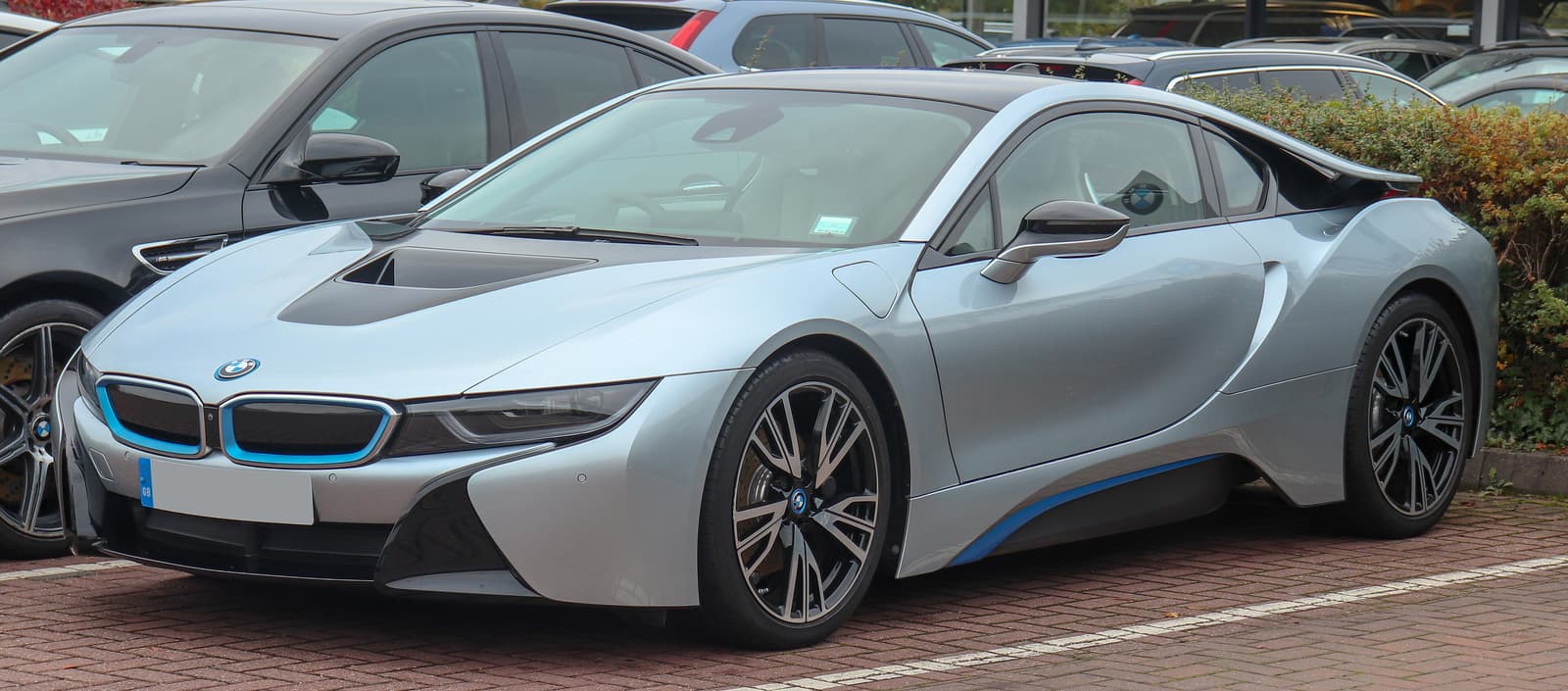
The main advantage was considered to be the impressive illumination range. While the best LED headlights of that time allowed visibility for about 300 meters, laser ones could illuminate the road for almost 600 meters.
Such a system works quite unusually. Blue laser diodes direct radiation onto mirrors, then the light hits a lens with yellow phosphorus. Under its influence, powerful white light is formed, which the optical system shapes into a light beam safe for the eyes.
This design allowed for very bright illumination with compact headlight dimensions. At presentations, the technology looked almost perfect.
Real-world operation turned out to be less impressive
Over time, it became clear that the main advantage of laser optics could be utilized very rarely.
Maximum range is achieved only when several conditions are met simultaneously:
- high driving speed;
- completely dark road;
- absence of oncoming traffic.
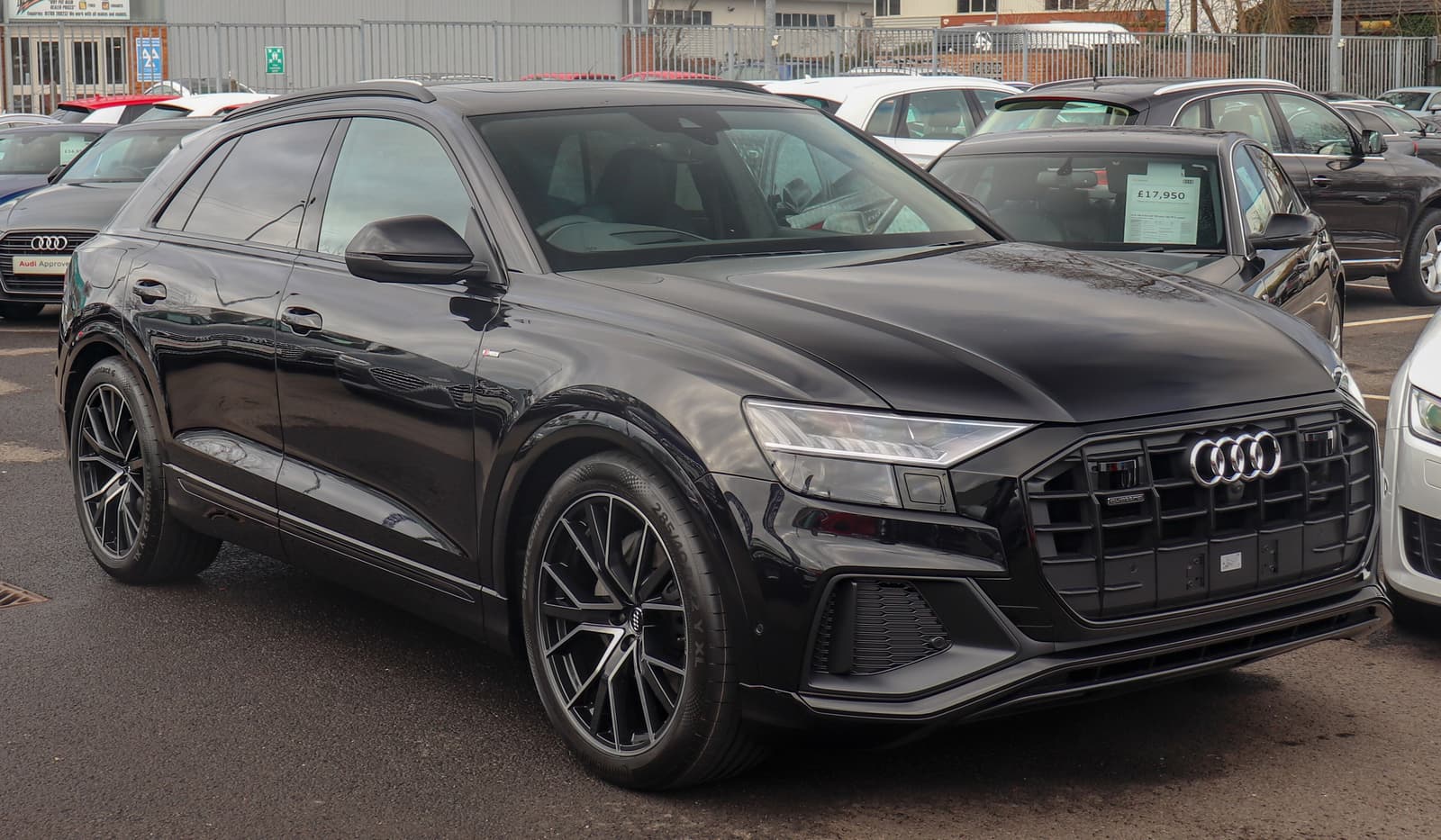
In normal operation – in the city or on busy highways – laser headlights practically do not surpass modern adaptive LED systems. As a result, owners were offered an expensive option whose capabilities remained unused most of the time.
An additional limitation was the legislation of various countries. For example, in the USA, the maximum operating range of laser optics was reduced from 650 to 250 meters for safety reasons. In addition, American standards limit the luminous flux to 150,000 cd, which is almost three times less than the European standard.
As a result, a paradoxical situation arose: the technology is capable of illuminating the road for half a kilometer, but regulatory restrictions do not allow this potential to be fully utilized.
The main drawback turned out to be the cost
Another serious problem was the price.
When the technology appeared in 2014, a BMW i8 with laser optics cost approximately 9500 euros more than the version with conventional headlights.
The repair cost was also high. Even minor damage often required a complete replacement of the expensive module, the price of which amounted to hundreds of thousands of rubles. At the same time, there were few services ready to perform such repairs.
This year, the German automobile club ADAC also drew attention to this problem. According to their data, restoring the front part of a BMW 330e with laser headlights can cost almost 8000 euros. A similar repair for a car with conventional LED optics costs about 1700 euros less.
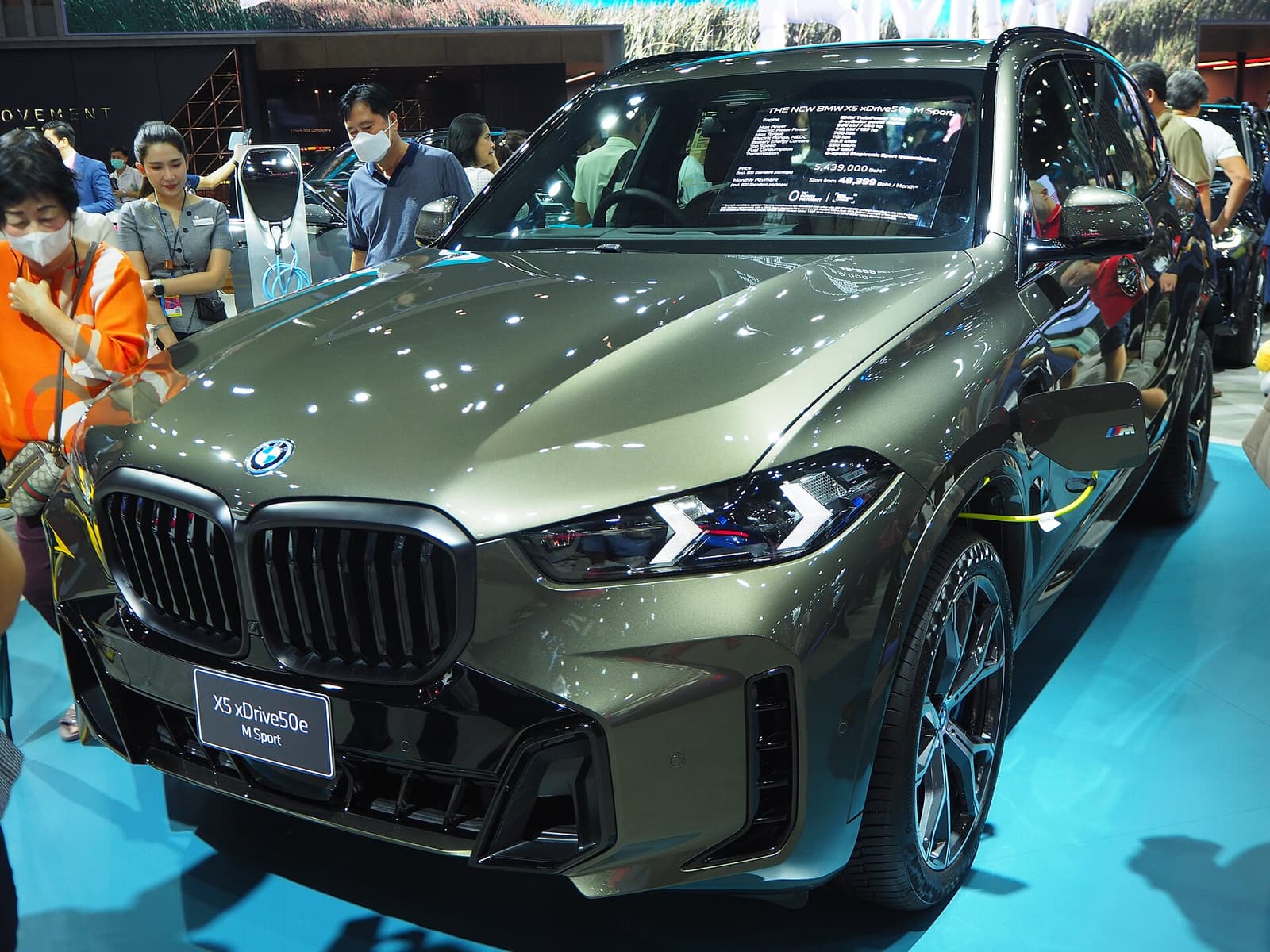
Therefore, ADAC urged manufacturers to pay more attention to the maintainability of cars, and recommended buyers to be more careful when choosing expensive options.
LED technologies did not stand still
While BMW and Audi were perfecting laser optics and trying to adapt them to existing limitations, LED technologies made a huge leap forward.
First, matrix headlights appeared, capable of automatically turning off individual light segments so as not to blind oncoming drivers.
Later, digital systems like Mercedes-Benz Digital Light appeared, which can project warnings and guiding lines onto the road surface.
Modern LED headlights provide a greater illumination range, are highly accurate, are cheaper to produce, and significantly easier to maintain. Therefore, the main advantage of laser technology – ultra-long-range light – gradually ceased to be unique.
Why BMW is gradually abandoning lasers
Although the company has not officially announced the cessation of technology development, new models are less and less likely to receive laser optics.
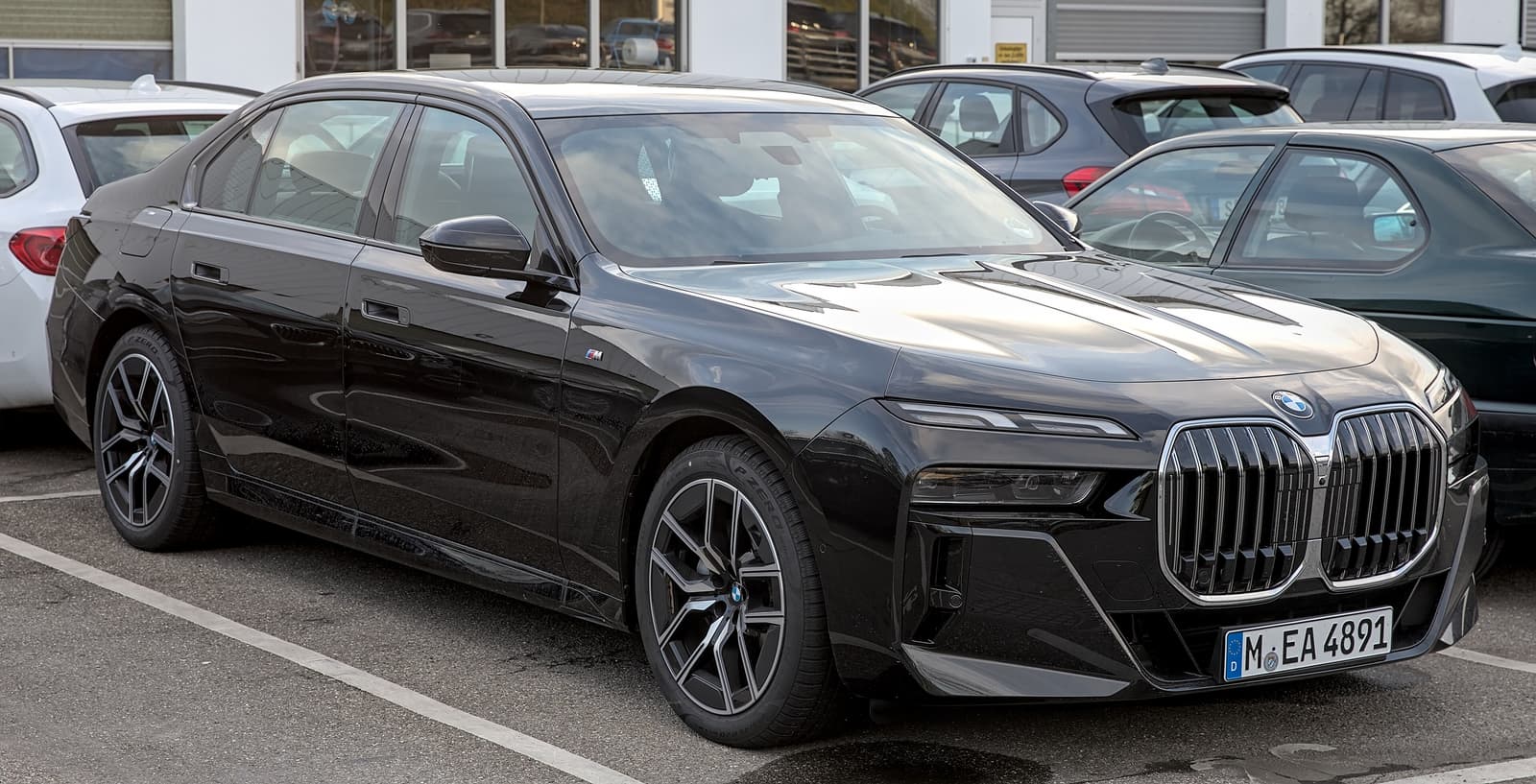
Today, BMW is increasingly relying on adaptive matrix LED headlights. They are simpler in design, cheaper to produce and operate, and are practically on par with laser systems in terms of safety and efficiency.
As a result, the technology that was considered the future of automotive lighting just a few years ago failed to become a new industry standard. The reasons were high cost, legislative restrictions, and the rapid development of modern LED systems, which managed to almost completely close the gap in efficiency.
Read more materials:
- Why modern cars are getting bigger and what this already threatens cities with
- Why good painters never skimp on these four painting stages
- Diesel runaway: what happens and how to stop the engine