Translated with AI from the Russian original.
The characteristic metallic ticking that appears immediately after starting the engine is familiar to many motorists. Sometimes it disappears after a few seconds, and sometimes it continues to accompany the engine's operation even after warming up. In most cases, the source of such noise is hydraulic lifters — small elements of the valve train that automatically maintain the necessary thermal clearance between the camshaft lobes and the valves.
In good condition, hydraulic lifters operate almost silently. If a characteristic knock appears, it may indicate either temporary problems with the lubrication system or the beginning of serious wear of engine parts.
How hydraulic lifters work
Their principle of operation is quite simple.
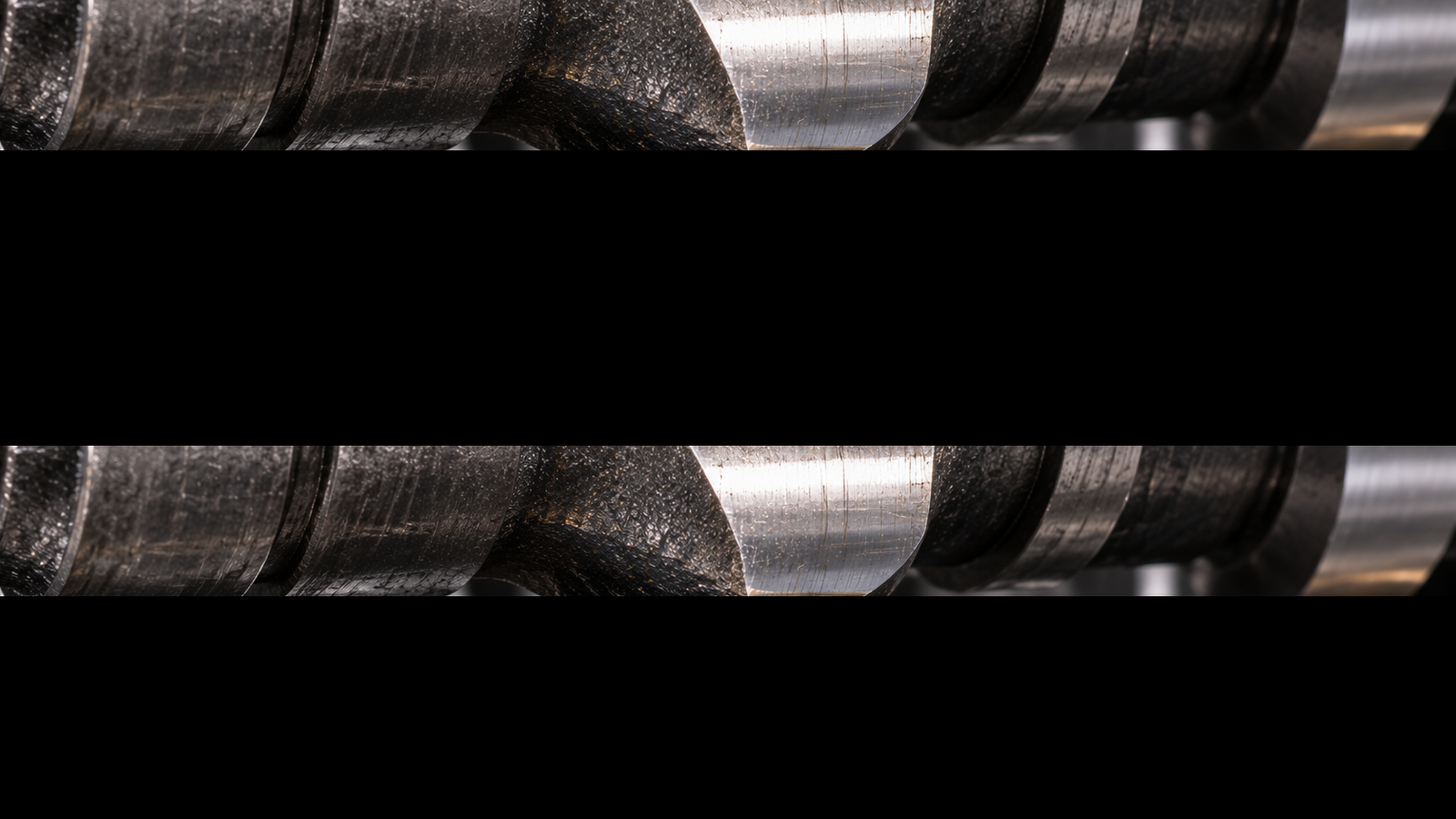
Inside each hydraulic lifter is a plunger mechanism that is filled with engine oil under pressure. This automatically compensates for the thermal clearance in the valve mechanism, which frees the engine from the need for regular manual valve adjustment.
If oil is not supplied in sufficient quantities or the hydraulic lifter loses its seal, a characteristic metallic ticking appears.
Main causes of knocking
There are several common causes.
Most often, the problem arises due to:
- contamination of hydraulic lifters with oil aging products;
- use of low-quality or unsuitable engine oil;
- natural wear of the plunger pair;
- loss of elasticity of the internal spring;
- insufficient pressure in the lubrication system;
- clogged oil filter;
- worn oil pump.
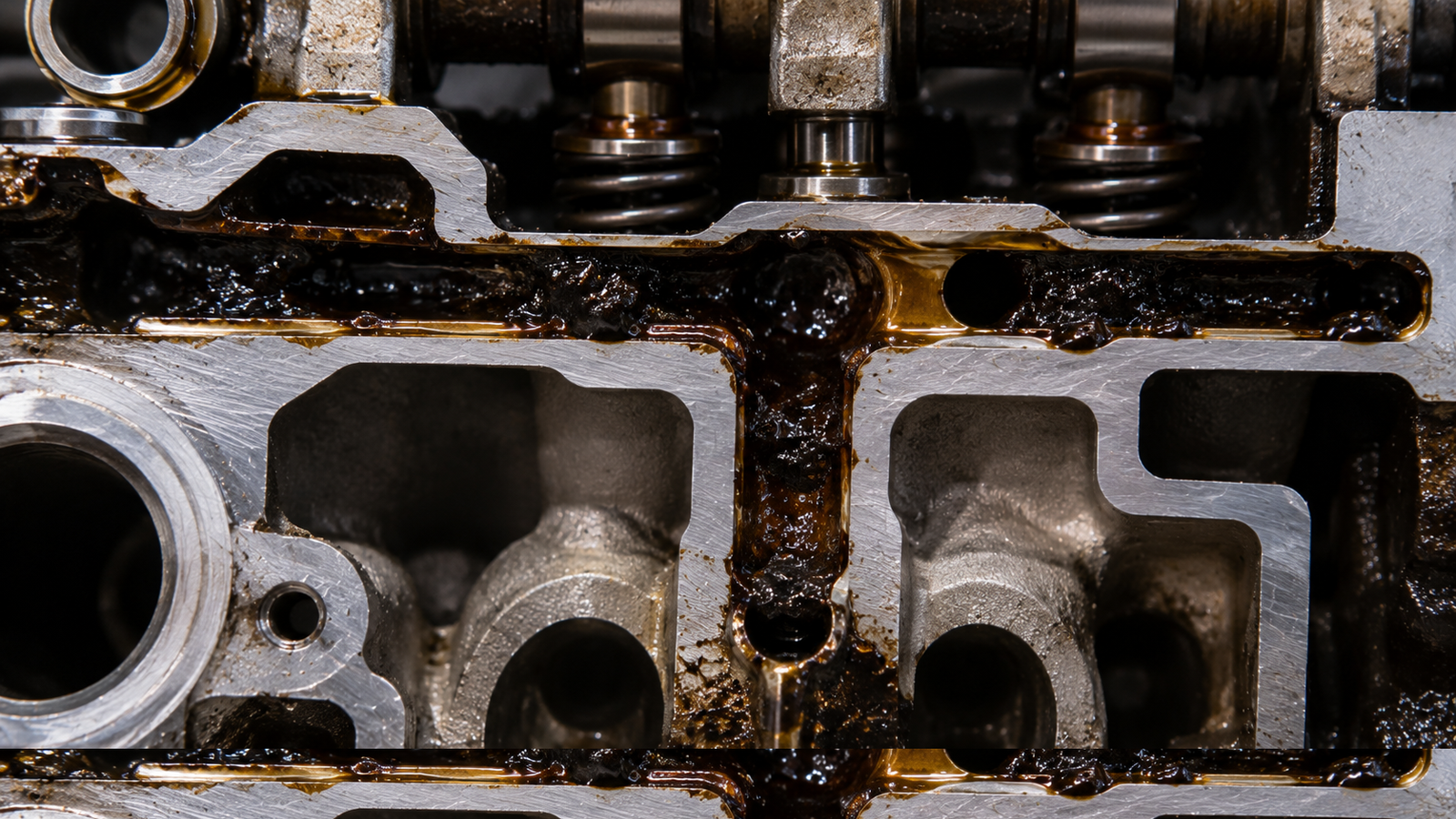
In many cases, the cause is precisely untimely oil change. Deposits gradually block the thin oil channels inside the hydraulic lifter, causing it to stop functioning normally.
When noise is considered normal
If the ticking is heard only in the first few seconds after a cold start and completely disappears after a short time, the reason may be a temporary delay in filling the hydraulic lifters with oil.
However, the situation requires attention if:
- the noise persists after the engine warms up;
- the knock becomes louder;
- it appears constantly regardless of engine temperature.
In such cases, delaying diagnosis is not advisable.
How to identify a faulty hydraulic lifter
Preliminary checks can be performed independently.
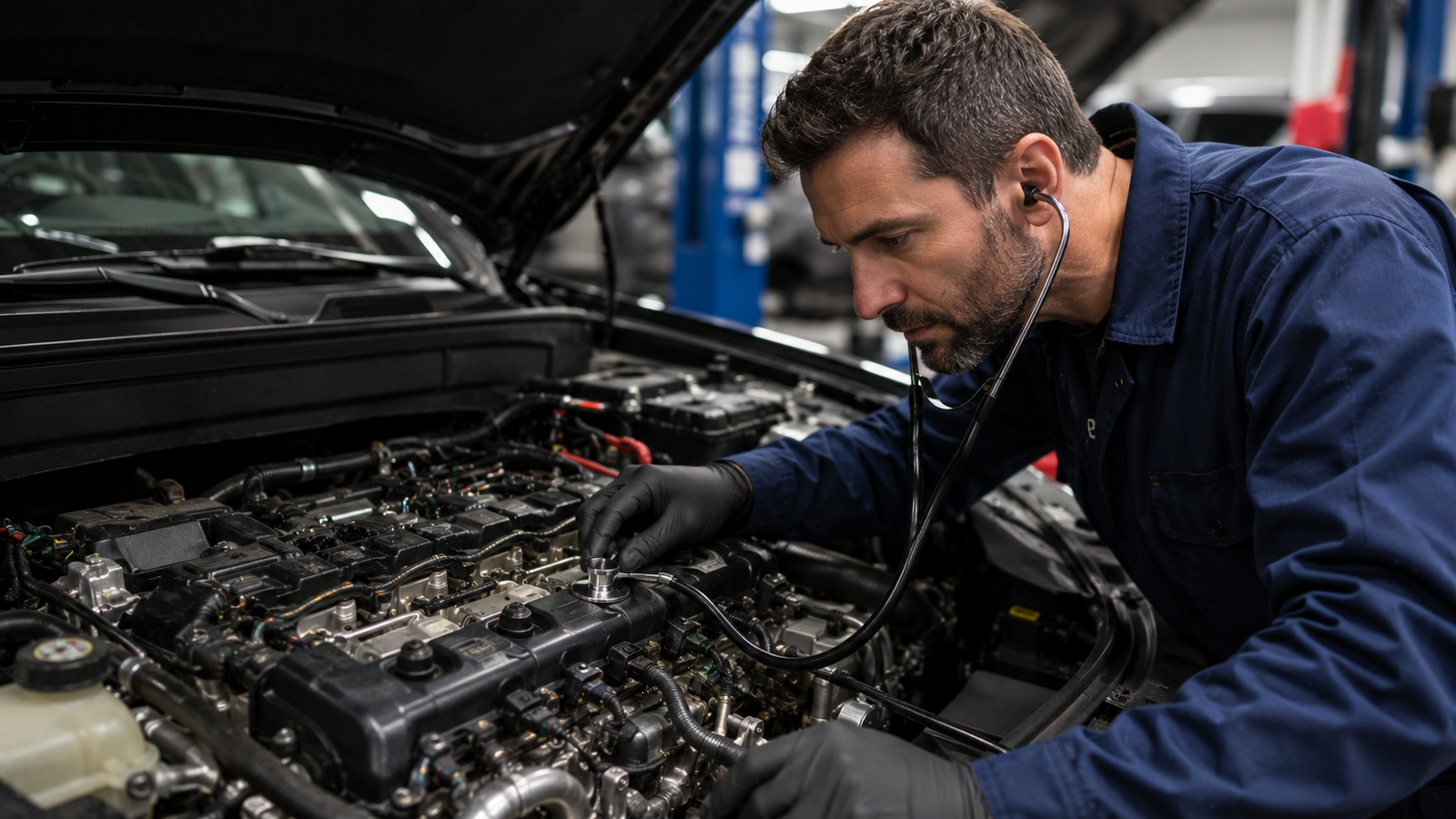
For this, an automotive stethoscope or a regular long screwdriver is used, applying it to the valve cover near each hydraulic lifter. The loudest metallic sound allows for an approximate determination of the malfunction location.
However, this method provides only an approximate result.
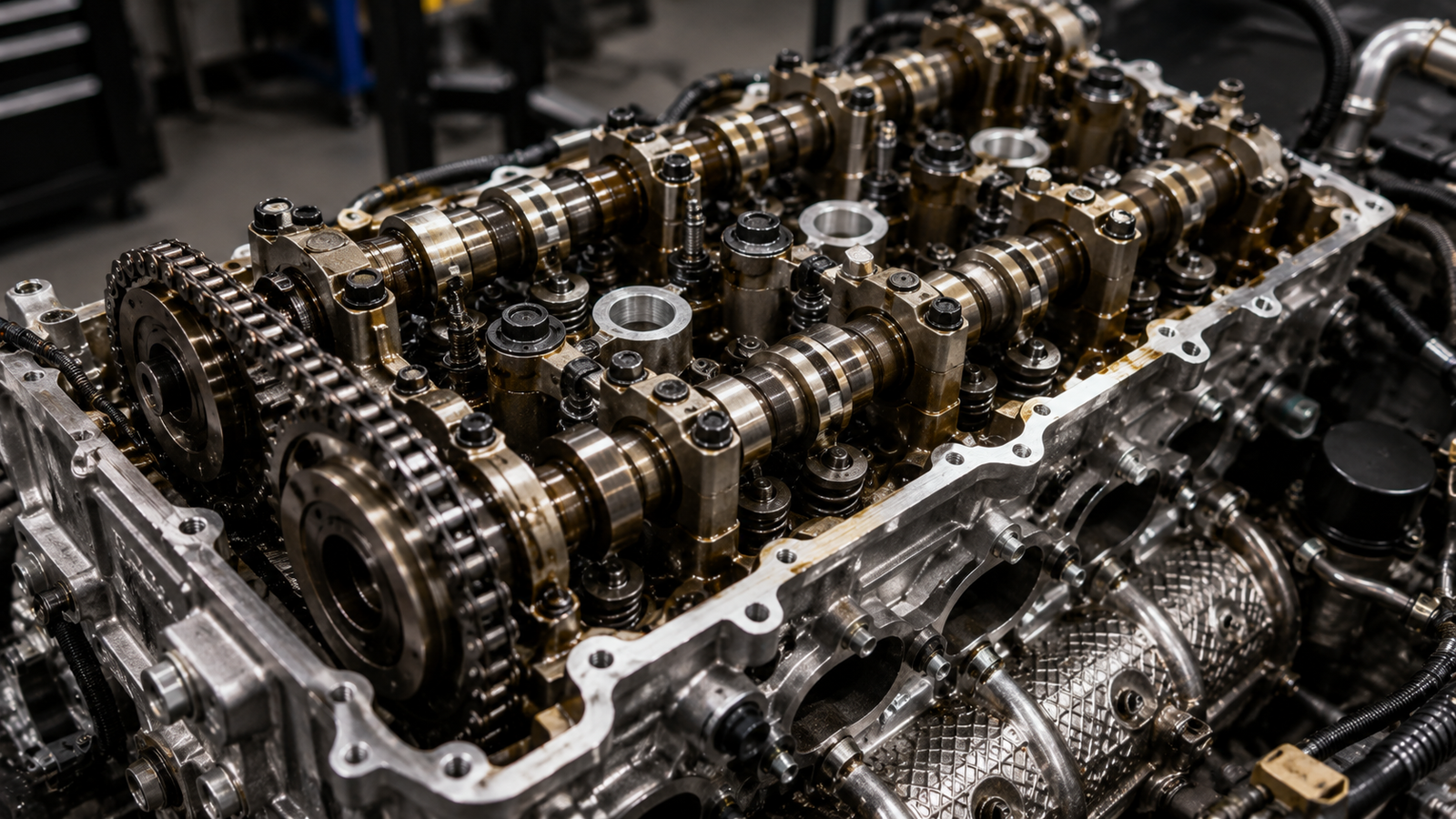
Full diagnosis usually requires disassembling the valve train. After removing the camshaft, the mechanic checks each hydraulic lifter individually, assessing its ability to hold pressure and fill with oil normally.
On some engines, the extent of disassembly is so great that specialists recommend replacing the entire set of hydraulic lifters immediately.
What to do if knocking appears
The method of troubleshooting depends on the cause of its occurrence.
1. Oil change and engine flush
If the knock occurs only on a cold engine, the first step is usually to change the engine oil and filter.
Before this, many specialists recommend using a flushing compound designed to clean the oil system before changing the oil.
This procedure helps remove some contaminants from the internal channels and sometimes completely eliminates the problem.
It is important to strictly follow the manufacturer's instructions for the flushing compound and not to increase its operating time.
2. Replacing hydraulic lifters
If the noise does not disappear after servicing the lubrication system, the cause is most likely mechanical wear.
In such a situation, two repair options are possible:
- replace only the faulty hydraulic lifters;
- install a new complete set.
The first method is cheaper, but the remaining elements may soon also require replacement.
Therefore, on high-mileage engines, specialists more often recommend replacing the entire set at once.
Why you shouldn't drive with knocking for a long time
Continuous engine operation with faulty hydraulic lifters leads to increased shock loads.
This gradually affects:
- camshaft lobes;
- valve ends;
- valve train parts.
As a result, the cost of subsequent repairs can increase several times compared to timely replacement of hydraulic lifters.
It's not always the hydraulic lifters' fault
It should be noted that similar metallic sounds can also be created by other engine malfunctions.
Among the most common causes are:
- stretched timing chain;
- faulty hydraulic chain tensioner;
- worn chain guides;
- fuel injector operation.
Therefore, the final diagnosis should preferably be made only after professional diagnostics. This will avoid unnecessary replacement of working parts.
The main thing is not to delay the check
Hydraulic lifters can be considered a kind of indicator of the engine's lubrication system condition. In most cases, their knocking does not mean an imminent major overhaul, but such a signal should not be ignored.
If the noise appeared for the first time, it is most reasonable to start by checking the oil level, assessing its condition, and timely changing it along with the oil filter. If the problem persists after this, a full diagnosis should be performed and, if necessary, faulty hydraulic lifters should be replaced. This approach will help avoid significantly more expensive engine repairs in the future.
Read more materials:
- Mercedes-Benz Pagoda: a sports car that changed the philosophy of SL
- Ecologists began measuring exhaust emissions amid fuel problems in Russia
- Is imported gasoline really better than Russian?