Translated with AI from the Russian original.
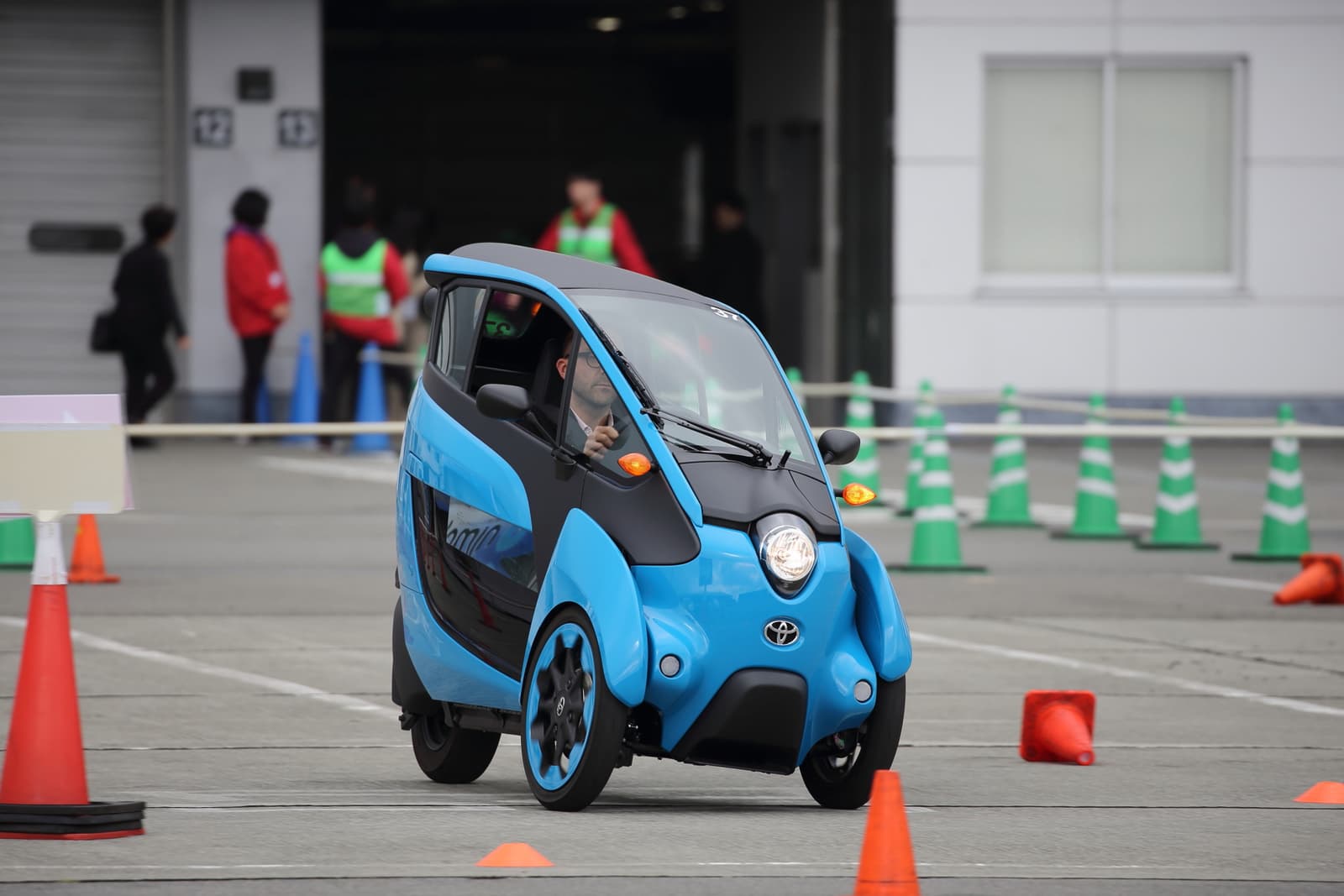
In the early 2010s, Toyota decided to offer its own vision for transportation in large cities. This led to the creation of the Toyota i-Road — an unusual three-wheeled electric vehicle that was difficult to categorize. It combined features of a car and a scooter, offered a fully enclosed cabin, and used an original body-leaning system for turns.
Despite its bold concept and significant public interest, the project never went into mass production.
Between a Car and a Motorcycle
Toyota first introduced the i-Road in 2013.
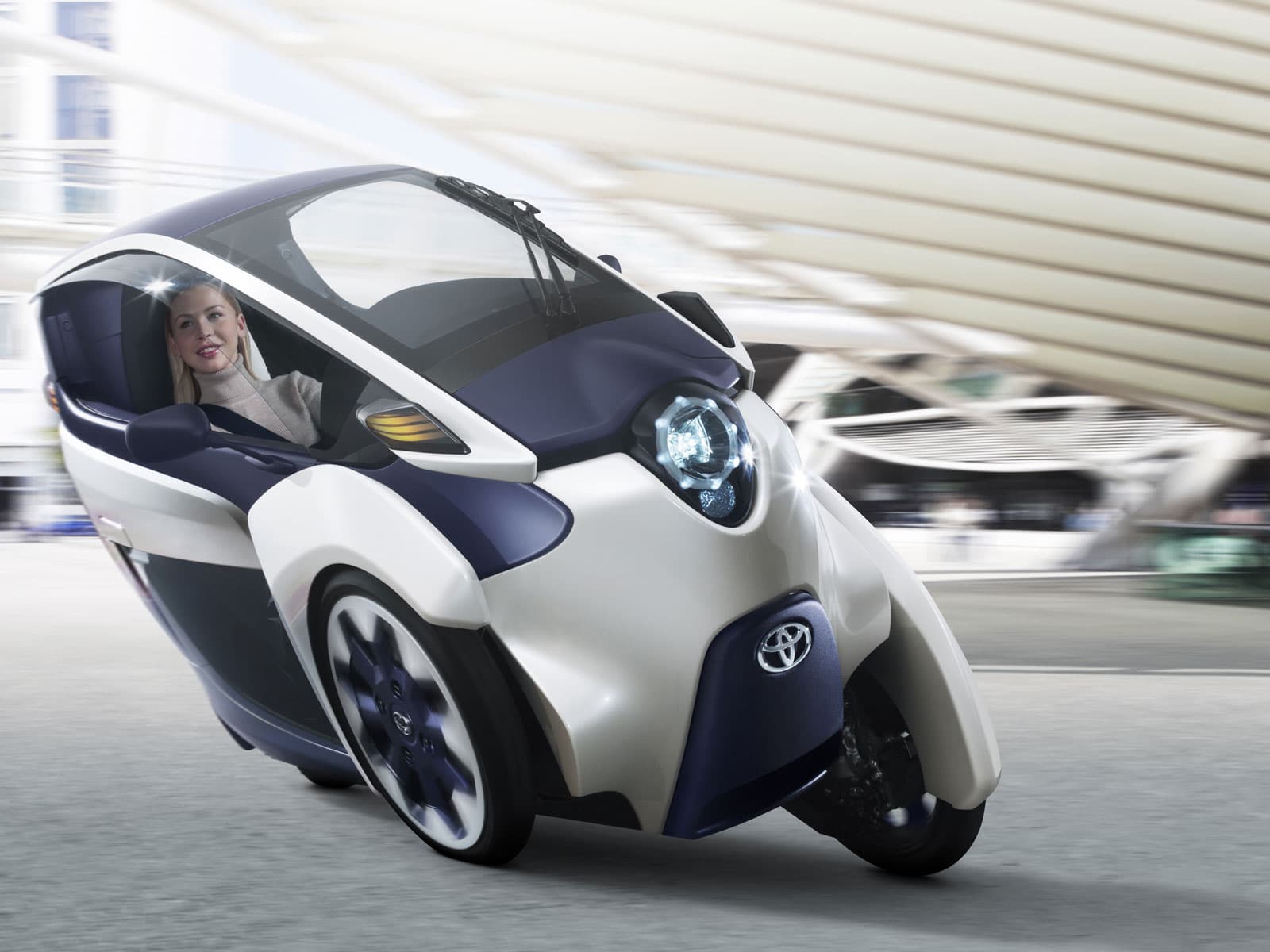
In its design, the vehicle significantly differed from conventional cars.
The project's features were as follows:
- three wheels — two in front and one in the rear;
- tandem seating for driver and passenger;
- fully enclosed cabin;
- controlled using a conventional steering wheel and pedals.
Thanks to the enclosed body, the driver was protected from the elements and did not need a motorcycle helmet. Furthermore, in some countries, a motorcycle license was not required to operate such a vehicle.
The Main Feature — Leaning into Turns
The most unusual technology was the proprietary Active Lean system.
When cornering, the front suspension automatically tilted the body into the turn.
This solution allowed for:
- increased stability;
- more natural handling;
- a riding experience closer to a motorcycle without sacrificing car comfort.
The operation of Active Lean became one of the most discussed features of the i-Road after its premiere.
Designed for Short Trips
Toyota initially considered the i-Road exclusively for urban use.
Its characteristics were quite modest:
- maximum speed — 60 km/h;
- range — about 50 km.
According to engineers' calculations, this should have been sufficient for daily commutes in a metropolis.
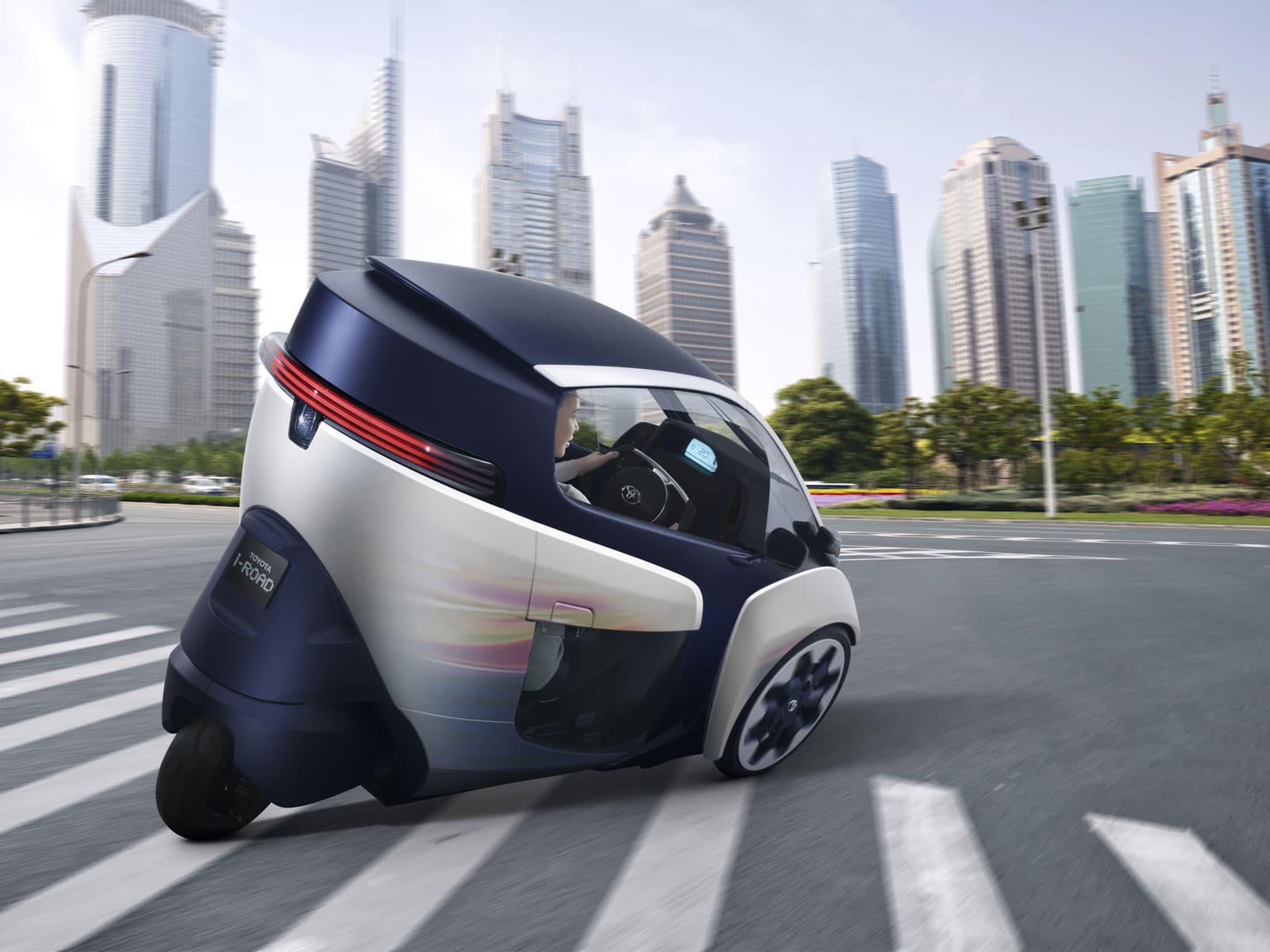
Compact dimensions greatly facilitated parking, and the electric powertrain made operation almost silent and environmentally friendly.
Why Interest Didn't Translate into Sales
After its debut at the Tokyo Motor Show, the vehicle attracted significant attention.
Visitors were impressed by the unusual design, and videos demonstrating the leaning body quickly spread online.
However, the interest proved to be more demonstrative than consumer-driven.
One of the main reasons was the cost.
The price of the i-Road was 14–16 thousand dollars, and for comparable money, one could already purchase a full-fledged city car.
The Electric Vehicle Appeared Too Early
An additional problem was the infrastructure.
In the early 2010s:
- charging stations were few;
- car-sharing was just beginning to develop;
- short-term rental services had not yet become widespread.
Therefore, the potential advantages of compact electric transport could not be fully realized.
A Vehicle Without a Category
Unexpected obstacles also arose from legislative issues.
The Toyota i-Road did not fit into existing vehicle categories.
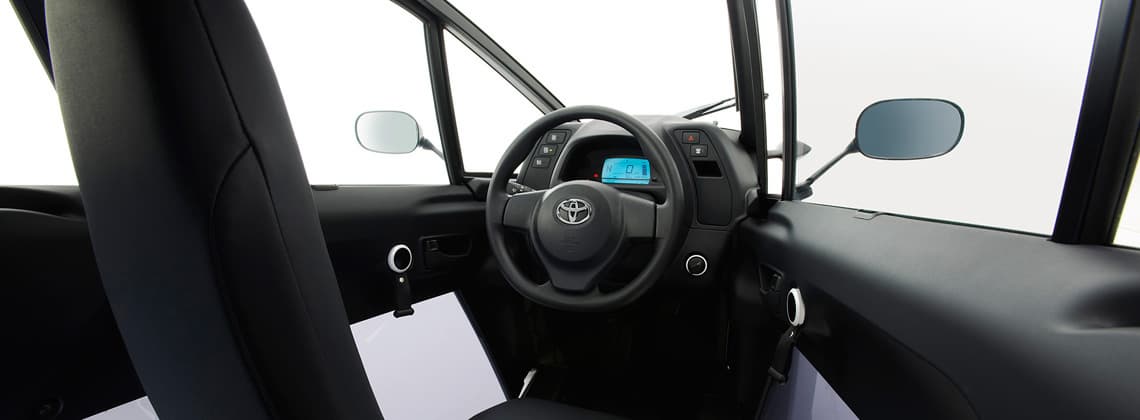
It was not a full-fledged car, but it could not be classified as a motorcycle either.
This raised questions about:
- what driver's license was required;
- how to arrange insurance;
- whether operation on public roads was permitted.
The option of classifying the i-Road as a quadricycle or light vehicle was considered.
However, such a decision automatically imposed additional restrictions, including the inability to drive on highways.
Without finding a universal legal solution, the project faced another serious obstacle.
Toyota Overestimated Market Need
When developing the i-Road, the company hoped to solve the problem of congested Japanese megacities.
It was assumed that compact electric transport would become an alternative to cars for daily commutes.
However, the calculations did not pan out.
The Japanese transportation system is considered one of the most efficient in the world. Subway and suburban railway lines allow quick access to almost any part of the city, so the need for such an unusual personal vehicle turned out to be significantly lower than expected.
An Idea Ahead of Its Time
Today, many solutions used in the Toyota i-Road no longer seem unusual.
Over the years, widespread adoption has occurred for:
- electric vehicles;
- car-sharing;
- electric scooters;
- other compact urban mobility devices.
But in 2013, the market was not ready for such an unusual vehicle.
As a result, the i-Road never became a production model and remained an experimental project, demonstrating Toyota's desire to find new approaches to urban mobility.
Later, the Market Chose a More Traditional Path
A few years later, it became clear that buyers preferred conventional compact cars.
A good example is the Nissan Sakura — a full-fledged four-seater kei car with an electric powertrain, a practical interior, and sufficient range. This model quickly became the most popular electric vehicle in the Japanese market.
Toyota itself has a similar solution.
The Toyota Pixis Epoch is a classic gasoline kei car without unusual technical experiments. Its simple design, familiar layout, and practicality made it significantly more understandable to the mass buyer than the futuristic i-Road.
Read more articles:
- From Singapore to North Korea: Where It's Hardest to Buy a Car
- Why Antifreeze Doesn't Freeze Even at –67 °C
- How the Manual Gearbox Became a Digital Illusion