Sales of the new version of the Tank 500 Hi-Charge SUV with a plug-in hybrid powertrain have begun in Russia. The model costs 7,299,000 rubles. The car combines a 2.0-liter gasoline engine with 231 hp and an electric motor with 163 hp, providing a peak power of 394 hp and a torque of 750 Nm. Acceleration to 100 km/h takes 6.9 seconds, and fuel consumption in the combined cycle is 8.4 liters per 100 km. The 37.1 kWh lithium-ion battery allows you to travel up to 115 km on electric power.
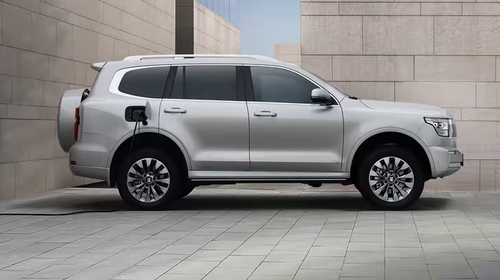
Tank 500 Hi-Charge is built on the Hi4-T platform with intelligent Torque-on-Demand all-wheel drive, differential locks and a two-stage transfer case. The approach and departure angles are 29.5° and 24°, and the ford depth reaches 800 mm. The exterior design includes LED headlights, 19-inch wheels and electric running boards. The interior is finished in Nappa leather, equipped with massage seats, double glazing and three screens with "Yandex Auto" support.
The car offers a 220 V (2.2 kW) socket for powering external devices for up to 8.5 hours. The trunk transforms up to 1400 liters. The voice assistant recognizes over 800 commands, and multimedia updates are available "over the air". The model is available in four body colors and three interior options. Buyers can control functions through the GWM application, including remote climate control and vehicle status.
Read more related articles:
Why do the Japanese sell cars with a mileage of 10-15 thousand km?
Cars that changed automotive history: 5 Toyota models
Where did the hood ornaments on cars disappear to?
Комментарии