BMW has unveiled a new third-generation hydrogen powertrain, developed in collaboration with Toyota. Mass production is set to begin in 2028, but the first prototypes are already being assembled at BMW centers in Munich and Steyr. The technology promises to be an environmentally friendly alternative to gasoline, diesel, and electricity, delivering high performance and zero emissions.
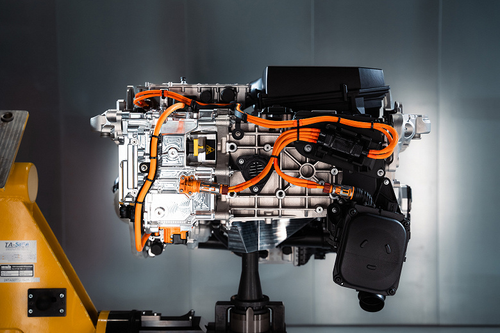
The new system is characterized by its compactness: the fuel cells are 25% smaller in size compared to the previous generation, while their power density has been increased. This simplifies integration into various car models. The unit also demonstrates increased efficiency, greater range, and reduced fuel consumption, making it promising for widespread use.
Currently, BMW and Toyota are focused on testing and optimizing prototype assembly processes. Special attention is paid to quality, industrialization, and scalability of the technology. Tests are conducted both on individual systems and as part of vehicles to prepare the new product for mass production.
Read more related articles:
Concept cars that were ahead of their time
You wouldn't be afraid to go to the jungle in such a Lada: remembering Lada "Tarzan"
Why do the Japanese sell cars with a mileage of 10-15 thousand km?
Комментарии