The Mercedes-Benz EQS electric vehicle, equipped with a prototype solid-state battery, traveled 1205 km from Stuttgart, Germany, to Malmö, Sweden, without a single recharge. Upon arrival, the car had a remaining range of 137 km, highlighting the outstanding efficiency of the new technology. This result surpasses the previous record set by the Vision EQXX model by 3 km and demonstrates the potential of solid-state batteries for mass production.
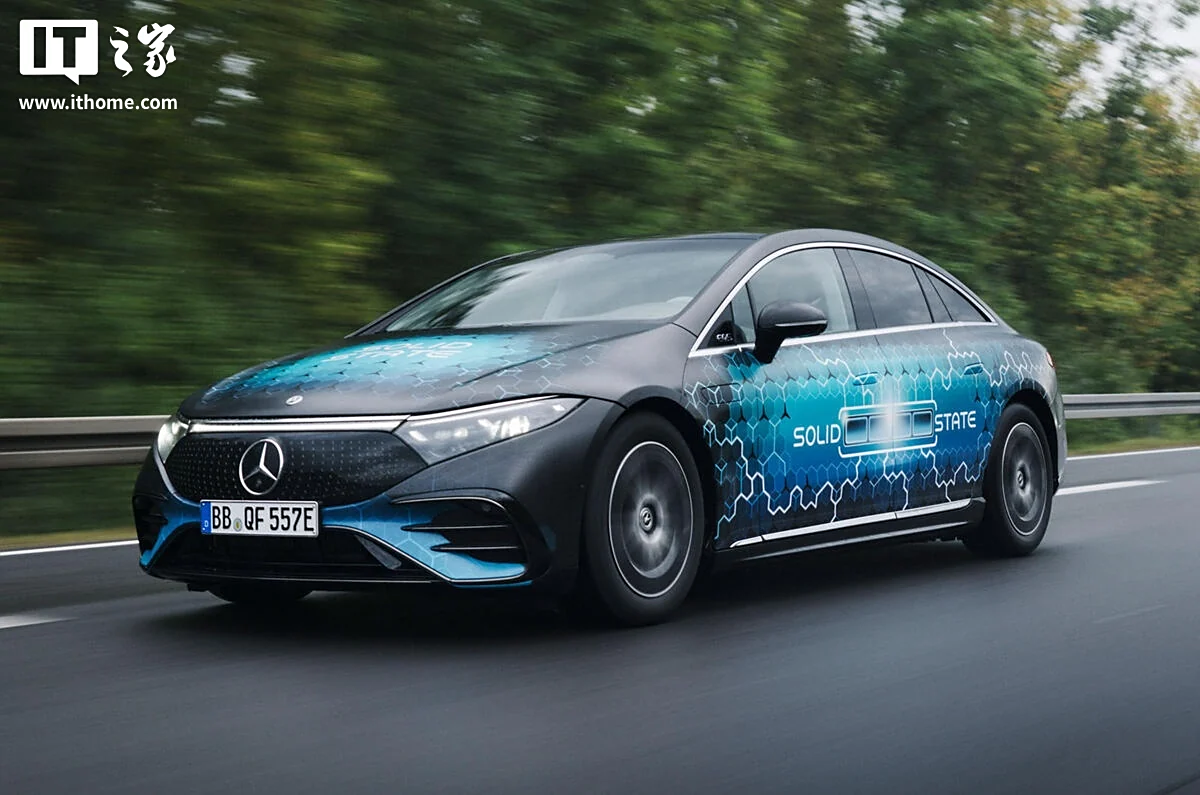
The battery was developed in collaboration with the American company Factorial Energy and the Mercedes-Benz technology center in Brixworth, UK, where technologies for Formula 1 are created. The new battery has comparable weight and volume to a conventional EQS lithium-ion battery but provides a 25% increase in energy density, significantly increasing the range compared to the production model, which travels up to 774 km.
The technology is recognized as groundbreaking, and Mercedes-Benz plans to introduce solid-state batteries into mass production by the end of the decade. This aligns with the plans of other automakers, such as Volkswagen, although the latter has not yet conducted tests on real vehicles. The successful EQS test confirms that the technology is ready for real-world operating conditions, opening up new perspectives for electric vehicles.
Read also:
Zeekr 7X with an 8-year or 200,000 km warranty officially launches in Kazakhstan
Tenet T4 becomes more affordable
Haval sells 500,000 cars in Russia
Комментарии