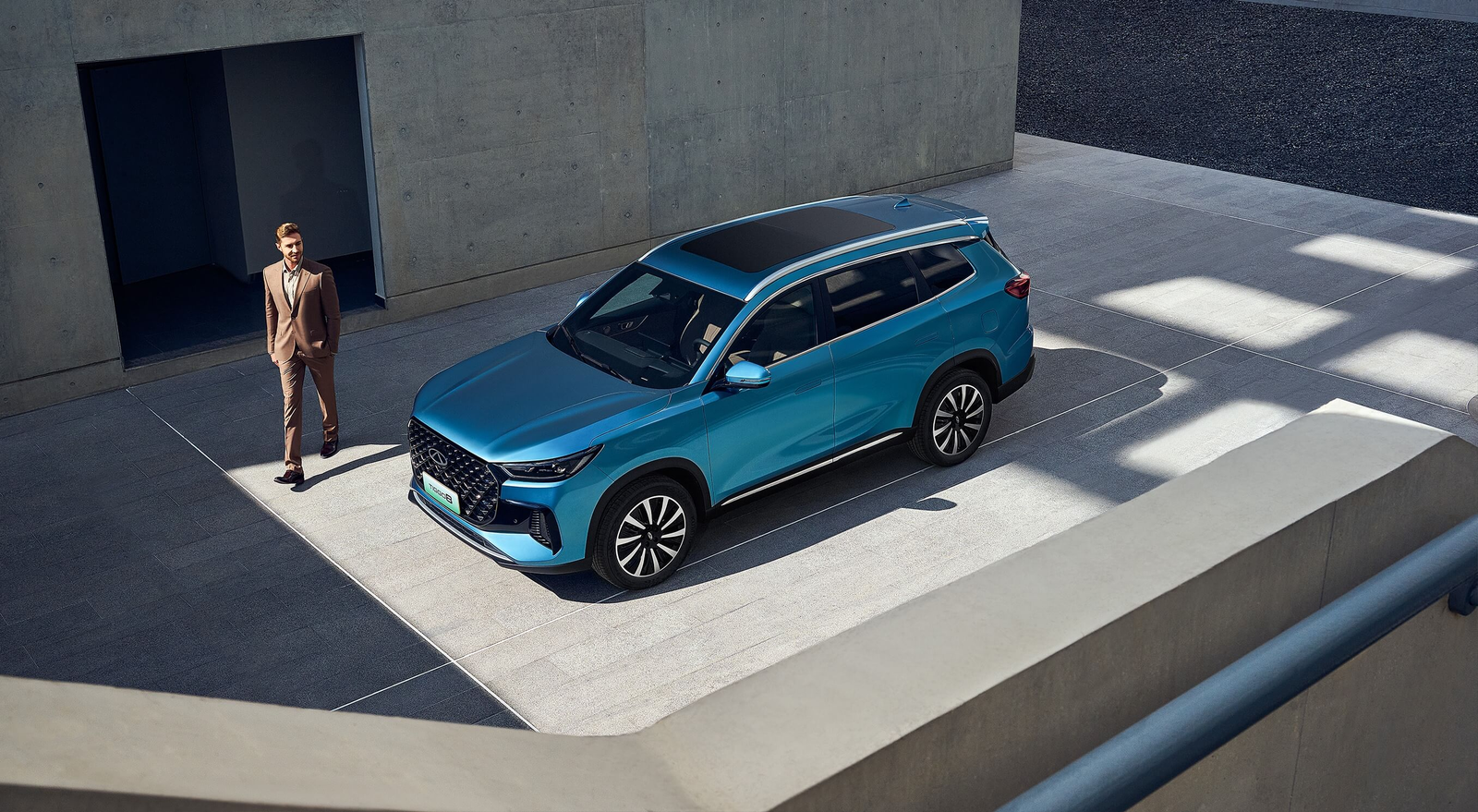
Chinese automakers in 2026 have intensified the development of HEVs, focusing on cost reduction and adaptation to global markets. Companies Changan, Geely, and Chery have introduced new hybrid systems. This is happening against the backdrop of Toyota's dominance and BYD's active growth in the segment.
Toyota's hybrid system (THS) is based on a planetary mechanism that connects the engine and wheels. This ensures efficiency but limits the power of the electric mode.
Chinese brands use a different architecture — series-parallel systems with multi-speed transmissions (DHT). In such solutions, the main emphasis is on electric drive, and the engine operates in optimal mode or as a generator.
For example, Changan's Blue Core HEV system includes two electric motors and several operating modes. The power of the electric motors reaches 130–180 kW, and fuel consumption in the city can be 2–3 liters per 100 km.
The key factor in HEV growth remains cost. Such systems use batteries with a capacity of 1–2 kWh, which is significantly cheaper compared to plug-in hybrids and electric vehicles.
Geely is developing the i-HEV system with a consumption of about 3 l/100 km. Chery is testing options with batteries up to 5 kWh, bringing them closer to plug-in hybrids.
Read more materials:
- This Mercedes-AMG can drift — even being an "electric car"
- Toyota launched sales of Land Cruiser FJ in Thailand
- Chinese cars forced Honda to change its strategy