Over time, a car's exterior plastic elements lose their rich color and turn gray. The reason is exposure to ultraviolet light and road chemicals: sunlight destroys the pigment, while reagents gradually damage the surface. This is especially noticeable on bumpers, mirror housings, and moldings — the car begins to look noticeably older.
Attempts to solve the problem with ready-made products often do not produce the expected result. Popular silicone blackeners create an effect only for a short time: after the first rain or wash, it disappears. There are other methods as well — for example, heating with a hot air gun or treating with silicone lubricant — but their effect is also limited, and careless use can lead to damage. Professional restoration compounds cost significantly more, which makes them not the most affordable option when treating a large number of parts.
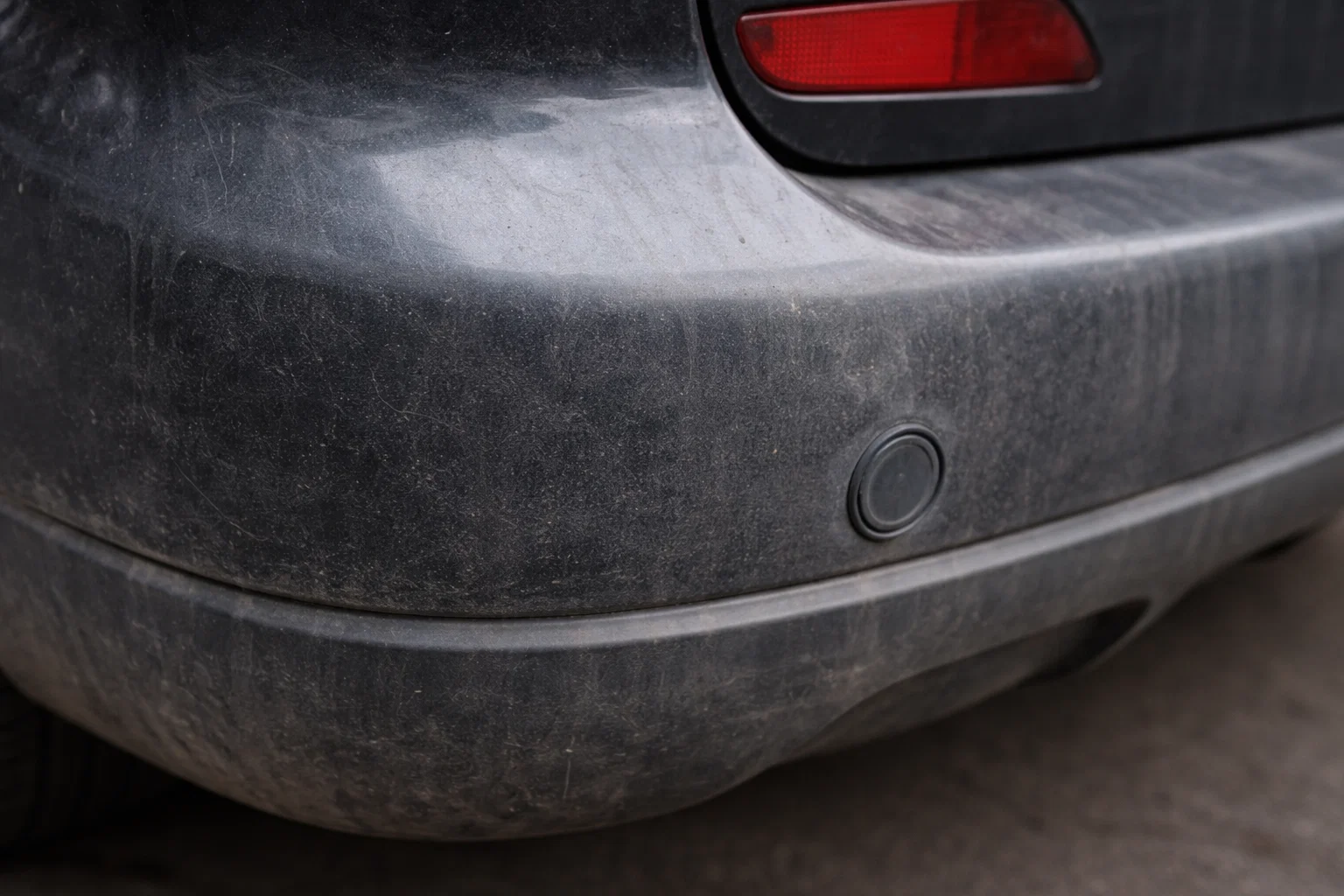
Nevertheless, there is a simple compound that can be prepared independently from readily available components. It is inexpensive and at the same time provides a longer-lasting effect.
Why Plastic Fades and How the Compound Works
Color loss is associated not only with fading, but also with the accumulation of contaminants and oxides in the upper layer of the material. Therefore, restoration requires not only visual darkening, but also light surface cleaning.
This homemade compound combines several functions at once:
- glycerin forms a protective film and reduces further fading
- citric acid helps remove oxides and refreshes the surface
- black tint restores color depth by filling microcracks
- water serves as the base and ensures even distribution of the components
Thanks to this combination, the product lasts longer than most ready-made blackeners: the result remains not until the first wash, but for months.
How to Prepare and Apply the Compound
Preparation does not require any complicated steps. It is enough to mix water, glycerin, a small amount of citric acid, and black tint until a homogeneous liquid of medium thickness is obtained — its consistency should resemble a thin syrup. The amount of tint is adjusted depending on the desired richness.
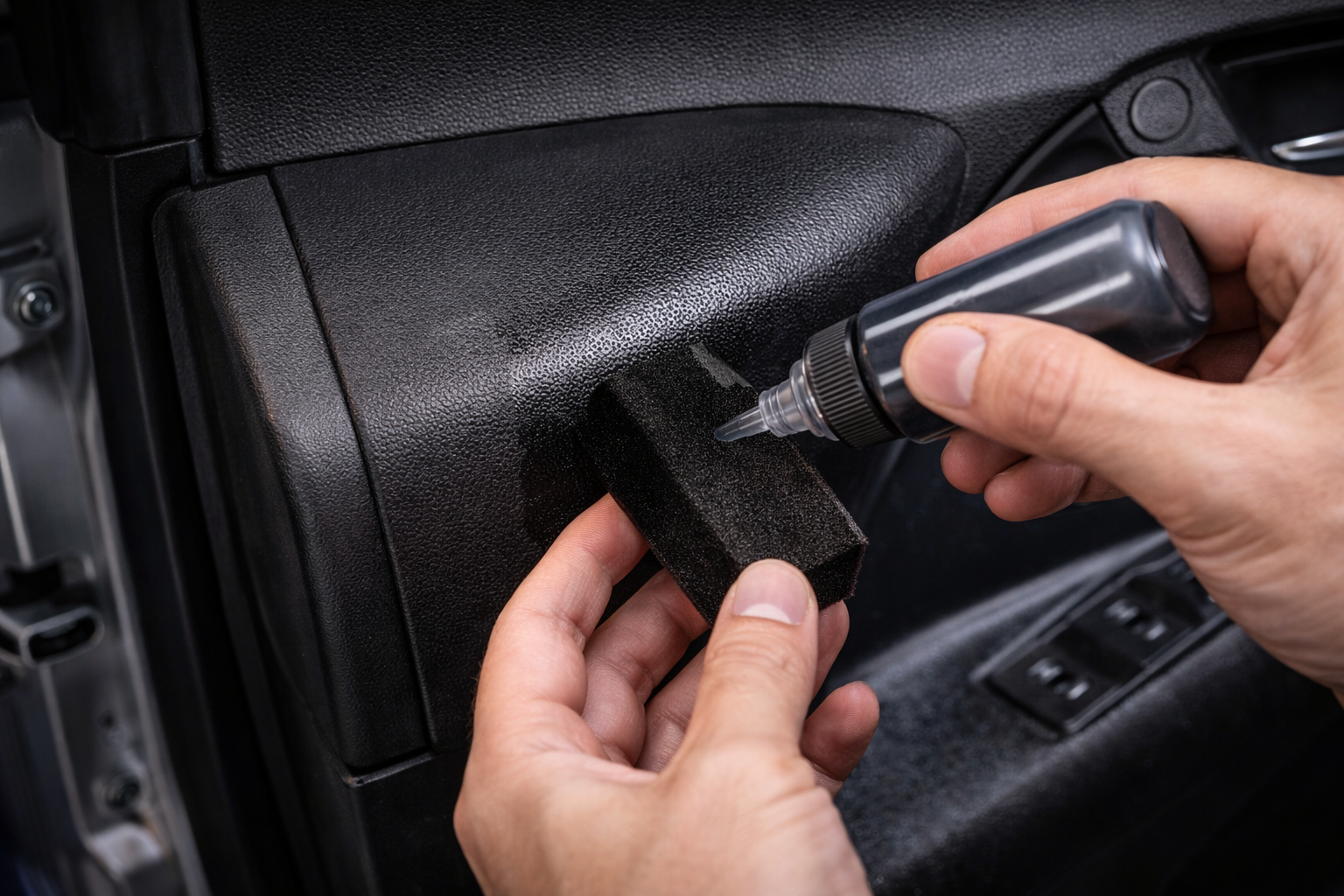
Before treatment, the surface must be thoroughly washed with car shampoo, removing dirt and residues of old products, and then completely dried.
Application is done with a sponge. The compound is spread in circular motions, lightly rubbing it into the plastic, paying special attention to faded and cracked areas. After application, it is left for a few minutes to absorb, and then the excess is carefully removed with a dry cloth without strong pressure. Complete drying takes about an hour.
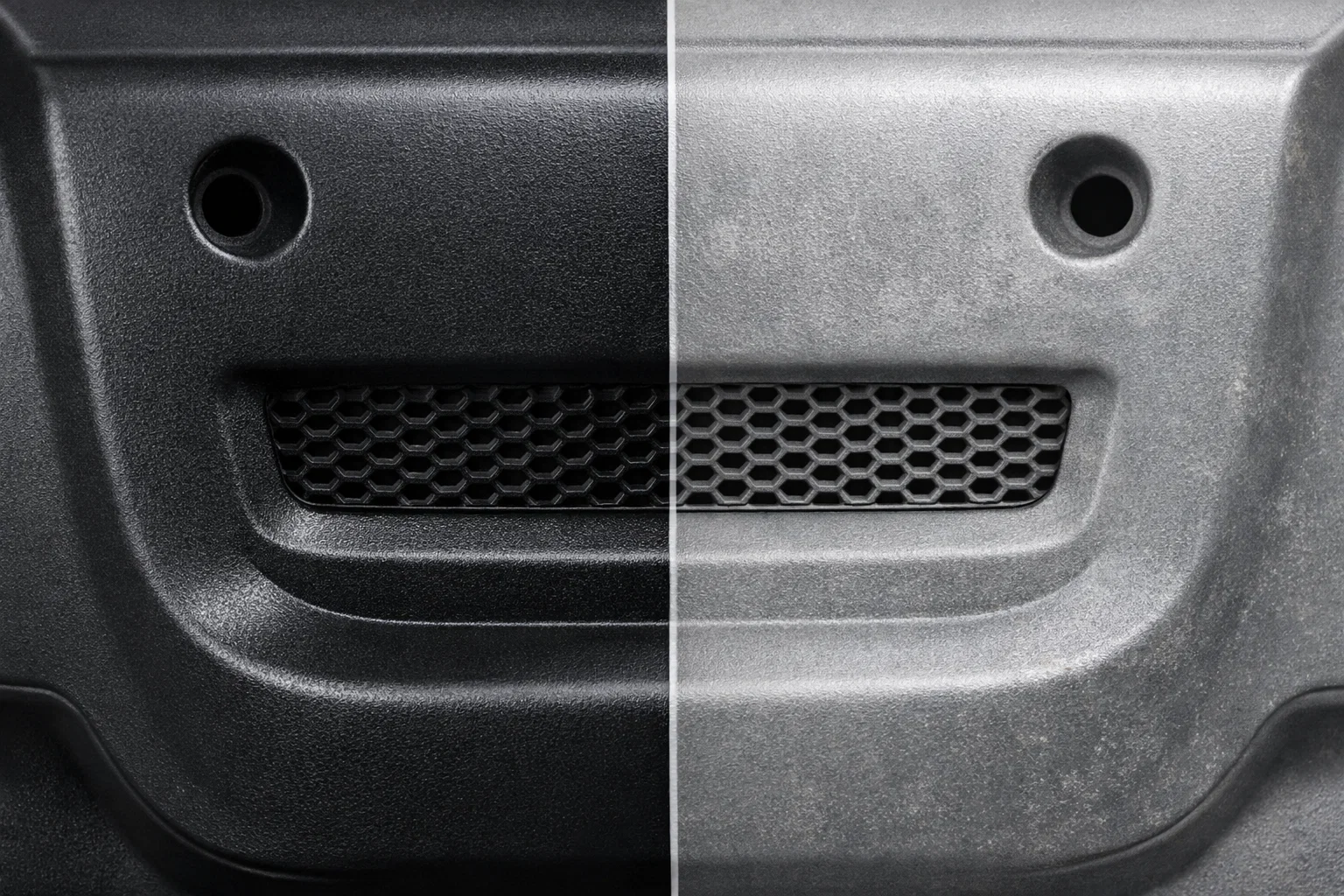
As a result, the surface acquires a deeper black color, and signs of fading become less noticeable. If necessary, the treatment can be repeated.
How to Remove Insect Traces
In summer, another common problem is insect traces on the bodywork. They dry quickly and are poorly removed by standard products. In such cases, household grease-removing compounds are sometimes used, as they effectively dissolve organic contaminants.
However, they must be used with caution. It is important to consider the following points:
- the product is applied only to contaminated areas, without treating the entire surface
- after application, it is immediately rinsed off with plenty of water
- it is not used on damaged or weak paintwork
- it is not applied to plastic parts
- before use, its effect is tested on an inconspicuous area
If used incorrectly, an aggressive compound can damage the lacquer, so caution is essential in this case.
Folk car care methods can indeed be effective, but they require a careful approach. The components used must not contain aggressive solvents — this especially applies to the tint. Before full treatment, it is always worth testing the compound on a small area.
It is also important to follow basic rules: do not use harsh abrasives, do not apply the product to a hot surface, and do not leave it on for a long time. In cases of serious plastic damage, such methods will not replace professional repair; however, with regular care, they make it possible to noticeably improve the appearance of the parts and extend their service life.
Read more articles:
- The History of GM in Russia: Rise and Departure
- What Lies Behind the Concept of a \"Contract Engine\" and How to Choose It Correctly
- The Soviet Answer to the BMW R75: The History of TMZ-53