The gap between the US and Chinese automotive markets is rapidly widening. The average price of a new car in the US has reached $51,456 (3,820,000 rubles), while in China, buyers have access to over 200 models with hybrid and all-electric powertrains for less than $25,000 (1,850,000 rubles).
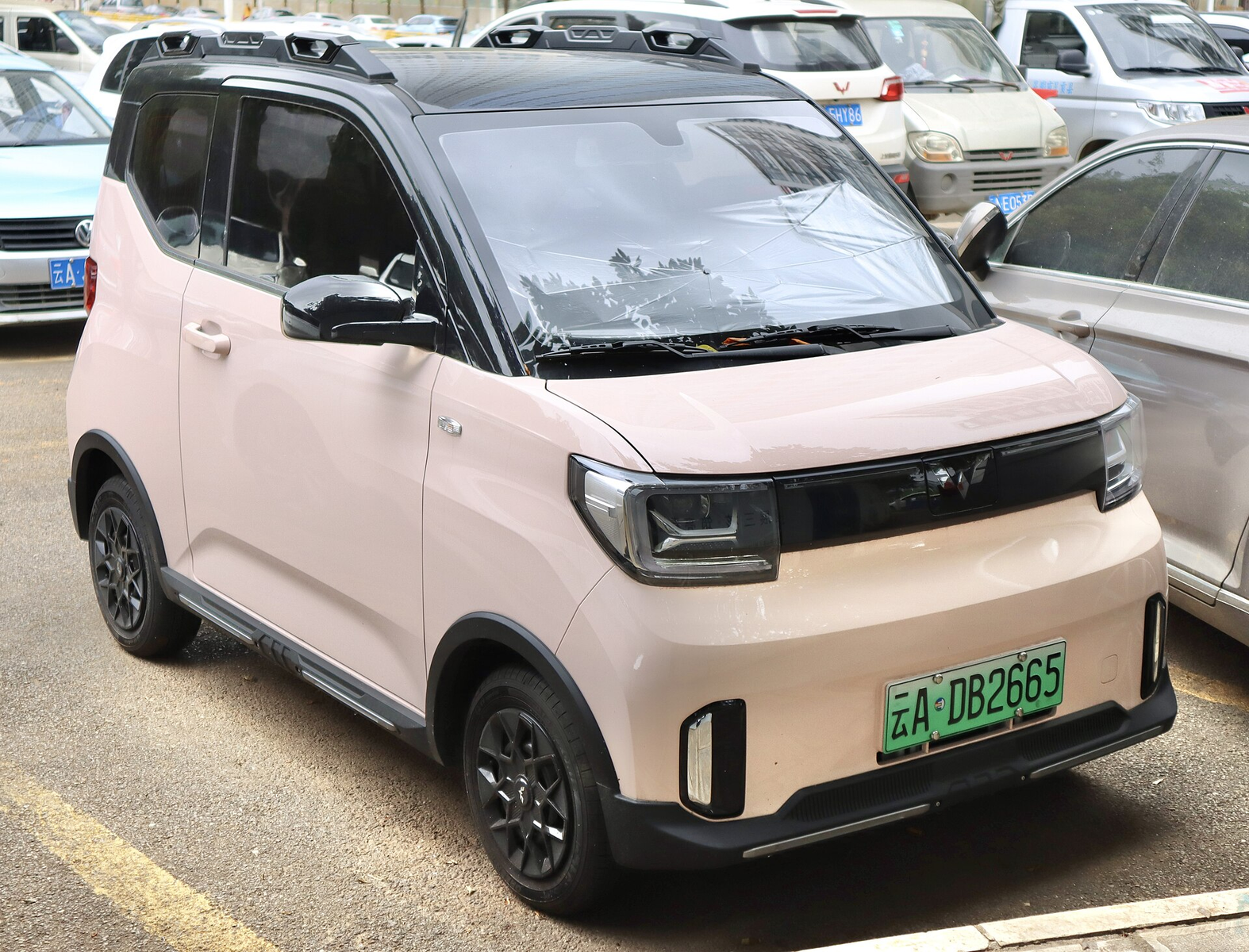
Some Chinese models are five times cheaper than the average American car. For example, the BYD Seagull is priced at approximately $10,000 (742,000 rubles), and the compact Wuling Hongguang Mini EV is less than $7,000 (520,000 rubles). Moreover, these are no longer "empty" cars: even budget models come with large displays, advanced driver assistance systems, and fast charging capabilities.
This is precisely what worries American automakers. Earlier, Ford CEO Jim Farley explicitly stated that the mass entry of Chinese cars into the US market would be "devastating" for the local industry. According to him, Chinese companies win not only on price but also on the speed of technology implementation.
Currently, Chinese brands are effectively blocked in the US by high tariffs and restrictions. But the problem for Western companies has already extended beyond China's domestic market. Geely, BYD, Zeekr, and others are actively expanding into Europe, Australia, and Latin America, and some companies are exploring local production in North America.
The paradox is that the Chinese market is simultaneously experiencing a fierce price war. Chinese regulators have already begun to restrict sales of cars below cost, fearing massive losses for manufacturers.
Read more materials:
- Rejection of "Battery-Only"? Auto Giants Increase Bet on Hydrogen and Synthetic Fuel – What's Changing in Practice
- 5 Auto Giants from China with Trillions in Revenue, Who Are They? – XPeng CEO Gave His Forecast
- Geely Goes to Australia "Like Toyota, But from China": But Still Far from BYD
Comments