The American automotive industry has encountered an unexpected problem: its dependence on Chinese auto components turned out to be much deeper than US authorities had anticipated. New tariffs and trade restrictions have begun to create risks even for local car production in North America.
This isn't just about batteries or rare earth metals. China supplies a huge number of electronic modules, displays, sensors, cables, suspension elements, and even simple plastic parts. Many American suppliers have spent decades building production chains around Chinese factories due to low costs and high component production speeds.
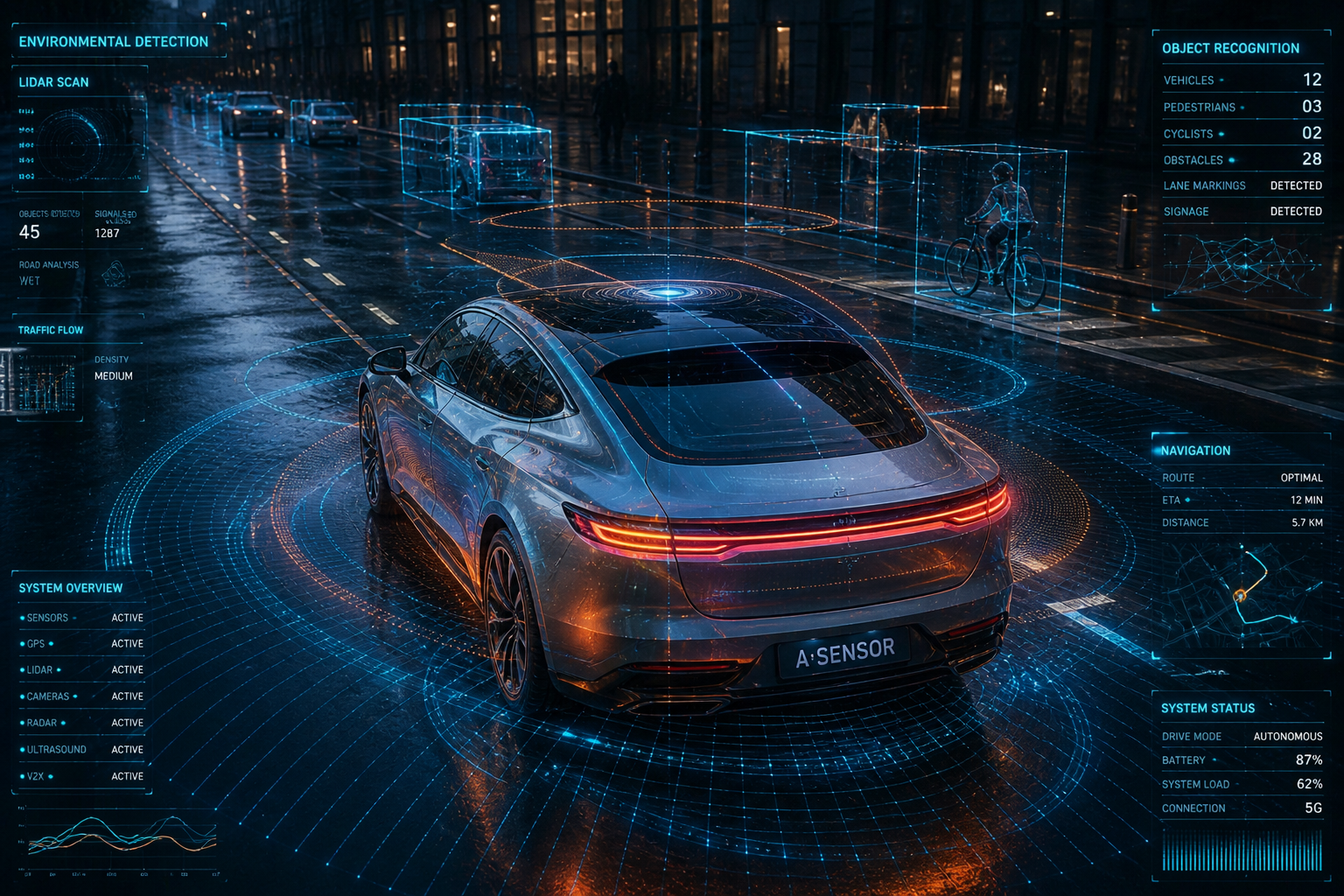
The problem is particularly noticeable in the electric vehicle segment and advanced driver-assistance systems. The more complex the car, the higher the proportion of Chinese electronics and raw materials. According to industry analysts, some cars may contain thousands of components directly or indirectly linked to Chinese suppliers.
Automakers are now urgently trying to diversify their supply chains — moving production to Mexico, Southeast Asia, and the US. But replacing China quickly is almost impossible. Many components are produced only there or require a complex ecosystem of suppliers that cannot be established in a few months.
The situation highlights an important paradox of the modern auto industry. Even countries actively protecting their markets from Chinese cars continue to depend on Chinese industry at the component and material level. And the more technologically advanced a car becomes, the stronger this dependence.
Read more materials:
- Lotus abandoned full commitment to electric vehicles — a hybrid with over 1000 hp will appear in 2028
- A production version of the Xiaomi YU7 GT was spotted on Chinese roads
- Chrysler wants to sell cheap cars again — the problem is the brand has almost forgotten how to do it
Комментарии