Volvo Cars has effectively ended the era of its own internal combustion engines. The company no longer owns any ICE production plants, although it continues to sell hybrid and gasoline models. The last step was the transfer of the engine plant in Skövde, Sweden, to Horse Powertrain – a joint venture between Renault Group and Geely. Horse will now produce engines and hybrid powertrains for Volvo, Renault, Nissan, Mitsubishi, and several other brands.
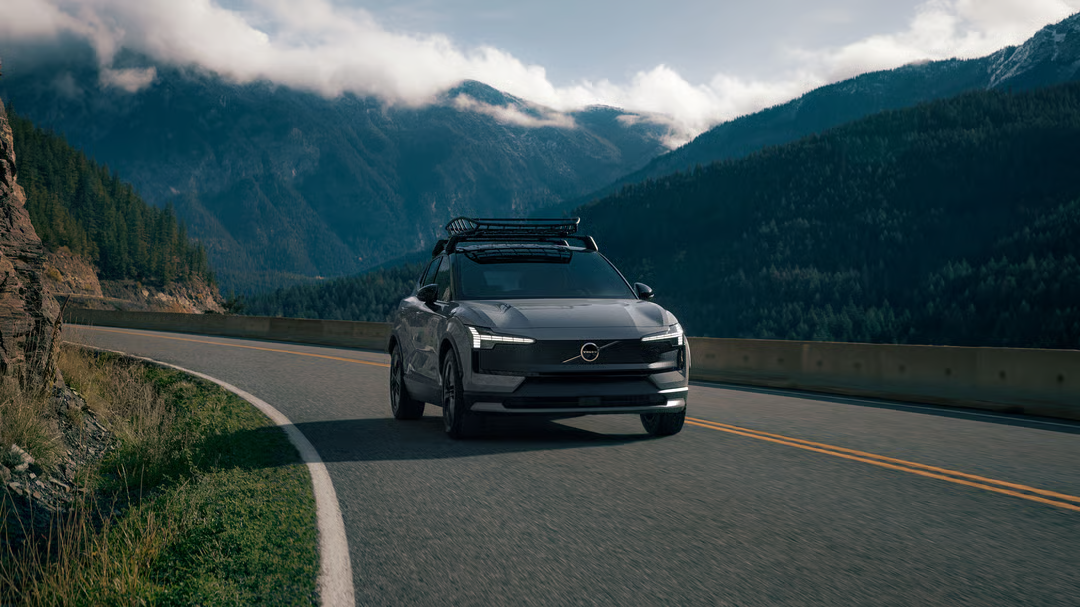
For Volvo, this is a strategic pivot. The company has decided to focus on the development of electric vehicles, software, and battery technologies, while effectively outsourcing ICE production. However, the brand cannot completely abandon gasoline cars yet: demand for hybrids remains high, especially in the USA and Europe.
The paradox is that Volvo promised to become a fully electric brand by 2030 just a few years ago. But the market situation has changed. Many automakers have begun to slow down the pace of phasing out ICEs due to poor charging infrastructure, high battery costs, and unstable demand for electric vehicles.
The history of Horse Powertrain also shows a larger industry trend. Internal combustion engines are gradually transforming from a unique technology of a specific brand into a universal "module" for different companies – much like what happened with platforms and gearboxes before.
Read more materials:
- Lotus abandoned full commitment to electric vehicles — a hybrid with over 1000 hp will appear in 2028
- Huawei surpassed BMW and Audi in the "ultraluxury" segment — the Chinese sedan Maextro S800 is changing the premium market
- Toyota is preparing a cheap pickup based on RAV4 and this is bad news for Ford Maverick