Today, most fans of the brand consider the famous F1 to be McLaren's first road car. However, long before the supercar created by Gordon Murray, the company's founder, Bruce McLaren, was developing his own civilian model – the M6GT.
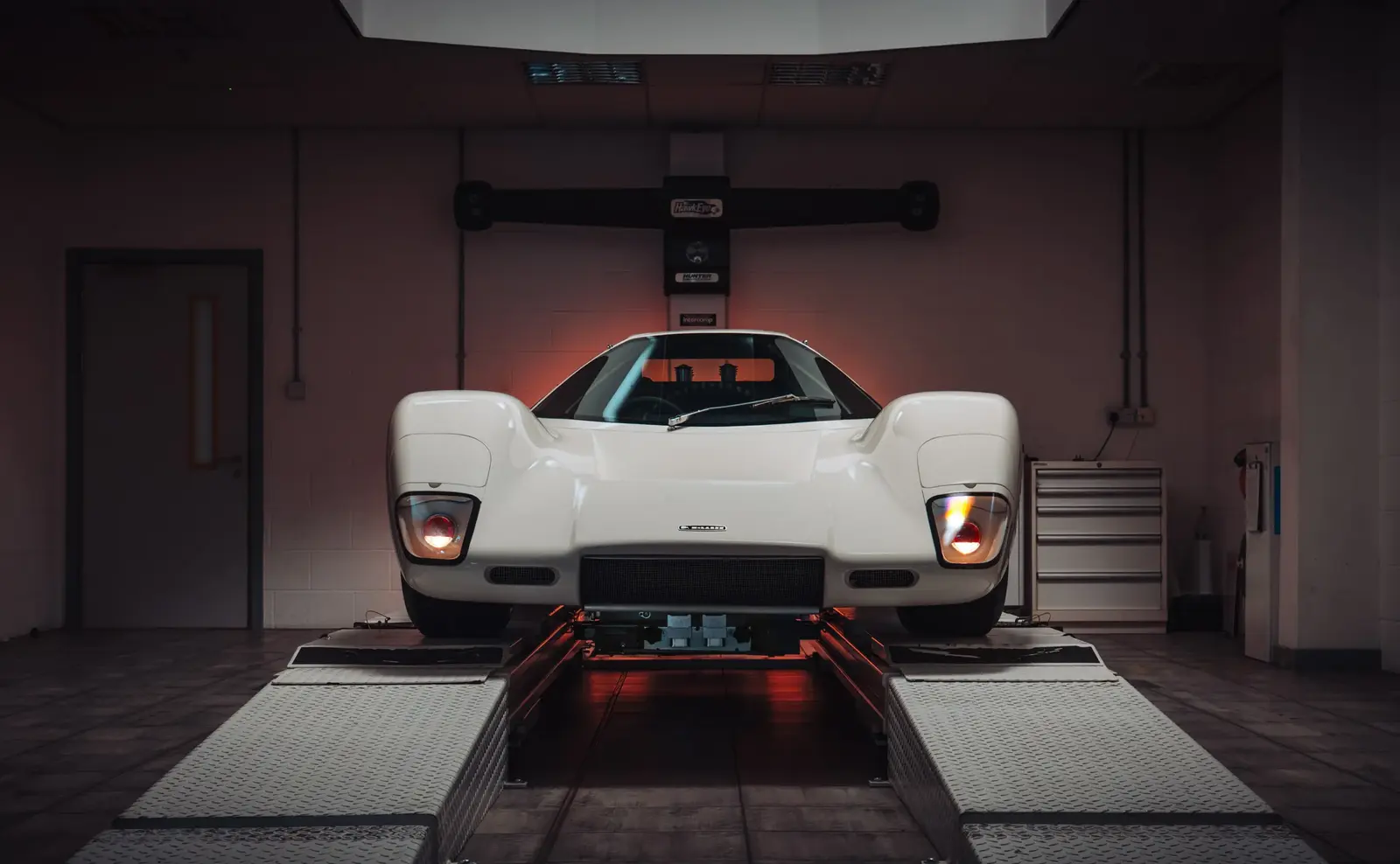
Now this project has been given a second life. The McLaren Special Operations (MSO) division has completed work on a precise reconstruction of the car, bringing it as close as possible to its founder's original vision.
The history of the M6GT began in the late 1960s. The car was based on the successful McLaren M6A racing car, which dominated the Can-Am championship. Bruce McLaren planned to produce about 50 road-going examples, but the project stalled after only three prototypes were built. In 1970, the racer and engineer died during testing of the M8D car, and development was finally discontinued.
When creating the modern version, MSO specialists used original body shapes, archival drawings, and photographs. The car received a classic V8 Chevrolet Small Block and a gearbox, fully corresponding to the historical specification. The main task of the engineers was not to rethink the project, but to reproduce the car as accurately as possible as Bruce McLaren intended it.
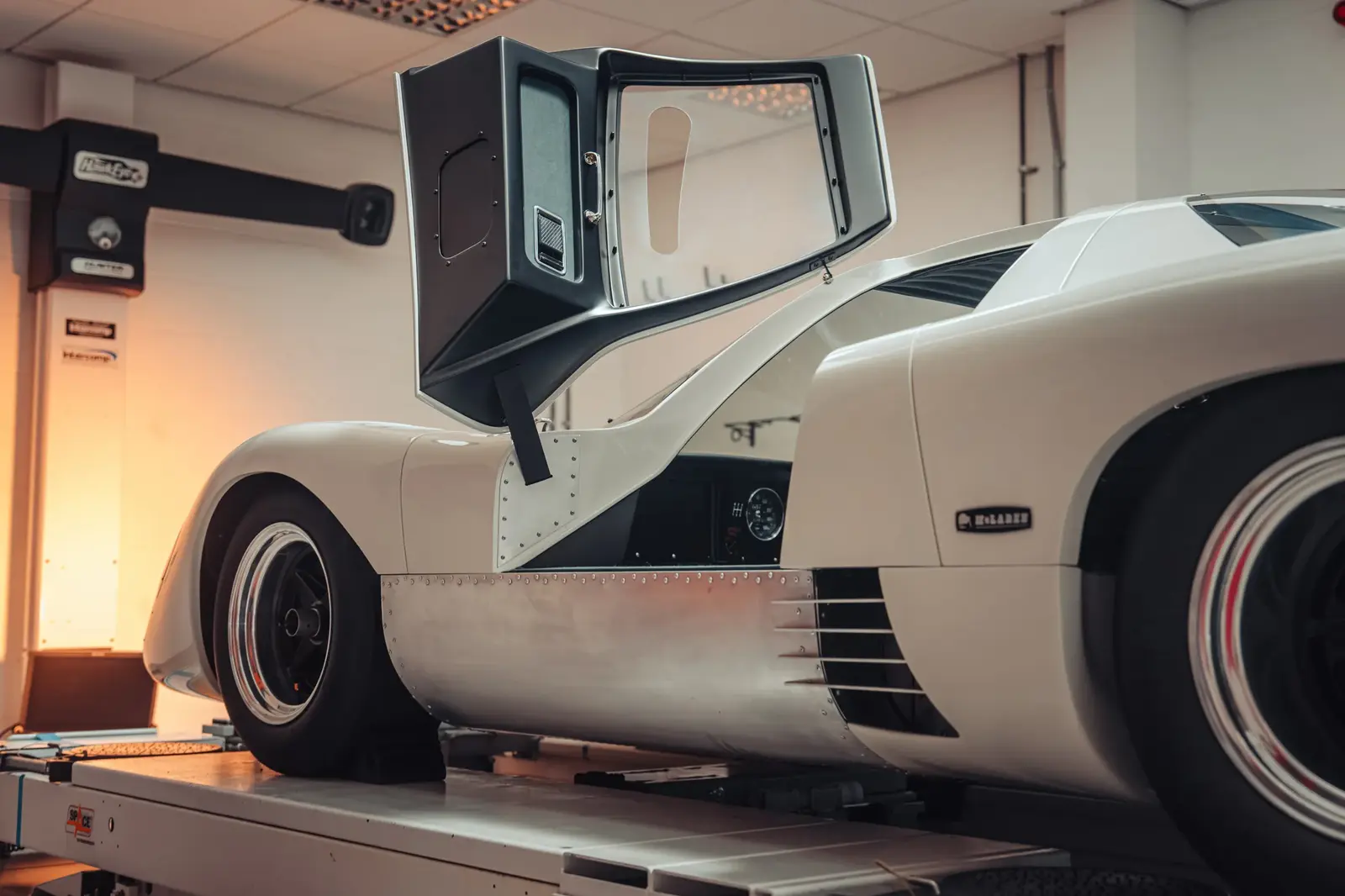
Some specialists who participated in the creation of the original cars also helped in the implementation of the project. For the reconstruction, a chassis from the historic M6A racing car was used, a restored original suspension, and aluminum rivets were installed by aviation industry craftsmen.
No less attention was paid to the interior. The cabin featured a wooden walnut gear lever, 1970s-style green carpeting, custom-made vinyl upholstery, and Colnbrook body paint – in honor of the British workshop where Bruce McLaren worked on the road version of the car.
The public premiere of the unique M6GT will take place at the Goodwood Festival of Speed. The choice of venue is symbolic: it was on the Goodwood track in 1970 that Bruce McLaren died during tests of his racing car.
John Simms, head of McLaren Special Operations, called the project "a work performed with exceptional attention to detail," noting that the car is a living reminder of the company founder's desire to take McLaren beyond motorsport.
The appearance of the M6GT more than half a century later offers a new perspective on the history of the British brand. If the project had been brought to mass production in the late 1960s, the history of McLaren road cars could have begun much earlier than the legendary F1.
Read more materials:
- "The main task is to make cars even better": the new Toyota president responded to criticism
- BYD unveiled new flagship Seal 08: up to 905 km without recharging and cheaper than Toyota Camry
- Ford stated that the new Ranger PHEV can replace a gasoline generator