Chinese startup Windrose Technology, which develops electric long-haul trucks, has found itself at the center of several scandals. Former employees accuse management of unpaid wages, and one of the prototype trucks was considered missing for some time.
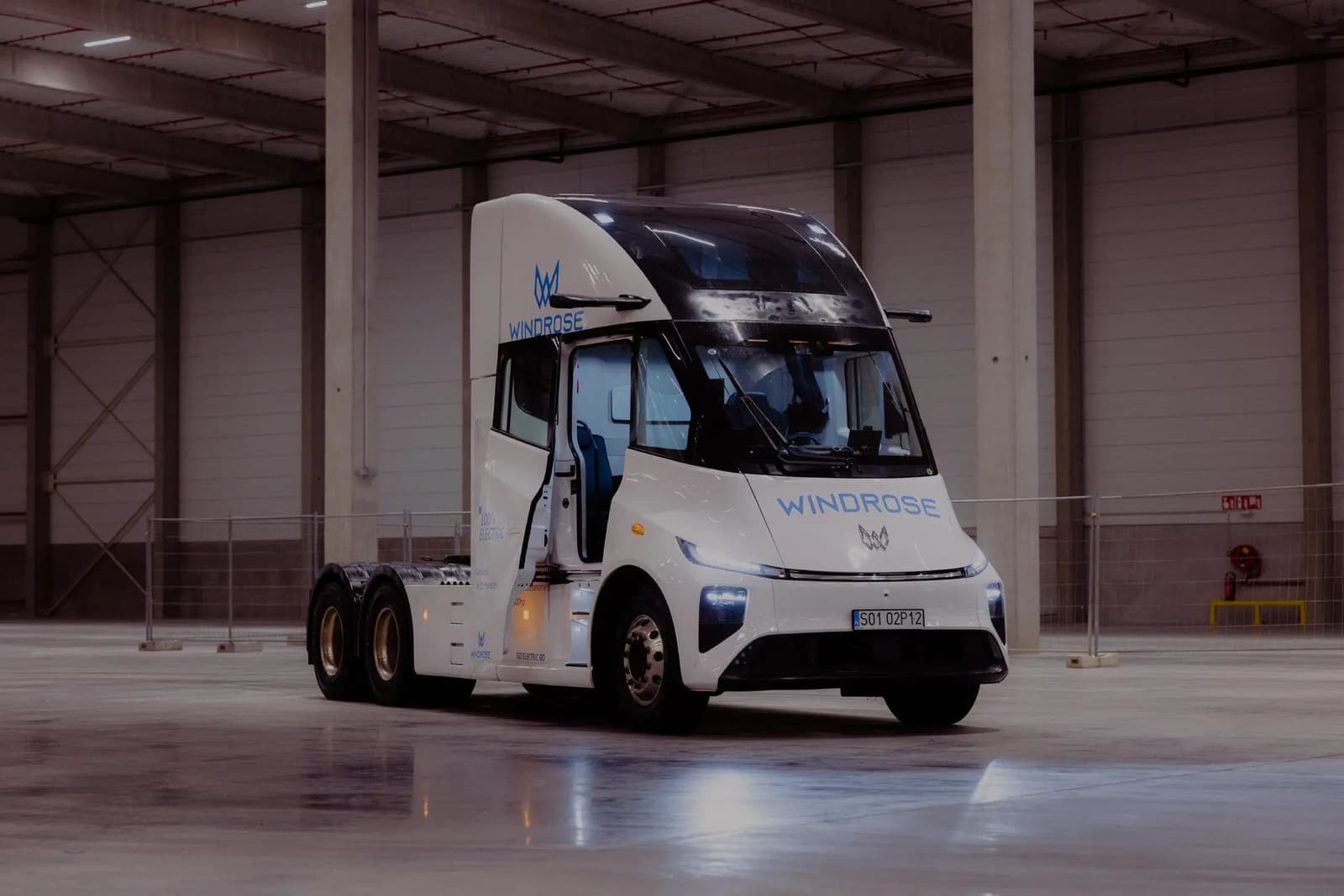
Windrose positions itself as one of the future competitors to Tesla Semi. The company, registered in Belgium and owned by Chinese investors, claims to have already attracted about $400 million in investments. In addition to entering the US market, the manufacturer has reported orders from Norway, Chile, and Australia.
However, the project's development is accompanied by serious organizational difficulties.
Former employees Travis Waite and Harold Keller, who were fired in January, stated that management owed them about $91,000 in wages and compensation. According to them, they refused to help CEO Wen Han search for one of the company's trucks until the debt was paid. The head of Windrose himself claims that the former employees' demands are unfounded.
Wen Han admitted that the company expanded its staff too quickly, which led to problems with organization and payments. At the same time, he claims that Windrose's financial position remains stable and there are sufficient funds for further business development. Later this year, the startup expects to go public through a merger with a SPAC company.
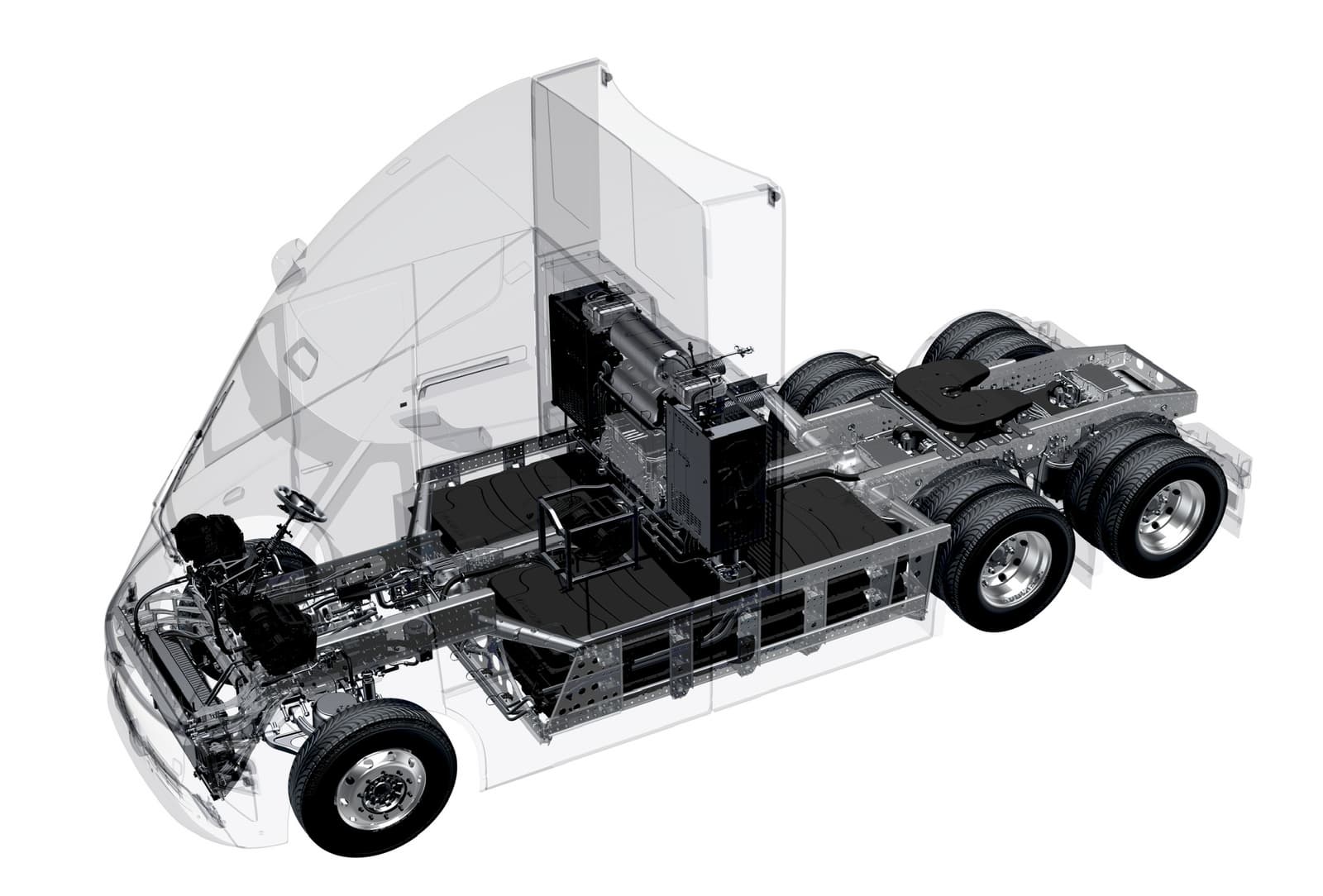
The first Windrose electric trucks began operation at the end of 2024. Currently, according to management, 36 trucks are operating on roads in various countries. The company claims that their range is approximately twice that of comparable Volvo and Daimler Truck models, and production costs are kept low by manufacturing vehicles at contract enterprises in China with subsequent local assembly in other regions.
Additional questions were raised by the company's expenses. According to the WSJ, Windrose financed sponsorship projects, including a local basketball team in Belgium, and also promised to transfer $15 million to Stanford University after going public. At the same time, employees claim that salaries were regularly delayed.
Earlier, former head of the North American division Jason Gees also filed a lawsuit demanding payment of outstanding debt. After his dismissal, a federal court ordered Windrose to pay him $413,000.
In addition, the US National Highway Traffic Safety Administration (NHTSA) has shown interest in the company. The reason was two of the four Windrose trucks registered in the US. Their VIN numbers indicated production in Georgia, although the vehicles were actually manufactured in China. The company's management blamed one of its former employees for the situation.
Despite ambitious plans and large investments, the history of Windrose shows that young manufacturers of commercial electric vehicles often have to solve not only engineering problems but also serious organizational issues.
Read more materials:
- Subaru unexpectedly revived WRX sales: price reduction increased demand almost fourfold
- McLaren fulfilled its founder's dream half a century later: the legendary M6GT was finally built
- Hyundai changes style for China: new Ioniq V will for the first time show a design without signature "pixels"