The black BMW from the film "Bumer" has long been perceived separately from the film itself. For millions of viewers, it remained not just the main characters' car, but one of the most recognizable symbols of the early 2000s. In those years, an expensive foreign car was associated with prosperity, power, and the opportunity to enter a completely different world. In the film, the BMW E38 plays a much more important role than a mere means of transportation: it sets the mood of what is happening, accompanies the heroes throughout the story, and gradually becomes part of the narrative itself. Its outward imperturbability first evokes admiration, and then begins to be perceived as a source of hidden anxiety.
A Car Without Which the Film is Unimaginable
The premiere of the film "Bumer" took place in 2003, and very quickly the picture became one of the main cinematic chronicles of the turbulent beginning of the new millennium. According to the plot, four friends leave Moscow in a black BMW, but an ordinary trip gradually turns into a path from which it becomes increasingly difficult for them to find a way out.
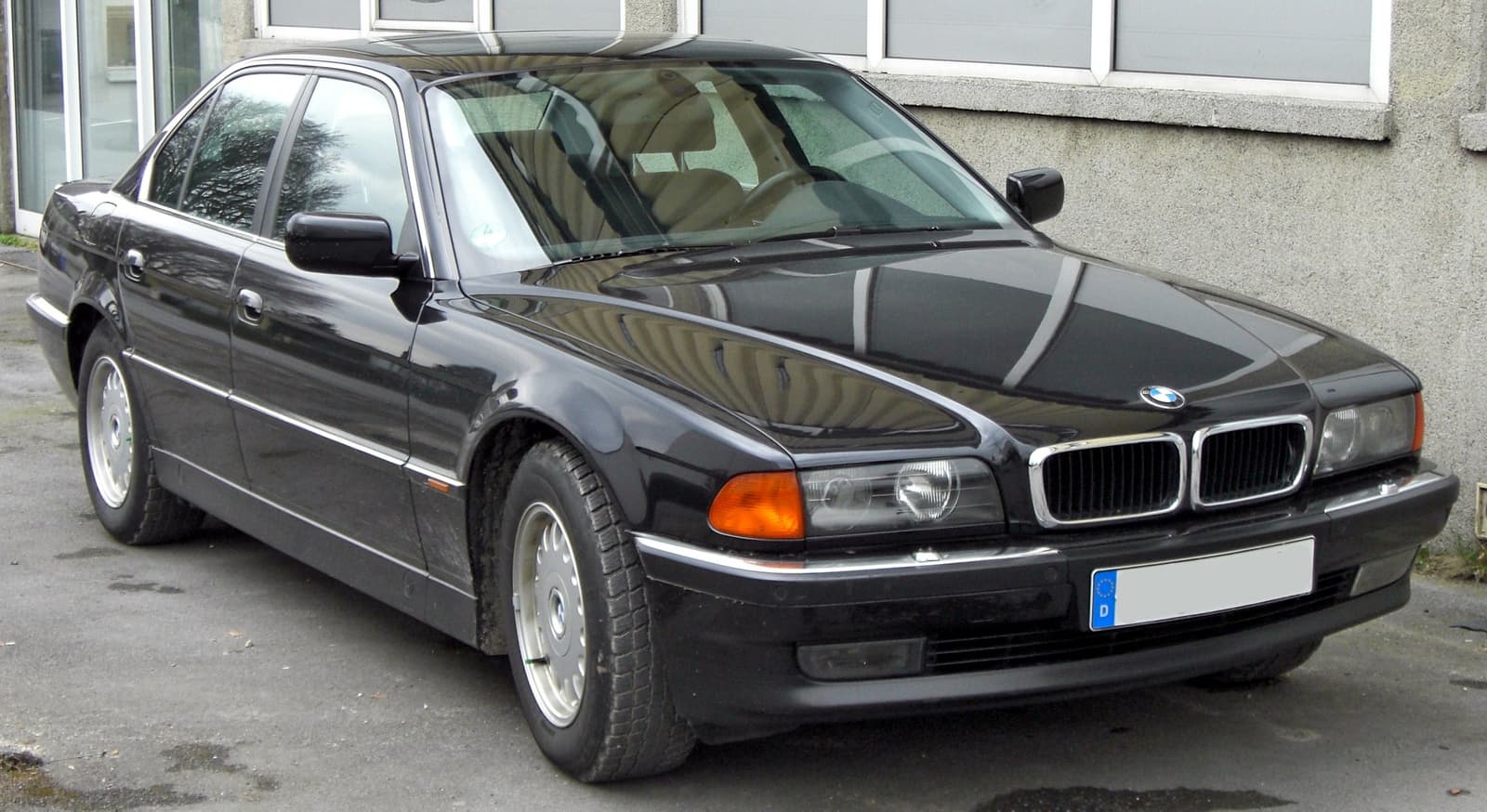
In the first minutes, the car gives the impression of a kind of fortress on wheels. It allows one to hide from problems, leave pursuit behind, and at least for a short time feel in control of one's own life. However, as events unfold, this feeling gradually disappears.
The further the heroes move away from the capital, the more the perception of the car changes:
- the luxurious sedan ceases to look like a symbol of success;
- the car becomes part of a constant escape;
- together with the characters, it becomes entangled in a series of their mistakes and fears.
In the frame, the BMW E38 practically does not demand attention to itself, but its presence is constantly felt. The massive silhouette, deep black body color, low stance, and calm front end create an image of a car that needs no extra comments. Its very appearance makes it clear in what environment the heroes exist and by what laws the world around them lives.
Why the Choice Fell on the BMW E38
The third generation BMW 7 Series with the E38 index was produced from 1994 to 2001. It was a rear-wheel-drive executive sedan with powerful engines and a strict design characteristic of the German brand. When the film was released, the model had already given way to its successor, but was still perceived as an expensive and prestigious car. This combination proved especially important for the atmosphere of the film.
The appearance of the E38 was distinguished by its restraint. The car looked expensive, but at the same time did not give the impression of an ostentatiously luxurious machine. The long body, laconic lines, dark interior, and confident stance created an image that perfectly matched the intense drama of the film.
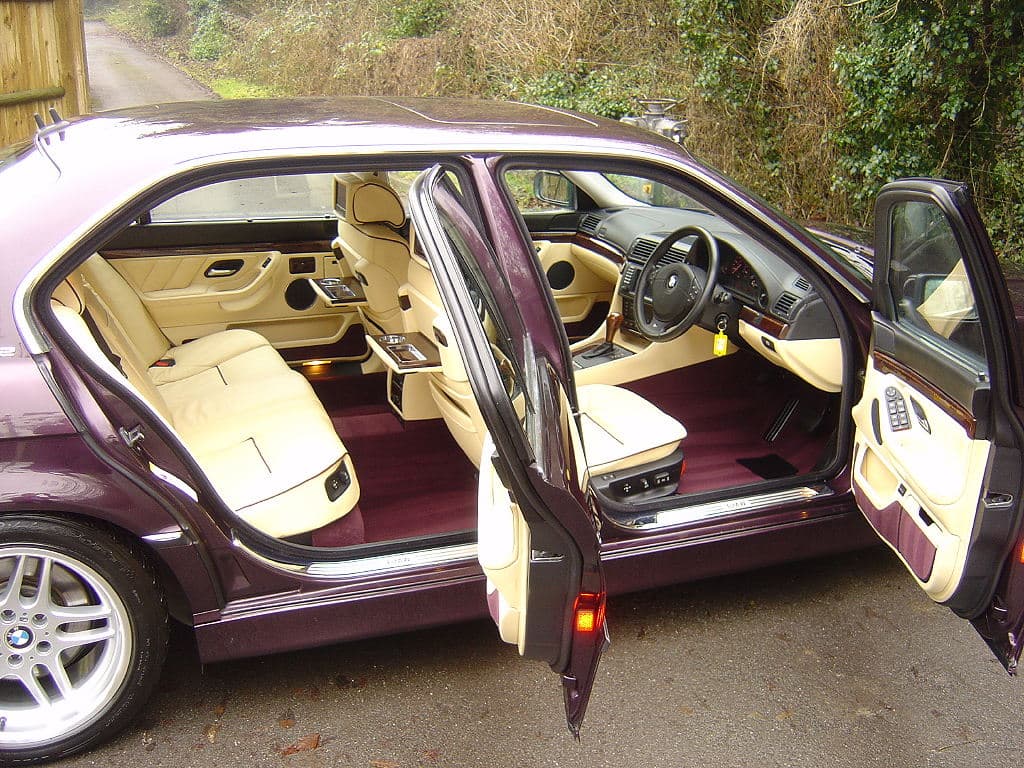
According to the plot, the heroes drive a BMW 750iL – an extended version of the flagship sedan with a V12 engine. The model designation itself enhances the impression, although for the development of the story, the emotional perception of the car is much more important than its technical characteristics. Even a viewer who is not knowledgeable about cars easily understands: before them is a representative of one of the most prestigious models of its era.
That is why the BMW E38 fit so organically into the film. It was simultaneously perceived as an object of dreams and at the same time did not look alien in a criminal story. In the early 2000s, such a sedan was instantly recognized by those around it as a symbol of special status.
With the BMW E38, the following were then associated:
- high prosperity;
- influence and power;
- risk;
- belonging to a world inaccessible to most.
How Cinema Turned a Car into a Cultural Symbol
After the release of "Bumer," the significance of the BMW E38 noticeably went beyond the film itself. Gradually, the word "bumer" became entrenched in colloquial speech and began to denote not only a specific BMW model, but also an entire cultural image.
Certain associations began to be linked with this name: a large black sedan, a night highway, music from car speakers, courtyards, a long road, a feeling of freedom for which one inevitably has to pay.
At the same time, a curious contradiction arises. In reality, the BMW E38 was never a mass-market car. It remained expensive to buy, required serious maintenance costs, and was originally created for a completely different audience. However, it was in popular culture that the model became almost a national symbol, because it very accurately coincided with the feeling of its time. Most people could not afford such a car, but almost everyone understood what it meant.
The filmmakers did not try to present the BMW as a beautiful advertising dream. On the contrary, the film gradually shows the opposite: an expensive car cannot change a person's fate if that person is in a hopeless situation. As the plot develops, the executive sedan is less and less associated with well-being and increasingly turns into a confined space where the heroes have to answer for their own decisions.
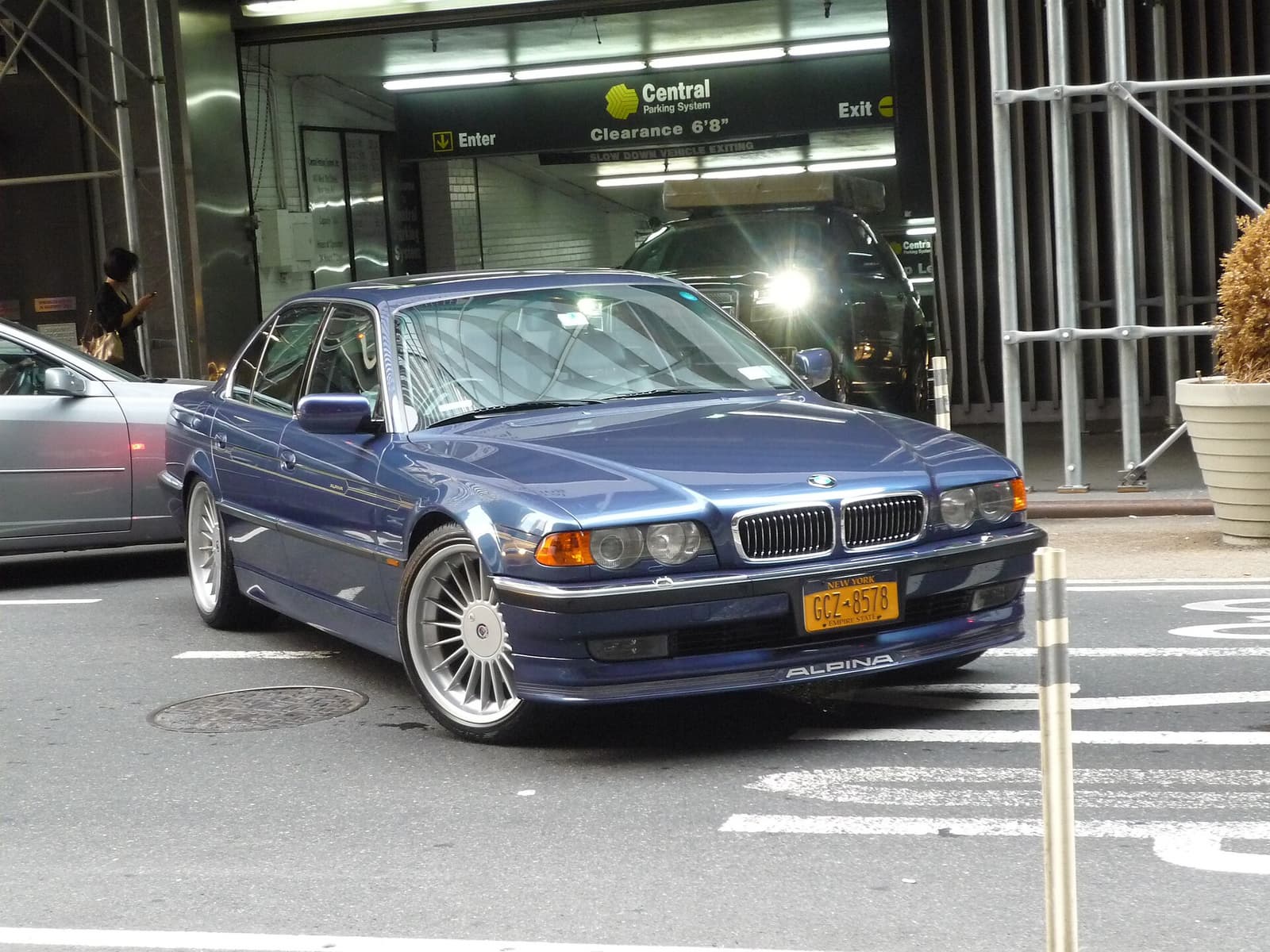
That is why the BMW E38 was remembered by viewers not only for its design. In "Bumer," it became a kind of symbol of fate – not in a pompous, but in a profoundly vital sense. It was enough to make one wrong turn, and returning became impossible.
As a result, the BMW E38 became one of the most recognizable automotive images of the Russian 2000s not because of its striking appearance. This sedan surprisingly accurately coincided with the atmosphere of an era in which an expensive foreign car simultaneously symbolized success, danger, freedom, and constant anxiety. It was this state that the film "Bumer" managed to convey, forever linking it with the black "seven series." Therefore, years later, the BMW E38 continues to be remembered not as a well-chosen prop, but as one of the most important characters in the film.
Read more materials:
- In Russia, gasoline production has been simplified: what will change
- How to safely drain gasoline from a modern car
- Heat can disable a car: experts named the main risks for drivers