A three-day strike by workers has begun at Hyundai Motor's South Korean plants after management and the union failed to agree on the terms of a new collective agreement. In addition to wage increases, one of the main reasons for the conflict was the expansion of production automation.
The union demands an increase in basic wages, higher bonuses, the implementation of an employee profit-sharing system, and an official discussion of the impact of robots on employment. Workers insist on guarantees of income preservation as automated systems are introduced and propose raising the retirement age from 60 to 65.
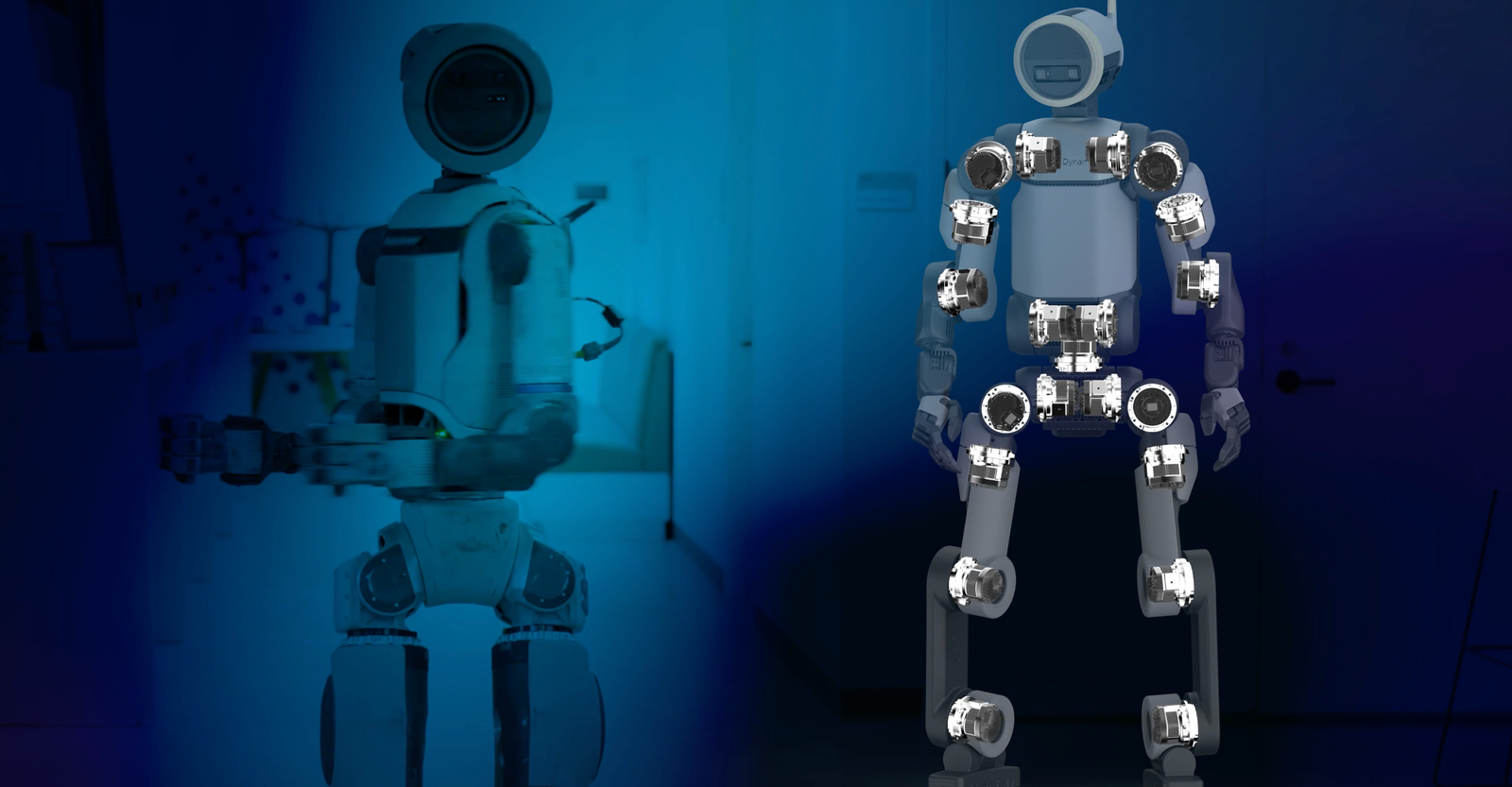
Concerns are related to Hyundai's plans to use Atlas humanoid robots, developed by Boston Dynamics, which is part of the Hyundai Motor Group. The manufacturer expects to begin their implementation at US plants starting in 2028. Initially, the robots will perform logistics operations and component transportation, and then they will be able to participate in car assembly.
Automation is becoming a general trend in the global automotive industry. Tesla, BMW, Mercedes-Benz, Toyota, BYD, Chery, and other major automakers are also investing in the development of humanoid robots and intelligent production systems today.
For Hyundai, the situation is particularly sensitive, as about half of the company's global car production comes from South Korea. Even short-term conveyor stoppages can lead to a significant reduction in output and serious financial losses.
Read more materials:
- Fiat is considering a "charged" Topolino: a sports car with a speed of only 40 km/h?
- Toyota to test hydrogen technologies in "Dakar": why does the company need extreme races instead of laboratories?
- Suzuki Jimny transformed into a retro SUV without body replacement: Damd showed an unusual accessory