If you look closely at almost any tractor, you'll notice a characteristic feature of its design: the rear wheels are significantly larger than the front wheels. At first glance, such a solution might seem unusual, but it is dictated solely by practical considerations. It is thanks to this arrangement that the tractor is able to perform heavy work in conditions where most other equipment would quickly lose traction.
Unlike a passenger car, a tractor has to work daily on loose soil, plowed fields, wet ground, and other surfaces with low bearing capacity. At the same time, the machine moves heavy mounted equipment, so the main loads are concentrated on the rear axle.
Why the Largest Wheels Are at the Rear
On most tractors, the rear axle is the primary drive axle. Through it, the engine transmits most of the traction force required for movement and working with mounted implements.
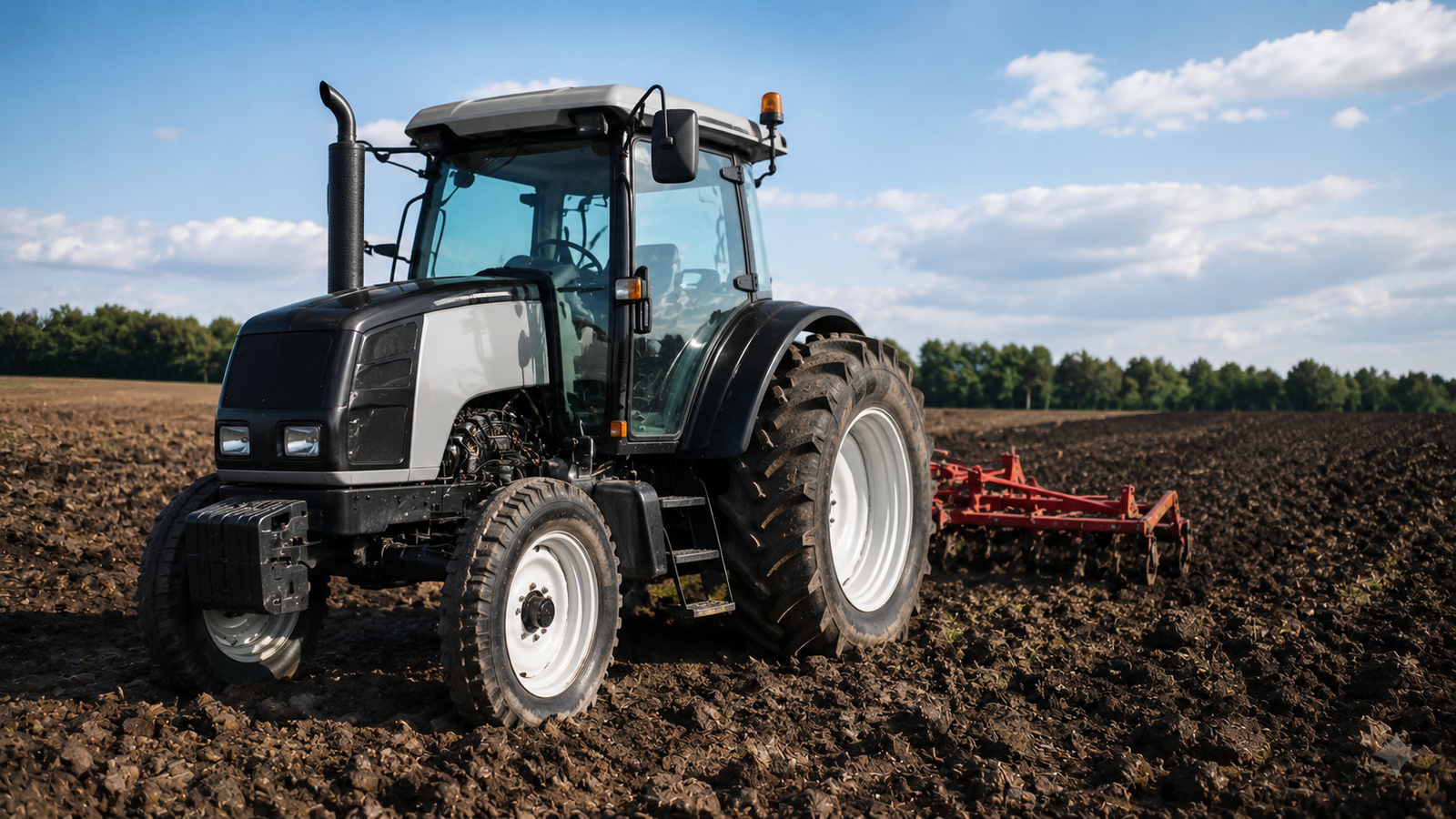
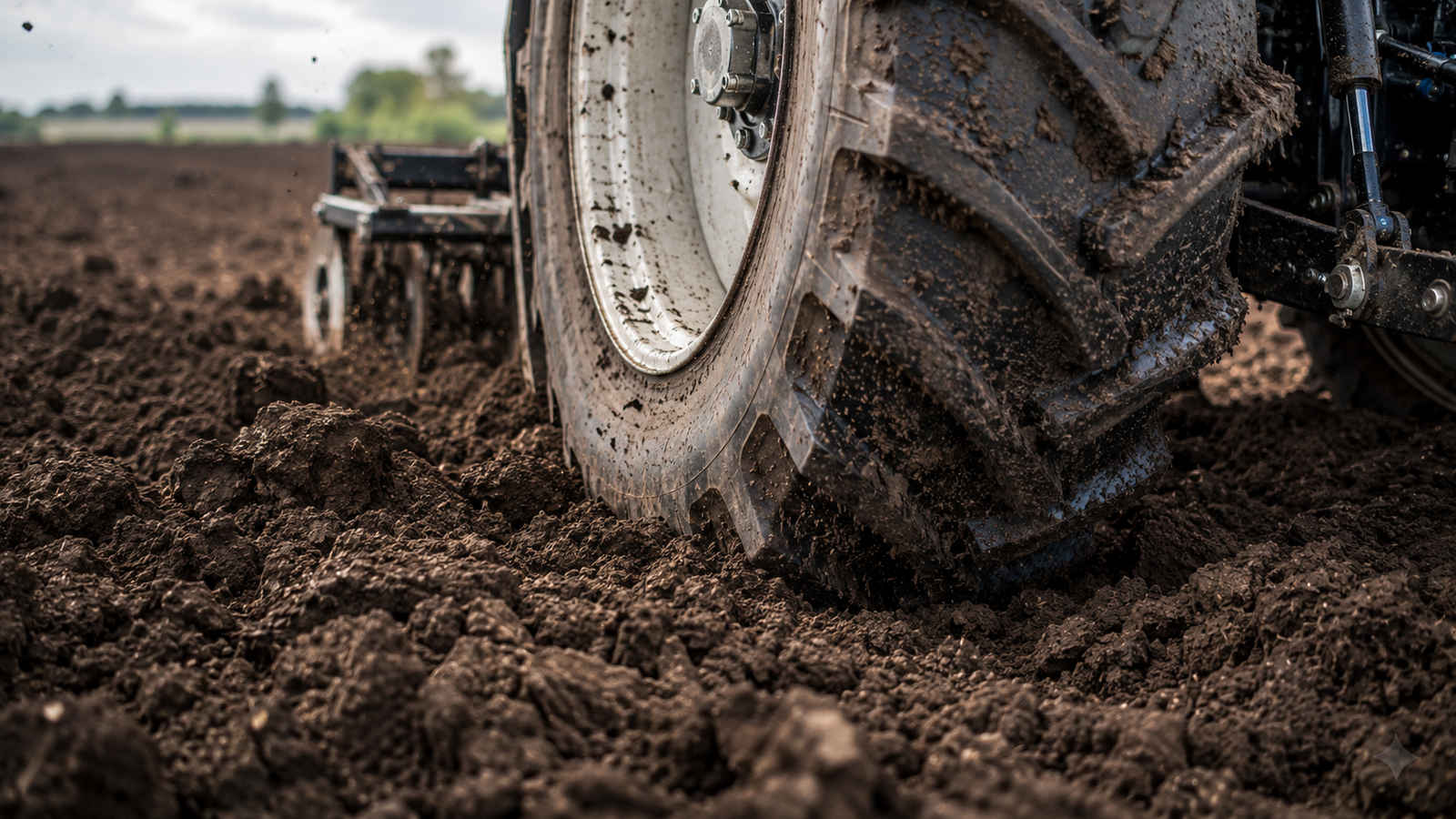
The larger the wheel diameter, the more effectively it interacts with the ground. A deep tread pattern further contributes to this, allowing for good grip even on wet ground.
The width of the tires also plays an important role. An increased contact patch distributes the machine's weight over a larger area, thereby reducing pressure on the soil.
This provides several advantages at once:
- reduces the likelihood of sinking into loose soil;
- the tractor moves more confidently across a plowed field;
- reduces the risk of slipping;
- equipment gets stuck less often in difficult conditions.
Large wheel diameter also helps in overcoming obstacles. Furrows, deep ruts, bumps, and other irregularities are passed much more easily by the tractor, as a large wheel rolls over them more smoothly, reducing shock loads.
That is why this scheme has remained practically unchanged for many decades.
How Mounted Equipment Affects Performance
Most agricultural implements are attached to the rear of the tractor. These can be:
- plows;
- seeders;
- cultivators;
- other heavy mounted equipment.
During operation, such mechanisms create a serious load on the rear of the machine. In fact, they constantly pull the tractor backward, so the rear axle must have a large margin of safety and provide the most reliable grip on the ground.
Large wheels allow for more effective absorption of this load and maintain the machine's stability even when working with heavy implements.
Why Front Wheels Are Made Smaller
The front axle performs a completely different task. Its main function is not so much to create traction as to steer the tractor.
That is why the front wheels have a smaller diameter. This solution allows for:
- reducing the turning radius;
- increasing maneuverability;
- facilitating control in confined spaces;
- performing turns at the end of the field faster.
If the front wheels were as large as the rear ones, the tractor would be less agile, and steering would require significantly more effort.
Why the Engine is Located in the Front
During operation, heavy mounted equipment can partially unload the front of the machine, and sometimes even tend to lift it.
That is why the engine is traditionally placed in the front of the tractor. Its mass performs several important functions at once:
- additionally loads the front axle;
- improves stability;
- helps maintain the machine's balance;
- makes steering more predictable.
Thanks to this weight distribution, the tractor maintains good handling even under heavy loads.
How Large Wheels Help Start Moving
Large rear tires also play an important role when starting from a standstill.
Even if the tractor is working with a heavy plow or other massive equipment, large wheels allow for a smooth start without abrupt slipping.
As a result, the engine primarily expends power on creating traction, rather than on useless wheel rotation.
This provides several advantages at once:
- reduces stress on the transmission;
- reduces tire wear;
- increases work efficiency;
- reduces energy consumption.
Why High Ground Clearance is Also Important
Large rear wheels increase the overall height of the machine, and with it, the driver's working position.
A higher seating position provides a better view of the surrounding area. From this position, it is easier to notice:
- deep ruts;
- potholes;
- large stones;
- other obstacles in the way.
In addition, it is easier for the operator to constantly monitor the operation of the mounted equipment located behind the tractor.
What Has Changed in Modern Models
Modern tractors are increasingly equipped with all-wheel drive. In such machines, the front axle is used not only for steering but also for transmitting part of the torque.
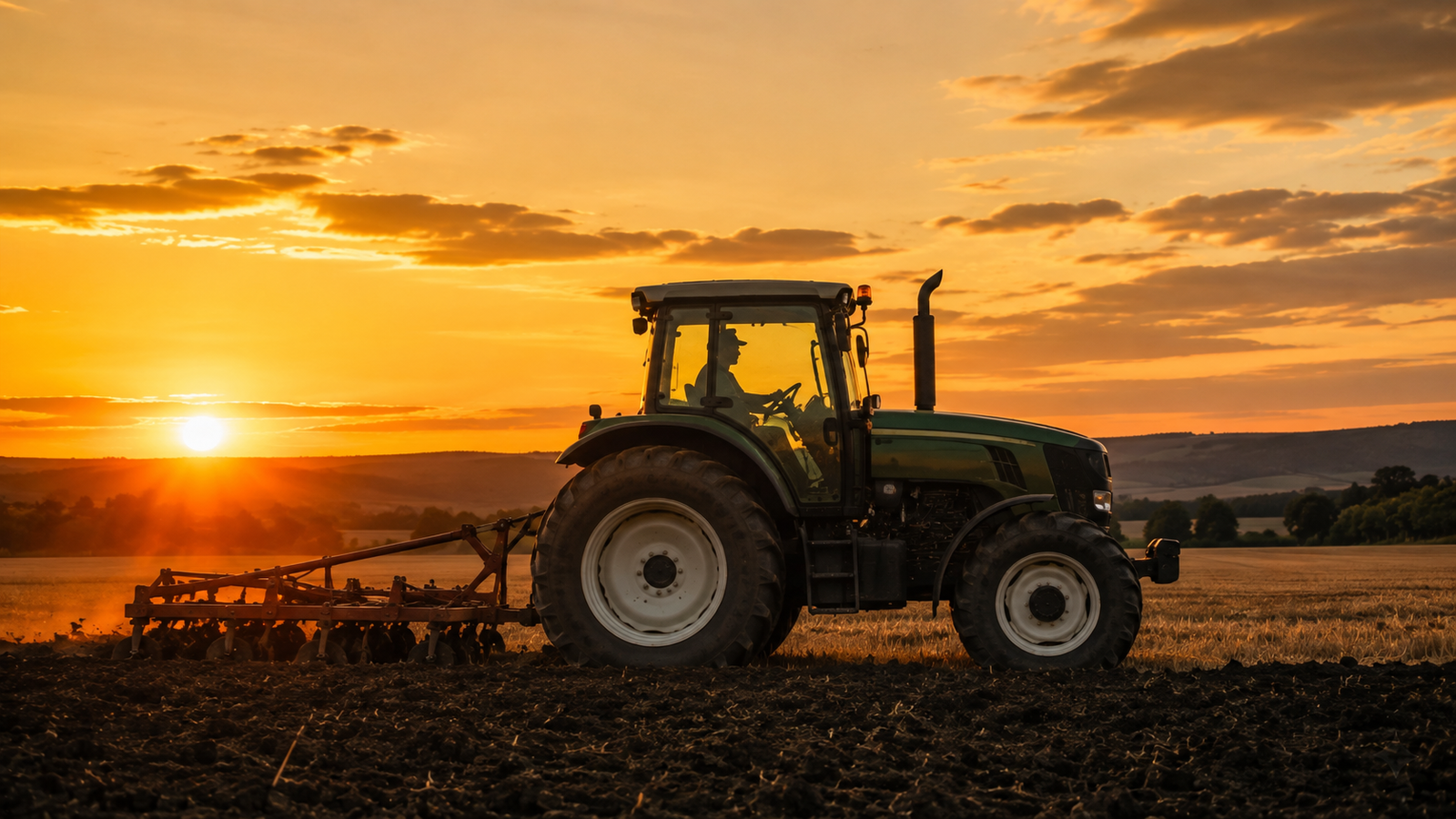
If the rear wheels start to lose traction on wet or loose soil, the front wheels help maintain movement and significantly reduce the likelihood of getting stuck.
At the same time, the classic scheme with larger rear wheels is maintained, as it provides the optimal combination of traction, off-road capability, and stability.
It turns out that large rear wheels did not appear for the sake of an unusual appearance at all. This design solution allows the tractor to effectively transmit power to the ground, work with heavy mounted equipment, overcome irregularities more easily, and maintain stability in conditions where an ordinary car would not be able to travel even a few meters. That is why this scheme has remained relevant for many decades and is still considered one of the most effective for agricultural machinery.
Read more materials:
- Land Cruiser 70: an SUV that outlived dozens of car generations
- Why AvtoVAZ abandoned the short fender
- How much Lada cars cost in different countries
Комментарии