In the early 1980s, AvtoVAZ launched a project that was significantly ahead of its time. In 1981, a full-size mock-up of the five-door VAZ X1 car was made, and a year later, a shortened three-door X2 version appeared next to it. Despite differences in body length, both cars were designed for seven seats.
In terms of their architecture, these cars practically corresponded to what the whole world would begin to call minivans a few years later. However, the unusual developments never made it into mass production.
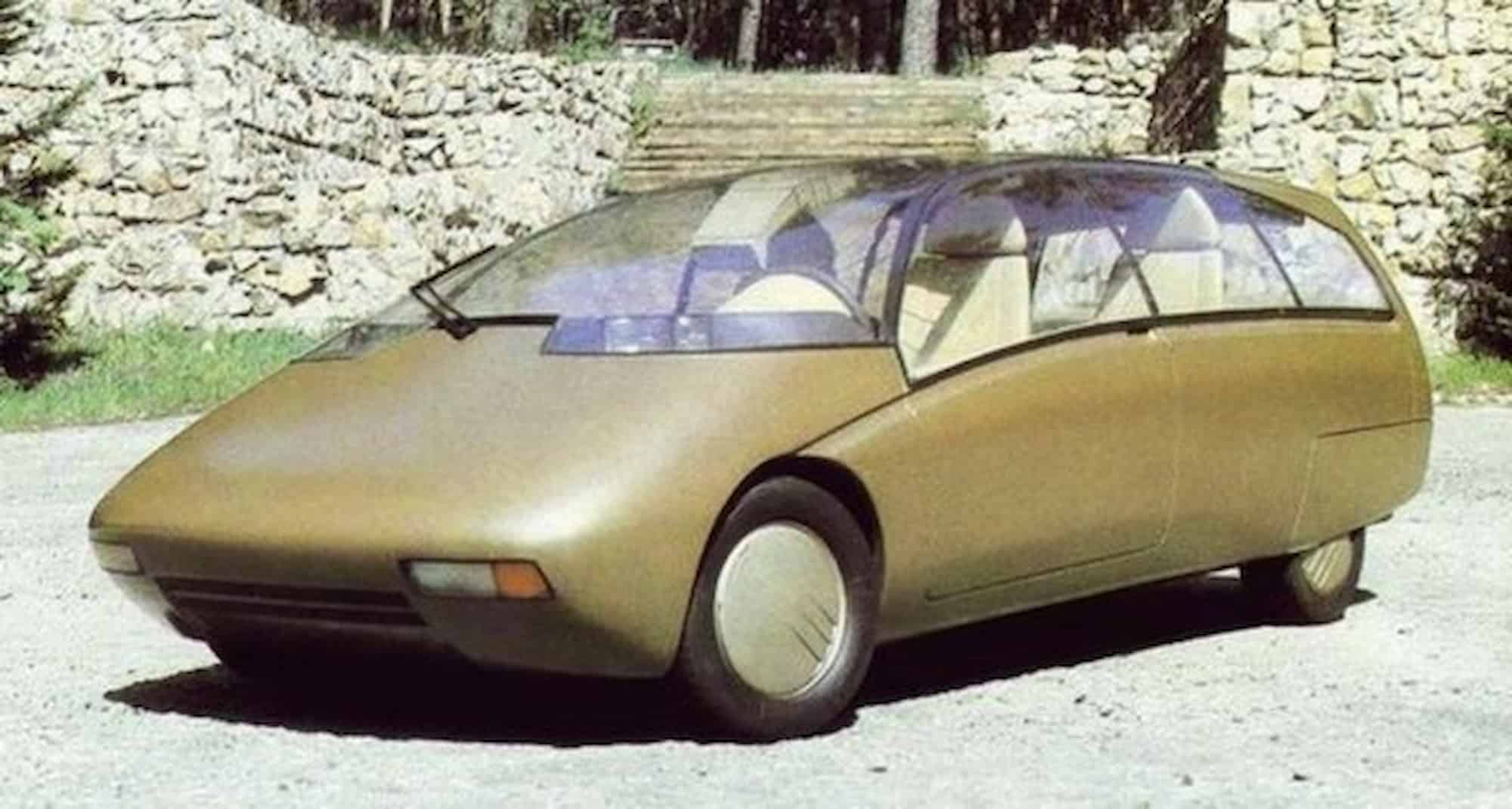
Single-volume body instead of the usual scheme
The main feature of the project was a layout completely unusual for the domestic automotive industry.
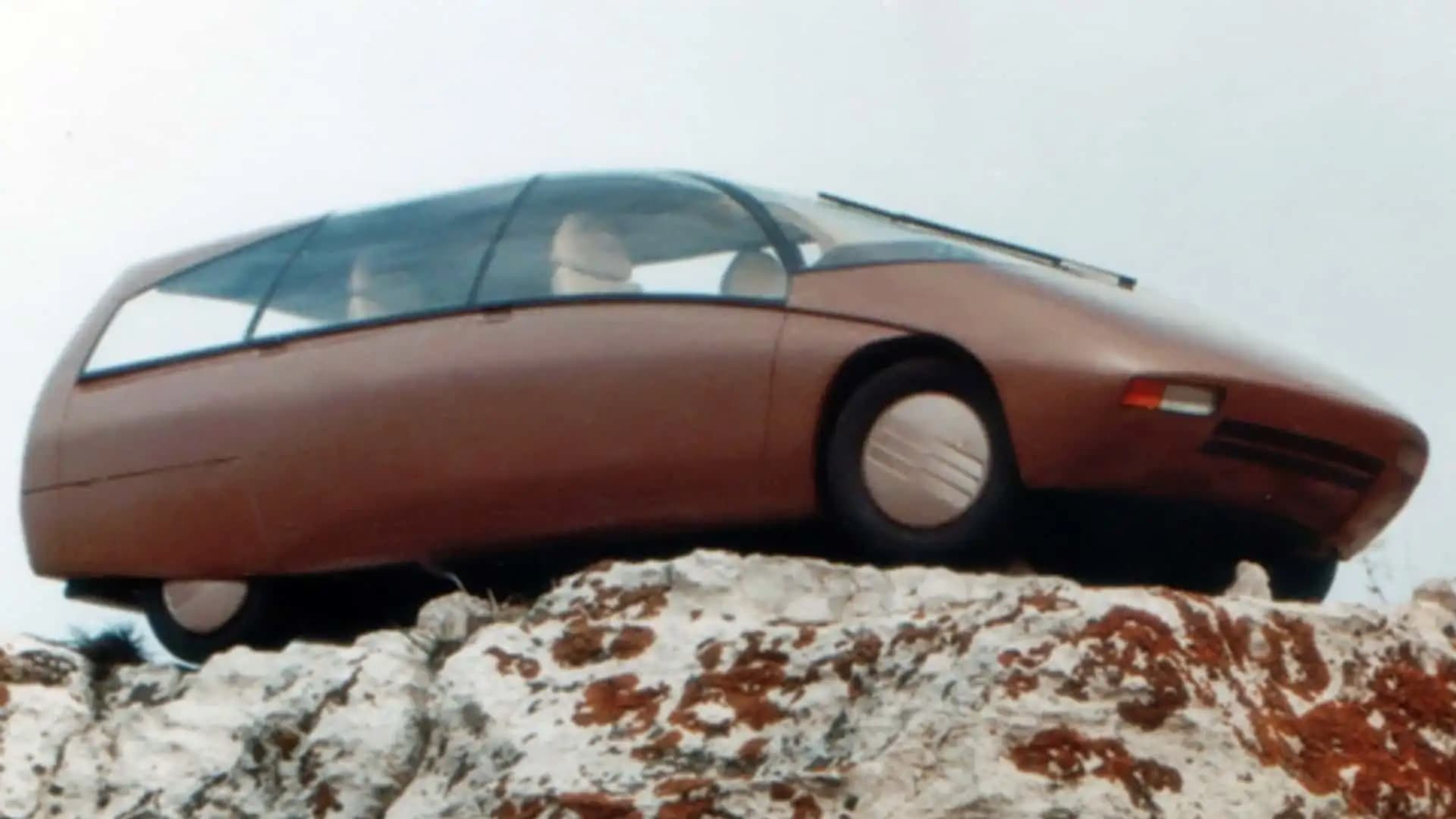
The car was a single volume without a pronounced hood and a separate trunk. The body smoothly stretched from the front to the rear bumper, forming a single silhouette.
This shape is often called teardrop-shaped, and this definition is not related to design, but to aerodynamics. It is the teardrop that is considered one of the most effective shapes in terms of air resistance. Hence the characteristic design features:
- heavily sloped windshield;
- smoothly rounded sides;
- absence of sharp transitions and protruding elements.
Such geometry made it possible to reduce aerodynamic drag, which promised lower fuel consumption on the highway and reduced noise levels in the cabin.
Unusual headlight placement
One of the boldest decisions was the placement of the headlights: the headlights were moved almost under the lower edge of the windshield, while the front of the car retained a small radiator grille. A single wiper was used to clean the glass.
This decision was explained by quite practical reasons: in the early 1980s, car headlights were standard ready-made blocks of a certain shape, to which designers had to adapt the front of the body. Moving the lighting higher freed up the car's nose and allowed it to be designed solely with aerodynamics in mind. Subsequently, almost no one used a similar scheme. One of the few cars that partially implemented a similar idea much later was the Fiat Multipla.
Seven seats with the dimensions of an "eight"
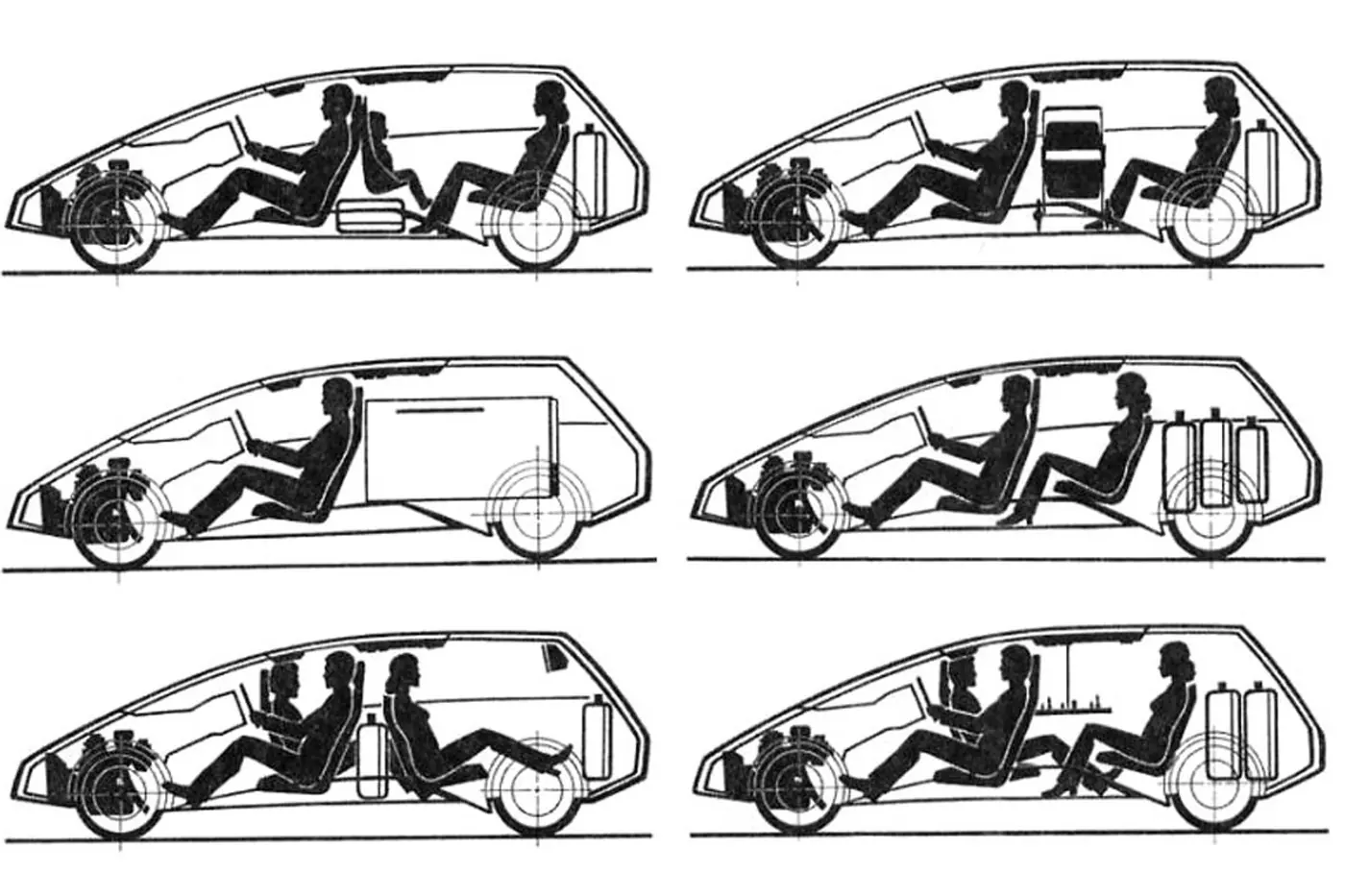
The project was created according to the principle of so-called free planning.
This implied the ability to change the interior space depending on the owner's needs. The design provided for:
- swivel seats;
- movable seats;
- folding tables;
- the possibility of transforming the third row.
Depending on the configuration, the car could perform different tasks:
- carry seven passengers;
- turn into a cargo van;
- be used as a kind of mobile office with a table.
The X2 variant looked especially interesting: in length, it practically coincided with the VAZ-2108, measuring about 4006 mm. This was no accident. It was assumed that the units of the future front-wheel drive "eight" would be used as a basis:
- platform;
- engine with a volume of 1.3–1.5 liters;
- power unit with a power of about 65 hp.
In fact, the engineers expected to accommodate seven people in a car comparable in size to a three-door hatchback.
The world was just beginning to discover minivans
Although the project looked revolutionary, the idea of a single-volume car did not originate in Tolyatti. Back in 1978, Giorgetto Giugiaro presented the Lancia Megagamma concept, which is considered one of the predecessors of modern minivans. In 1981, almost simultaneously with the completion of the X1 project, the Nissan Prairie entered the market, becoming a production model. Three years later, two more iconic cars appeared: Renault Espace and Dodge Caravan, and it was after their debut that family minivans began to rapidly gain popularity around the world.
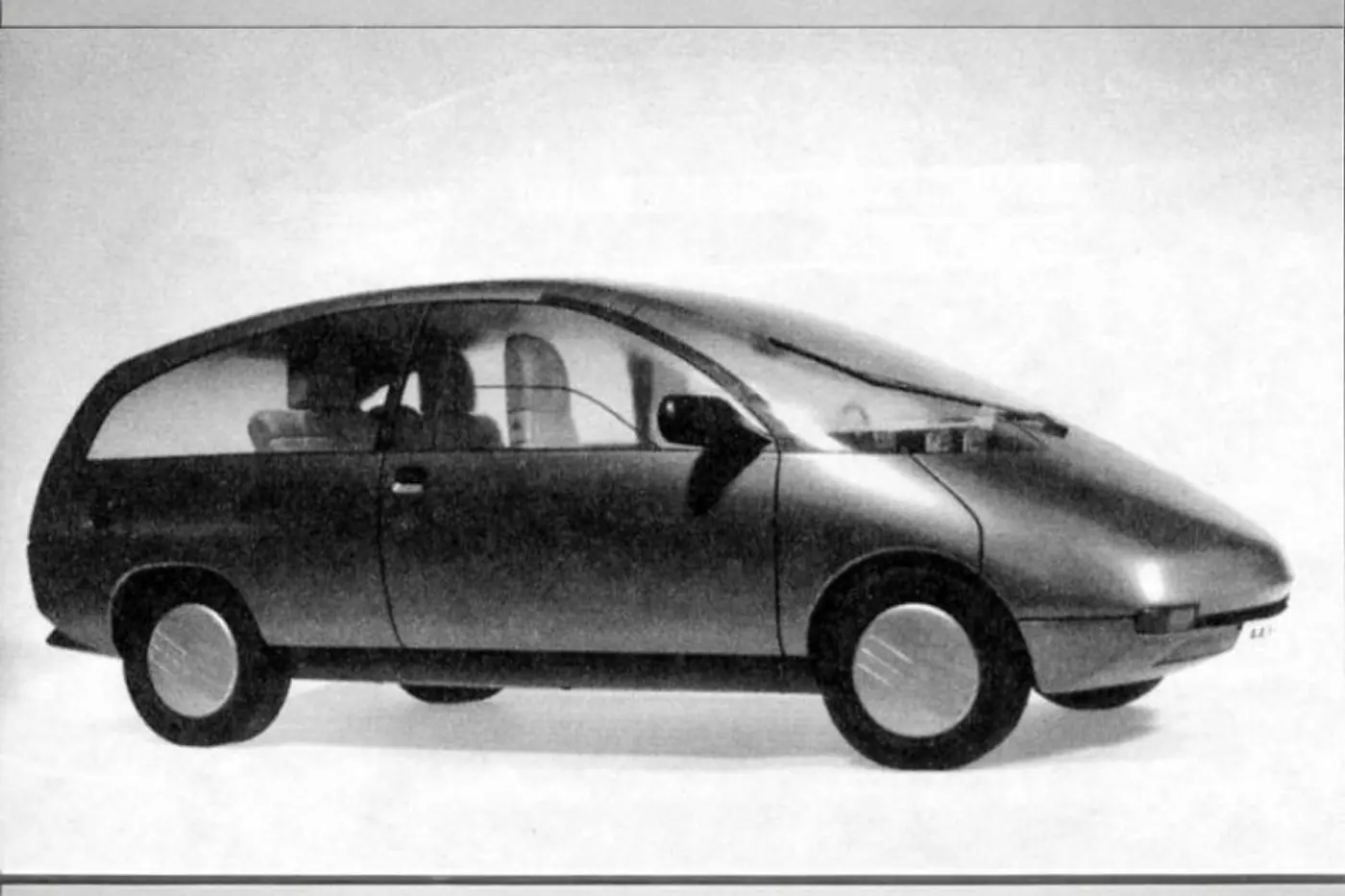
The AvtoVAZ project remained at the mock-up stage. Moreover, about eight years after the creation of the X1, the design department of the enterprise was already studying imported Prairie and Espace, analyzing solutions that were in many ways similar to those proposed by their own engineers even earlier.
The project turned out to be a demonstration of capabilities
The creators of VAZ X initially did not count on early mass production. The concept was developed primarily as a demonstration of the enterprise's engineering potential. In the Soviet Union, such projects were created not for car shows and advertising campaigns, but for industry commissions and government agencies.
The designers were tasked with presenting a car that could appear in about fifteen years. A similar principle was later used to create another well-known domestic concept - AZLK "Istra".
How the project helped create a scientific and technical center
In 1986, Mikhail Gorbachev visited AvtoVAZ. During the visit, he was shown the developments of the chief designer's department, where there were scale models of promising cars. The guest was presented with an album of photographs of the projects, in which he left a memorable note that VAZ should become a legislator of the world automotive industry. In the same year, a decision was made to build its own scientific and technical center at the enterprise. The state allocated 500 million rubles for the implementation of the project.
Thanks to these funds, the plant received:
- modern design center;
- climatic chambers for car testing;
- experimental production;
- its own wind tunnel.
The full-size wind tunnel began operating only in 1996, about fifteen years after the first tests of the X1 and X2 mock-ups. Even without becoming a production car, the project played an important role in the development of the enterprise's engineering base.
Why the production minivan turned out to be completely different
AvtoVAZ only got its own minivan in 1998. It was the VAZ-2120 "Nadezhda" model, which differed significantly from earlier concepts. It was decided to use the Niva's units as the basis for the new car.
This decision was explained by several reasons: front-wheel drive platforms did not have the necessary strength margin for a heavy seven-seater car, while the SUV chassis was better suited for such loads. An additional advantage was all-wheel drive, and the body was designed completely from scratch.
For the plant, this was the first experience of computer-aided design of such a complex structure. Almost the entire power structure was new:
- side members;
- floor panel;
- body panels.
Unification with the Niva was practically absent.
Due to small production volumes, no own stamps were created, so the cars were assembled manually in experimental production.
How they saved on production
Even the appearance of the production model reflected the desire to maximize the use of ready-made components. For example, the round front headlights were assembled from already produced elements:
- the high beam was borrowed from the VAZ-2106;
- the low beam - from the Niva.
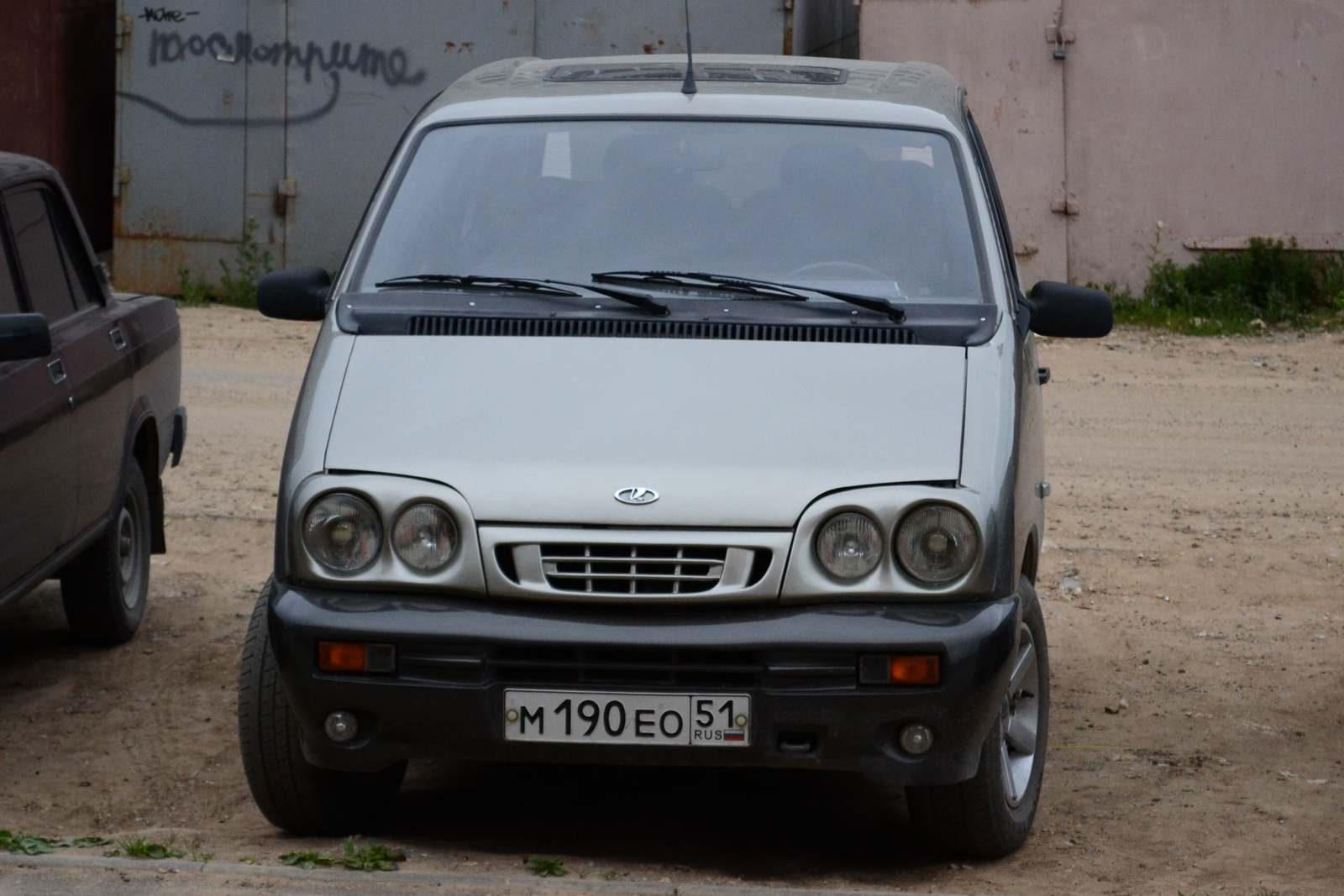
Later, the lighting equipment was replaced with more modern blocks from the VAZ-2110 family.
The name of the person who proposed the name "Nadezhda" has not been preserved by history, although the author of the car concept itself is known. The mass production of the VAZ-2120 turned out to be very modest: 347 cars were assembled in the first year, and 1182 units in the second. In total, a little more than 8 thousand cars were produced in eight years, after which production ended in 2006.
Nevertheless, the history of the VAZ X1 and X2 project shows that the idea of a domestic minivan appeared long before such cars became widespread throughout the world. Although the concepts never reached the conveyor, they became one of AvtoVAZ's boldest engineering experiments and made a significant contribution to the development of the enterprise's technical base.
Read more materials:
- Why AvtoVAZ abandoned the short fender
- How much Lada cars cost in different countries
- Is it true that sun blinds save the car from the heat
Комментарии