Former Toyota president and chairman of the board, Hiroshi Okuda, has died at the age of 93. The company has not yet announced the date or cause of death. Okuda worked at Toyota for 45 years, holding leadership positions from 1995 to 2006.
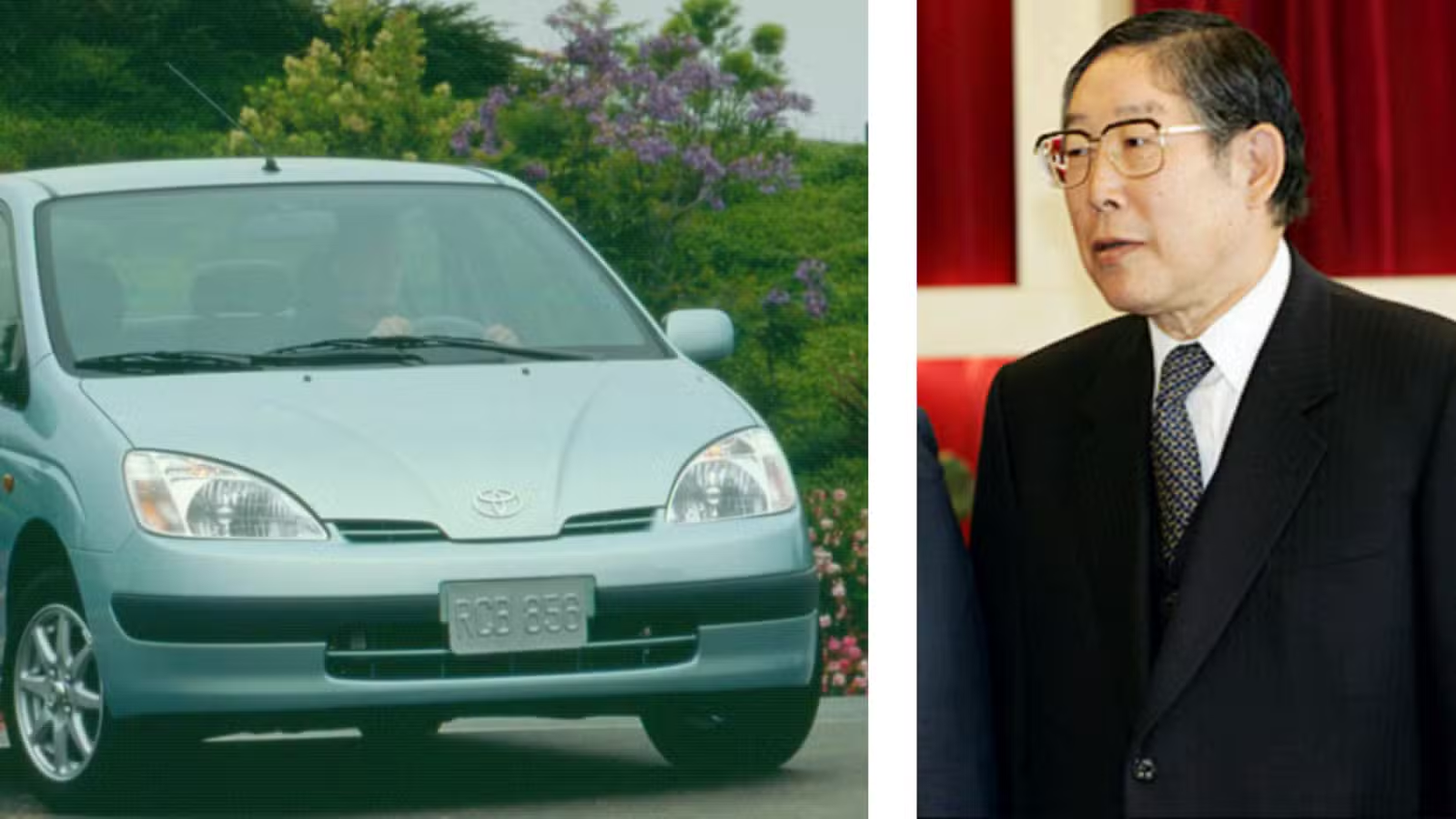
It was during his leadership that the Toyota Prius was launched. Okuda supported the G21 project – the development of a gasoline-electric hybrid – and insisted on bringing the car to market as quickly as possible. The first-generation Prius debuted in Japan in 1997 and became Toyota's first mass-produced hybrid.
Technologically, it was a risky project. Toyota independently developed key components of the hybrid system, including electric motors and the inverter, and created the battery in collaboration with Matsushita Battery Industrial. At the start of the work, the company did not have a ready-made technology that could simply be transferred to a production car.
Okuda simultaneously restructured Toyota's business itself. In 1996, the company launched the Vision 2005 strategy, which aimed to increase production directly in foreign markets instead of relying on exports from Japan. Over the next decade, Toyota's overseas sales more than doubled, and global sales grew by 67%.
Okuda was an unusual leader for Toyota: he was not a member of the Toyoda family and became the company's first president from outside the family in almost three decades. He also publicly opposed the automatic promotion of founding family members and demanded that executives be evaluated based on their abilities.
Today, hybrid technology has become one of the key components of Toyota's model range. Therefore, Okuda's influence on the automotive industry proved to be significantly broader than one generation of Prius: he simultaneously accelerated the company's globalization and bet on a technology that, almost 30 years later, remains strategically important for Toyota.
Comments