Toyota has frankly admitted the unusual economics of the GR GT. Senior Vice President of Automotive Operations Andrew Gilland stated that the road-going supercar itself "makes no financial sense." However, the project is considered important for brand development and racing technologies.
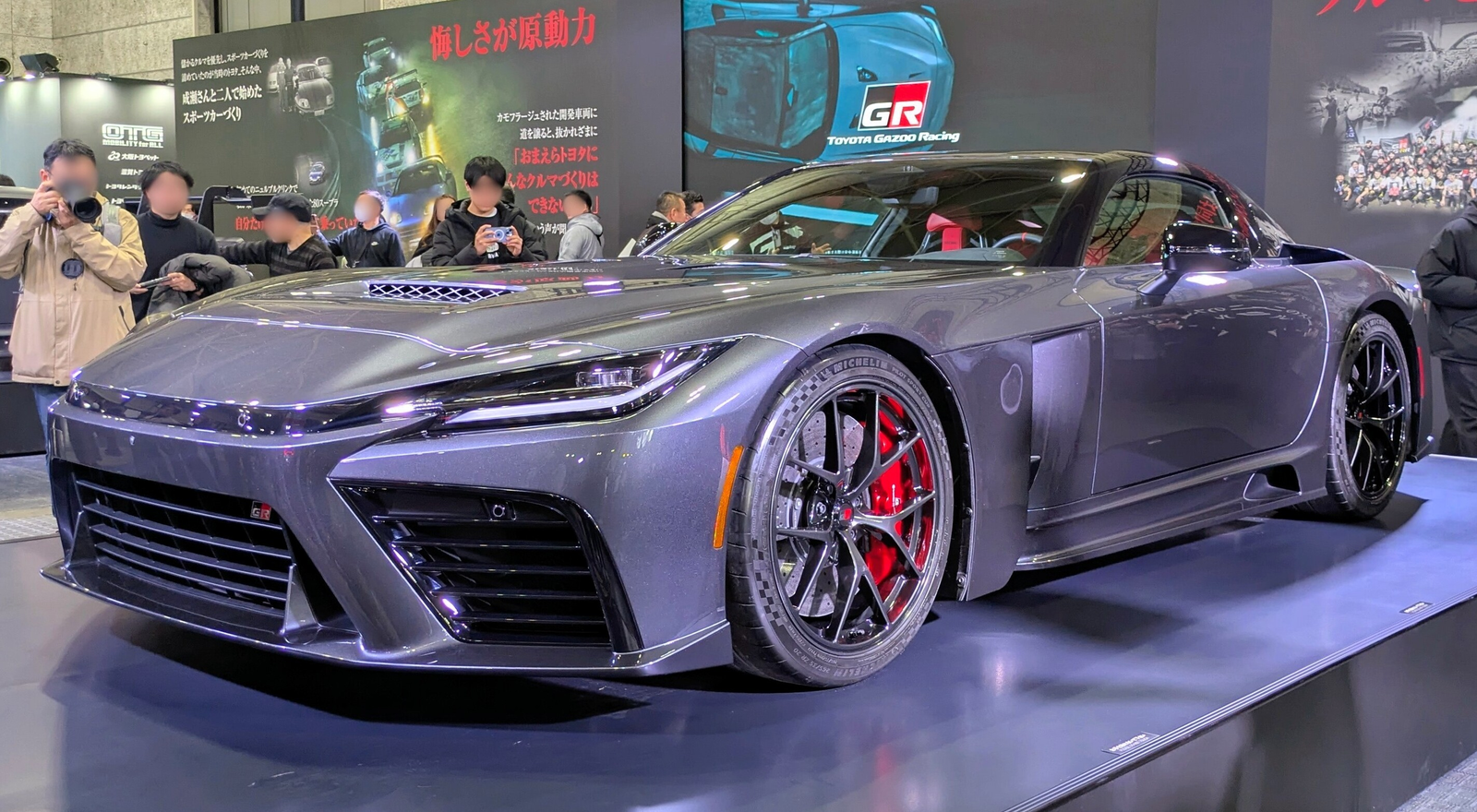
The GR GT was developed in parallel with the GR GT3 race car, with about 80% of the components being shared between the road and racing versions. Under the hood is a new 4.0-liter twin-turbo IHI V8 with a hybrid system. The target power exceeds 640 hp.
Toyota also plans to use the car to develop customer motorsport. From 2027, the racing version is expected to compete in IMSA, and the company plans to launch a full program for private teams from 2028.
Interest in the road-going GR GT already exceeds supply. Only 200–250 cars from the first batch are allocated for the US. Toyota intentionally limits the volume so that the car goes to true enthusiasts, not resellers.
This is the main point of the project. Toyota uses the expensive supercar as an engineering laboratory and a demonstration of Gazoo Racing's capabilities. Moreover, according to Gilland, technologies from the GR GT and GT3 could eventually find application even in more mass-produced models.
This is how the company fulfills Akio Toyoda's promise to move away from boring cars. The GR GT is not meant to make money directly, but to show what Toyota is technically capable of.