AMG is a combination of letters well known to motorists around the world. It is formed from the surnames of Hans Aufrecht and Erhard Melcher, as well as the name of the town of Großaspach. Today, this abbreviation is associated with the most powerful versions of Mercedes-Benz models and, unlike tuning studios like Brabus or Carlsson, it actually refers to factory sports modifications. This became possible after Mercedes fully integrated AMG in 2005. However, few people know that there are several cars that can be called AMG, although they are not directly related to the Mercedes lineup. And among them there are really unexpected specimens.
Lotus Emira
The British brand Lotus has not created its own engines for about a quarter of a century, preferring aggregates from other manufacturers. At various times, the company used Rover and Toyota engines, and in recent history it has also reached the AMG power unit. We are talking about the turbocharged two-liter M139 engine, which became the basis for the initial version of the Emira (while the top version received a V6 and a manual gearbox instead of a preselective "robot").
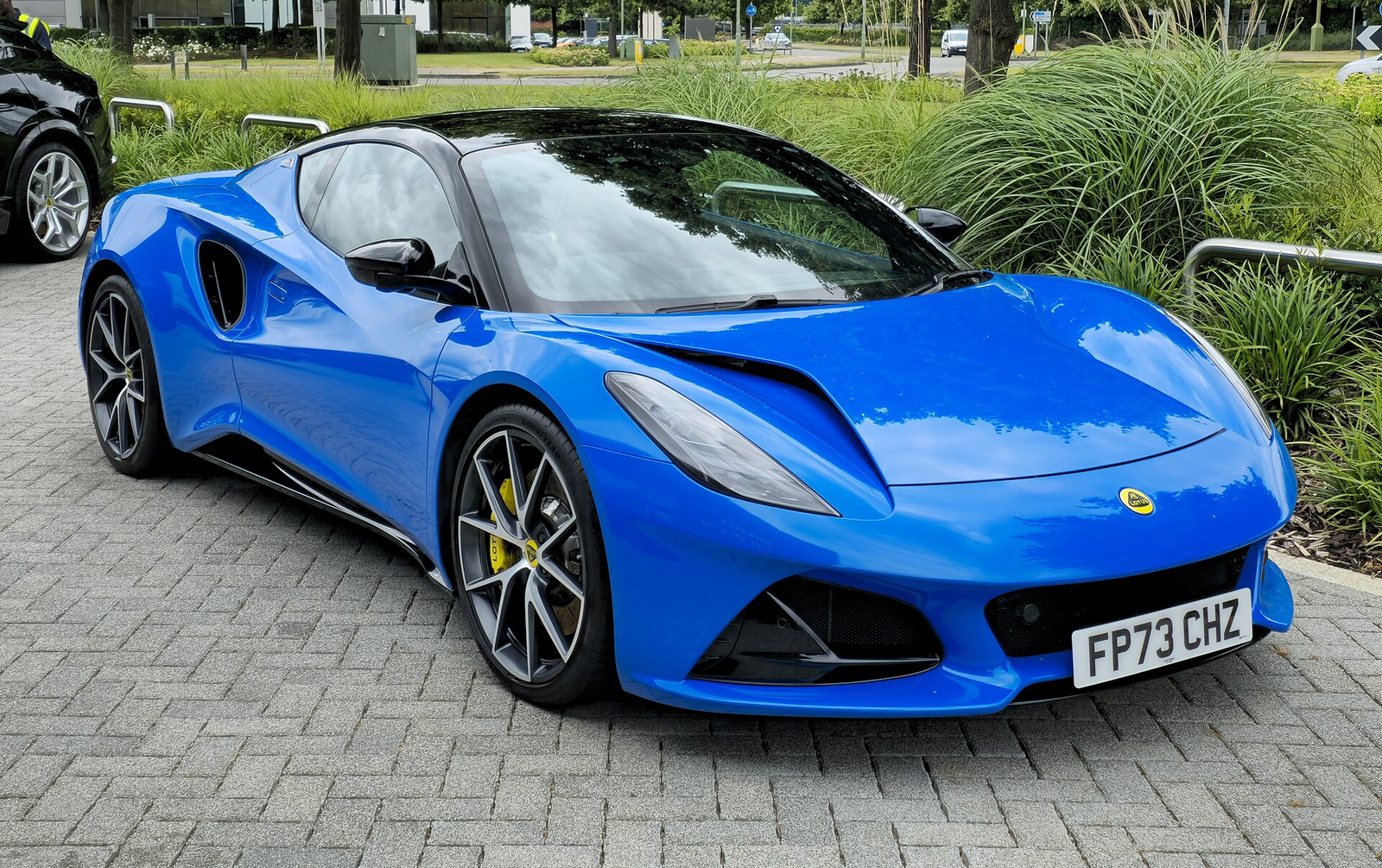
Interestingly, the "two-liter" itself does not look like a compromise: on Mercedes models, this engine is capable of producing up to 420 hp. However, for the Emira, it had to be limited to 360 hp, since the V6 at Lotus develops a maximum of 400 hp, and the younger engine simply should not have exceeded these limits. At the same time, owners easily return the lost "horses" with firmware and even increase the output to about 470 hp, turning the Emira into an almost ideal sports car for every day - fast, expressive and noticeably more expensive in appearance than it costs.
Chrysler Crossfire SRT6
In 1998, Daimler-Benz and Chrysler merged, which allowed the American brand to gain access to Mercedes platforms. The Crossfire coupe became one of the examples of this collaboration. In fact, the car almost completely repeated the previous generation Mercedes-Benz SLK - from power units and transmission to suspension.
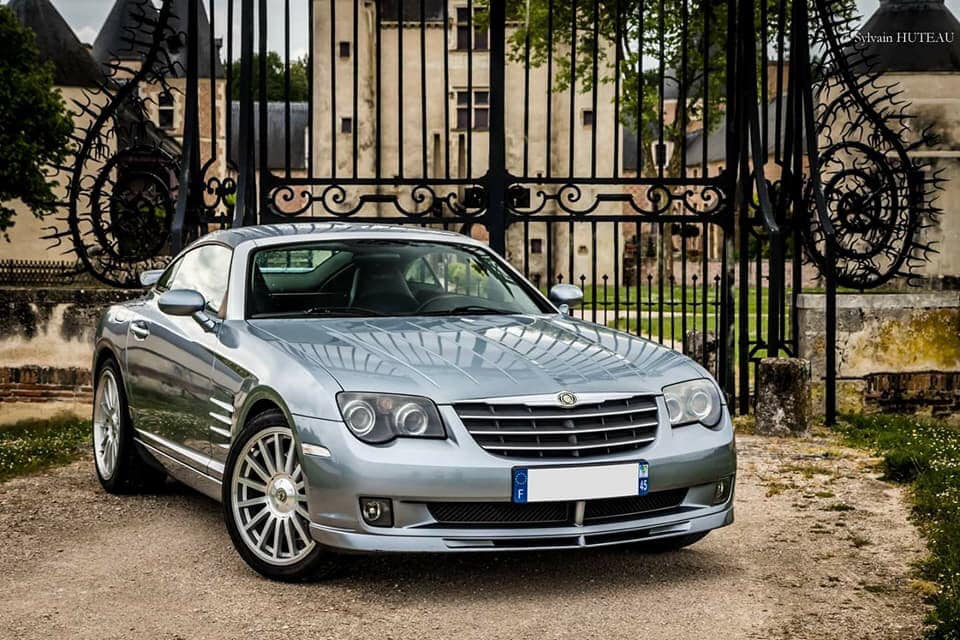
The most powerful version, which received the SRT6 index, was equipped with a 3.2-liter M112 compressor engine, familiar from the C32 AMG model. It developed 335 hp, which was very impressive for the Crossfire. But at the same time, Mercedes offered an updated SLK with a 355 hp engine, which made the American version slightly less attractive compared to the original.
Pagani
From the very beginning of Pagani supercars, they were united by one feature: they were all equipped with Mercedes engines prepared by AMG. The reason for this choice is simple, although against the background of the brand's design delights it may seem unexpected. Founder Horacio Pagani, who worked for a long time at Lamborghini on composites, was friends with Juan-Manuel Fangio, a Formula 1 driver who drove for Mercedes.
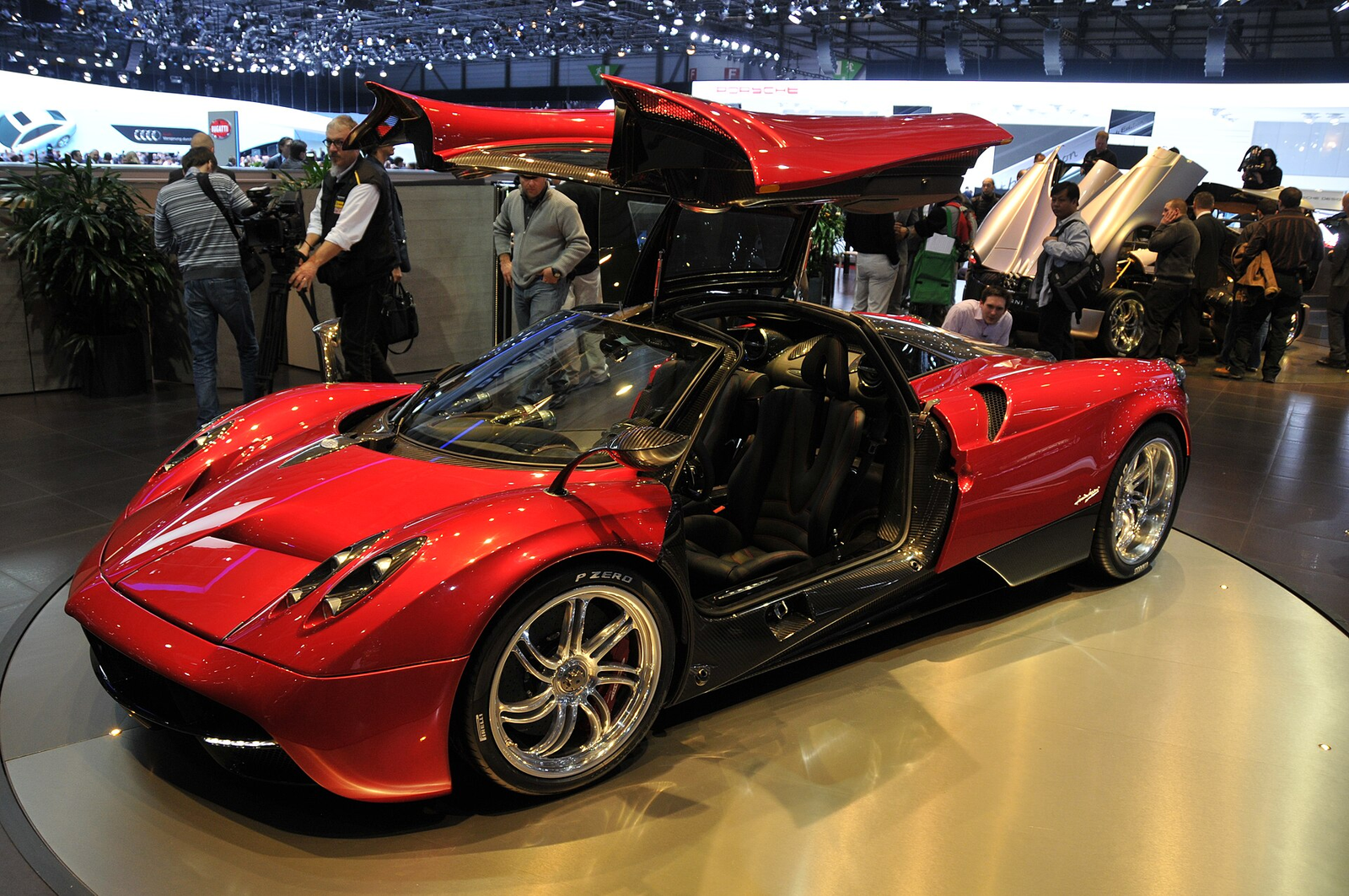
When the first prototype was created in 1993, it was Fangio who advised Pagani to contact Daimler. This is how the cooperation began, which continues to this day. The engines gradually evolved: from 6-liter V12s with 450 hp around 1999 to modern 7.3-liter units with a capacity of 760-800 hp for models like the Pagani Huayra.
Isdera Imperator
This is that rare case when a car causes instant nostalgia for those who remember Turbo chewing gum wrappers. Its creator, Eberhard Schulz, worked as a designer at Porsche, but in parallel he created his own concept. Thus, in 1978, the CW311 appeared - a mixture of Porsche elements, Mercedes' signature details and their V12, with a mid-engine layout and "gullwing" doors. However, Mercedes was not interested in the project.
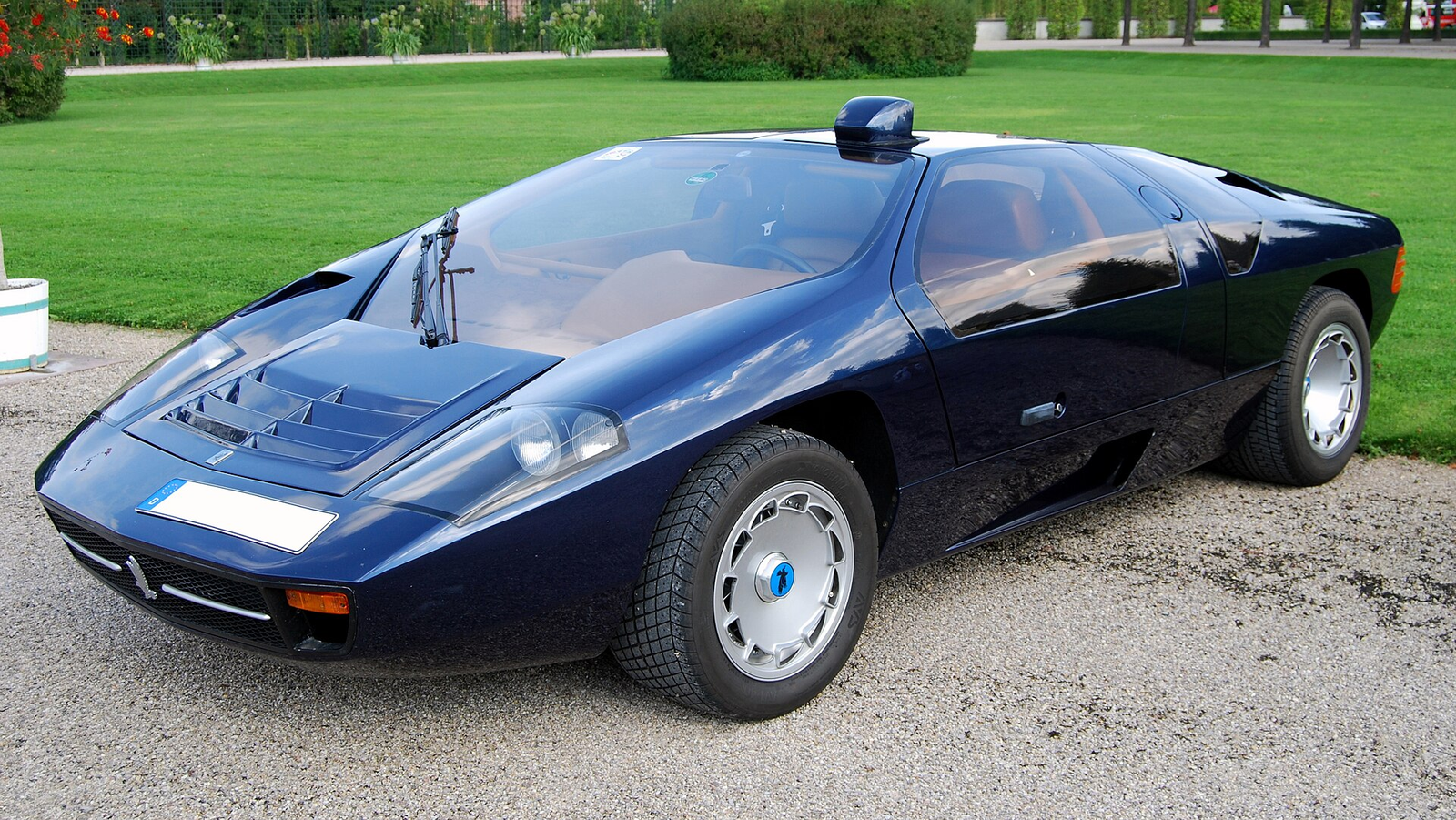
Schulz had to look for another way. This is how the small-scale model Isdera Imperator was born - only about 30 copies. The first versions received a 5.0-liter V8 M117. With it, the car accelerated to 100 km/h in about 5 seconds and could reach 283 km/h - indicators that looked very decent by the standards of 1984. It is curious that although Mercedes refused to produce it, it still agreed to supply engines and necessary components - not at all like GM did in the story with DeLorean.
Mitsubishi Galant AMG
Until 1990, AMG was a completely independent enterprise and was mainly engaged in the refinement of Mercedes cars located nearby. But in the late 1980s, Mitsubishi turned to the studio. The first joint model was the representative Debonair, which was slightly tweaked in appearance and equipped with branded nameplates.
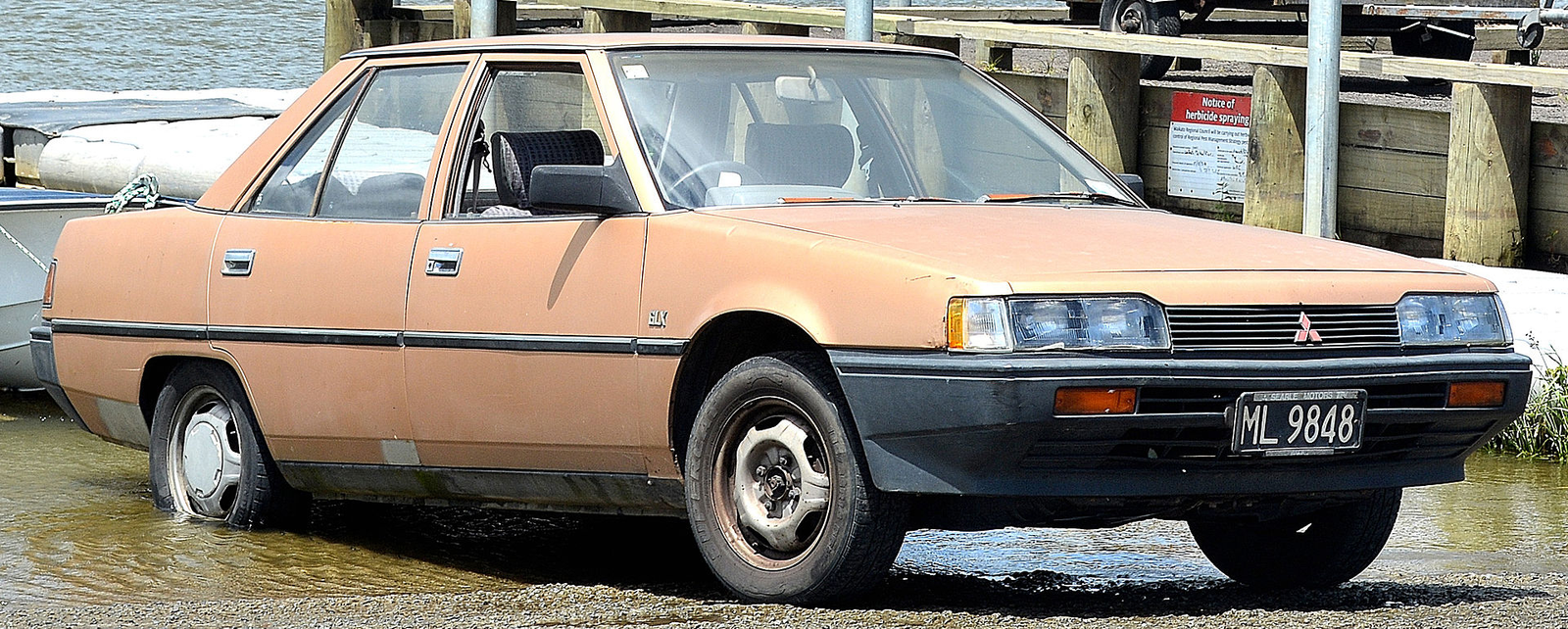
But in the case of the Galant, AMG specialists carried out much more in-depth work. The two-liter 4G63 engine received new pistons, shafts, titanium valve springs and modernized intake and exhaust systems. As a result, the atmospheric engine began to develop 170 hp and spun up to 8,000 rpm. By today's standards, this is a modest value, but in those years it was difficult to get more without a turbine. The turbocharged VR4 version was made a class higher, and this largely explains the small production of the Galant AMG - only about 500 pieces. Interestingly, now such cars cost more than the VR4, which is not so rare at all.
Aston Martin
The connection between AMG and Aston Martin may seem unexpected, but it is extremely straightforward. When the British brand tried to solve the problem of environmental standards with the help of a redesigned Toyota iQ, the project failed. However, the need to reduce emissions has not disappeared.
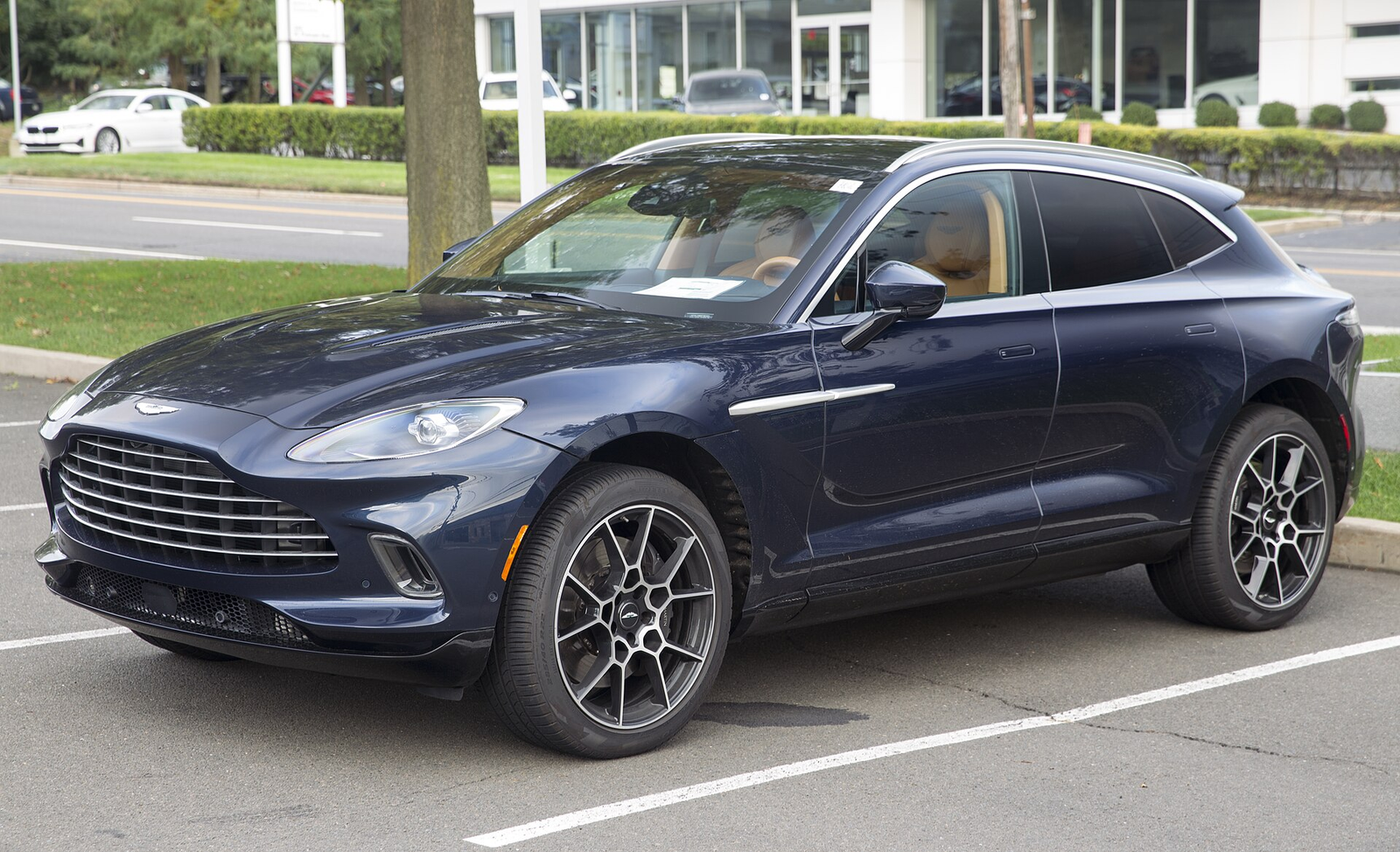
Then Aston Martin turned to Mercedes, whose engines met environmental requirements. By that time, the German company already had about 10% of Aston's shares, which made cooperation logical. Since 2017, the DB11, DB12 and DBX crossover models have begun to be equipped with a V8, modernized by AMG specialists. And these engines turned out to be so successful that Mercedes doubled its stake in Aston and appointed the former head of AMG to manage the brand. On these same engines, Aston managed to achieve even greater power than Mercedes on its own models: 660-700 hp.
Honda Ballade AMG
Under this name hides a kind of African version of the Honda Civic. The cooperation between Honda and AMG is officially rarely mentioned - both companies prefer to avoid the topic. But the fact remains: the model was launched in 1996, when Mercedes decided to be present in the South African market in a more affordable segment, and Honda was looking for a way to enter the same market with its lineup.
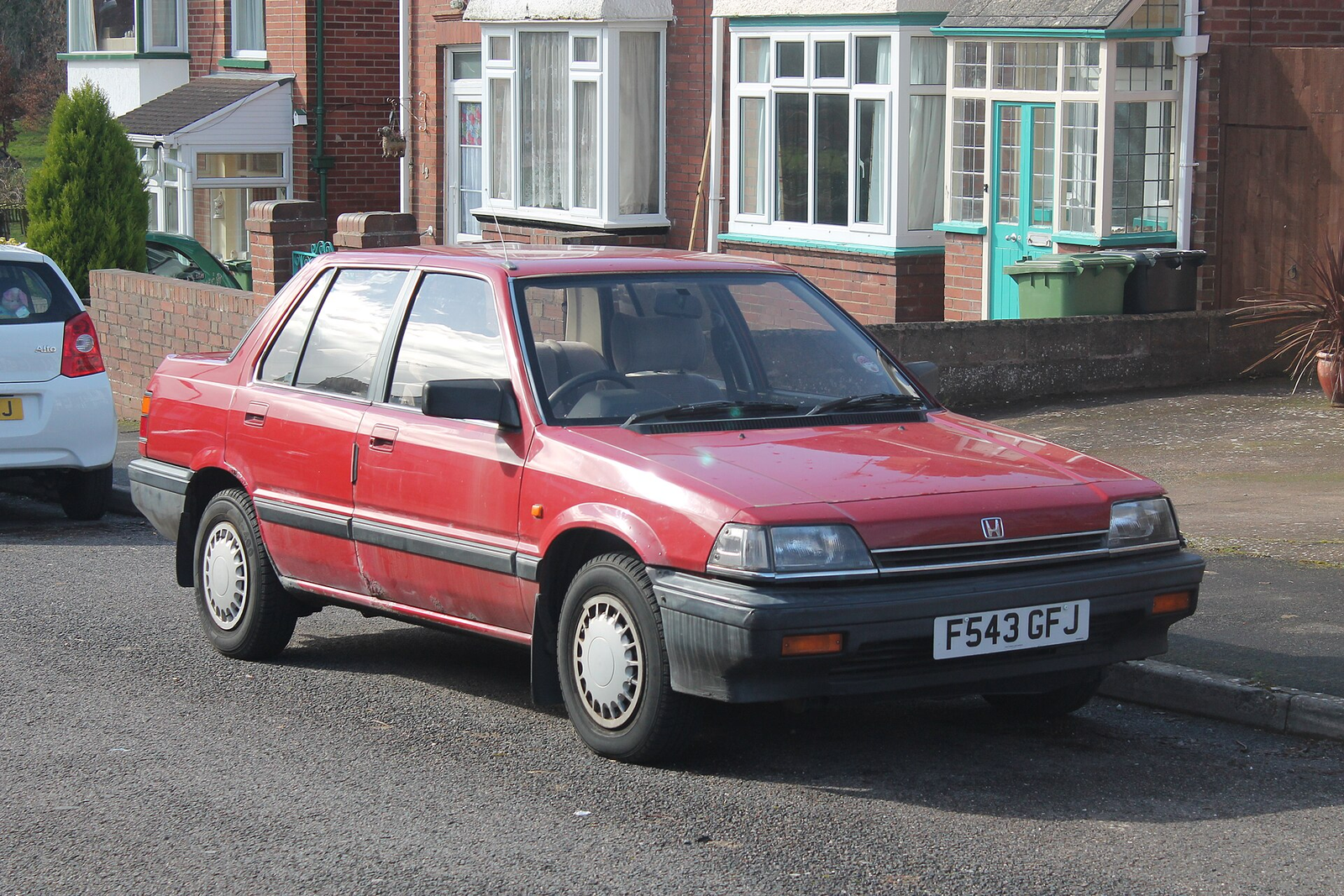
This Honda was sold in Mercedes-Benz dealerships and assembled at the same factory. Production continued until 2001. Buyers were offered two options: only visual AMG modifications or a full-fledged technical version. The latter received a modified B18B4 engine with a capacity of 173 hp (instead of the standard 138 hp) and an improved exhaust system. Acceleration to 100 km/h took 6.9 seconds.
And it only remains to regret that there were no domestic models in this series - it would be interesting to imagine, for example, Lada Kalina AMG or GAZ 3102 AMG. But given the current changes in the global automotive industry, it will no longer be surprising if this happens in the future.
Read more materials on the topic:
- Lada Iskra: what the car that was supposed to replace Granta offered in the end
- Audi S3 2026: an underrated fast sedan that can overshadow competitors
- BMW M2 CS 2026: an extreme compact sports car created for drifting and track
Комментарии