Sometimes it's hard to understand why truly interesting, modern, and visually appealing cars end up in the shadows, as if they lack a fateful push. Even when experts unanimously note the potential of a model, the market can "pass by," leaving it without deserved success. Sometimes it feels like unpredictable things like luck, or even fate, intervene.
Lincoln Continental (2017-2020)
A spectacular return that proved too short
The appearance of this sedan caused a real surge of emotion. Fans of classic American luxury greeted the new Continental as a long-awaited revival of a legend.
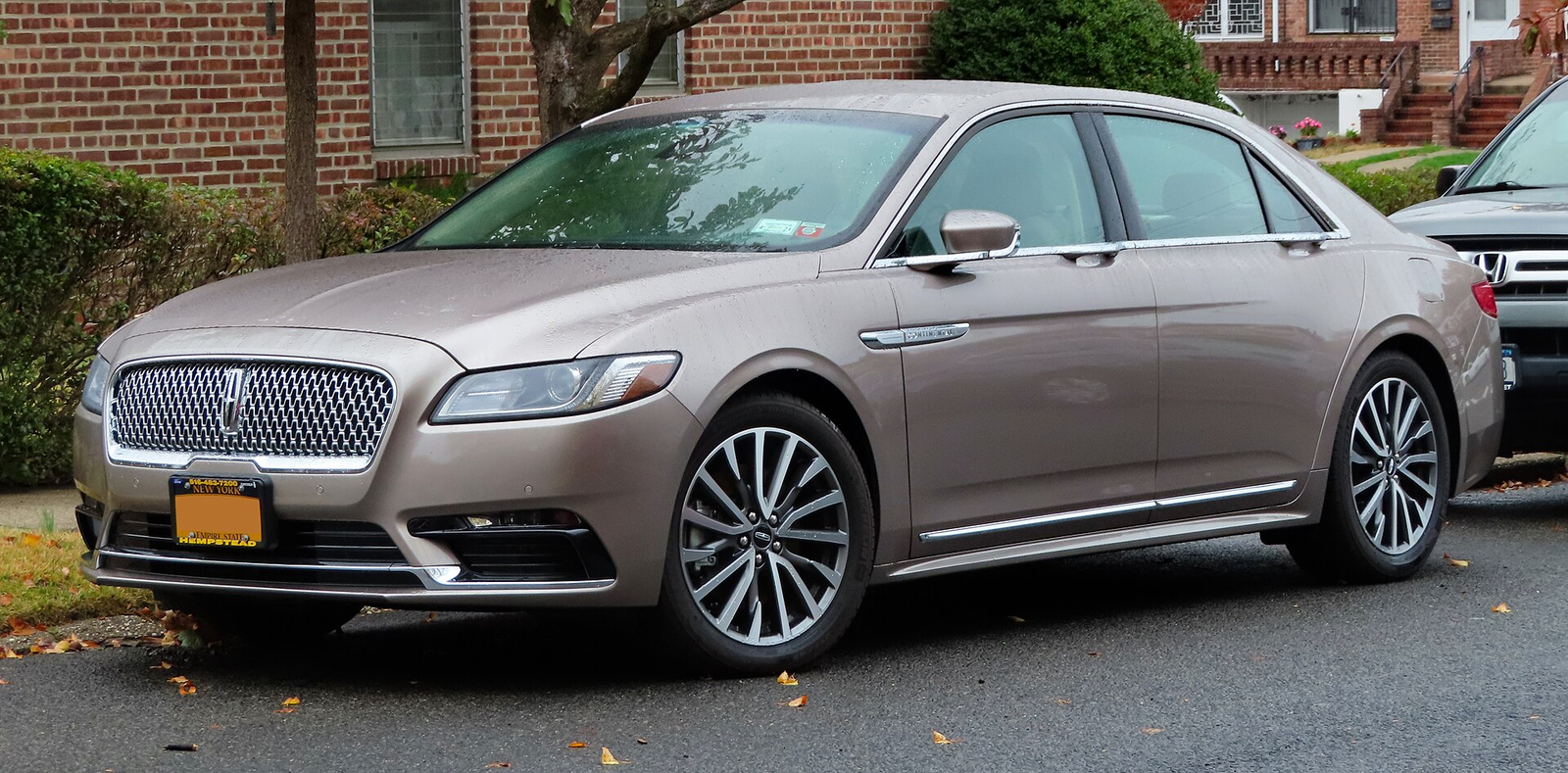
It was a car with exemplary design, harmonious body lines, an almost silent interior, and incredibly comfortable seats. Depending on the configuration, a 2.7-liter or 3-liter V6 with twin turbocharging, developing 305-400 "horses," lived under the hood. The car seemed more expensive than its official price - and this was felt literally in everything.
Experts raved, claiming that this was the best Lincoln model in recent decades. Buyers seemed to agree... and dispersed without making a purchase. The attempt to justify weak sales with "not the most premium" interior materials never became convincing. Result: after only three years, the Continental quietly left the market.
Lexus GS F (2016-2020)
The last voice of the era of naturally aspirated V8s
The days of powerful rear-wheel-drive sedans with an honest "naturally aspirated" engine are gone. They have been replaced by hybrids, turbo engines, and all-wheel drive. The GS F was the last reminder of that old school.
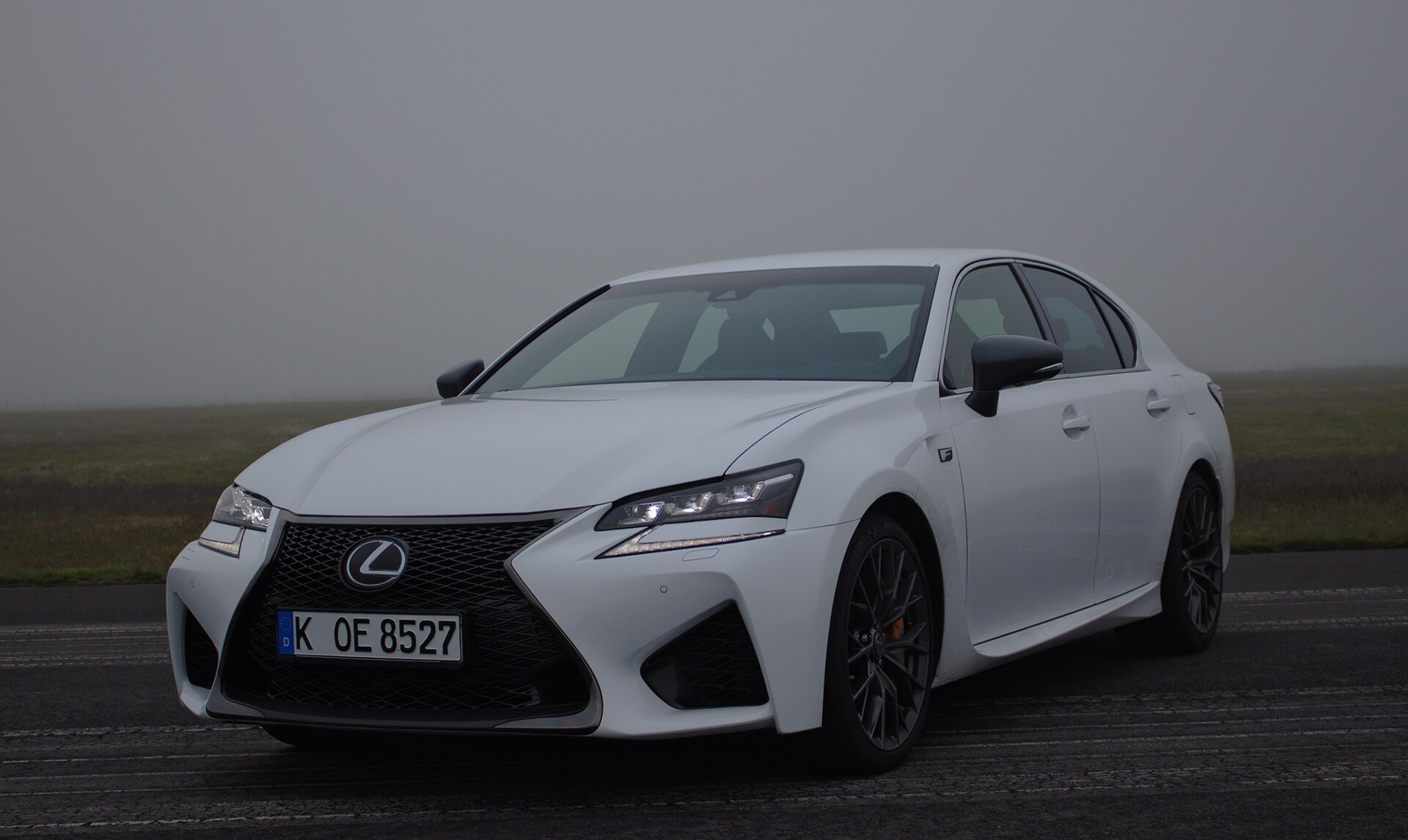
The five-liter naturally aspirated V8 became famous for its "cheerful roar" - 467 horsepower sounded and worked in such a way that a smile involuntarily appeared. Later, the car was added adaptive suspension, thanks to which the heavy sedan became more confident on the road. But it could not completely eliminate the noticeable roll in corners.
This nuance played a role, but the main problem lay elsewhere: the GS F came out in the era of the decline of sedans. It became not so much "underrated" as "late." And, as a result, shared the fate of the entire declining segment.
Saab 9-5 (2010-2011)
A beautiful final chord that sounded too late
Like Lexus, the new Saab appeared at the wrong time. Although it was a real quintessence of the brand - that very "Swedish plane" that fans should have fallen in love with at first sight.
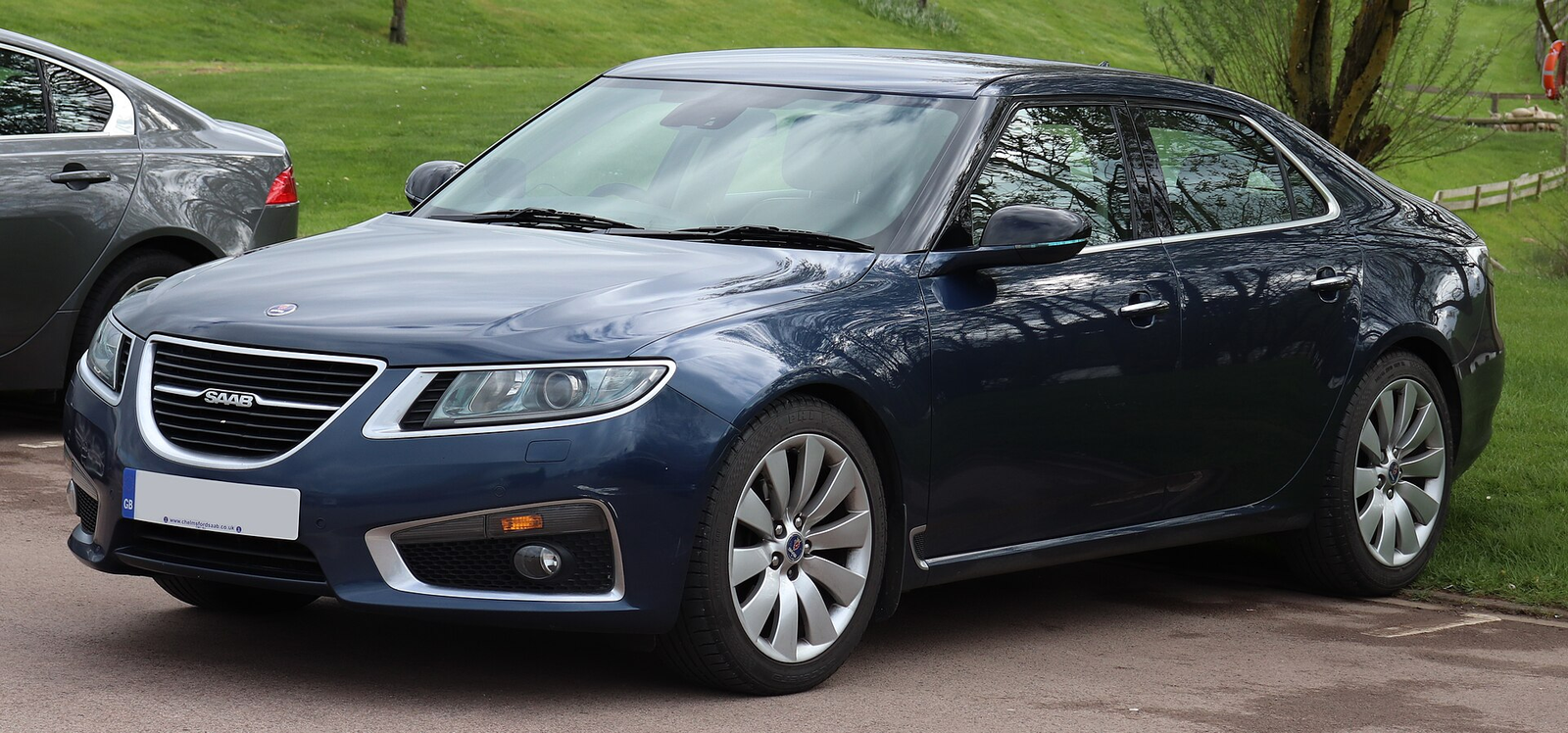
The car stood out for its bold, distinctive design: modern, but with recognizable family elements such as a rounded windshield. The interior was clearly driver-oriented, and premium materials emphasized the model's ambitions. Under the hood worked a 2.0 Turbo or 2.8 Turbo V6 with up to 300 horsepower.
But the Saab 9-5 lived only about a year - like a beautiful swan song of sedans, which sounded too late. If it had entered the market a little earlier, it would certainly have become a noticeable player among mid-size cars with the XWD system. The reality, however, turned out to be much harsher.
Infiniti FX (2003-2012)
The "bionic predator" that went unnoticed for a long time
Sometimes even crossovers face surprising indifference from the public. The FX story is a prime example. Its dynamic, predatory design earned the nickname "feline" - for its swift shapes and characteristic plastic lines.
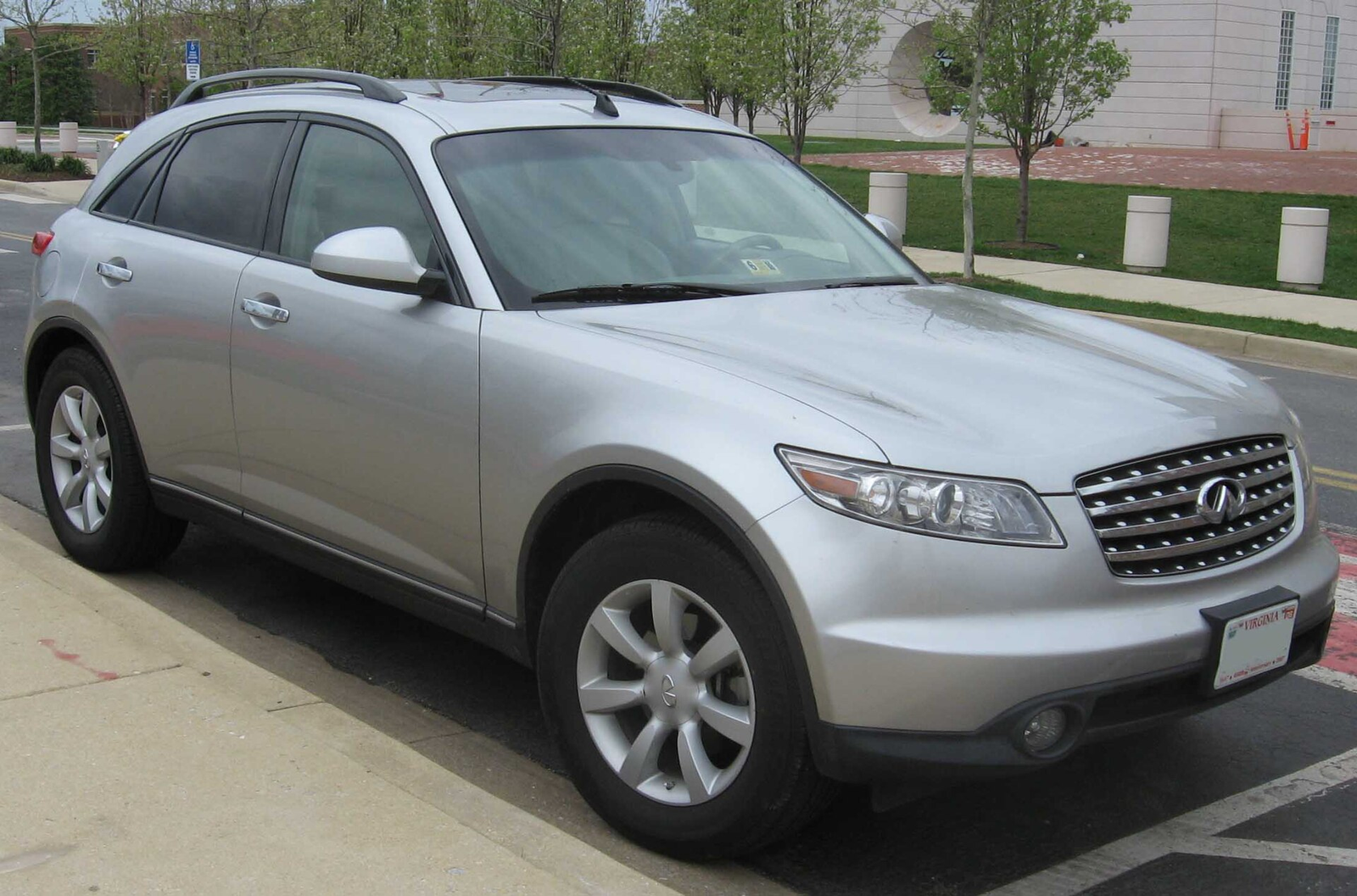
The FX was built on the new FM platform, like the sporty Nissan 350Z. The car was perceived as a serious update to the lineup: VQ V6 engines were installed under the hood, and in the top version FX50 - even a powerful 5-liter V8. Experts claimed that the FX50 could well compete with SUVs from AMG in terms of its potential.
But the market seemed not to notice all these efforts. Even after renaming the model to QX, the situation did not change. In 2012, Infiniti quietly curtailed production.
Mazda Mazdaspeed6 (2006-2007)
An ambitious leap that could not stay in the air
Mazda decided on a bold experiment - to create a daring, more sporty variation of the already well-known Mazda 6. Toyota in those years did not dream of producing a "charged" Camry, but Mazda decided to play big.
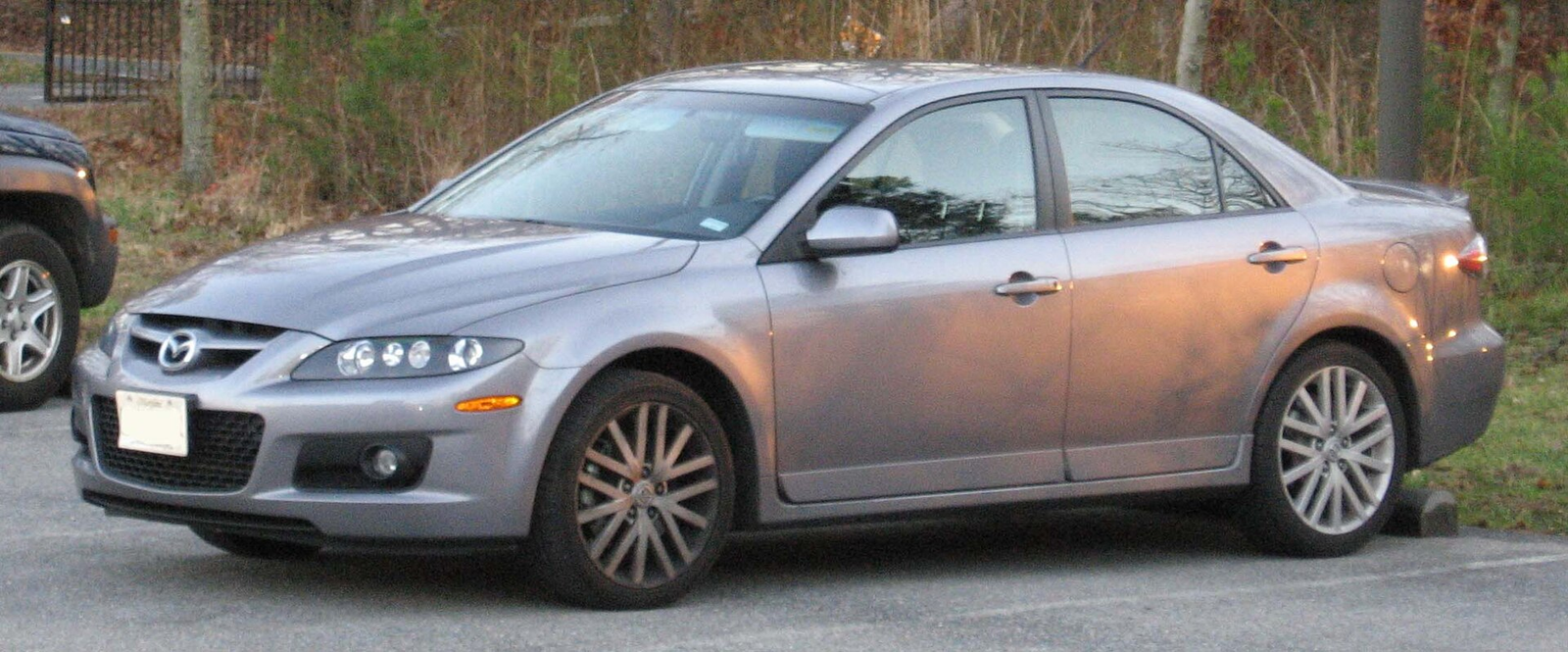
The Mazdaspeed6 received a 2.3-liter turbocharged in-line engine, a six-speed "mechanics" and all-wheel drive with the possibility of torque redistribution. The suspension was made stiffer, the ground clearance lower, and the brakes more solid. Everything indicated an intention to build a real sports GT.
But the key detail was underestimated - the weight. Many potential buyers expected the model to compete with the Subaru WRX or Mitsubishi Lancer Evo, that is, something lighter and more ferocious. But the Speed6 turned out to be heavier than expected and quickly lost its chances of success. Production was curtailed a year later.
Five cars with character, charisma, and strong technical data never found their place in the market - too early, late, or simply unsuccessful. But today each of them is valued by connoisseurs for its uniqueness, boldness of engineering thought, and its unique style.
Read more materials on the topic:
- Lada Iskra: What did the car that was supposed to replace Granta offer in the end
- Audi S3 2026: An underrated fast sedan that can overshadow competitors
- BMW M2 CS 2026: An extreme compact sports car designed for drifting and track
Комментарии