In China, stricter rules for the export of used cars, including cars with formally zero mileage, will come into force on January 1, 2026. The document, published by several departments at once, is already being called by many market participants a de facto ban on the popular alternative export scheme, although formally it is not completely closed.
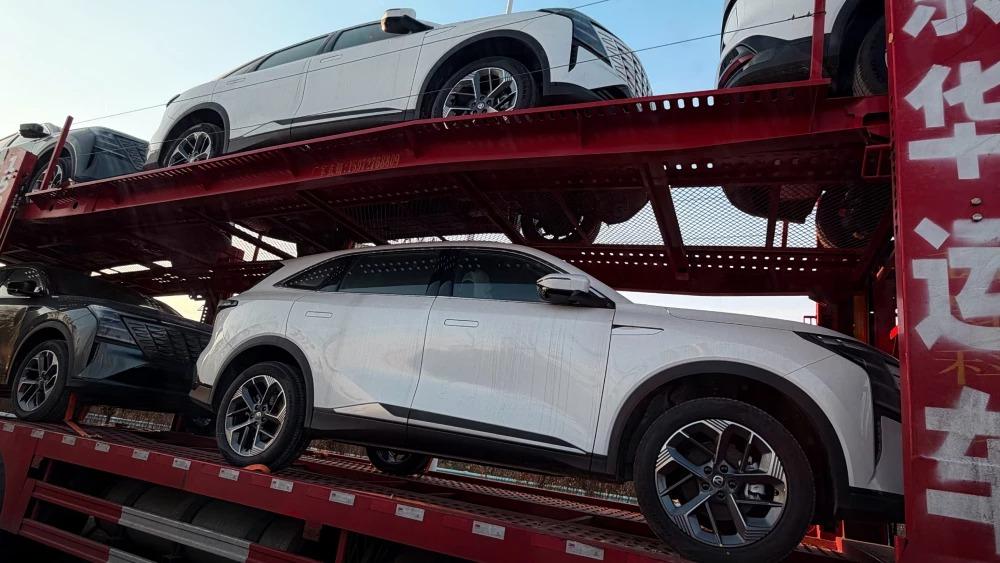
The key change is that cars registered less than 180 days ago can now only be exported with a special package of documents. It will be necessary to specify in detail the characteristics of the car, the country of destination, the availability of service infrastructure, and most importantly, to obtain confirmation from the automaker itself. Without the brand's stamp, the export of such cars outside of China will become impossible.
This is the step that major Chinese automakers, including Chery, Geely, and GWM, have long been seeking. The companies have repeatedly stated that the export of "almost new" cars under the guise of used cars distorts the market, creates price dumping abroad, and undermines official sales channels. The new procedure effectively returns control over exports to the manufacturers.
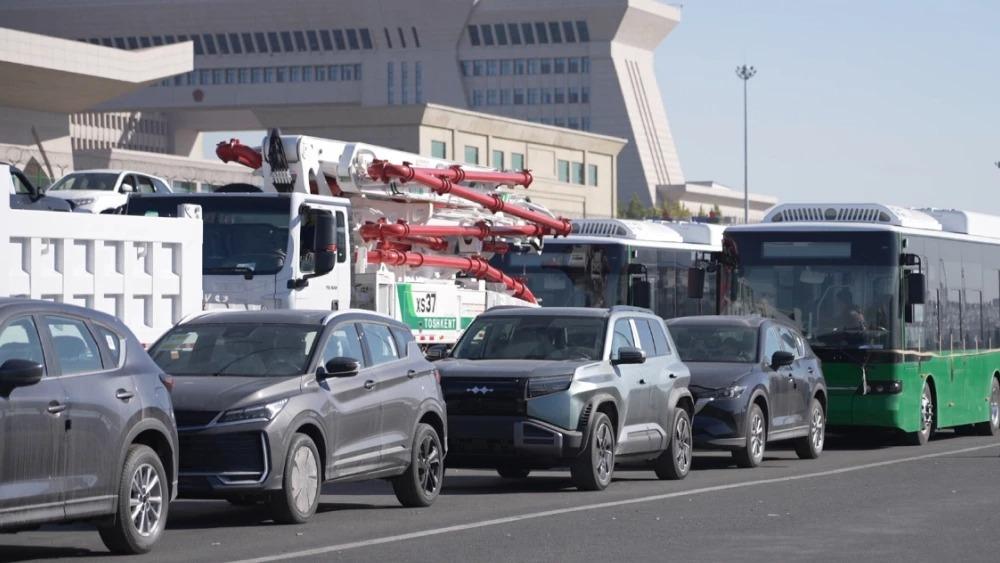
Opinions within the Chinese market are divided. Some exporters view the innovations positively. For example, Wang Xiuming, head of Xi'an Parallel Export Automobile Trading, believes that the policy is aimed at improving the industry and gradually transitioning to the export of genuinely used cars. According to him, the requirements for service and transparency of the supply chain will complicate the business, but make it more sustainable in the long term.
Similar positions are held by industry associations. The Guangdong Automotive Transport Association emphasizes that this is not a complete ban, but rather an effort to establish order. The main emphasis is on after-sales service and the responsibility of manufacturers for cars that officially leave the domestic market.
At the same time, there are also more critical assessments. CATARC experts believe that in practice, obtaining permits from automakers will become a serious barrier, especially for small export companies. In the short term, this could lead to the exit of some players from the market and a reduction in the volume of exports of cars with zero mileage to almost zero.
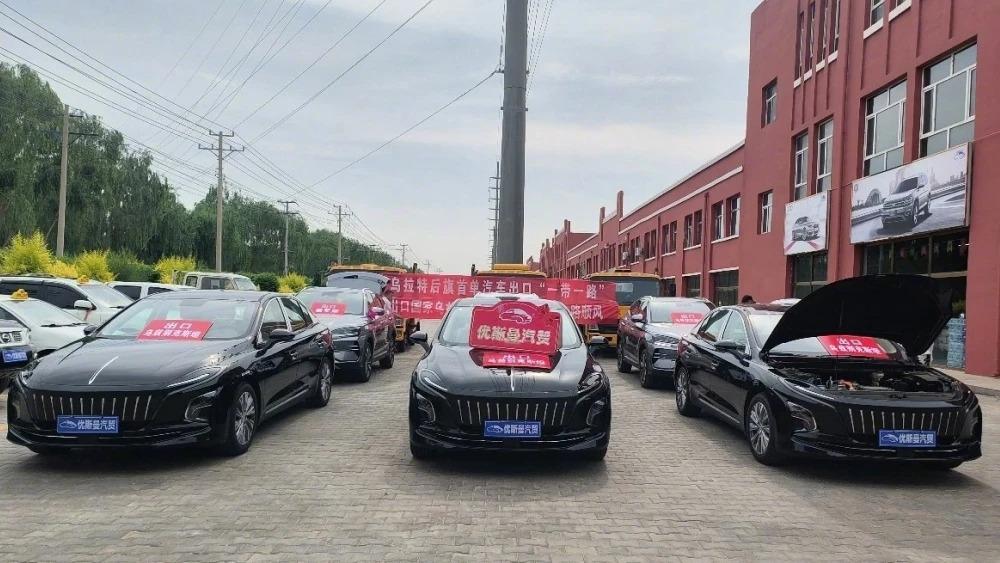
Most analysts agree on one thing: China is effectively beginning to curtail gray schemes for exporting "new" cars under the guise of used ones. Large exporters, certification structures, and companies that have invested in foreign service will benefit from this. And the market itself will gradually shift towards the export of cars with real mileage - a more complex, but also more transparent format.
Read also:
- AvtoVAZ Officially Explains Which Gasoline Should Be Used in Lada
- Moskvich Announces Prices for the Moskvich 6 Sedan of the 2026 Model Year
- Tank Raises Prices for the Entire Model Range in Russia: Tank 500, 700, and 400 Become More Expensive
Comments