A decade ago, the debate about whether gasoline or diesel was more practical was almost non-existent for a rational car owner. The diesel engine was perceived as the gold standard of fuel efficiency and endurance. Yes, the car cost more, but the difference paid off quickly: diesel fuel was cheaper, consumption was lower, and the engine itself would run for 400-500 thousand kilometers without much fuss. All this shaped the reputation of diesel as a sensible and forward-thinking choice.
Today, the situation has changed radically. Europe, long considered a stronghold of diesel technologies, is rapidly abandoning them. According to the latest data, the share of new cars with diesel engines in Western Europe has fallen below 10% for the first time in many years, while hybrids have already overtaken them in sales volume. A logical question arises: where did the very benefit that diesel was chosen for decades disappear to, and why is it now treated with obvious distrust? To answer, we will have to analyze the entire chain of events without marketing illusions.
The Scandal That Started It All
The starting point was a high-profile and truly global scandal. In 2015, the world learned about the machinations of the Volkswagen Group - a story that went down in the chronicles under the name "Dieselgate." It turned out that millions of cars were equipped with software capable of recognizing laboratory toxicity tests. During the tests, the system activated an enhanced exhaust cleaning mode, while in real driving conditions, diesels emitted nitrogen oxides dozens of times higher than permissible levels.
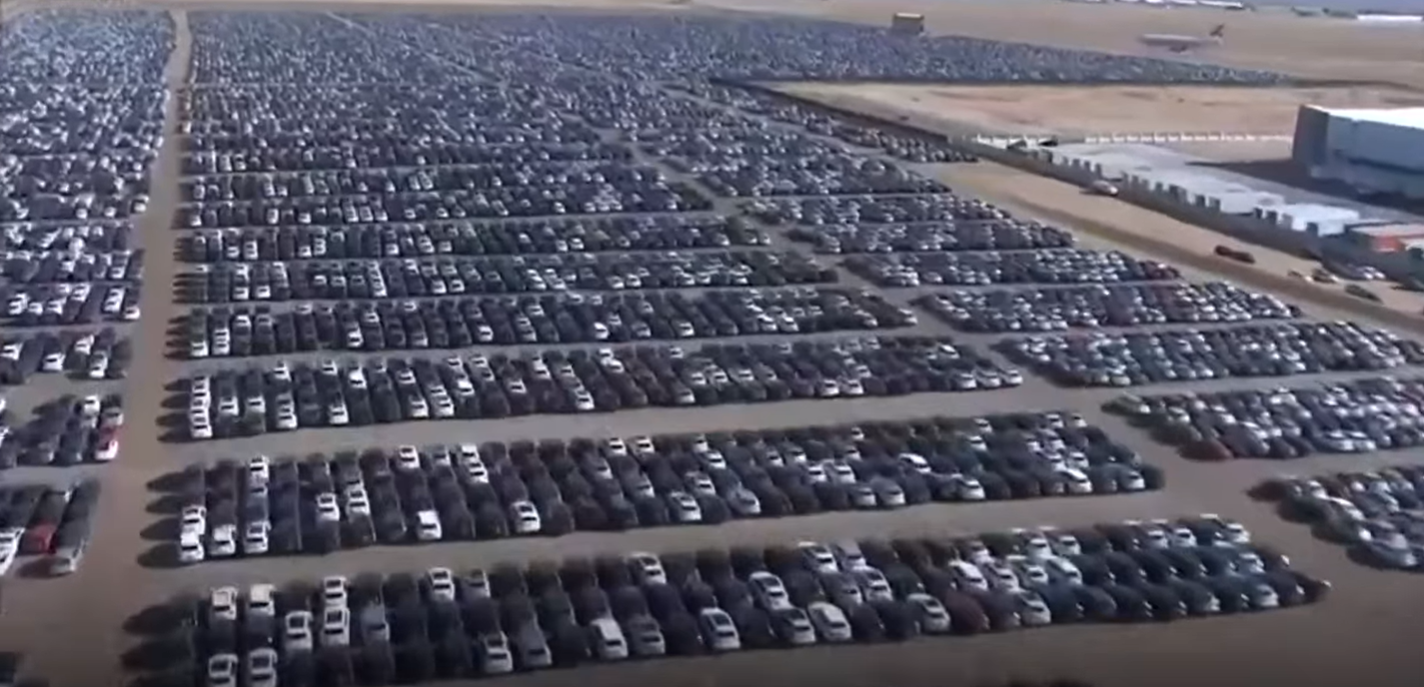
This episode was not just a reputational failure of one manufacturer. It destroyed confidence in the entire concept of "clean diesel" and the statements of automakers about the environmental friendliness of the technology. After that, regulators in Europe and beyond began to tighten standards with maximum rigidity. And it was this pressure that ultimately became a heavy burden on the shoulders of buyers.
What Modern Diesel Has Become
To fit into the new environmental requirements, the diesel engine had to be radically complicated. Once a relatively simple and durable unit, it has become a high-tech, but expensive and capricious system. It is the additional components that have become the main source of fear for modern owners.
The first of these is the DPF diesel particulate filter. Its task is to trap the smallest soot particles. The problem is that the filter needs regular trips on the highway at high speeds to regenerate. On short city routes, it does not have time to clean itself, gradually becomes clogged, and its replacement or complex forced cleaning easily results in tens, and sometimes hundreds of thousands of rubles.
The second mandatory element is the AdBlue system. This is a separate circuit with a urea-based liquid designed to neutralize nitrogen oxides. Without it, the car will either refuse to drive or switch to emergency mode. The owner receives additional costs, the need to constantly monitor the fluid level, and the risk of the system freezing in severe frost.
As a result, diesel, once associated with simplicity and durability, has become a complex mechanism where the failure of one component can be very expensive. A breakdown of the high-pressure fuel pump or injectors today is often estimated in the range of 60-150 thousand rubles - these are not hypothetical horror stories, but common practice in service centers.
Economics That No Longer Add Up
Even if we abstract from the risks of repair, dry calculation no longer works in favor of diesel. Previously, diesel fuel cost less or at the level of gasoline. Now the situation is different: a liter of diesel fuel is on average 14-15% more expensive than AI-92. At the same time, diesel still consumes 15-20% less fuel, but these figures almost mutually compensate each other. The real savings at gas stations, if any, become minimal.
Against this background, the higher price of the car itself with a diesel engine remains - the difference when buying easily reaches 150-300 thousand rubles. Maintenance also costs more by about 20-30%. More oil and special approvals are required, filters are more expensive, and a complex fuel system requires qualified and, accordingly, expensive diagnostics.
For diesel to really pay off, you need to drive a lot - ideally at least 25-30 thousand kilometers per year, and mainly on the highway. For an ordinary city driver with trips to work and errands, such a mode is unrealistic. As a result, a gasoline car, especially with a turbocharged engine, turns out to be cheaper to buy and easier to operate.
Technological Breakthrough of Gasoline and Hybrids
While diesel became more complex and expensive, gasoline engines made a serious step forward. The mass introduction of turbines allowed them to get confident traction at low and medium speeds - almost at the level of diesel. At the same time, hybrid power plants appeared, which demonstrate outstanding fuel efficiency in the urban cycle, while working quietly and smoothly, without problems with DPF and AdBlue.
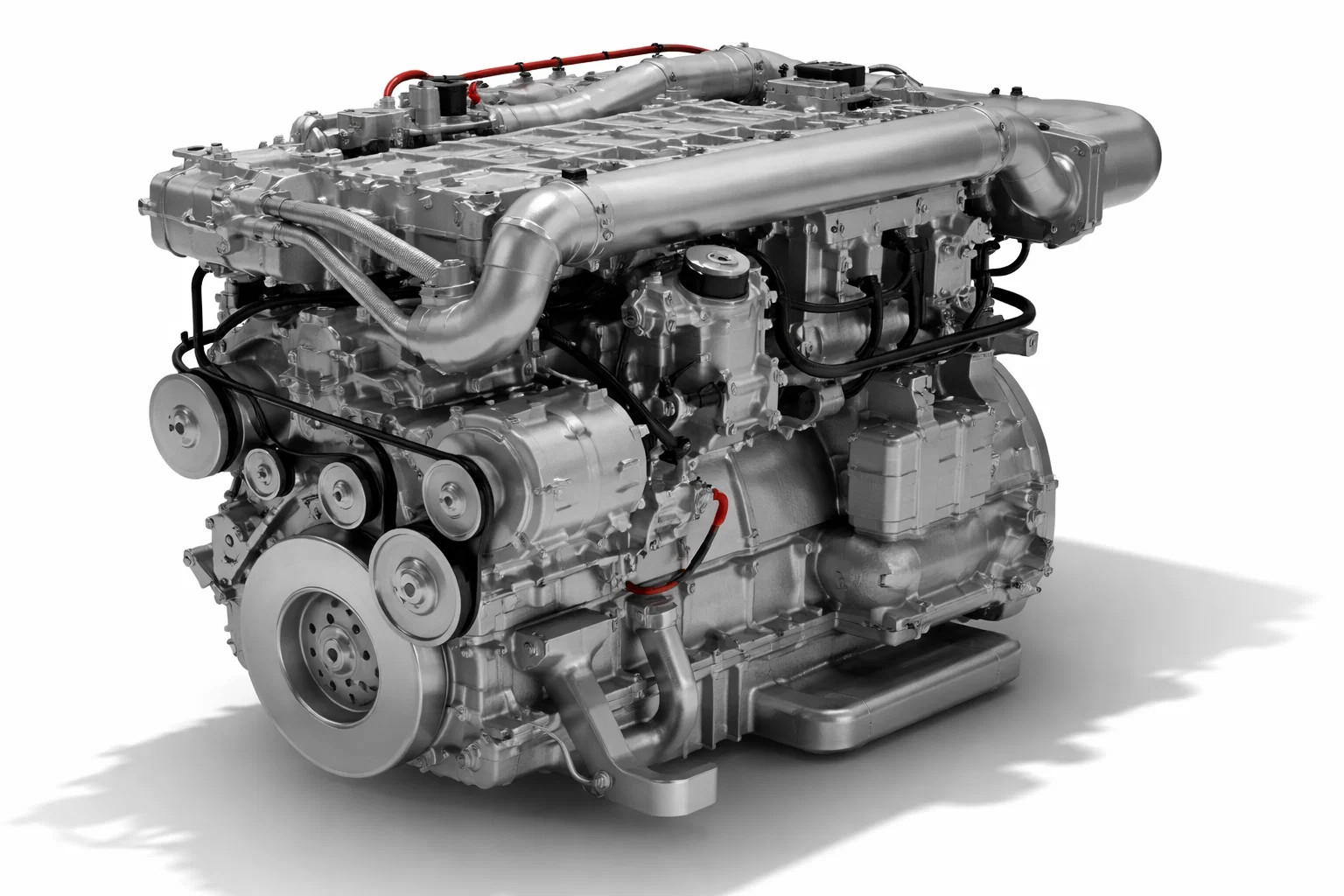
It is hybrids, not diesel models, that are becoming a mass choice in Europe today, occupying about 35% of the market. They have actually taken away from diesel the status of a "sensible and economical" family car. Manufacturers are also responding: diesel versions have disappeared from compact models like Volkswagen Polo and Renault Clio, remaining only in large SUVs and commercial vehicles, where high traction is still critical.
Climate Factor and Local Realities
Winter deserves special mention. Modern diesels have long ceased to be "unstartable" in the cold - if the glow plugs are working properly and the winter diesel fuel is of high quality, there should be no problems. However, the risks remain. The owner has to be sure of the quality of the fuel, since sensitive equipment does not forgive mistakes. Filling up with summer diesel fuel can lead to a complete stop of the car at the first serious minus. Such a set of potential problems is simply not characteristic of gasoline cars.
Why Diesel Lost Its Meaning
As a result, all factors have turned against diesel passenger cars. Their reputation was undermined by a high-profile scandal. Environmental standards have made the design complex and expensive. The economic advantage was intercepted by hybrids and modern turbocharged gasoline engines. And the former glory of reliability was leveled by the high cost of any major repair.
Diesel will not disappear completely - it will remain in demand in trucks, vans and large SUVs. But for an ordinary passenger car, especially in urban mode, it has turned from a practical choice into a complex and often unjustified solution. Buyers are increasingly voting with their wallets for simpler, more predictable and suitable technologies for their lifestyle. And today, this choice is increasingly rarely diesel.
Read more materials on the topic:
- How ecology changed the character of engines
- The engine that could have changed the automotive industry of the USSR
- Hydrogen instead of batteries: China summed up the results of the development of hydrogen vehicles by 2025