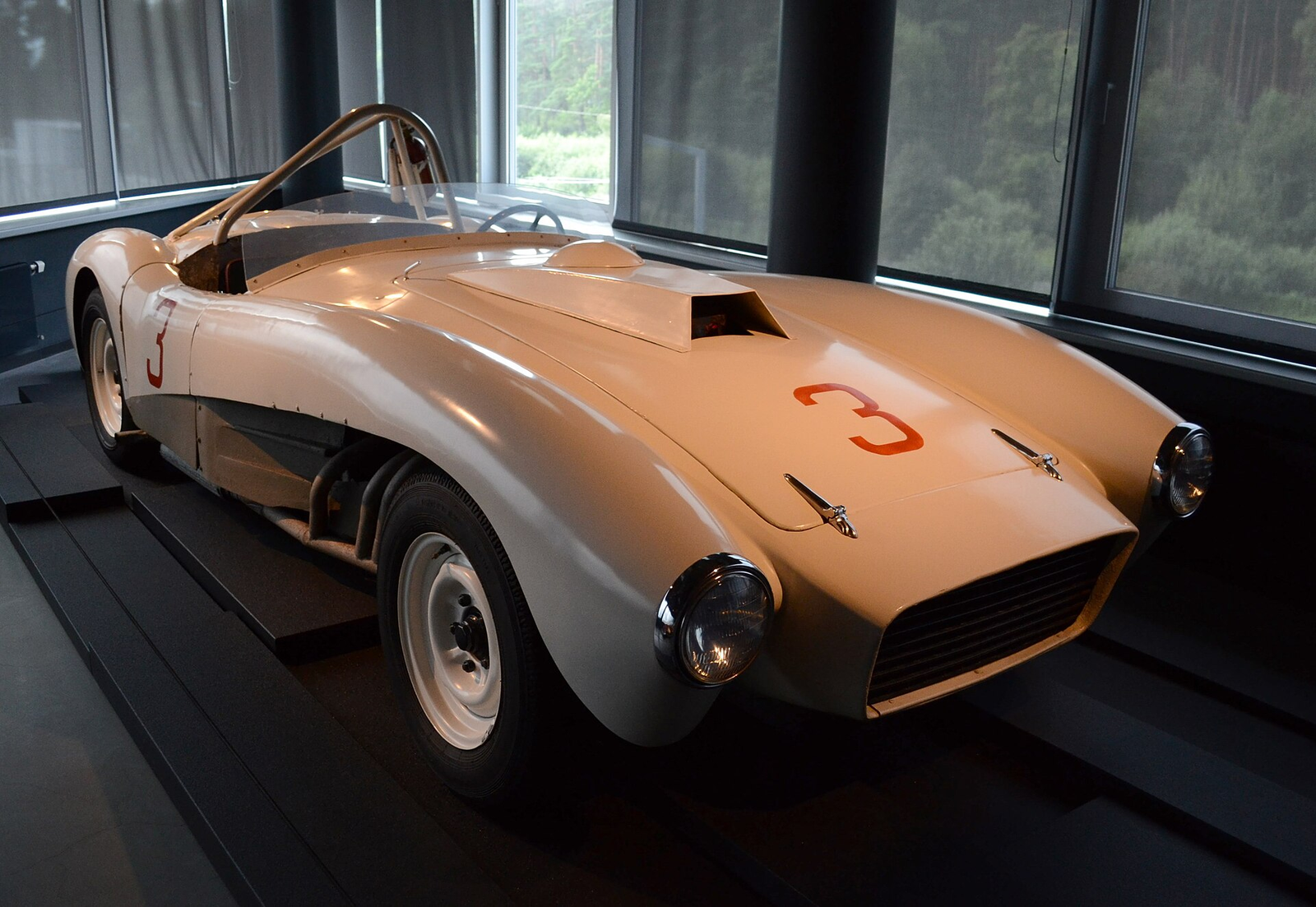
Mass-produced models have always dominated the roads, while truly sports cars were rare. That was also the case in the past. The common belief that there were supposedly no racing cars in the USSR does not correspond to reality. One piece of evidence is the ZIL-112 — a project that became a notable chapter in Soviet motorsport.
The car was unveiled in 1961. It was created as a full-fledged sports machine for competition. At the same time, the road to its appearance stretched over decades. Even before the Great Patriotic War, Kremenetsky, Pulmanov, and Rostkov began developing a Soviet sports car. Initially, the plan was to use the ZIS-101 as a base, but because the design was excessively bulky, they had to look for a different platform. The final pre-war tests took place in 1940, after which the work was interrupted by the war.
In the 1950s, a new experimental division was created at the ZIS plant — the High-Speed Car Laboratory. The work was carried out in difficult post-war conditions, without firm confidence in the result, but the team still proceeded with the project.
The plant itself, later known as ZIL, began operations back in 1916 and became one of the pioneers of the Russian and Soviet automotive industry. The enterprise handled repair, assembly, and vehicle production, changed its name several times, cooperated with foreign specialists, and mastered advanced technologies. In different years, its partners included Italian, French, British, and American companies. Limousines, trucks, military equipment, and refrigerators were produced here; the plant received prestigious awards and played a notable role in shaping the Soviet engineering school.
The ZIL-112 was conceived not so much for motorsport as an experimental platform for testing solutions that could later be applied to civilian production cars. That is why the development was carried out within a specialized laboratory.
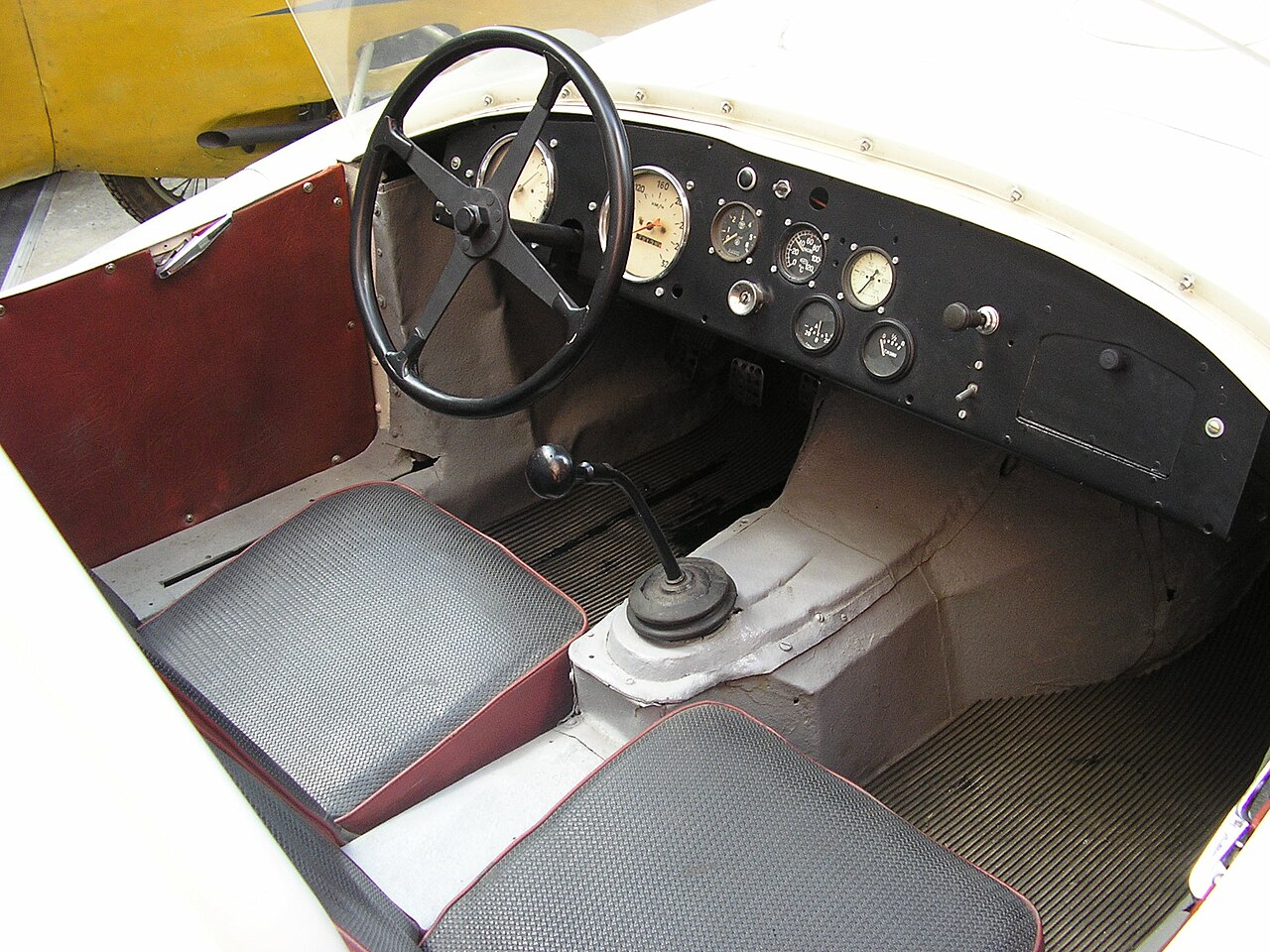
The design turned out to be highly advanced. The body consisted of a tubular frame with fiberglass panels forming a monocoque — a layout typical of racing machinery and still relevant in the 21st century. The car weighed about 1,100 kg, while its top speed reached 230 km/h. Before the premiere, the designers tested several body variants, and the car's shape changed noticeably. Despite the possibility of resemblance to foreign examples, they ultimately settled on an original appearance.
The wheelbase measured 2.6 m, the length was 4.2 m, and the width was 1.64 m. The project was worked on by S. Glazunov, V. Rostkov, and V. Rodionov. Glazunov headed the Sports Car Laboratory and was completely immersed in motorsport, later becoming the author of specialized books. Rostkov served as the designer: the image he created later largely resembled solutions from Scuderia Ferrari, although the artist himself drew inspiration from overseas cars, especially Buick. By that time, Rodionov was already an experienced engineer, with wartime work in the aviation industry behind him, and had participated in creating a number of domestic developments.
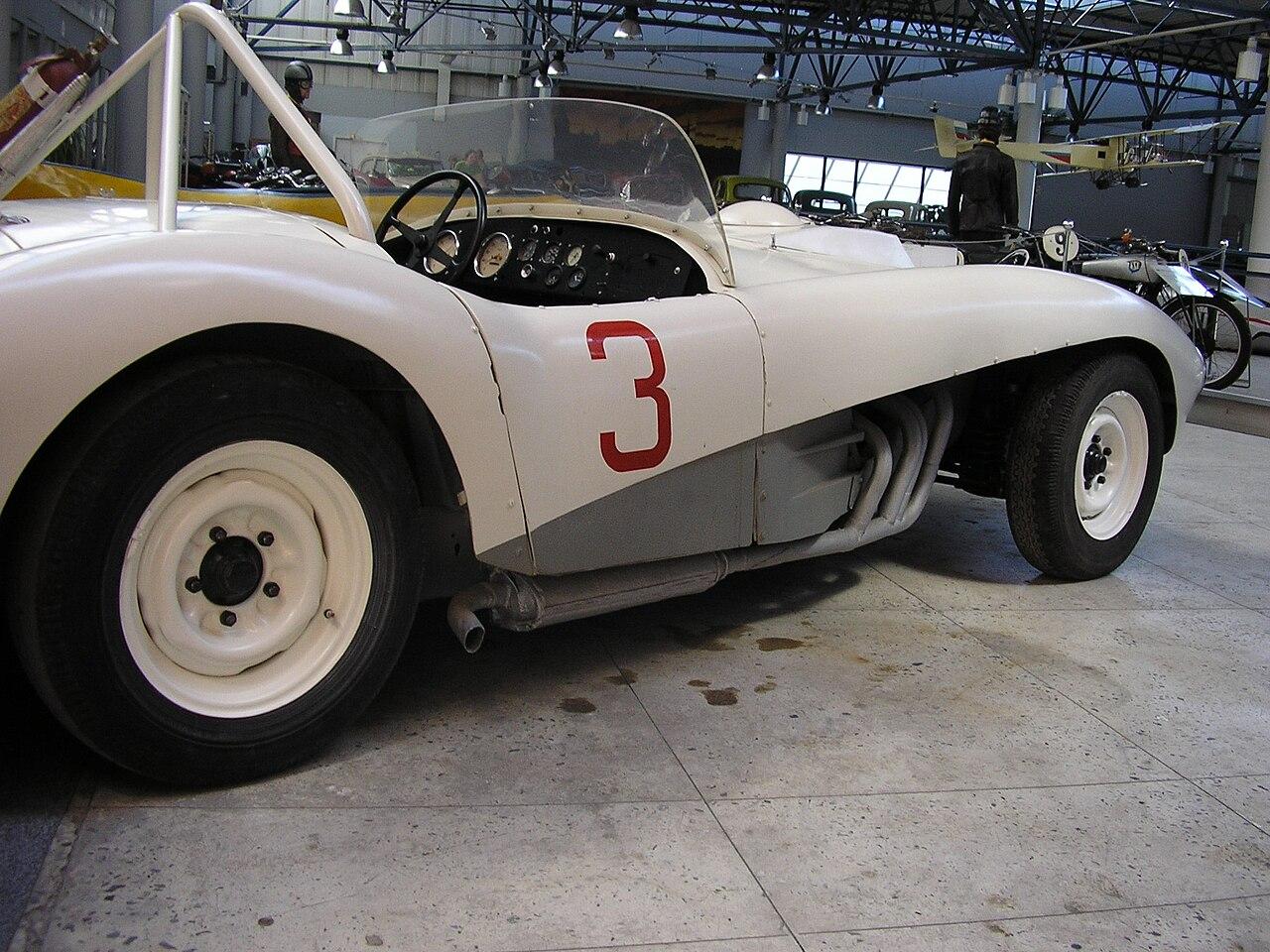
The technical side deserves special attention. Under the hood were gasoline V8 engines of 5.5, 6, or 7 liters, producing from 195 to 300 hp depending on the configuration. Drive was sent to the rear axle through a three-speed manual transmission borrowed from the ZIS-110 and extensively modernized. The gear ratios could be changed for a specific racetrack. The chassis had an independent layout all around: a GAZ-21 suspension was used at the front, while a De Dion arrangement was fitted at the rear. Drum brakes were used. The steering system was also borrowed from the Volga.
Outwardly, the ZIL-112 did not resemble an airplane, although today it is sometimes called the Soviet "Cobra" because of a certain resemblance to the British sports car. For Soviet engineers, this project became a real test of strength: using executive limousines in racing looked ineffective, so a dedicated sports car was needed.
As a result, a car was created that was capable of competing with foreign counterparts. However, the industry's further development took a different path, and the project was not continued. Today, the ZIL-112S is kept in the automobile museum in Riga, remaining evidence that the USSR had not only mass-produced models, but also ambitious racing developments.
Read more materials:
- Legends of Soviet roads: the main automobiles of the USSR
- UralZIS-355M: the ideal workhorse of the era
- MAZ-532 — the lost legend of Soviet off-road driving