Most researchers of automotive history and specialists working with vintage vehicles agree that the widespread popularity of round headlights in the United States did not arise by chance. Its starting point was the introduction of a single standard regulating the design, glass dimensions, and reflector size.
In 1940, the United States approved at the federal level a mandatory automobile headlight size of 7 inches, which corresponds to 17.78 cm in the metric system. Moreover, the new rules were non-optional: individual states were forced to bring their own requirements into full compliance with the federal document.
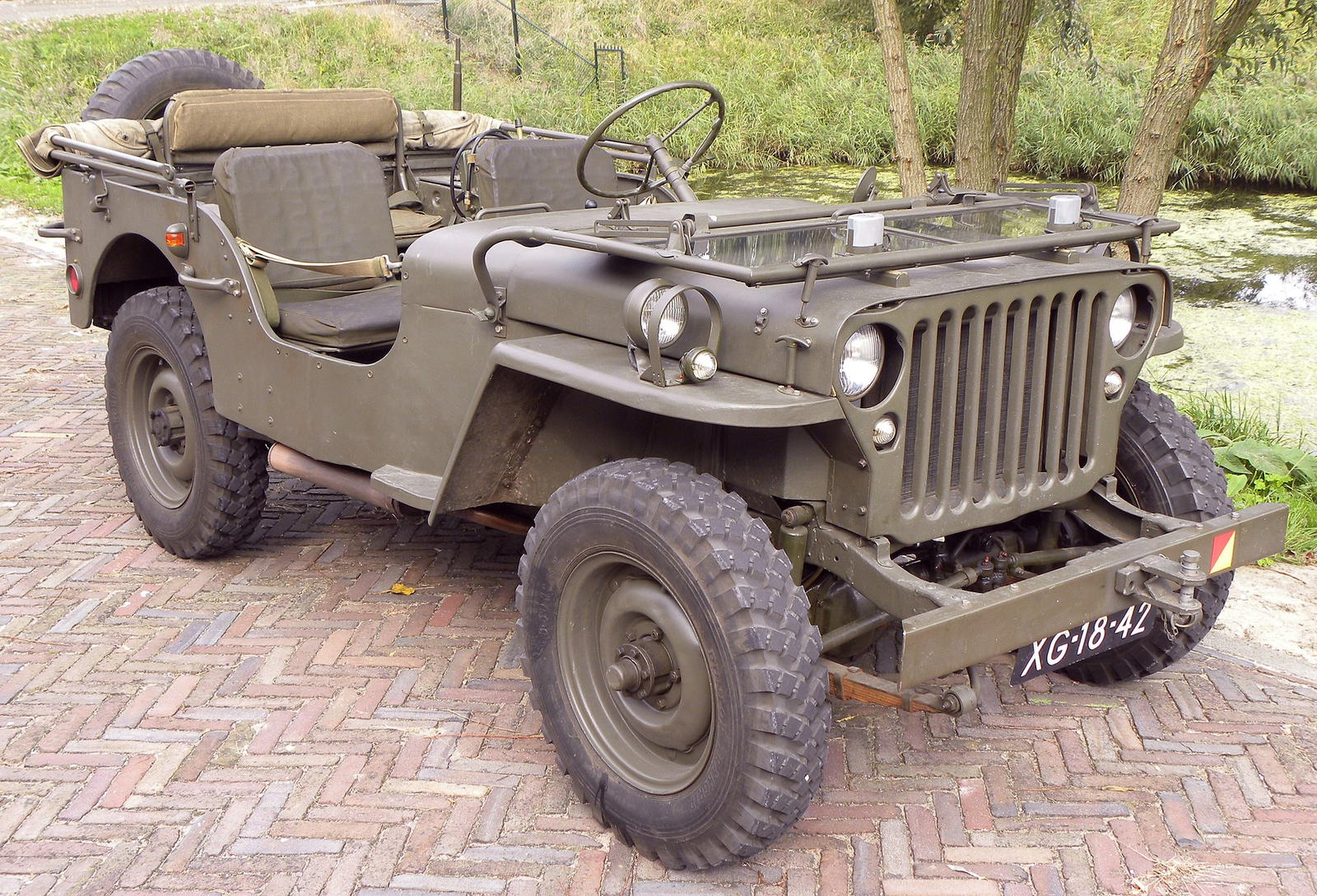
It is precisely 1940 that is considered the milestone from which the mass spread of round headlights of a single standard size began. The design was extremely simple: a steel housing, a parabolic reflector, and a convex glass lens with vertical sectional optics applied to it. This layout made it possible to shape and focus the light beam more accurately.
A key role in production was played by two major enterprises in the United States — divisions of General Motors. In practice, it was they who came to dominate the automotive lighting market. The cost of the products remained low, and mass production ensured profitability. As a result, it was more advantageous for American automakers to purchase ready-made headlights from GMC than to develop their own solutions. An additional factor was the country's requirement to use only round headlights with a diameter of 7 inches.
It is obvious that such strict and unusual regulations rarely appear without serious interest from certain players. To understand the background, it is worth going back three decades, to the beginning of the 20th century. In the United States and Europe at that time, attempts were being made to abandon inefficient acetylene headlights. They were inconvenient and looked like a diver's goggles.
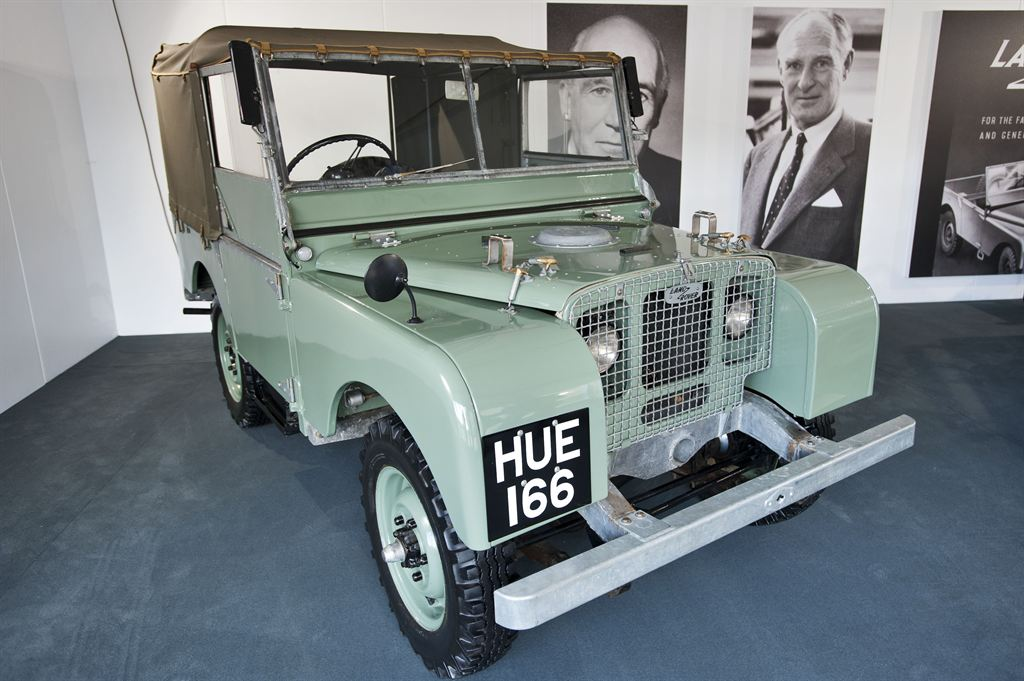
An illustrative example of the transition to electric lighting was the British Rolls-Royce Silver Ghost. In 1911, it became the first European car to receive full-fledged headlights with electric incandescent bulbs. It was a premium-segment automobile, and its optics were expensive, but they matched that cost in quality. The bulbs were powered by a generator and a battery.
It is believed that one of the early versions of electric headlights was adapted by General Electric specifically for GMC vehicles and likely became the first such system in the United States. However, the high price made such solutions largely inaccessible. Many motorists continued to install compact acetylene lamps on their cars. The situation was complicated by the fact that different states had their own standards for headlight size and design, and it was not easy to force drivers to buy expensive electric products.
In the 1920s, both companies — GMC and GE — succeeded in introducing safety standards for passenger-car headlights. Later, in 1940, a federal regulation was adopted. After that, round headlights of the same diameter began to be used not only on passenger cars, but also on trams, jeeps, and even fighter aircraft.
It is noteworthy that during that period, serial production of headlights was carried out by several enterprises formally not directly connected with the largest automotive corporations. Nevertheless, some historians believe that a kind of technological collusion existed between the main players in the automotive market: to produce cars exclusively with headlights of a certain type.
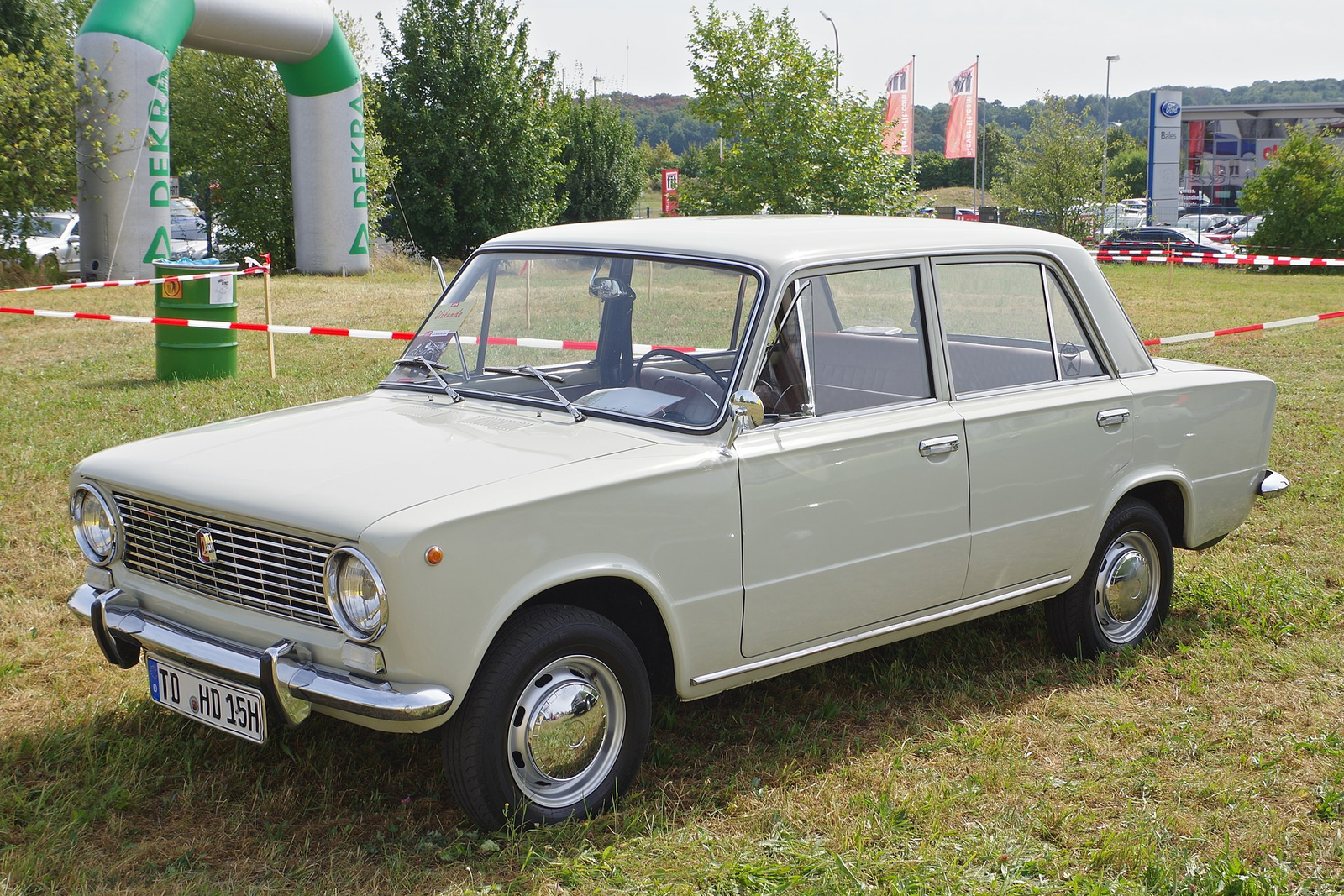
In the Soviet Union, round 7-inch headlights were also used on a number of models. However, beginning with the VAZ-2103, the approach to automotive lighting started to change. Over time, automakers switched to square headlights, in which replacing burnt-out bulbs could be done without much difficulty.

Interestingly, already in the 1940s in the United States, manufacturers began moving away from the original terms of the agreements. Headlights of that time were made as sealed units: a burnt-out bulb could not be replaced. At the same time, adjusting the focus and convergence of the light beam did not cause difficulties.
Why exactly the 7-inch size was chosen, there is still no definitive answer today. One version links this to the technological capabilities of the company "Zeiss": allegedly, this diameter of the glass lens was considered the maximum at which it was still possible to avoid cracking and chipping.
There is also another explanation related to reflector manufacturing technology. According to specialists, at that time it was possible to ensure uniform light reflection only with round reflectors. Attempts were made to create reflectors of complex three-dimensional shape, but their production required exclusively manual labor and was extremely expensive. It was technological limitations that largely predetermined the choice of the shape and size that became the standard for many years.
Read more materials:
- Seven Cars with Truly Strange Engines
- Five Reasons in Favor of Rear-Wheel Drive
- Why Sports Cars "Pop" on Lift-Off
Комментарии