It is generally accepted that a car with an internal combustion engine needs a break-in period. A logical question arises: is a similar period required for an electric car, which is increasingly appearing on the roads?
After purchasing an electric car, a strict break-in, as in the case of an internal combustion engine, is not required. This position is shared by both automakers and specialists. Nevertheless, certain recommendations for initial operation still exist.
How an Electric Car Differs from a Car with an Internal Combustion Engine
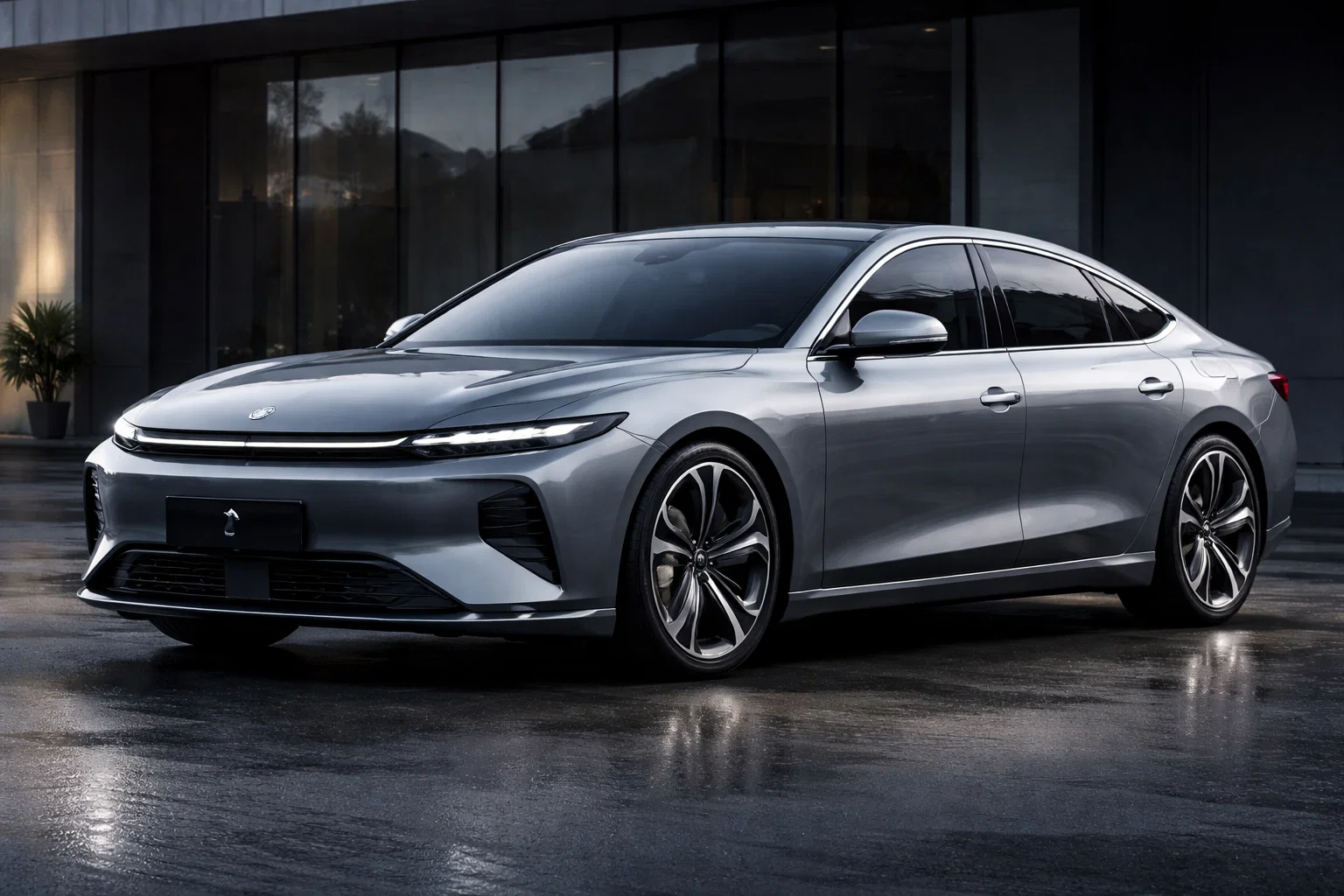
The key difference lies in the design of the power plant. The electric motor in conjunction with the traction battery lacks a number of elements characteristic of a traditional engine.
We are talking about the following features:
- absence of parts operating under conditions of intense friction (pistons, rings, cylinders)
- absence of a complex lubrication system requiring running-in
For this reason, the electric motor does not need load restrictions, which are mandatory for internal combustion engines. The traction battery also does not require a special mode to reach its operating characteristics.
If you refer to the manufacturers' instructions, it is directly stated there: the power plant of an electric car can be used to its full extent almost immediately after purchase.
However, the car itself remains a collection of mechanical components, for which a gentle mode at the initial stage is still desirable.
First Kilometers: How to Operate an Electric Car
Although a full break-in is not required, experts advise adhering to a more careful driving style for the first 1000–1500 kilometers.
The main recommendations are as follows:
- start moving smoothly, avoiding sudden accelerations — this is important for transmission elements, including gearboxes
- take into account the features of new tires: during the first 150–300 km, the factory "molding" layer is erased from their surface, formed by residues of lubricant after the molds
- use brakes and the recuperation system without sudden loads, allowing the pads and discs to bed in and form a uniform working surface
Features of Charging in Everyday Use
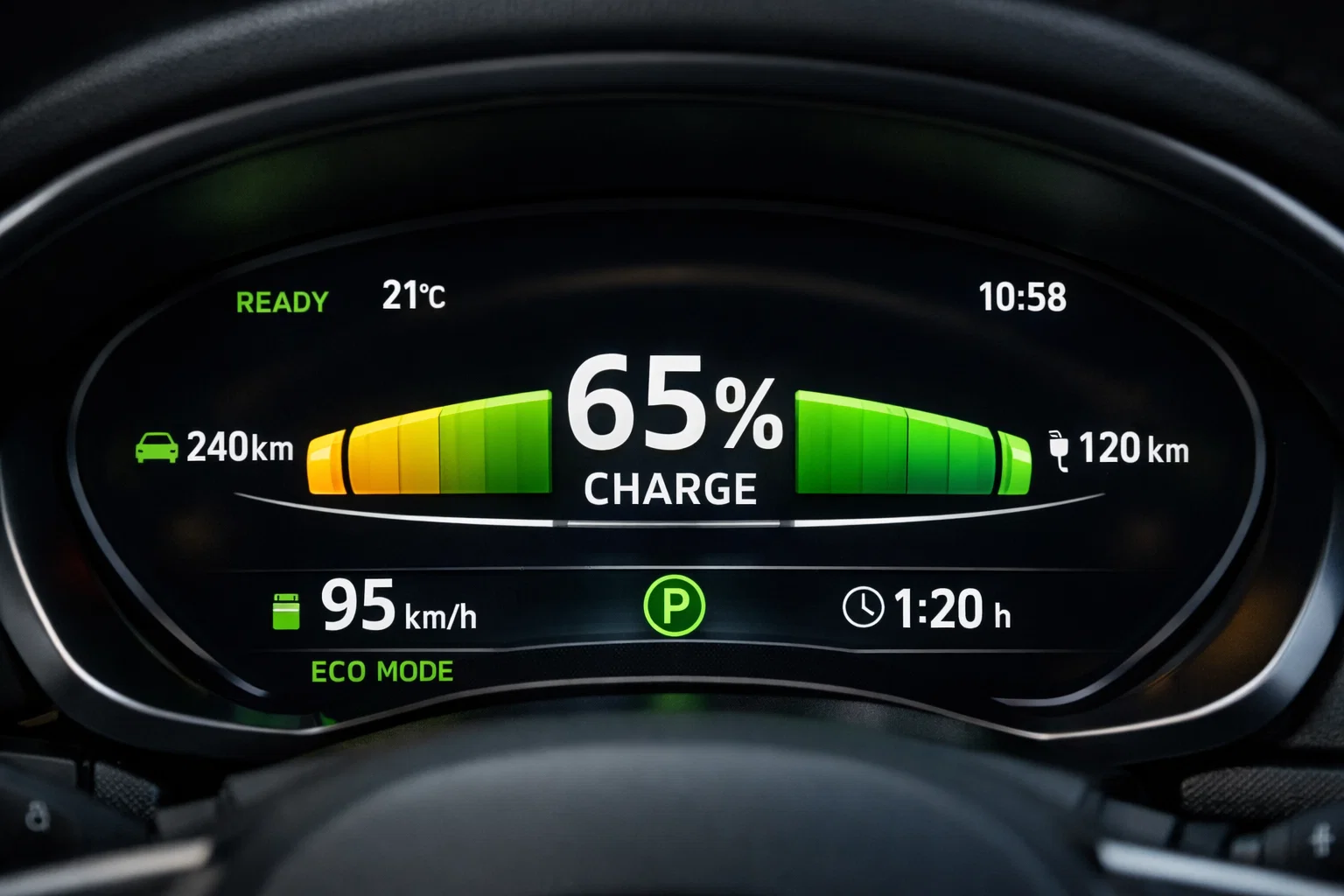
The operating mode of the traction battery deserves special attention. Despite the lack of need for break-in, improper charging can accelerate its wear.
It is recommended:
- do not bring the charge level to 100% daily
- do not use fast charging stations on a regular basis
- maintain the charge in the range of approximately 20% to 80% during normal operation
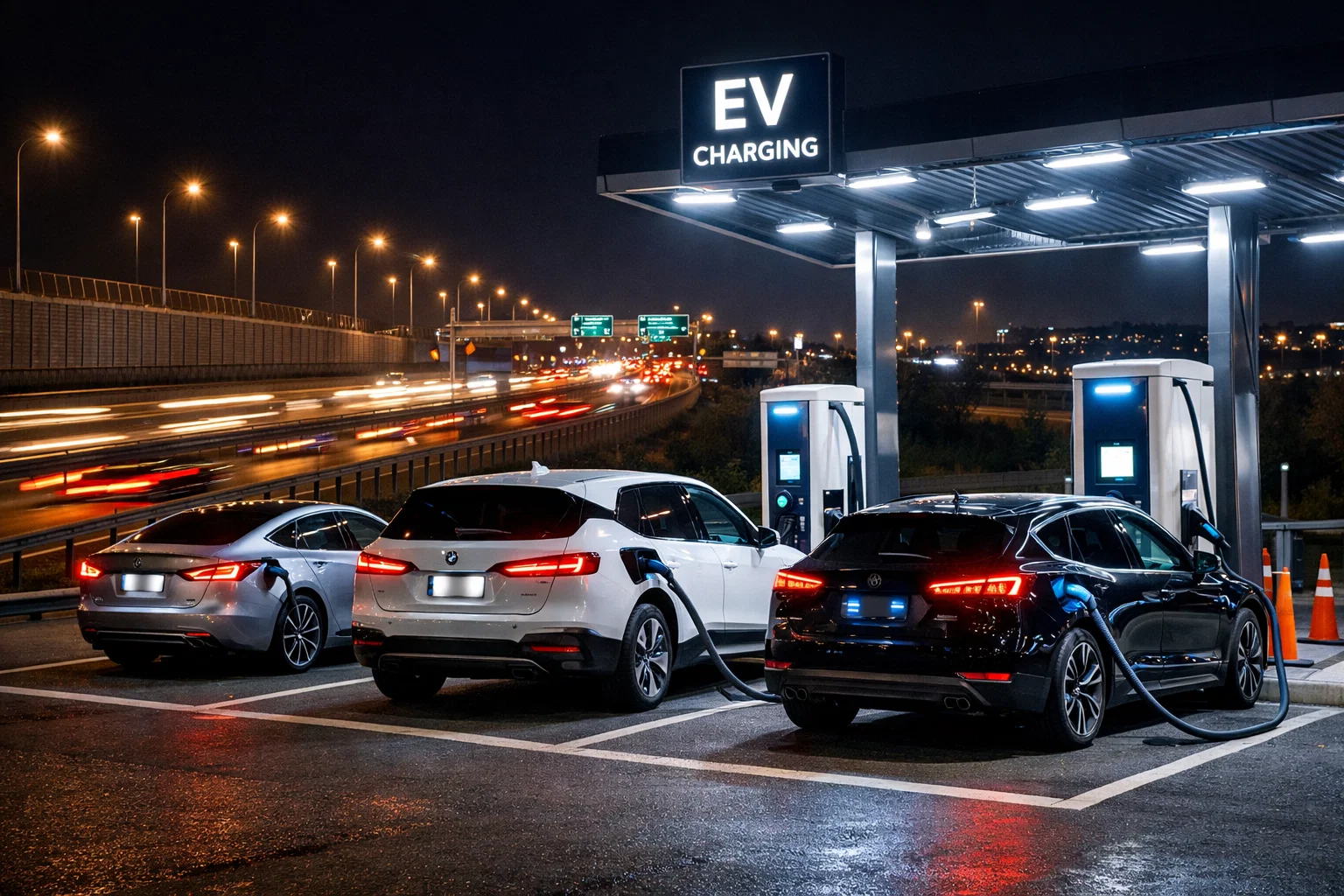
Full charge and fast charging are justified in situations where a long trip is planned.
Dynamics and Driver Adaptation
Electric cars differ in the nature of acceleration. Torque is available almost immediately, which makes them more dynamic compared to cars with internal combustion engines.
That is why in the first trips it is recommended:
- avoid sudden starts
- do not accelerate to maximum speeds
- do not resort to emergency braking unnecessarily
This approach allows not only to preserve the resource of components, but also to adapt faster to the peculiarities of the car's behavior.
An electric car does not require a classic break-in, since its power plant is structurally devoid of elements that need running-in. However, careful operation in the first kilometers remains important — already for the mechanical components and systems of the car as a whole.
Gradual increase in loads, careful driving and a reasonable charging mode allow you to extend the service life of the main components. When these principles are observed, the electric car reveals its advantages: no need for warm-up, resistance to cold conditions, comfort in urban trips, low noise level and simplified maintenance.
A careful start to operation becomes the key to a long and stable operation of the car.
Read more materials:
- How to restore headlights after winter
- Tightening wheels: three dangerous mistakes
- Wide tires: myth or real advantage
Comments