As in many other historical examples, the rapid development of automotive transport in the Soviet Union went hand in hand with accelerated industrialization. Already in the 1930s, the country began to actively increase the production of its own trucks. At the same time, the first models, as often happened, were licensed versions of foreign cars. The most famous truck of that era was the GAZ-AA "polutorka", created on the basis of the American Ford-AA. The rapidly growing economy of the USSR needed trucks in huge quantities, numbering in the thousands.
The situation was complicated by the fact that machine-building enterprises had to simultaneously produce a wide range of other equipment — from railway transport to tractors and tracked tractors. The demand for cars was formed not only by the civilian sector, but also by the army. By the beginning of the summer of 1941, the GAZ-AA remained the main truck of the Red Army. However, its quantity was limited: about 151 thousand vehicles for all armed forces. This was significant progress compared to the situation five years ago, but still not enough to cover the needs of the military.
With the beginning of the Great Patriotic War, the shortage of equipment only increased, despite the large-scale mobilization of the vehicle fleet. The shortage of trucks was felt throughout the war. That is why deliveries under the Lend-Lease program became one of the key areas of American assistance. The United States sent almost a dozen different models of trucks and specialized chassis to the USSR. The volume of deliveries varied greatly: some models arrived in relatively small quantities, while others numbered in the tens of thousands of units.
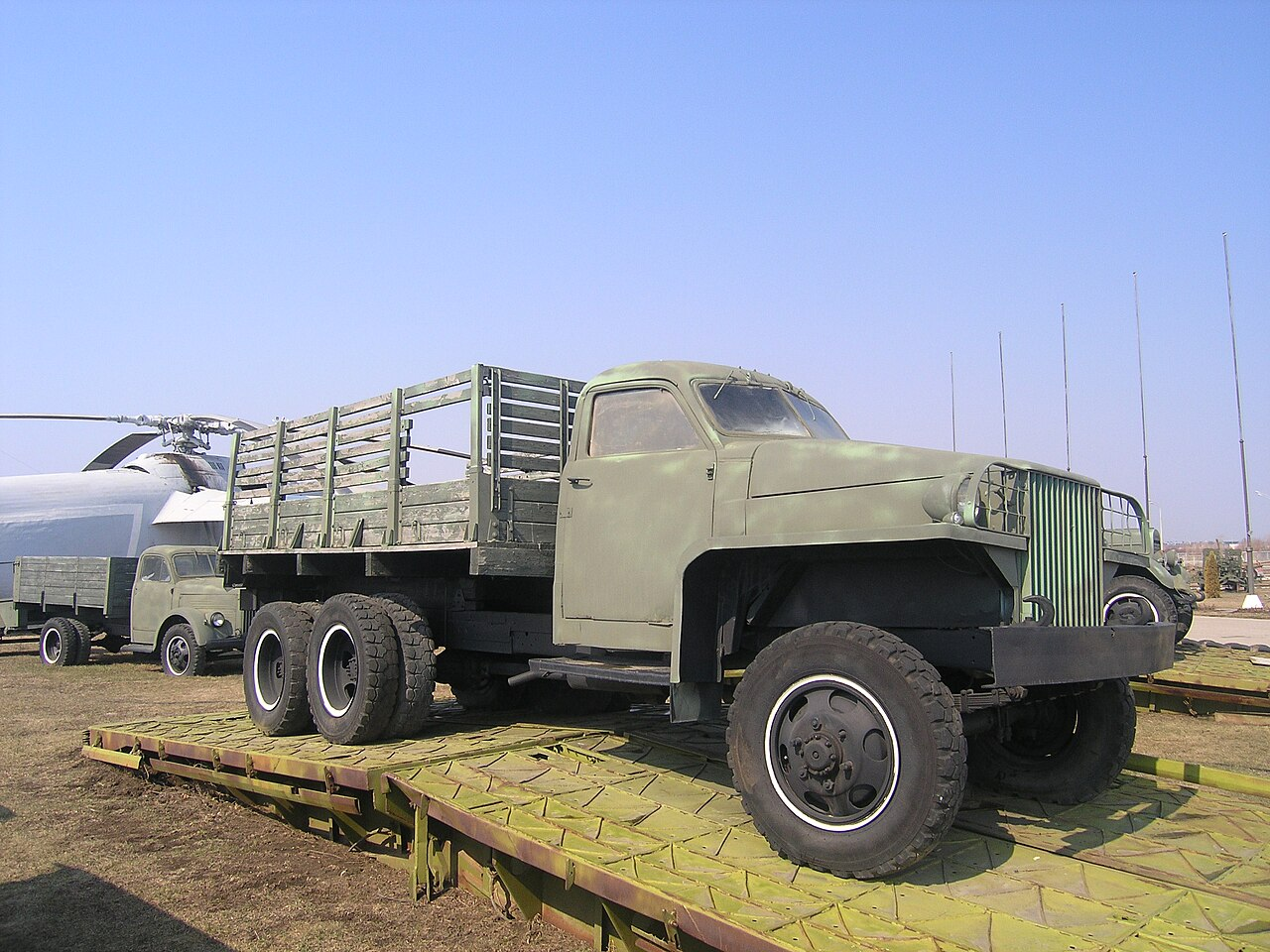
A special place among them was occupied by the Studebaker US6 — an American truck that became a real symbol of automotive lend-lease. The first cars arrived in the Soviet Union in 1942, and over the next three years, more than 187 thousand units were delivered. Compared to Soviet counterparts of that time, this car had a number of important advantages.
Key features of the US6 included:
- the presence of all-wheel drive versions with a 6×6 wheel formula (while there were also 6×4 options)
- high cross-country ability, especially noticeable in off-road conditions
- a powerful for those times Hercules JXD gasoline engine with 95 horsepower
- stable speed on the highway within 65–69 km/h
At the same time, one of the few drawbacks was the need for A-72 gasoline, while most Soviet trucks ran on less high-octane A-66 fuel.
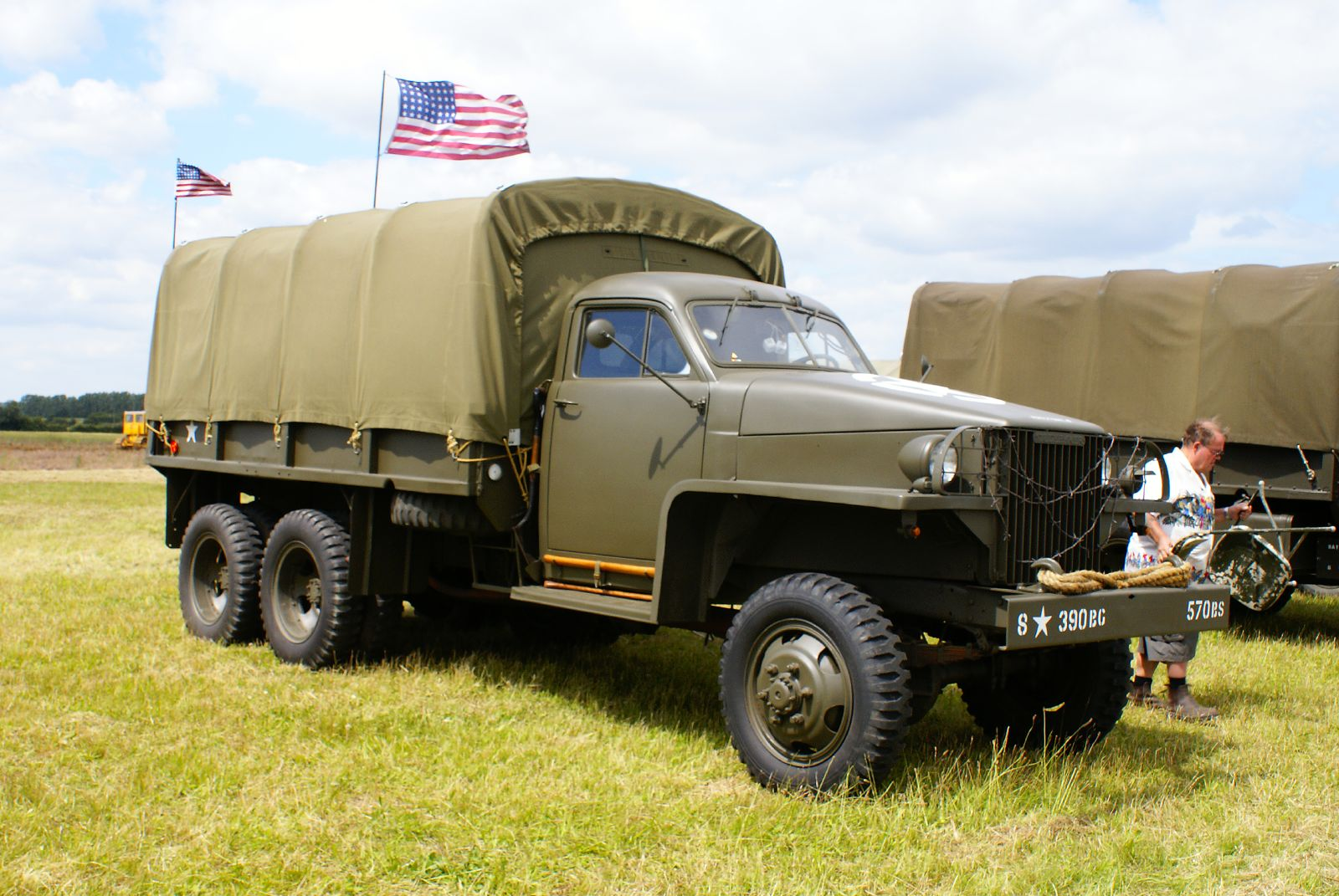
The carrying capacity of the machine deserves special attention. According to the technical documentation, the US6 was designed to carry 2.5 tons. However, already during the first tests in the USSR, experts came to the conclusion that the car is able to withstand significantly greater loads. In practice, it was often operated with a cargo mass of up to 5 tons, especially when driving on the highway. Later, by the end of the war, the recommended load was adjusted to 4.5 tons.
Deliveries were carried out in different formats: both fully assembled cars and in the form of kits for assembly. In different years, assembly was carried out at the ZiS, GAZ and MAZ enterprises.
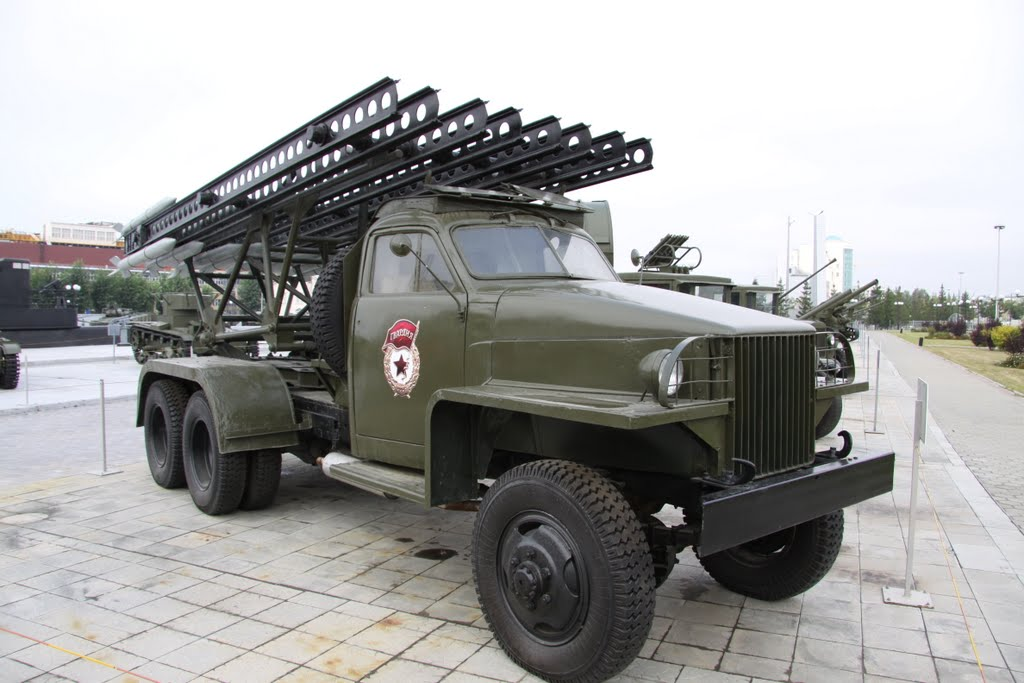
This process gave Soviet engineers valuable experience in working with more modern truck designs. In the USSR, the US6 quickly gained a reputation as a reliable and versatile vehicle. Moreover, starting in 1942, it became the main platform for the installation of Katyusha rocket launchers (BM series).
At the same time, the Soviet Union was not the only recipient of these machines. Some trucks were also sent to Great Britain (about 7 thousand) and the Fighting French Forces (about 3 thousand). Against this background, it is especially noteworthy that in the United States itself, this truck was practically not used.
There are several explanations for this situation. The most common version links the refusal to the influence of the General Motors corporation, which was already the main supplier of equipment for the American army. Lobbying efforts could play a decisive role. At the same time, the arguments of GM specialists about the need to unify engines had certain grounds.
According to another point of view, the US military was not satisfied with the characteristics of the US6. However, this version raises doubts, since the trucks were still used in engineering units, in particular during the construction of roads in Alaska.
Be that as it may, in the United States this model did not receive further development and did not leave a noticeable legacy. In the Soviet Union, the situation was different. The operation of the US6 influenced the domestic automotive industry: when developing the post-war GAZ-51, you can notice some borrowings of ideas, although it was not a direct copy of the American car.
After the end of the war, most of the delivered trucks were returned to the United States in accordance with the terms of the assistance agreement. Nevertheless, some cars continued to be used in the USSR for several post-war years.
Read more materials:
- Hidden rust: dangerous areas of the body
- How the "failed" Ford GPA became a legend of the Red Army
- Legends on wheels: 5 cars that can drive forever