Among car owners, there is a widespread belief: if a part is "original", then it is by definition better than any analogue. However, the real situation is much more complex. The question of choosing between original spare parts and alternative options requires a more careful understanding of the automotive component market.
Understanding this is important, if only because the original part is far from always the optimal solution. In some cases, it is more reasonable to pay attention to high-quality analogues, which can provide comparable or even higher resource.
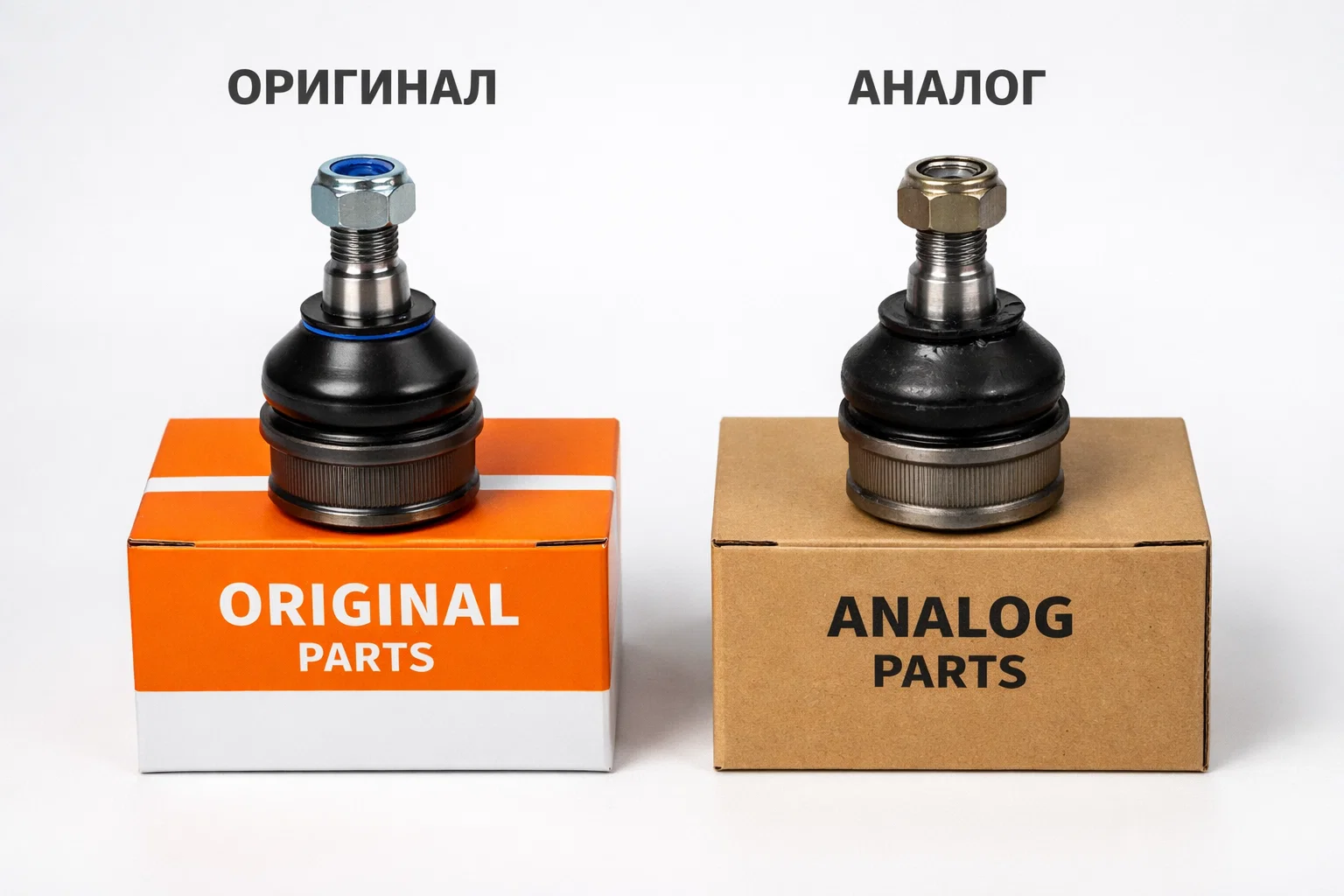
First of all, it is worth clarifying what exactly is meant by original spare parts. These are parts sold under the brand of the car manufacturer - for example, Toyota, Volkswagen or BMW. They are supplied in branded packaging and have a catalog number linked to a specific car model.
At the same time, it is important to take into account that car manufacturers themselves very rarely manufacture all components on their own. In most cases, production is carried out by third-party enterprises - the so-called OEM suppliers. The car manufacturer, in fact, places an order, controls compliance with standards and marks the products with its brand.
In this regard, the key difference is between the OEM and aftermarket segments. OEM (Original Equipment Manufacturer) are companies that supply parts directly to the assembly line. Aftermarket is the spare parts market, where the same or similar components are sold under the manufacturer's own brand.
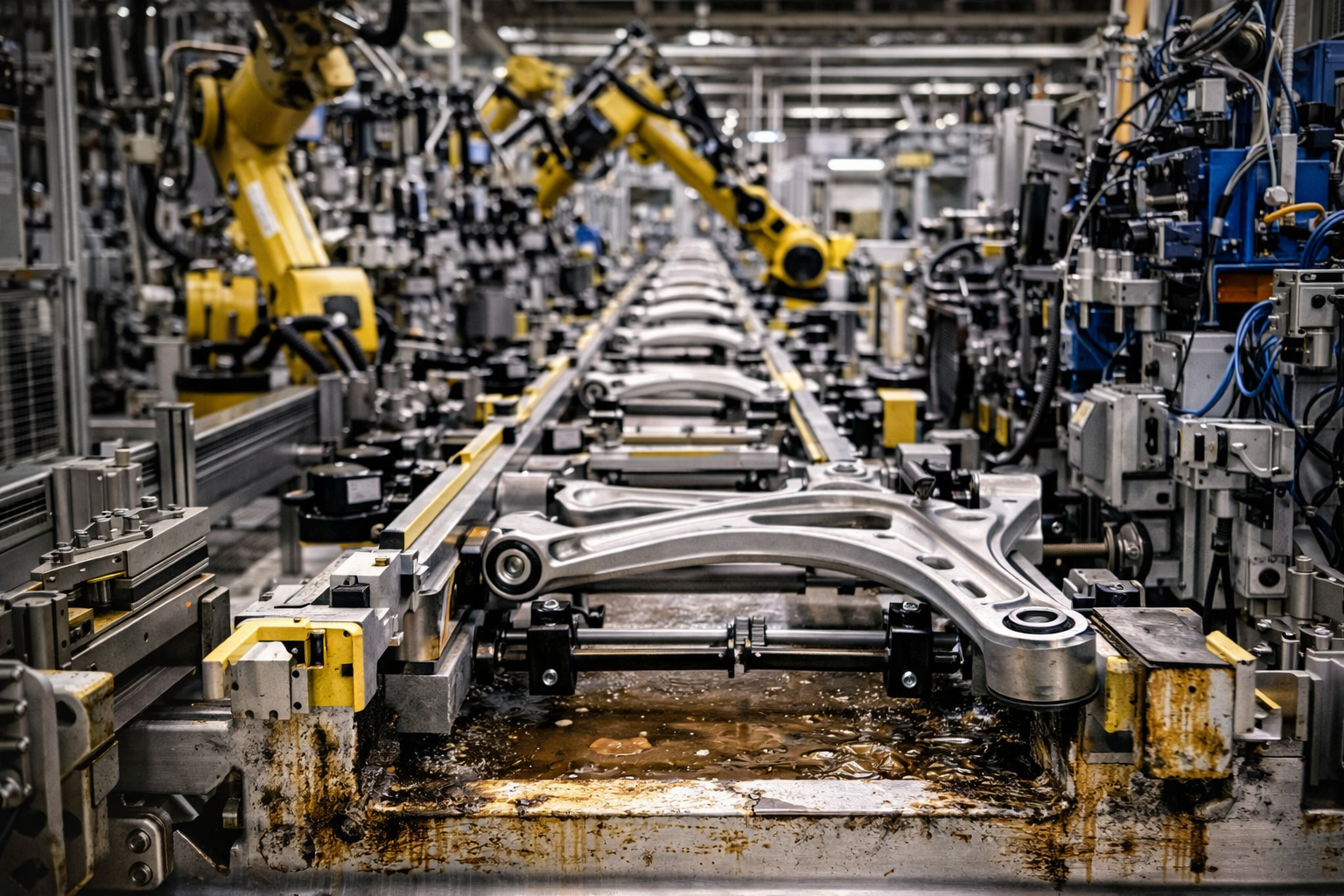
Often the following situation occurs: the same factory produces a part for a car manufacturer, and then offers a similar product under its own brand, but without the markup associated with the car brand.
The reasons why original spare parts are not always superior to analogues can be reduced to several key aspects.
Firstly, a significant part of the cost is formed not by the part itself, but by the associated costs. The price includes logistics, marketing, dealer margin and, of course, the cost of the brand. As a result, the buyer often pays more for the packaging and name, and not for the real technical advantages.
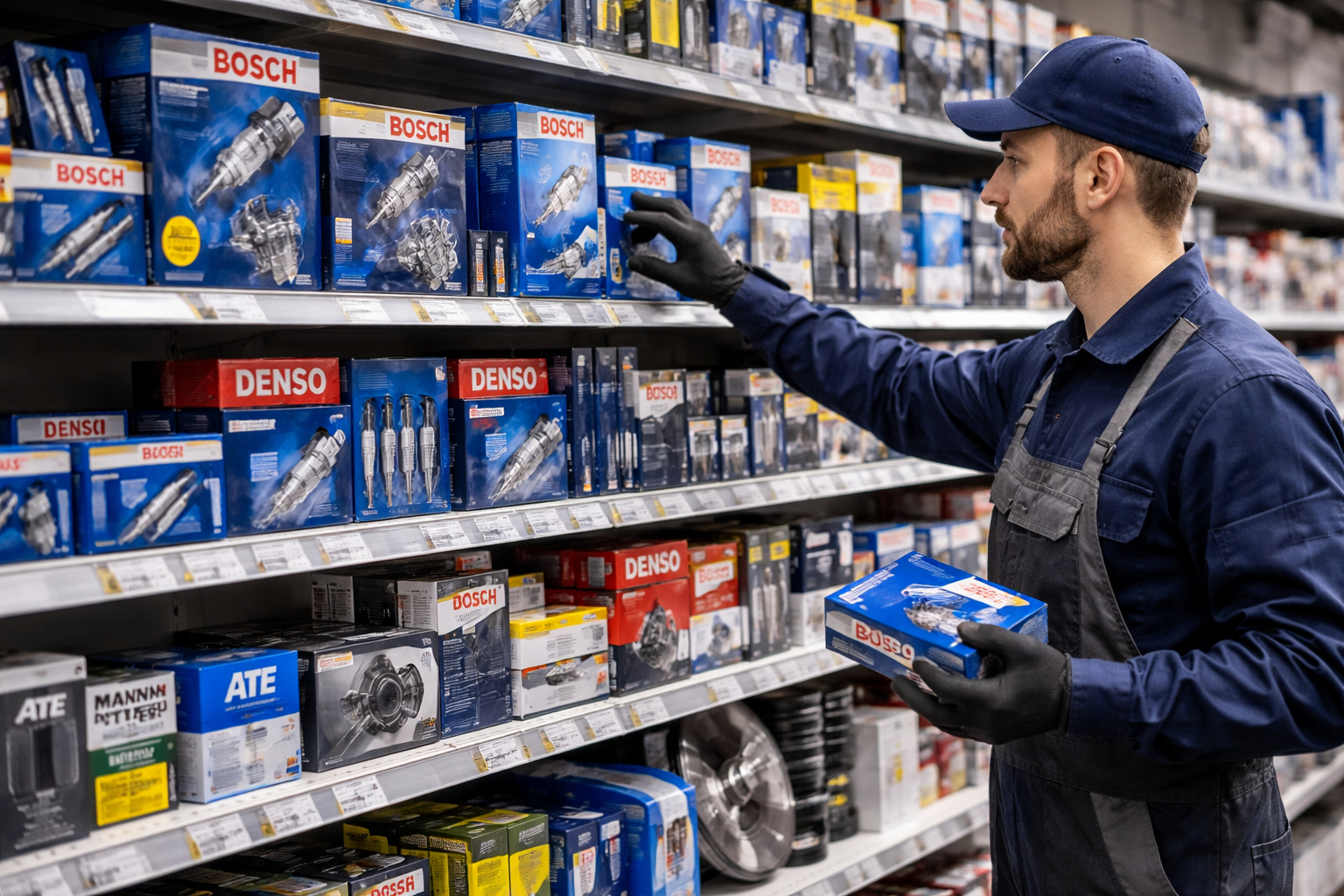
Secondly, often we are talking about the same manufacturer. Many large companies, such as Bosch, Denso, ZF Friedrichshafen and Mahle, simultaneously work both for the assembly line and for the spare parts market. As a result, essentially identical products can be sold in different boxes with a noticeable difference in price.
Thirdly, the modern analogue market is actively developing. Manufacturers of aftermarket components compete with each other, which encourages them to refine designs and introduce improvements. This can be expressed in the following:
- the use of more wear-resistant materials
- strengthening vulnerable structural elements
- adaptation of parts to real operating conditions
Sometimes such improvements allow the analogue to last longer than the original part.
Another important point is the heterogeneity of the "original" itself. Parts sold under the brand of the car manufacturer can be produced in different factories and in different countries, which affects their quality. Moreover, within one brand there are often several categories of original spare parts:
- components for the assembly line
- service parts
- simplified lines for cars out of warranty
For this reason, a part that looks the same at first glance may differ in resource and performance.
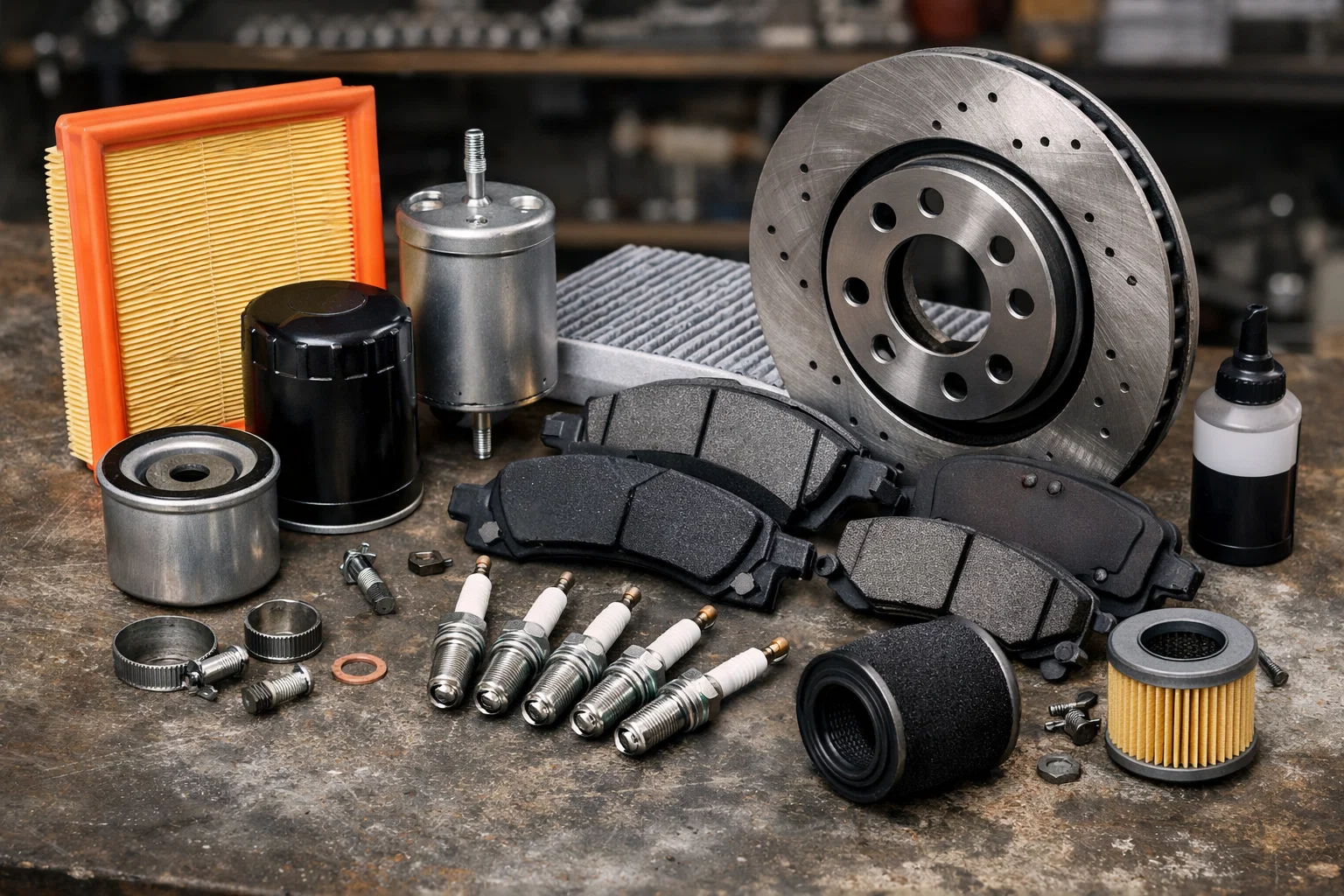
The economic aspect deserves special attention. For cars that have left the warranty period, overpaying for original components is in many cases not justified. This is especially true for categories such as:
- filters
- brake pads
- suspension elements
- spark plugs
- belts and rollers
In these segments, it is quite possible to choose a high-quality analogue without a noticeable loss of resource.
Nevertheless, there are situations when original parts are really preferable. First of all, this applies to complex and sensitive components, where complete compatibility is critical. Such components include:
- electronic control units
- complex electronic systems
- active safety elements
In such cases, not only the characteristics are important, but also the manufacturer's warranty obligations.
To make the right choice between the original and the analogue, it is necessary to take into account several factors at once:
- age of the car
- type of part (consumable or complex component)
- reputation of the analogue manufacturer
- availability of certification and warranty
- reliability of the seller
A comprehensive approach to the selection of spare parts allows you to avoid unnecessary costs and at the same time maintain the necessary level of reliability.
Original spare parts are not always the best solution - often it is simply the most expensive option. It is much more important to understand the origin of the part and evaluate the available alternatives. For most cars out of warranty, high-quality OEM components or proven aftermarket brands become a reasonable replacement, allowing you to reduce maintenance costs without compromising performance.
Read more materials:
- Hidden rust: dangerous areas of the body
- What to do if you get stuck in mud or snow
- What do the hairs on new tires mean