In the late 1990s and early 2000s, AvtoVAZ concluded that further development of existing models had practically exhausted its potential. The plant needed a fundamentally new, higher-class car capable of competing with popular foreign models. This is how the VAZ-2116 project, better known as "Silhouette" or "Project C," came into being.
Work on the new model began under AvtoVAZ's General Director Vladimir Kadannikov. For the enterprise, this car was not meant to be just another modernization of an existing platform, but a completely new stage of development.
Old Platforms Were No Longer Suitable
The main problem was the lack of a modern technical base.
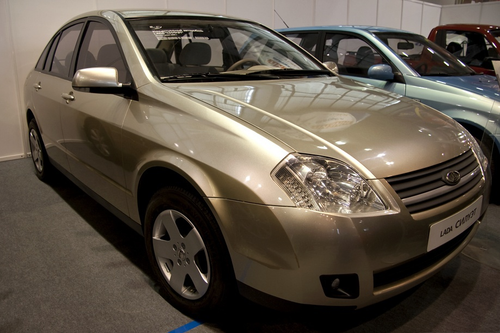
The design of the VAZ-2108 family, which formed the basis of the "Samara," was developed with the participation of Porsche specialists and was considered quite successful. However, its potential for further modernization was practically exhausted.
Engineers understood that simply increasing the platform's size would lead to serious consequences. To ensure the necessary body rigidity, its mass would have to increase by approximately 400–450 kilograms, which would make the car uncompetitive.
Therefore, the new model essentially had to be designed from scratch.
It was necessary to develop:
- a new body;
- modern suspension;
- a power unit;
- a modernized transmission.
The First Design Was Created In-House
At the initial stage, AvtoVAZ specialists tried to independently develop the exterior of the future car.
When creating the design, engineers and artists focused on successful foreign models, primarily the Kia Cerato and Chevrolet Lacetti. As a result, the first sketches of the VAZ-2116 appeared, which were even published in automotive press.
However, it soon became clear that their own resources were insufficient.
The most challenging areas were:
- ensuring modern passive safety;
- developing a more powerful engine;
- creating a new gearbox;
- designing independent rear suspension.
Foreign Specialists Were Brought In
Vladimir Kadannikov decided to involve leading foreign engineering companies.
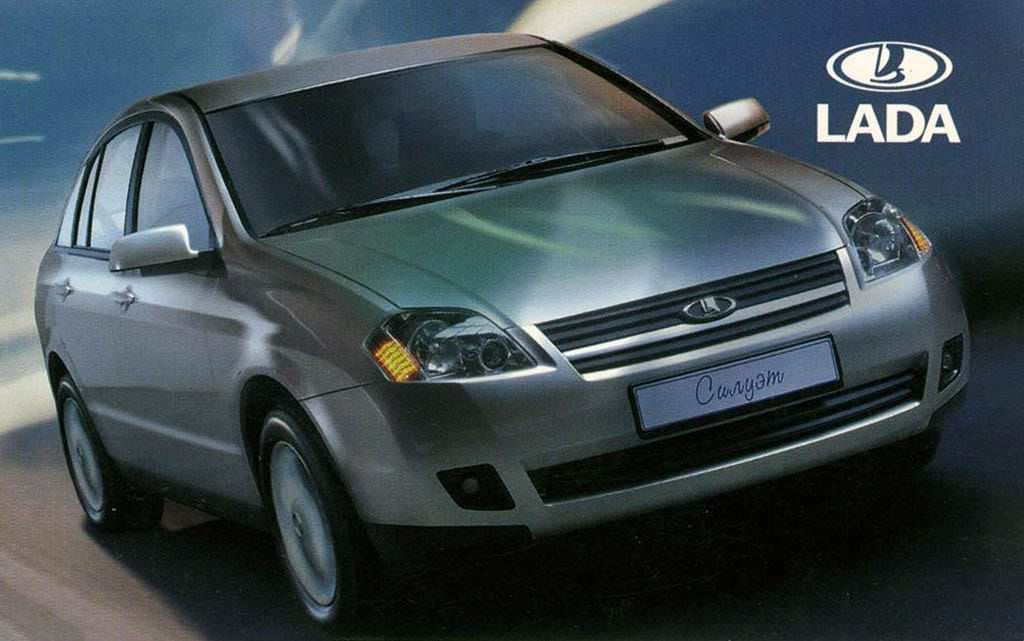
The work was distributed among several contractors:
- Magna International was responsible for body development;
- German ZF handled chassis and transmission elements;
- British company Ricardo received an order to create the engine.
This approach significantly accelerated the project.
During development, specialists prepared 23 body variants, gradually improving the design.
As a result, the car achieved a four-star Euro NCAP rating, which was considered a very decent indicator for that time.
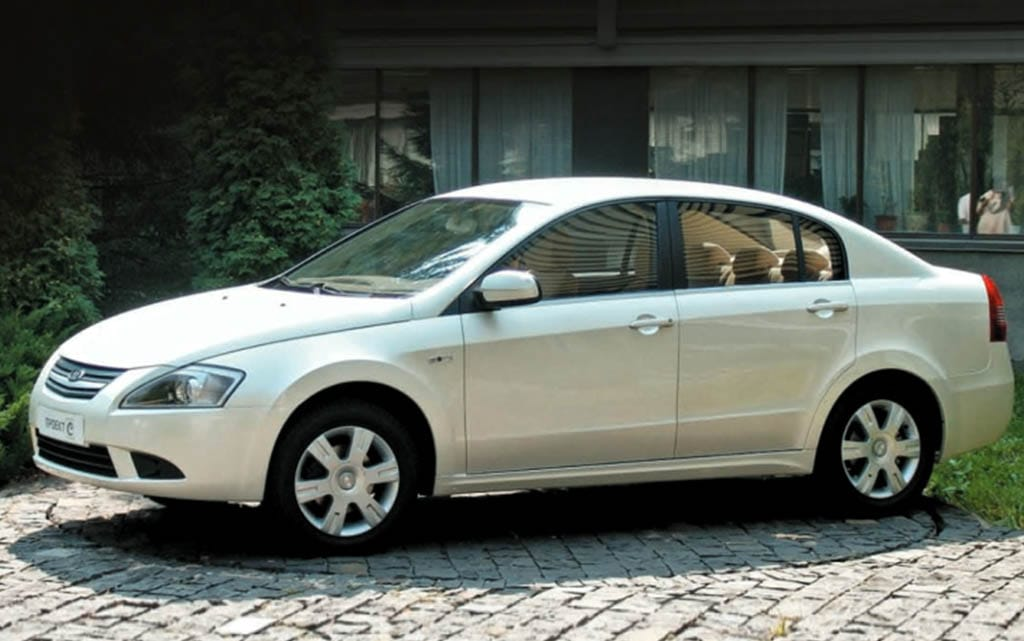
The design proved more challenging. Artists regularly refined the car's appearance, causing constant delays. Nevertheless, the VAZ-2116 gradually acquired a recognizable and harmonious look that was no longer inferior to many foreign models of its time.
Why AvtoVAZ Bet on the C-Class
Even then, some specialists believed that the enterprise should focus exclusively on B-class cars.
However, the management held a different view.
According to Vladimir Kadannikov, it was impossible to retain market share by offering only compact models.
It is curious that people who had the opportunity to see the exhibition models of the "Silhouette" almost unanimously expressed their preference for a C-class car during surveys.
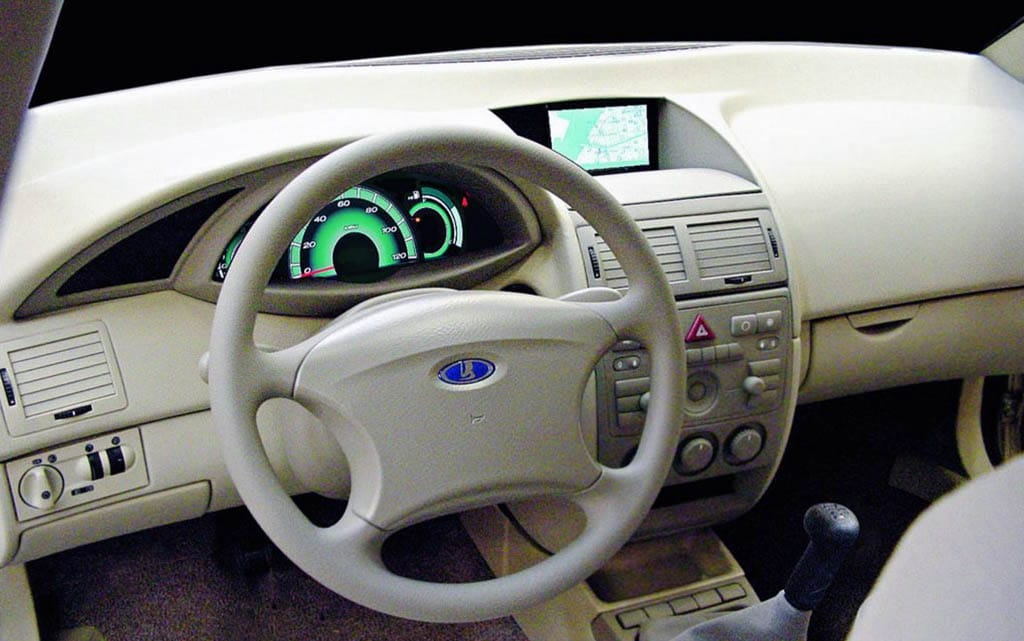
Later, marketers also recognized such a decision as fully justified.
New Engine Without Complete Design Change
Creating a completely new engine would require enormous costs, so the British company Ricardo chose a different path.
They took the well-known AvtoVAZ 16-valve 1.6-liter engine as a basis and subjected it to deep modernization.
During the refinement, engineers:
- increased the cylinder block wall thickness;
- changed the piston stroke;
- increased the displacement to 1.8 liters;
- reworked the intake and exhaust gas dynamics;
- developed a new cylinder head with optimized valve timing.
As a result, the engine power increased to 112 horsepower.
A more advanced modification, the VAZ-211176, equipped with an INA phase shifter, developed 122 hp.
Transmission Designed with a Margin
The gearbox was also modernized simultaneously.
Several gear ratio options were prepared for it, differing in the settings of the first three gears.
But the most interesting feature was the possibility of further design development.
The developers provided for:
- installation of a viscous coupling;
- placement of a rear differential;
- connection of all-wheel drive half-shafts.
In fact, the VAZ-2116 could have become an all-wheel drive car already at the design stage.
After Management Change, the Project Lost Momentum
In 2005, Vladimir Kadannikov was replaced by Sergey Chemezov.
Almost immediately, the entire project underwent a large-scale audit. The new management considered that AvtoVAZ was spending too much money on the services of foreign engineering companies.
By that time, the "Silhouette" was about 80–90% complete. Most key technical issues had already been resolved, and the car's design had acquired a finished look.
Many specialists believed that the VAZ-2116 could become one of the most successful domestic models of its time.
However, funding gradually decreased. Any additional work required lengthy approvals, so the refinement process practically stopped. As a result, the car was never fully completed.
Renault's Arrival Put an End to It
In 2008, Renault acquired a stake in AvtoVAZ.
The French side proposed building new LADA models on its own B0 platform, which was already used in the alliance's cars.
After this decision, further development of the VAZ-2116 finally lost its meaning.
The "Silhouette" project was closed, and all work on it ceased.
What Could Have Been
Today, the VAZ-2116 remains one of the most ambitious projects in AvtoVAZ's history.
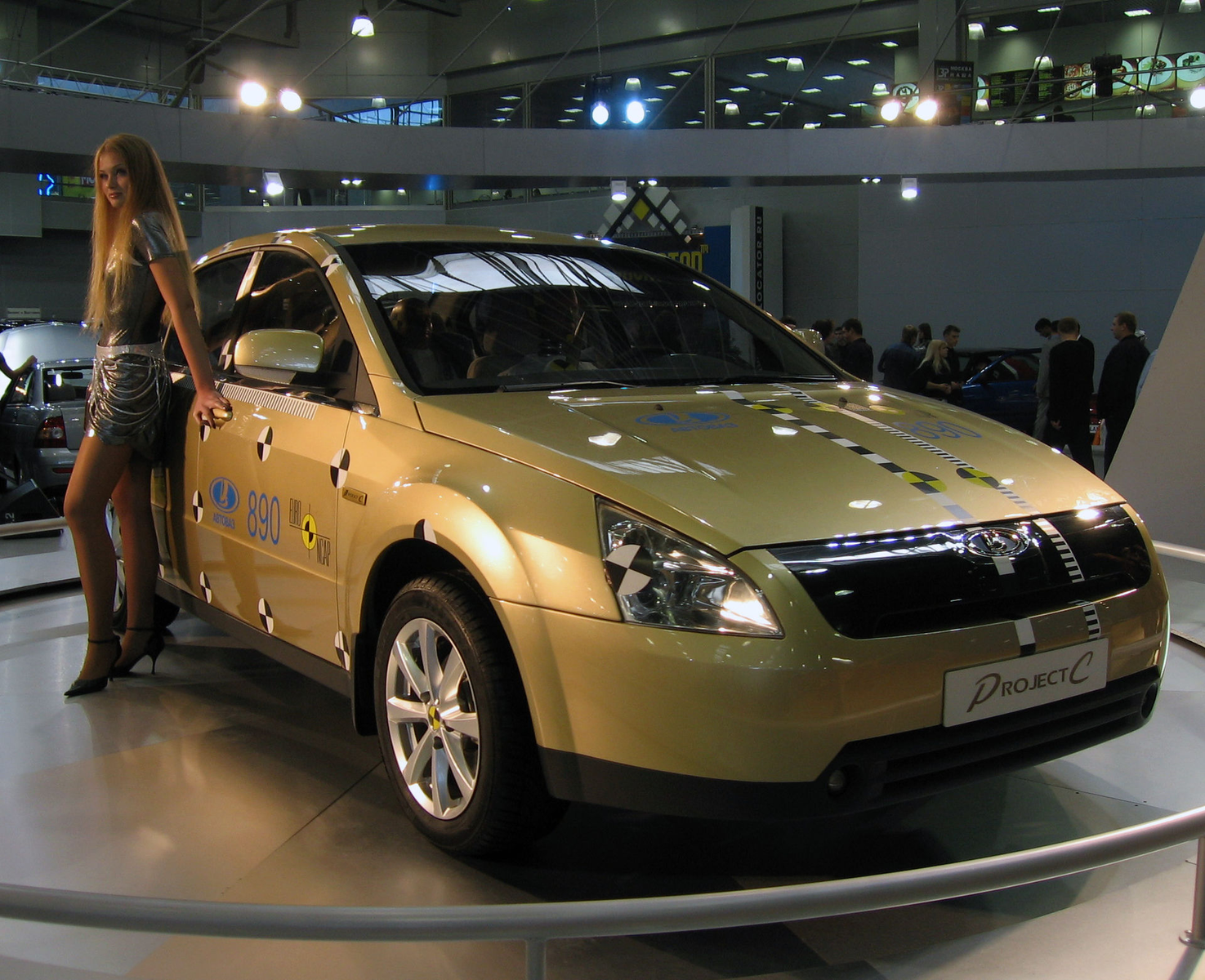
The car received a modern platform, a body that met the safety requirements of its time, modernized engines, a promising transmission, and even the structural possibility of creating an all-wheel drive version.
However, the change in enterprise management and subsequent cooperation with Renault changed the plant's development strategy. Instead of its own platform, AvtoVAZ opted for ready-made foreign solutions, and the "Silhouette" remained one of the most famous domestic cars that was not destined to reach the assembly line.
Read more materials:
- A trip for 300 rubles can end in a lawsuit for 1.5 million: what you need to know about carsharing
- How to visit gas stations less often during price increases
- Why the world is abandoning gasoline faster than Russia
Comments