State Duma deputy Georgy Kamnev appealed to the head of the Ministry of Industry and Trade, Anton Alikhanov, asking him to explain why AvtoVAZ cars outside Russia can cost significantly less than on the domestic market. As an example, he cited the Lada Vesta in Comfort trim: in Belarus, such a car costs almost 300 thousand rubles less. The appeal itself looks like an attempt to protect the interests of Russian buyers. However, if you independently compare prices and sales conditions, it becomes clear that even an official response from the ministry is unlikely to change the situation itself.
How much does the same Vesta cost?
In Minsk, the Vesta Comfort sedan is offered from 46,800 Belarusian rubles. If this amount is converted at the Central Bank exchange rate, it comes out to about 1.32 million Russian rubles. The recommended Russian price for the same version starts from 1.558 million rubles. Thus, the gap is approximately 238 thousand rubles.
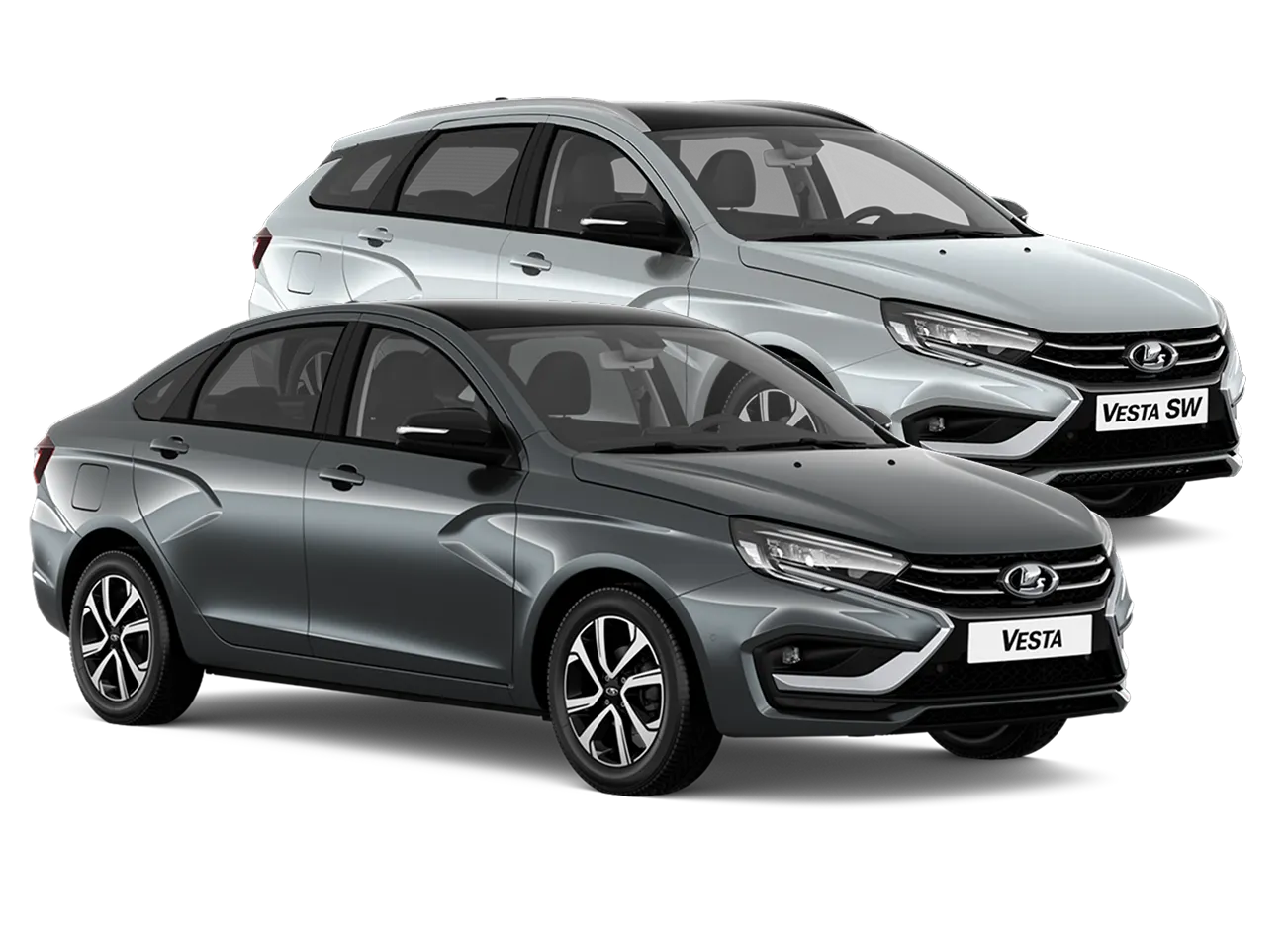
For the deputy, the difference was almost 300 thousand – the exchange rate changed, so a discrepancy of several tens of thousands is not fundamentally significant here. Especially since a similar price gap has been recorded before: in 2024, Autonews estimated the difference for different Vesta versions at 282,724–396,272 rubles.
At the same time, Russian dealers sometimes show an even more attractive price – "from 1,167,000 rubles." But next to it there is usually an important caveat: this amount is calculated with the simultaneous use of trade-in and credit. There are no such conditions in the Belarusian price list.
The picture is quite characteristic:
- Russian recommended price – from 1.558 million rubles;
- Belarusian price – about 1.32 million rubles at the current conversion;
- dealer offers in Russia may look cheaper, but require additional conditions.
Why is the car more expensive at home?
The export Vesta is shipped from Russia without the Russian recycling fee, and this is what Belarusian sellers used to explain part of the price discrepancy several years ago.
But there is another important feature. In Belarus, Lada has to compete directly in the market, where locally assembled Geely cars and other Chinese cars are sold alongside it. There, the buyer can choose between offers from different manufacturers, so the car must be competitively priced.
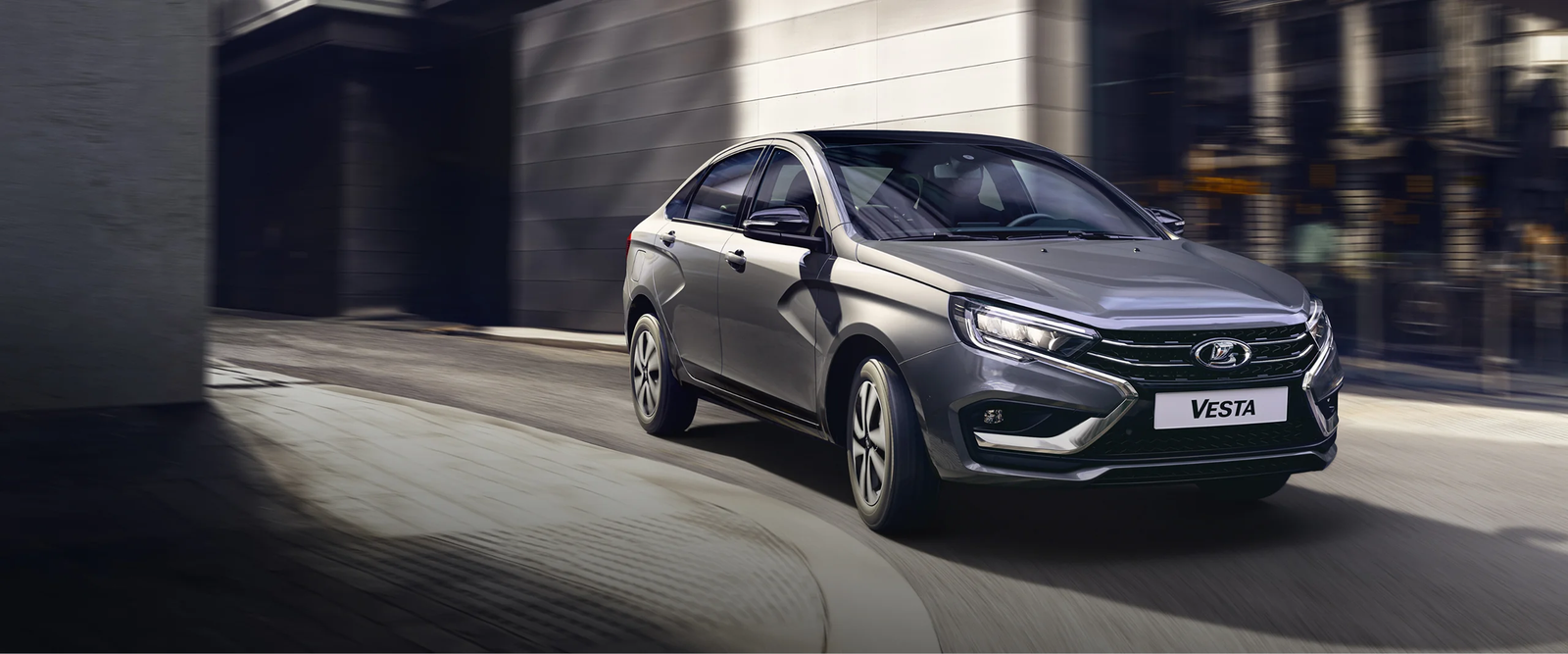
In Russia, the situation is different. The recycling fee is gradually increasing and raising the cost of imported competitor cars. Against their background, the price of Vesta at 1.55 million rubles already looks less unusual.
That is why a simple comparison of two price lists is not enough: the same car ends up in different competitive conditions.
It is also indicative that the question is addressed specifically to Anton Alikhanov. In the autumn of 2025, the head of the Ministry of Industry and Trade called Belarus AvtoVAZ's first export market – about 12 thousand cars were sent there annually.
This story has been going on for years
The current situation did not appear suddenly. Back in the summer of 2024, Autonews discovered a comparable gap in the cost of Lada cars in the Russian and Belarusian markets. At that time, the difference for various Vesta versions ranged from 282,724 to 396,272 rubles.
Since then, explanations for the price discrepancy have already been given, but the problem itself has not disappeared. At the same time, the recycling fee rates have been indexed during this period.
That is, we are not talking about a one-time anomaly in price lists, but about a situation that has persisted for several years.
Can you just buy a Vesta in Minsk?
Formally, a trip to Belarus to buy a car is not prohibited in itself. The countries are part of the EAEU, so there is no usual customs border and duties when moving a car between them.
However, in practice, the buyer will face a number of nuances. For a car imported for personal use, a recycling fee of 3400 rubles is specified, provided that the car is not sold within a year. If the car is sold earlier, the fee will be recalculated at the commercial rate, which is already hundreds of thousands of rubles.
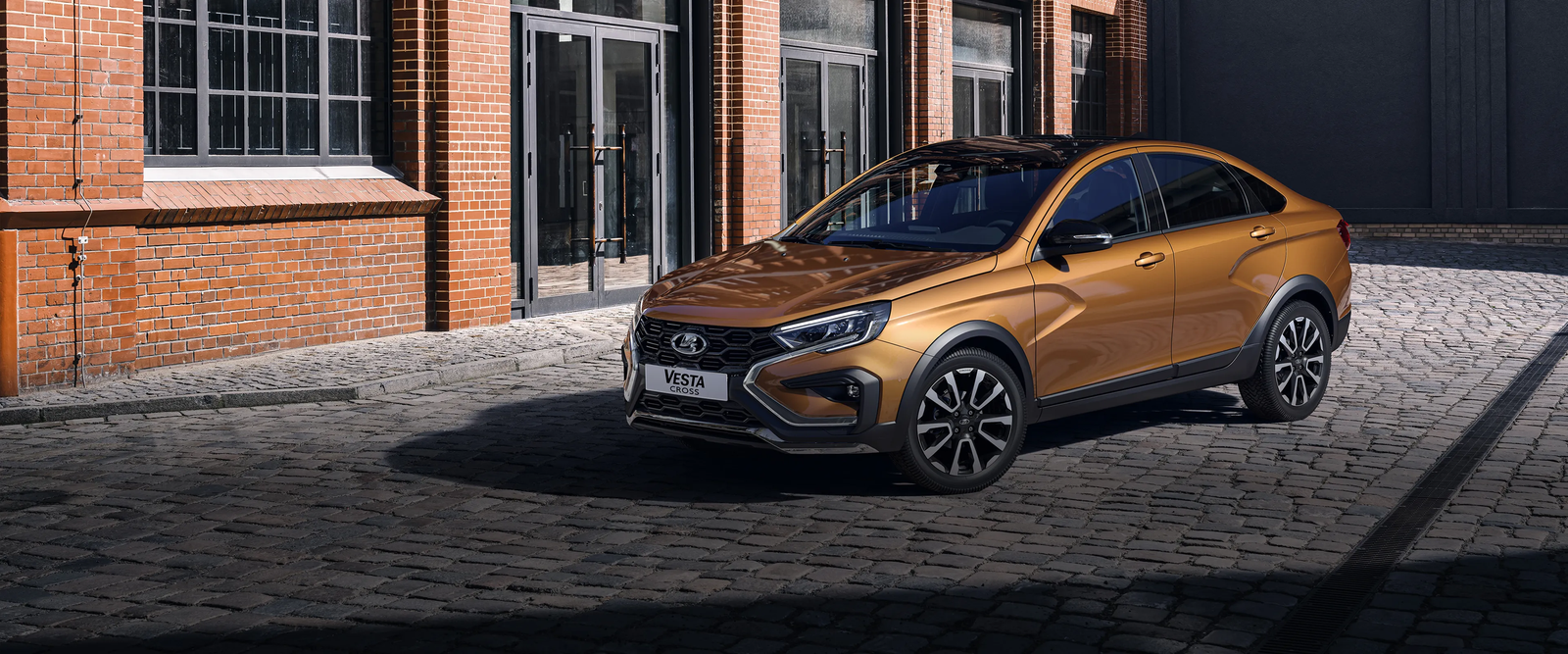
Before payment, it is also necessary to check whether the car has a Russian electronic PTS. Otherwise, additional payments may arise.
A separate issue is warranty service. In Belarus, official LADA dealerships promise to service cars purchased there. However, there is no confirmation from AvtoVAZ that such a car will be unconditionally accepted by Russian dealers.
A similar situation already had a precedent in 2022: then the factory directly indicated that the warranty was valid only in the country of purchase. Therefore, it is reasonable to clarify the warranty conditions for a specific car with the seller before concluding the deal.
The situation with the possibility of purchase itself looks simpler, but potential savings still require a separate calculation:
- it is necessary to take into account the Russian electronic PTS;
- warranty conditions should be clarified in advance;
- it is important to consider the possible recalculation of the recycling fee if the car is sold before the specified period;
- the nominal difference between the two price lists cannot be automatically considered net savings.
Why the Ministry of Industry and Trade's response is unlikely to change anything
The main problem is not that the Russian buyer does not know how to compare prices. The difference between the markets has existed for a long time, and its reasons are related to the conditions under which AvtoVAZ sells cars within Russia and abroad.
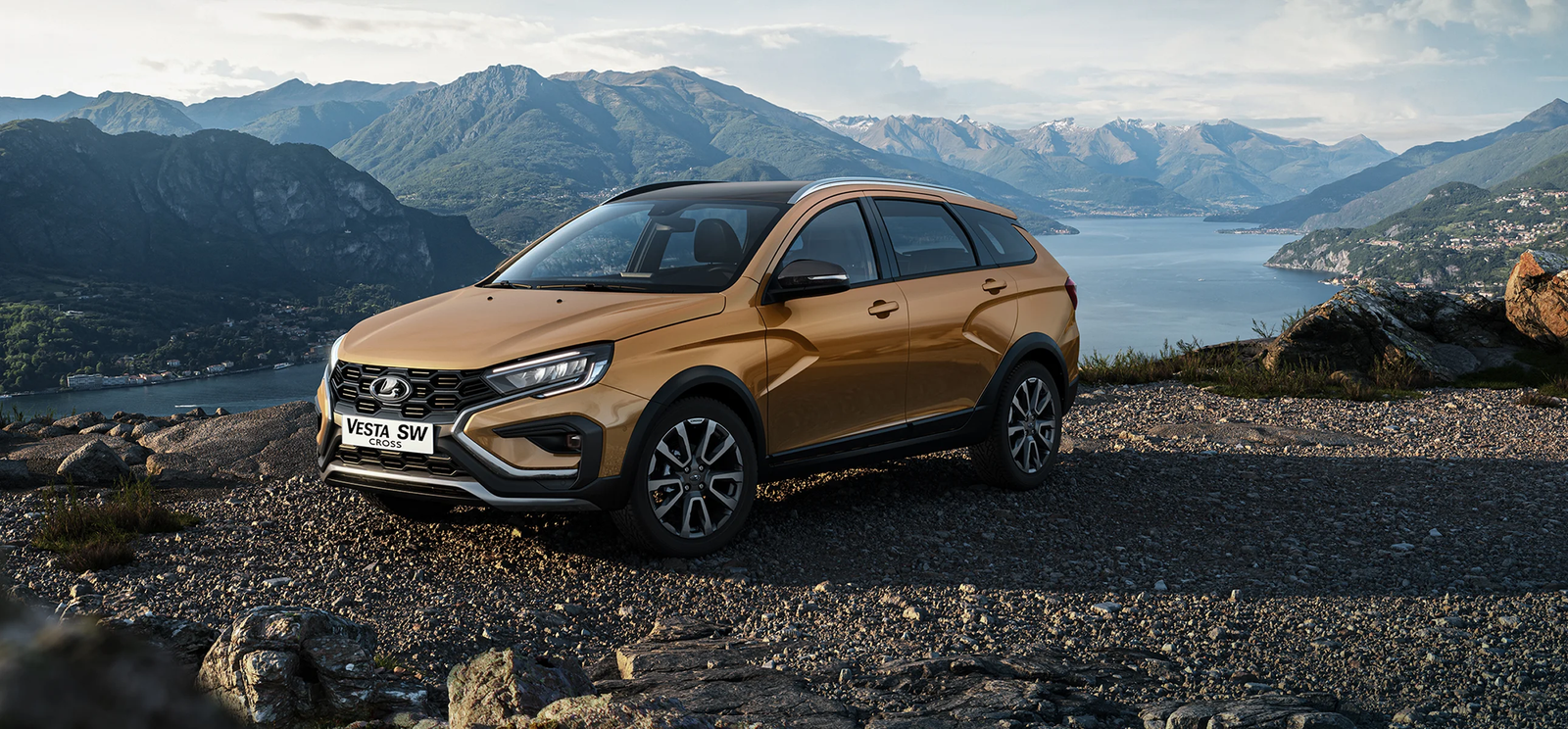
In Belarus, Lada has to directly compete for buyers with other cars. In Russia, the price of competing imported models is affected by the recycling fee, which changes the very structure of the market.
Therefore, the situation looks paradoxical only at first glance. In Minsk, the car must be attractive specifically to the buyer. In the Russian market, its final competitiveness is influenced not only by the factory price, but also by the overall system of fees and prices for alternative cars.
That is why the Vesta in Belarus may turn out to be cheaper than the Russian version not because the Belarusian buyer received a special gift. It's just that different pricing and competition conditions apply in another market.
Read more materials:
- Solid axle or independent suspension: why SUVs still choose the former
- Why an automatic car moves on its own when you release the brake
- Why the timing belt in oil turned out to be a failure